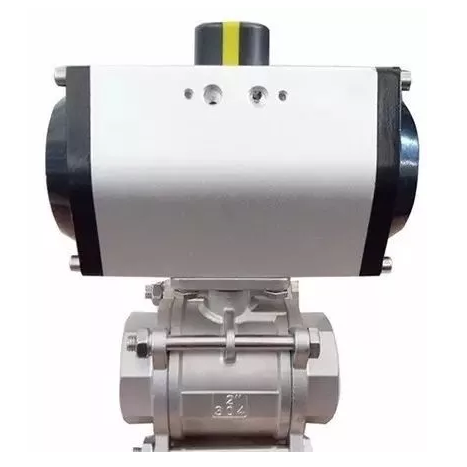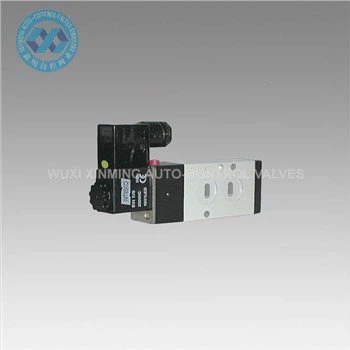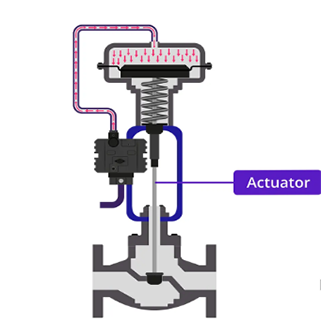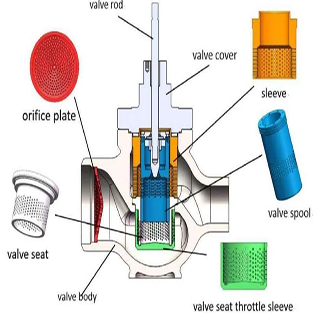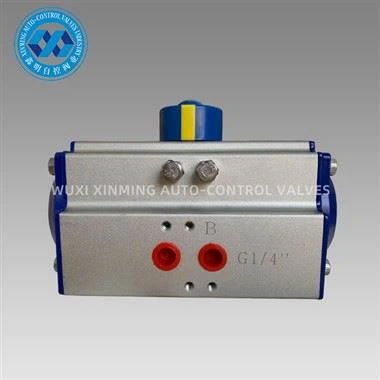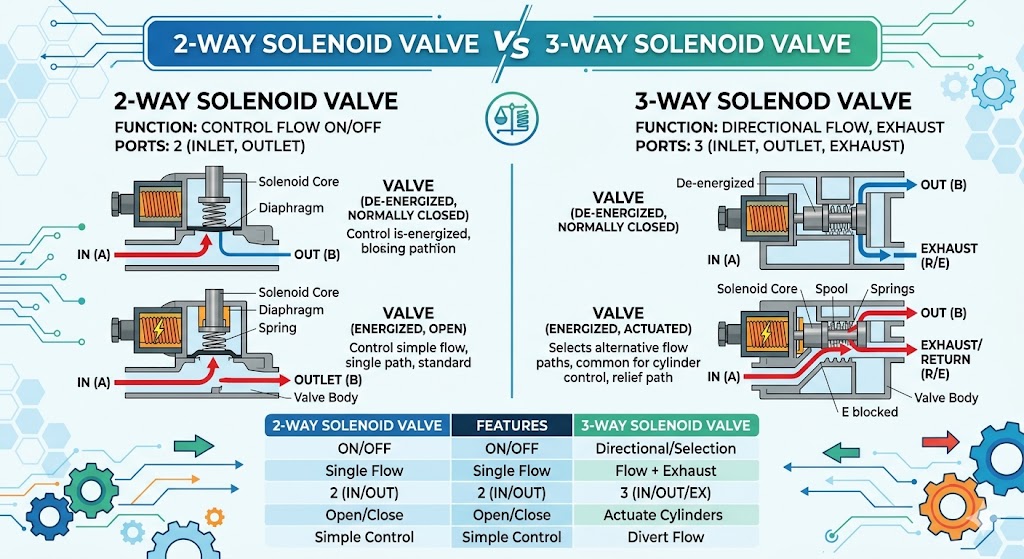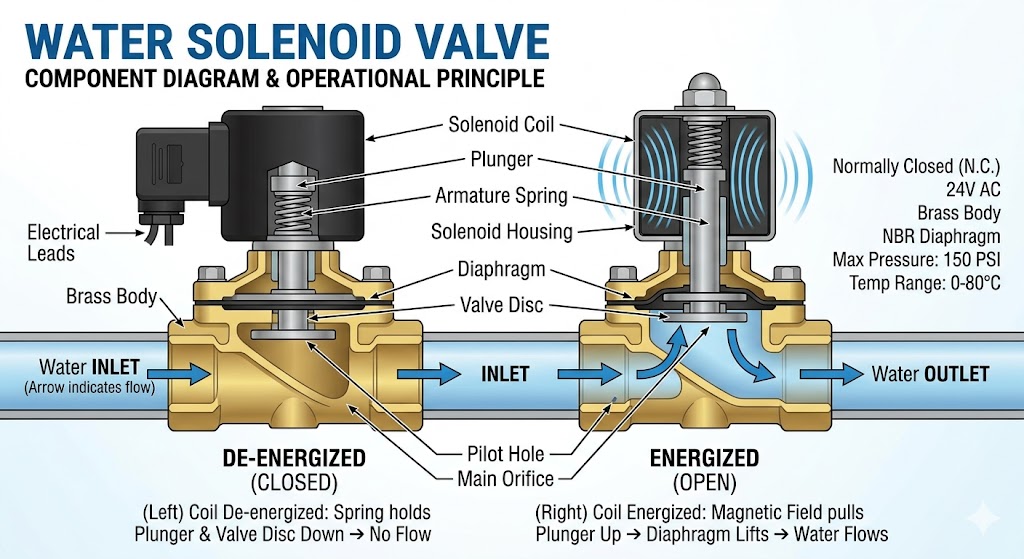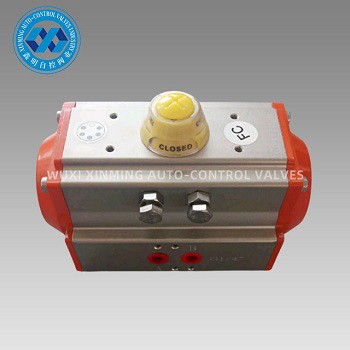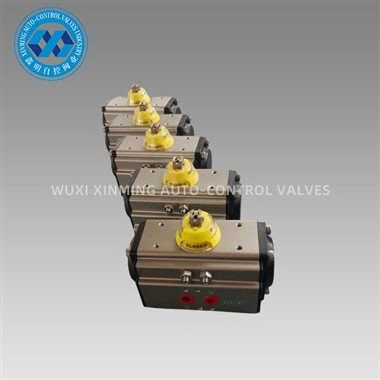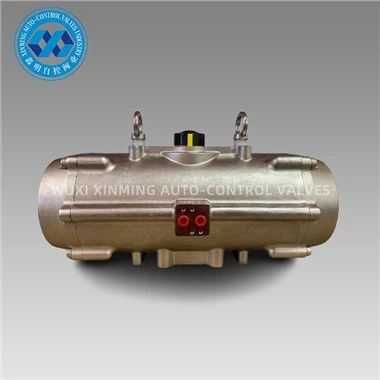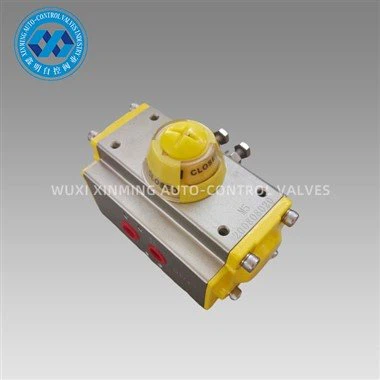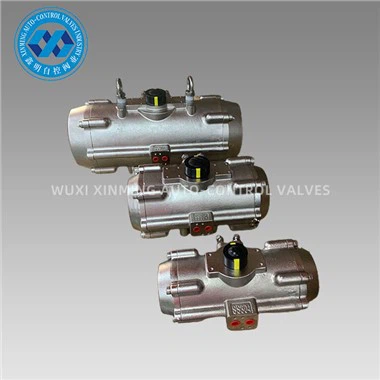
A rack and pinion pneumatic actuator is a type of device widely used in industrial automation to convert linear motion generated by air pressure into precise rotational motion. This technology is critical in valve automation systems, allowing for reliable control of ball valves, butterfly valves, and other rotational devices.
Key Components of a Rack and Pinion Pneumatic Actuator
Understanding the main components is essential to grasp how these actuators work:
- Pneumatic Cylinder: Generates linear motion when pressurized air is applied.
- Rack: A linear gear inside the actuator that moves as air pressure is applied to the cylinder.
- Pinion Gear: A round gear that engages with the rack and converts its linear motion into rotational motion.
- End Caps and Bearings: Ensure smooth operation and alignment of moving parts.
- Shaft: Transfers the rotational motion to the valve or mechanical device.
Working Principle
The operation of a rack and pinion pneumatic actuator can be summarized in several steps:
- Compressed air enters the actuator cylinder, pushing the piston linearly.
- The piston is connected to the rack, so as the piston moves, the rack also moves linearly.
- The linear motion of the rack engages the pinion gear.
- The pinion rotates as the rack moves, converting linear motion into precise rotational motion.
- The rotational motion is then transferred to the valve stem or output shaft to operate the valve.
Advantages of Rack and Pinion Pneumatic Actuators
- High torque output in a compact design.
- Reliable performance under various industrial conditions.
- Fast response and precise positioning for valve automation.
- Durable components with low maintenance requirements.
Applications in Industrial Automation
Rack and pinion actuators are widely used across multiple industries due to their reliability and efficiency. Some common applications include:
- Oil and gas pipelines for operating ball and butterfly valves.
- Water and wastewater treatment facilities.
- Chemical processing plants requiring precise valve control.
- HVAC systems for controlling air flow and pressure.
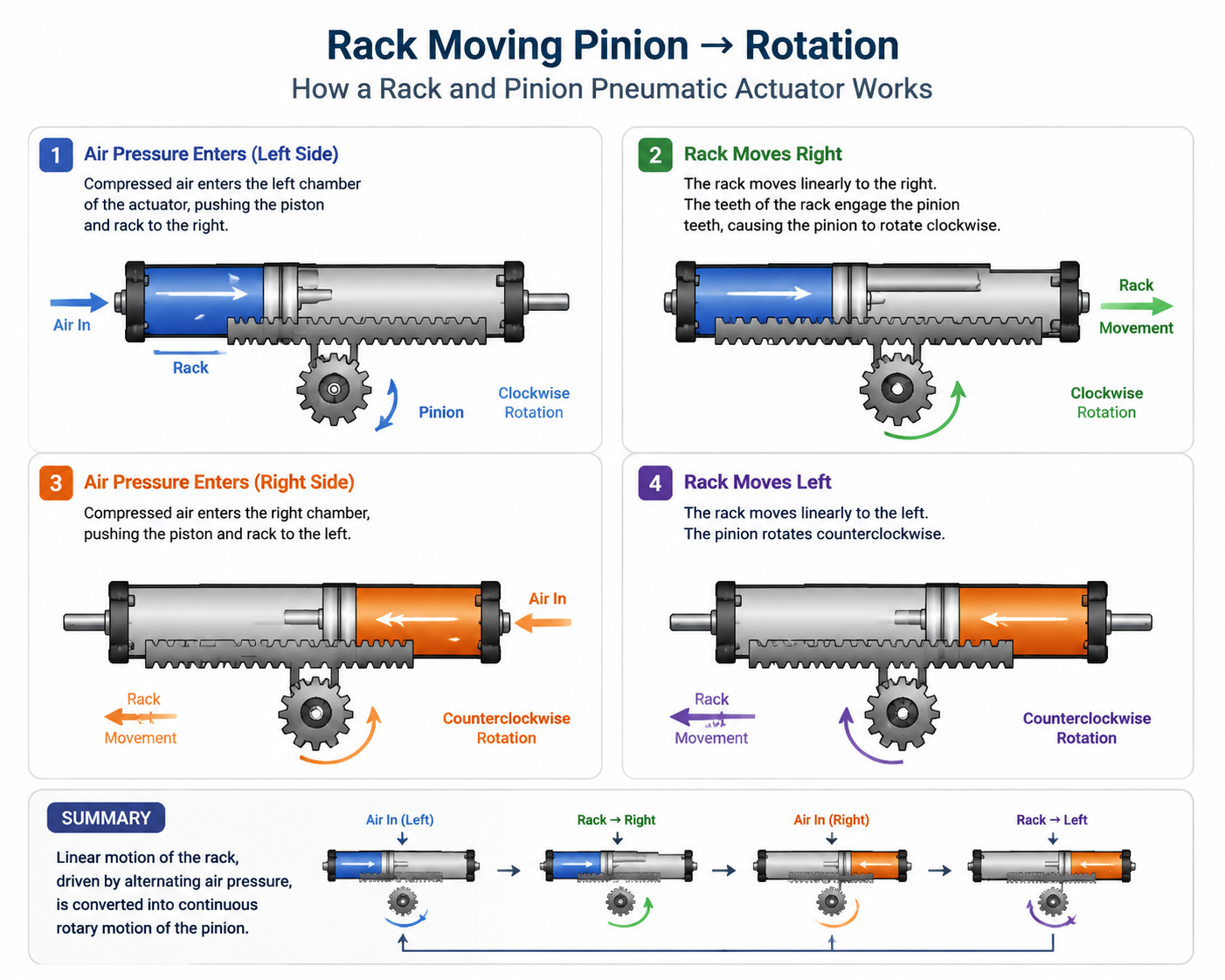
Figure: Rack and Pinion Pneumatic Actuator Converting Air Pressure to Rotation
Conclusion
Rack and pinion pneumatic actuators are essential components in modern industrial automation. By converting linear air pressure into rotational motion, they enable precise and reliable operation of valves and mechanical systems. Their compact size, high torque output, and durability make them a preferred choice for many industries.
If you want to learn more about low-priced products, please visit the following website: www.xm-valveactuator.com