Ball valves are essential components in fluid control systems across industries ranging from oil and gas to water treatment. Their reliability, durability, and tight sealing capabilities make them the preferred choice for on/off control applications. Understanding the different ball valve types available in the market is crucial for selecting the right valve for your specific operational requirements.
What is a Ball Valve?
A ball valve is a quarter-turn rotary motion valve that uses a hollow, perforated, and pivoting ball to control the flow of fluids. The ball has a port, or opening, through which the medium flows. When the valve is in the open position, the port aligns with the pipeline, allowing flow. When closed, the ball is rotated 90 degrees to block the flow. This simple yet effective design provides excellent sealing performance and quick operation.
Main Types of Ball Valves
1. Floating Ball Valve
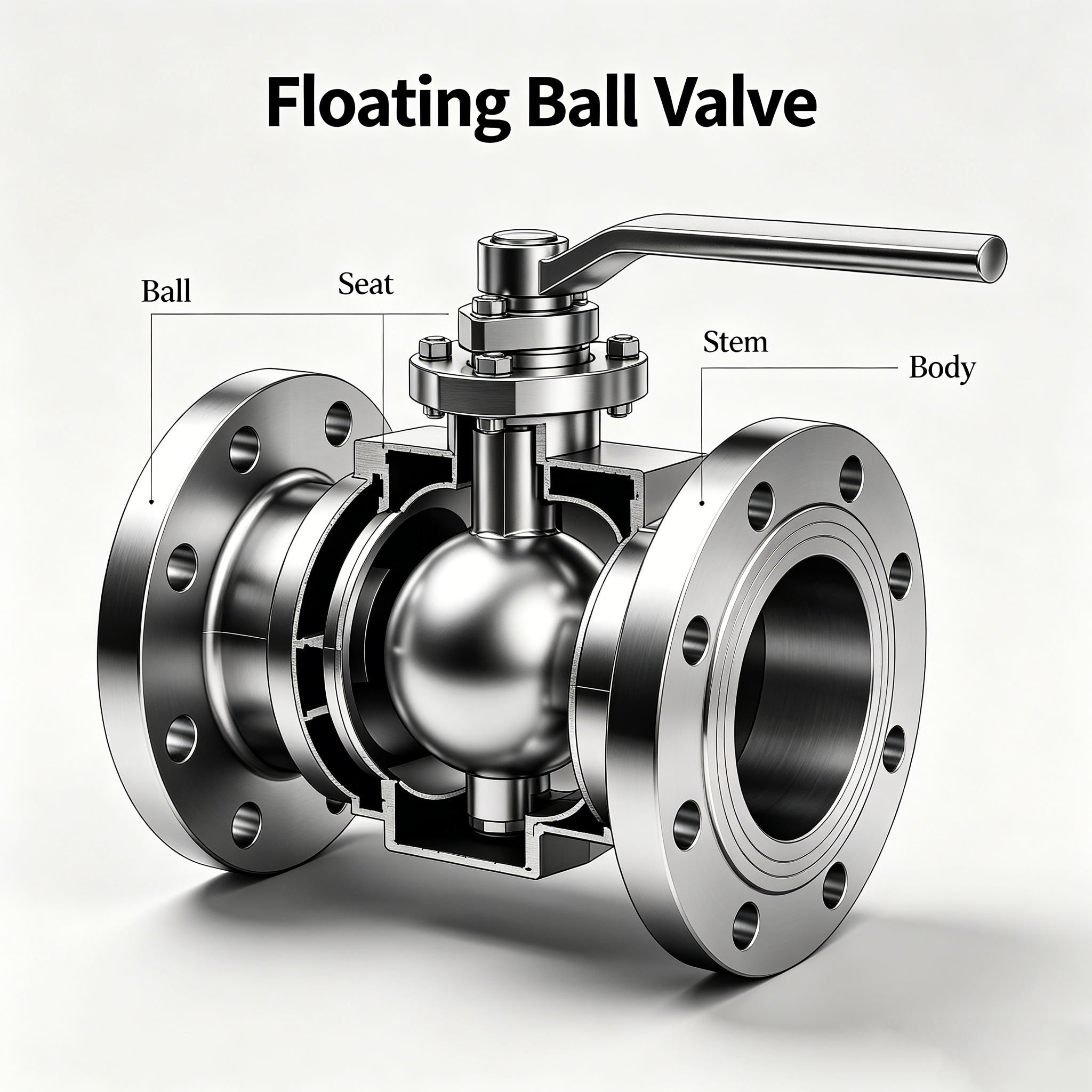
In a floating ball valve design, the ball is not mechanically anchored to the valve stem. Instead, it floats within the valve body and is held in place by the downstream seat seals. When pressure is applied, the ball moves slightly downstream, pressing against the seat seal to create a tight closure. Floating ball valves are typically used for lower pressure and smaller diameter applications due to their simpler construction and cost-effectiveness.
2. Trunnion Ball Valve
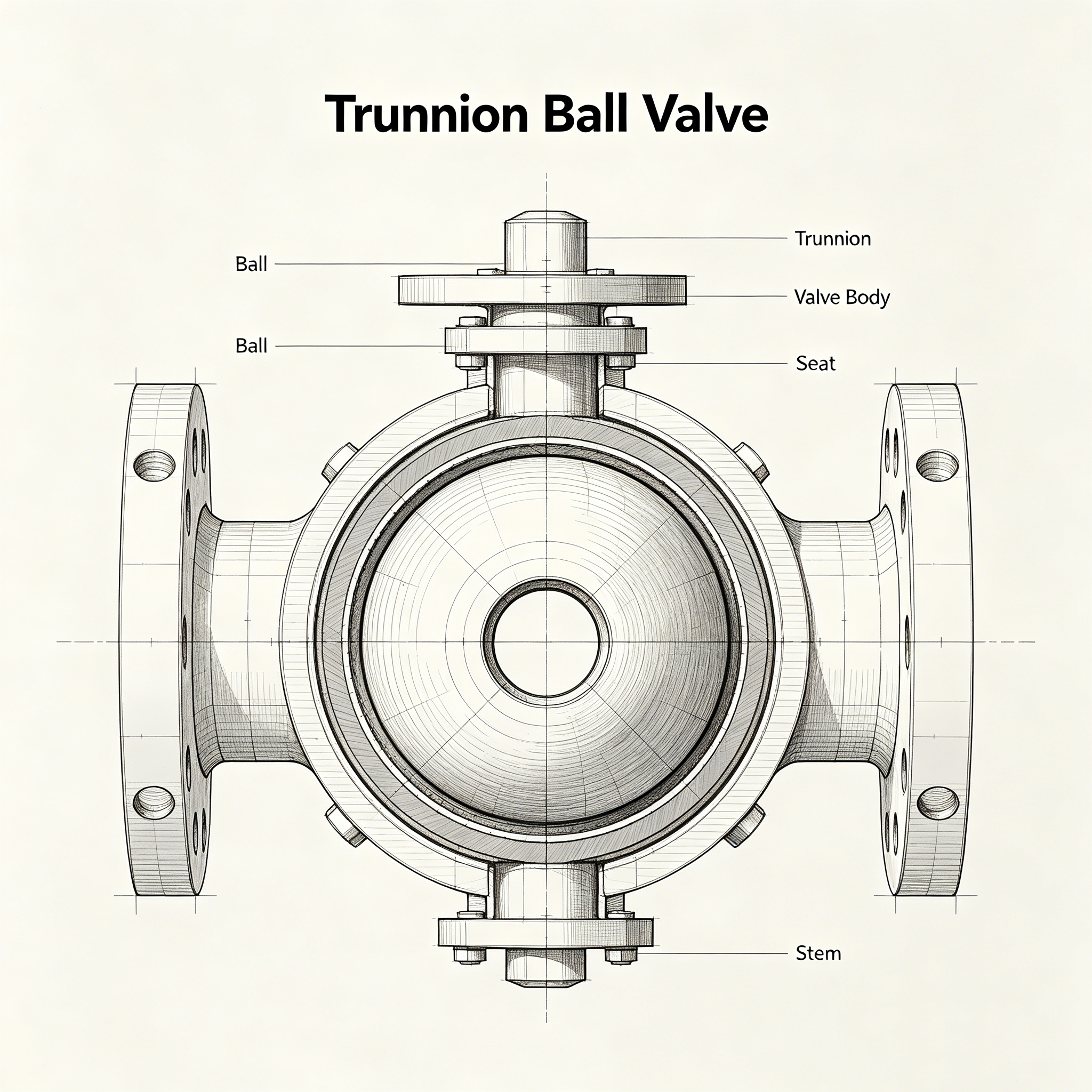
Trunnion ball valves feature a mechanical anchoring system at the top and bottom of the ball, known as trunnions. This design supports the ball and prevents it from moving under pressure. Trunnion valves are ideal for large diameter pipelines and high-pressure applications, offering superior torque characteristics and reduced wear on seat seals. They are commonly found in oil and gas transmission pipelines where reliability is paramount.
3. Full Port Ball Valve
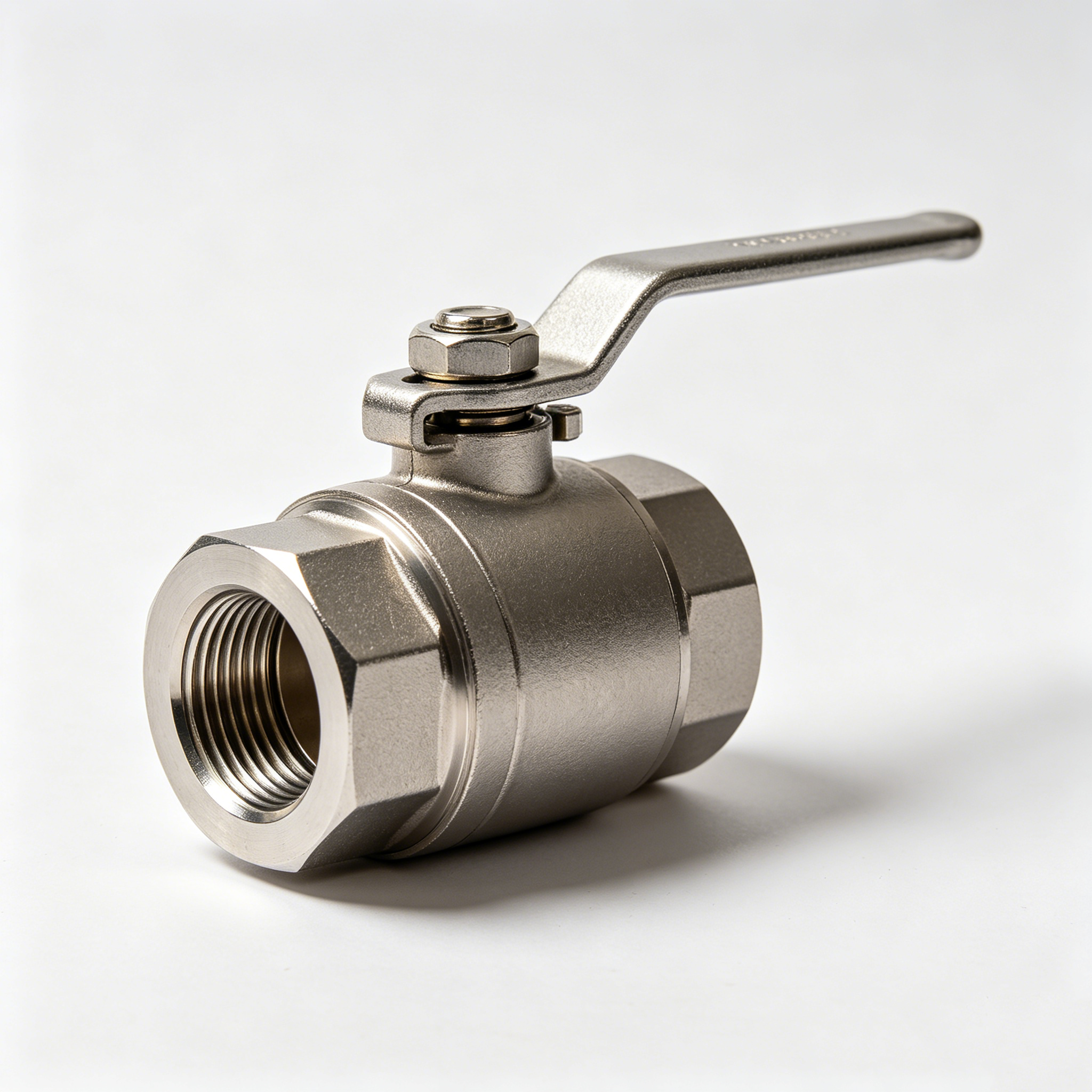
Also known as full bore valves, these ball valves have a ball port that matches the internal diameter of the pipeline. This design minimizes pressure drop and allows for pigging operations in pipeline cleaning. Full port ball valves are preferred when minimal flow restriction is critical, such as in applications involving viscous fluids, slurries, or where pipeline cleaning is required.
4. Reduced Port Ball Valve
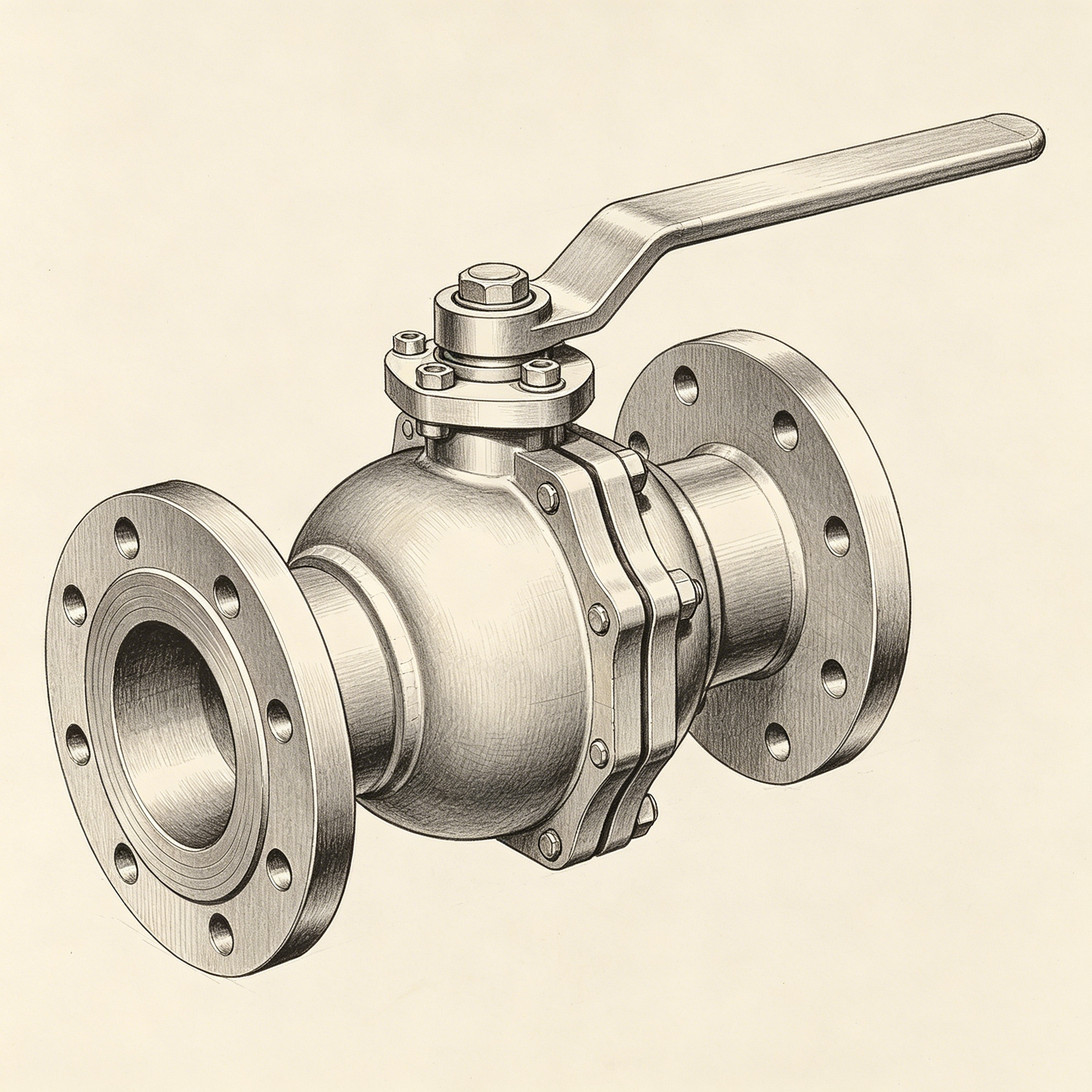
Reduced port ball valves have a ball port smaller than the pipeline diameter, typically one standard size smaller. While they offer cost savings and a more compact design, they create some pressure loss across the valve. These valves are suitable for applications where flow restriction is acceptable and budget considerations are important.
Key Features Comparison
| Valve Type | Pressure Rating | Typical Application | Main Advantage |
|---|---|---|---|
| Floating Ball Valve | Up to 1000 PSI | General purpose, water systems | Cost-effective, simple design |
| Trunnion Ball Valve | Up to 2500+ PSI | Oil, gas, petrochemical | High pressure capability |
| Full Port Ball Valve | Varies by design | Pipelines requiring pigging | Minimal pressure drop |
| Reduced Port Ball Valve | Varies by design | Space-constrained applications | Compact, economical |
Materials and Construction
The selection of materials for ball valve types depends on the fluid medium, operating temperature, and environmental conditions. Common body materials include stainless steel for corrosion resistance, carbon steel for general applications, and special alloys like Hastelloy for aggressive chemicals. Seat materials range from PTFE for general service to metal-to-metal seats for high-temperature applications.
Expert Tip: Always verify material compatibility between the valve body, ball, seats, and stem with your specific fluid medium before installation.
How to Select the Right Ball Valve
Choosing the appropriate ball valve type requires careful consideration of several factors:
- Operating Pressure: Match the valve pressure rating to your system requirements with appropriate safety margins.
- Temperature Range: Ensure materials can withstand both minimum and maximum operating temperatures.
- Fluid Compatibility: Verify chemical resistance of all wetted components to the process medium.
- Connection Type: Consider flanged, threaded, or welded ends based on your pipeline system.
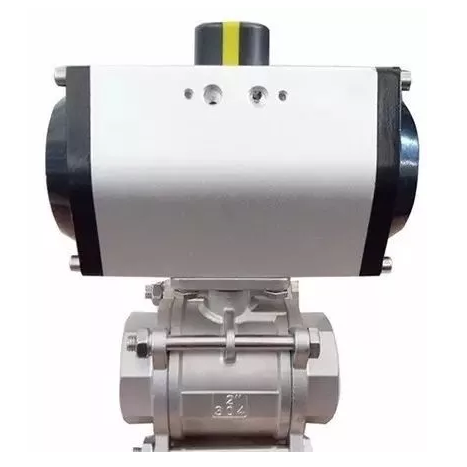
- Actuation Requirements: Determine if manual, pneumatic, or electric actuation is needed.
- Industry Standards: Ensure compliance with relevant standards such as API, ANSI, or ISO.
Applications by Industry
Different ball valve types serve various industrial sectors with specific requirements. In the oil and gas industry, trunnion ball valves dominate due to their high-pressure capabilities. Water treatment facilities typically use PVC or stainless steel floating ball valves for their cost-effectiveness. Chemical processing plants require specialty alloys and PTFE seats for aggressive media handling.
Maintenance and Operating Tips
Proper maintenance extends the service life of ball valve types significantly. Regular inspection of seat seals for wear, checking stem packing for leakage, and verifying torque settings for actuated valves are essential maintenance procedures. Unlike gate or globe valves, ball valves should not be used for throttling as partial opening can cause seat erosion and unstable flow conditions.
Frequently Asked Questions
Conclusion
Understanding the various ball valve types and their specific applications is fundamental for engineers and procurement professionals when selecting valves for fluid control systems. Whether you require the cost-effectiveness of floating ball valves, the high-pressure capability of trunnion designs, or the flow efficiency of full port configurations, making an informed choice ensures optimal system performance, safety, and longevity.
Investing time in proper valve selection during the project design phase prevents costly maintenance issues and operational inefficiencies down the line. Always consult with valve specialists and consider the total cost of ownership rather than just initial purchase price when making your selection.
If you want to learn more about low-priced products, please visit the following website: www.xm-valveactuator.com