Introduction to Check Valves and Plumbing Fittings
Check valves and plumbing fittings are essential components in any fluid control system, playing a critical role in maintaining proper flow direction, preventing backflow, and ensuring system integrity. Whether you're working on residential plumbing, commercial HVAC systems, or industrial applications, understanding these components is crucial for optimal performance and safety.
In this comprehensive guide, we'll explore everything you need to know about check valves and plumbing fittings, from basic principles to advanced selection criteria, helping you make informed decisions for your specific applications.
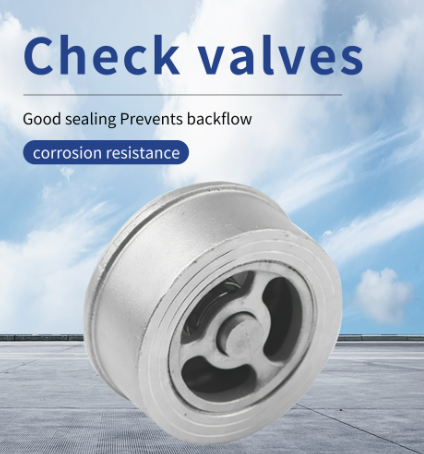
What Are Check Valves?
Check valves, also known as non-return valves or one-way valves, are mechanical devices that allow fluid to flow in only one direction while automatically preventing reverse flow. These self-acting valves operate without external control, responding solely to the pressure differential across the valve.
How Check Valves Work
The operation of a check valve is based on simple physics. When fluid flows in the correct direction, the pressure opens the valve mechanism, allowing passage. When flow attempts to reverse, the valve closes automatically, blocking backward movement. This automatic operation makes check valves reliable and maintenance-friendly components.
Types of Check Valves
Swing Check Valves
Feature a hinged disc that swings open with forward flow and closes against reverse flow. Ideal for large-diameter pipes and low-pressure applications with minimal pressure drop.
Lift Check Valves
Use a piston or ball that lifts vertically to allow flow. Suitable for high-pressure systems and vertical installations where space is limited.
Dual Plate Check Valves
Compact design with two spring-loaded plates. Perfect for space-constrained applications and provides quick closure to prevent water hammer.
Wafer Check Valves
Thin, lightweight design that fits between flanges. Cost-effective solution for various industrial applications with moderate flow requirements.
Ball Check Valves
Utilize a spherical ball that seats against an opening. Excellent for viscous fluids and applications requiring tight shutoff capabilities.
Foot Valves
Specialized check valves with strainers, installed at pump suction lines. Prevent prime loss and protect pumps from debris.
Essential Plumbing Fittings Overview
Plumbing fittings are connectors used to join pipes, change flow direction, regulate flow, and create branch connections. The right fitting selection ensures leak-free joints, proper flow characteristics, and long-term system reliability.
Common Plumbing Fitting Types
- Elbows: Change pipe direction at 45° or 90° angles, available in various materials and connection types
- Tees: Create branch connections, allowing flow division or combination in multiple directions
- Couplings: Connect two pipes of the same diameter in a straight line
- Reducers: Connect pipes of different diameters, available in concentric and eccentric designs
- Unions: Allow easy disconnection for maintenance without cutting pipes
- Caps and Plugs: Seal pipe ends temporarily or permanently
- Crosses: Provide four-way connections for complex piping layouts
- Nipples: Short pipe sections with threaded ends for close connections
Material Selection Guide
Choosing the right material for check valves and fittings is critical for system longevity and performance. Different materials offer varying levels of corrosion resistance, temperature tolerance, and pressure ratings.
| Material | Best Applications | Temperature Range | Key Advantages |
|---|---|---|---|
| Brass | Residential plumbing, HVAC systems | -20°C to 200°C | Corrosion resistant, durable, easy to install |
| Stainless Steel | Industrial, chemical processing, food industry | -200°C to 500°C | Excellent corrosion resistance, high strength |
| PVC/CPVC | Water supply, drainage, chemical handling | 0°C to 95°C | Lightweight, cost-effective, chemical resistant |
| Cast Iron | Municipal water, sewage systems | -10°C to 120°C | High durability, excellent for large diameters |
| Bronze | Marine applications, steam systems | -30°C to 230°C | Superior corrosion resistance, wear resistant |
Installation Best Practices
Proper installation of check valves and plumbing fittings is essential for optimal performance and longevity. Following industry best practices prevents common issues such as leaks, premature failure, and system inefficiencies.
Key Installation Guidelines
- Always verify flow direction arrows on check valves match intended flow direction before installation
- Ensure adequate straight pipe runs upstream and downstream of check valves for proper operation
- Use appropriate thread sealants or gaskets compatible with the fluid being transported
- Avoid installing check valves in positions where gravity affects closure unless specifically designed for it
- Support pipes properly to prevent stress on fittings and valve connections
- Consider water hammer effects and install surge protection when necessary
- Perform pressure testing after installation to verify leak-free connections
- Follow manufacturer specifications for torque values on threaded connections
Common Applications
Check valves and quality plumbing fittings serve diverse industries and applications:
HVAC Systems
Prevent refrigerant backflow, maintain pressure in heating circuits, and protect chillers and boilers from reverse circulation.
Water Supply Systems
Protect potable water from contamination, maintain pressure in multi-story buildings, and prevent back-siphonage.
Industrial Processing
Control chemical flow, protect sensitive equipment, and ensure process integrity in manufacturing operations.
Pump Systems
Prevent reverse rotation, maintain prime, and protect pumps from water hammer damage during shutdown.
Troubleshooting Common Issues
Even with proper installation, check valves and fittings may encounter issues. Understanding common problems helps with quick diagnosis and resolution.
Frequent Problems and Solutions
Valve Chattering or Hammering: Often caused by improper sizing or excessive flow velocity. Solution: Install appropriately sized valves or add dampening devices.
Leaking in Closed Position: May result from debris preventing proper seating or worn sealing surfaces. Solution: Clean valve internals or replace worn components.
Excessive Pressure Drop: Typically indicates undersized valves or partial blockage. Solution: Verify valve sizing and inspect for obstructions.
Premature Failure: Can be caused by operating beyond rated parameters or incompatible materials. Solution: Review application requirements and select appropriate specifications.
Maintenance and Inspection
Regular maintenance extends the life of check valves and plumbing fittings while ensuring reliable operation. Implement a preventive maintenance program tailored to your specific applications.
Maintenance Checklist
- Inspect valves quarterly for signs of leakage, corrosion, or physical damage
- Test valve operation annually by verifying proper opening and closing action
- Clean strainers and filters regularly to prevent debris accumulation
- Check mounting hardware and supports for tightness and integrity
- Monitor system performance indicators for changes suggesting valve issues
- Replace seals and gaskets according to manufacturer recommendations
- Document all inspections and maintenance activities for future reference
Selecting the Right Supplier
Quality matters when it comes to check valves and plumbing fittings. Partnering with a reputable supplier ensures you receive products that meet industry standards and perform reliably in your applications.
When evaluating suppliers, consider factors such as manufacturing certifications, product testing procedures, technical support availability, warranty terms, and delivery capabilities. A reliable supplier should provide comprehensive product documentation, application guidance, and responsive customer service.