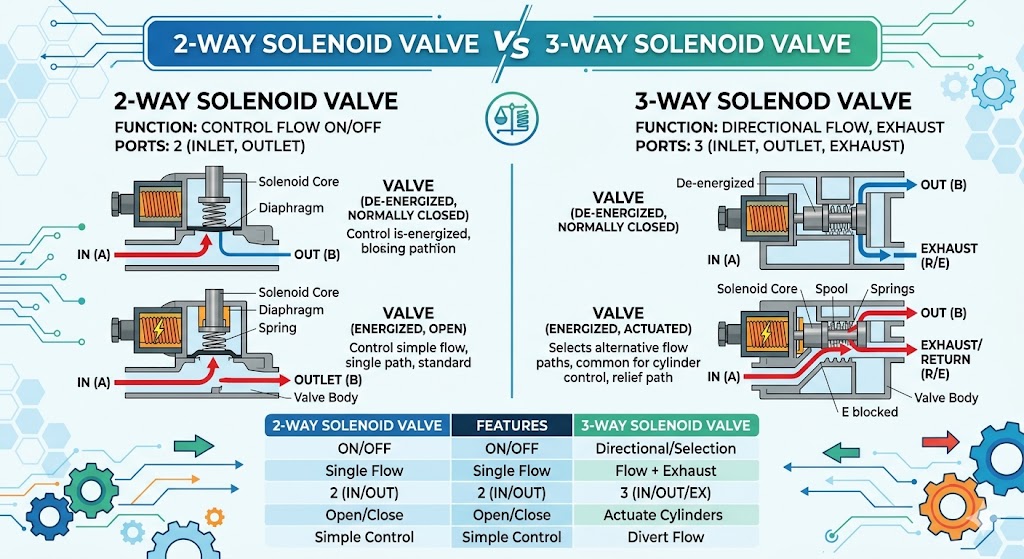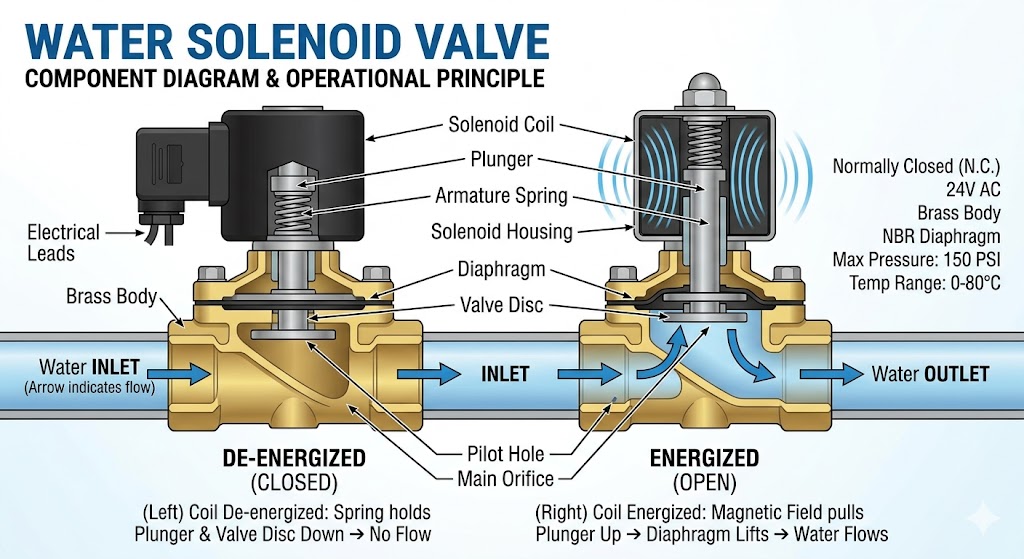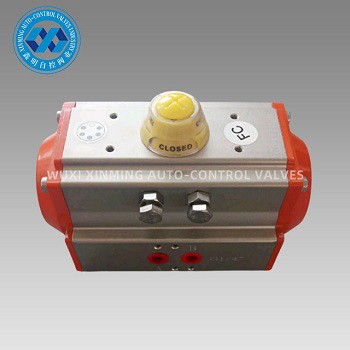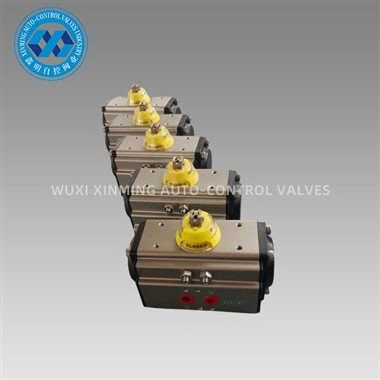
What Are Motorized and Electric Valves?
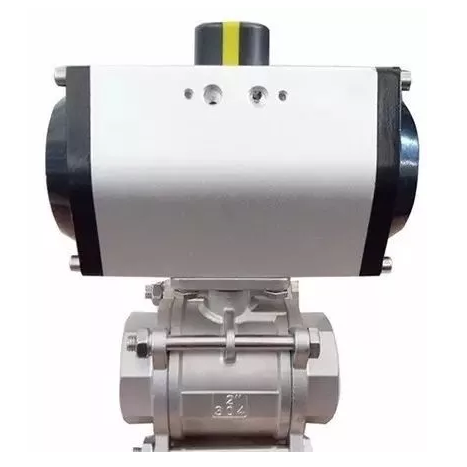
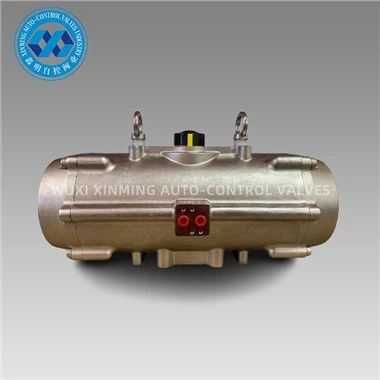
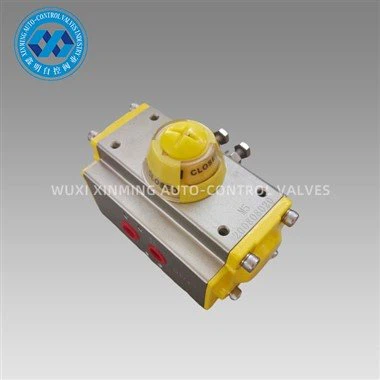
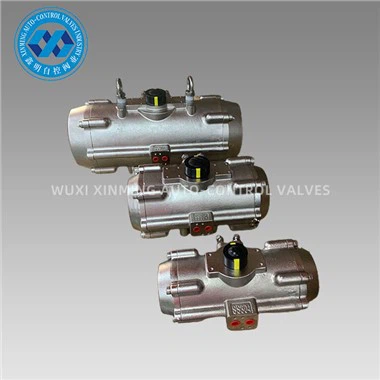
Motorized and electric valves are automated flow control devices that use electrical actuators to regulate the movement of liquids, gases, and steam in industrial processes. Unlike manual valves that require human intervention, these intelligent valves provide remote operation, precise positioning, and automated control capabilities essential for modern industrial automation.
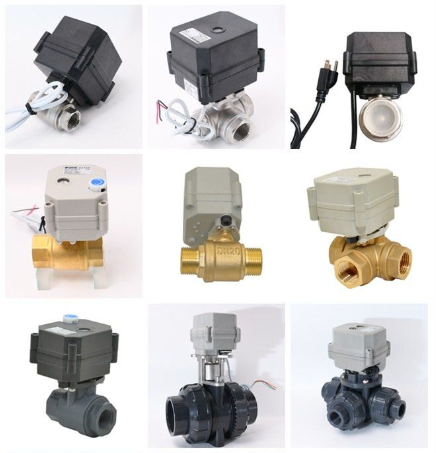
These sophisticated valves integrate electric motors, gear mechanisms, and control systems to achieve accurate flow regulation, making them indispensable components in HVAC systems, water treatment facilities, chemical processing plants, oil and gas industries, and power generation facilities worldwide.
Key Advantage: Motorized valves offer superior precision with positioning accuracy up to ±0.5%, response times as fast as 5-30 seconds, and integration capabilities with PLC, DCS, and SCADA systems for complete process automation.
Types of Motorized and Electric Valves
Motorized ball valves utilize a spherical disc with a bore that rotates 90 degrees to control flow. They provide excellent shut-off capabilities and are ideal for on/off applications requiring quick operation and tight sealing.
Electric butterfly valves feature a rotating disc positioned in the center of the pipe. They offer excellent flow control characteristics, compact design, and cost-effective solutions for large diameter pipelines in water treatment and HVAC applications.
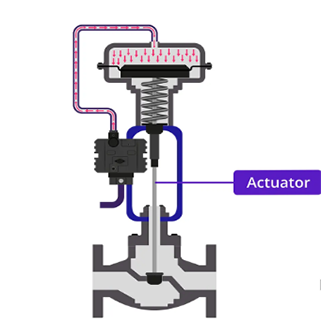
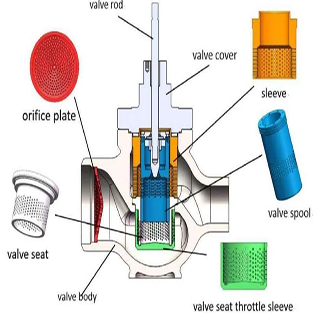
Globe valves with electric actuators provide precise throttling control and excellent regulation capabilities. The linear motion of the plug allows for fine adjustment of flow rates, making them perfect for applications requiring accurate flow modulation.
Motorized gate valves use a wedge-shaped gate that moves perpendicular to the flow direction. They are designed for full open or full closed positions, providing minimal pressure drop when fully open and reliable isolation when closed.
Advanced control valves with electric actuators offer modulating control with proportional, integral, and derivative (PID) control algorithms. These valves provide continuous flow adjustment based on process variables for optimal system performance.
Key Features and Technical Specifications
Precise Positioning Control
Advanced feedback systems ensure accurate valve positioning with resolution up to 0.1%, enabling precise flow regulation and consistent process control.
Multiple Control Signals
Compatible with 4-20mA, 0-10V, Modbus RTU, Profibus, Foundation Fieldbus, and HART communication protocols for seamless system integration.
Intelligent Diagnostics
Built-in diagnostic features monitor valve performance, detect abnormalities, predict maintenance needs, and provide real-time status information.
Fail-Safe Operation
Optional spring-return or battery backup systems ensure safe valve positioning during power failures, protecting critical processes and equipment.
Wide Temperature Range
Operational temperature range from -40°C to +200°C with specialized materials for extreme conditions including cryogenic and high-temperature applications.
Explosion-Proof Certification
ATEX, IECEx, and NEC certified actuators available for hazardous area classifications including Zone 1, Zone 2, Division 1, and Division 2 environments.
Benefits of Motorized and Electric Valves
- Enhanced Operational Efficiency: Automated valve operation reduces manual labor, minimizes human error, and optimizes process parameters for maximum productivity and energy savings.
- Precise Flow Control: Advanced actuator technology enables accurate positioning and modulation, ensuring consistent product quality and process stability across varying operating conditions.
- Remote Monitoring and Control: Integration with industrial networks allows operators to monitor valve status, adjust settings, and troubleshoot issues from centralized control rooms or mobile devices.
- Reduced Maintenance Costs: Predictive maintenance capabilities, self-diagnostic features, and robust construction minimize unplanned downtime and extend service intervals.
- Improved Safety: Automated emergency shutdown capabilities, fail-safe positioning, and elimination of manual valve operation in hazardous areas enhance workplace safety.
- Energy Conservation: Optimized flow control reduces pump energy consumption, minimizes pressure losses, and contributes to sustainable operations and reduced carbon footprint.
- Scalability and Flexibility: Modular design allows easy system expansion, reconfiguration, and adaptation to changing process requirements without major infrastructure modifications.
- Data Logging and Analytics: Comprehensive data collection enables performance analysis, trend monitoring, compliance reporting, and continuous improvement initiatives.
Industrial Applications
HVAC Systems
Precise temperature and humidity control in commercial buildings, data centers, hospitals, and industrial facilities through automated chilled water and steam flow regulation.
Water & Wastewater Treatment
Automated flow control for filtration, chemical dosing, sludge handling, and distribution networks ensuring regulatory compliance and operational efficiency.
Oil & Gas Industry
Critical flow control in upstream, midstream, and downstream operations including wellhead control, pipeline management, and refinery processes.
Chemical Processing
Precise regulation of corrosive fluids, reactive chemicals, and hazardous materials with explosion-proof actuators and specialized materials of construction.
Power Generation
Steam turbine control, feedwater regulation, cooling water management, and emissions control in thermal, nuclear, and renewable energy facilities.
Pharmaceutical Manufacturing
Sanitary valve solutions with CIP/SIP capabilities for sterile processing, batch control, and compliance with FDA and GMP regulations.
Food & Beverage
Hygienic flow control for processing, pasteurization, cleaning systems, and packaging lines meeting strict sanitary standards.
Mining & Minerals
Rugged valve solutions for slurry handling, tailings management, and process water control in harsh mining environments.
Technical Comparison: Motorized vs Pneumatic Valves
| Feature | Motorized/Electric Valves | Pneumatic Valves |
|---|---|---|
| Power Source | Electrical (AC/DC) | Compressed Air |
| Positioning Accuracy | ±0.1% to ±0.5% | ±1% to ±3% |
| Installation Complexity | Simple wiring only | Requires air supply lines |
| Maintenance Requirements | Low - no air filters/dryers | Higher - air system maintenance |
| Response Time | 5-60 seconds (adjustable) | 1-10 seconds (faster) |
| Distance from Controller | Unlimited with proper cabling | Limited by air pressure drop |
| Fail-Safe Options | Battery backup, spring return | Spring return standard |
| Initial Cost | Moderate to High | Lower (but higher total cost) |
| Operating Cost | Lower - no compressor energy | Higher - compressor energy |
| Environmental Impact | No air leaks, energy efficient | Potential air leaks, noise |
Selection Criteria for Motorized Valves
Evaluate flow rates, pressure ratings, temperature ranges, and fluid characteristics including viscosity, corrosivity, and particulate content. Consider whether on/off, throttling, or modulating control is required for your application.
Select appropriate torque or thrust ratings, operating speed, control signal compatibility, and power supply requirements. Ensure the actuator provides sufficient force to overcome process pressures and friction throughout the valve's service life.
Consider ambient temperature, humidity, vibration, and presence of hazardous atmospheres. Choose actuators with appropriate IP ratings (IP65, IP67, IP68) and explosion-proof certifications for your installation environment.
Ensure compatibility with existing control systems including PLCs, DCS, SCADA, and building management systems. Verify communication protocol support and availability of necessary interface modules.
Determine fail-safe requirements, emergency shutdown capabilities, and regulatory compliance needs including SIL ratings, ATEX directives, PED certification, and industry-specific standards.
Installation and Commissioning Best Practices
Pre-Installation Checks: Verify valve and actuator specifications match process requirements, inspect for shipping damage, ensure proper storage conditions, and review installation manuals thoroughly.
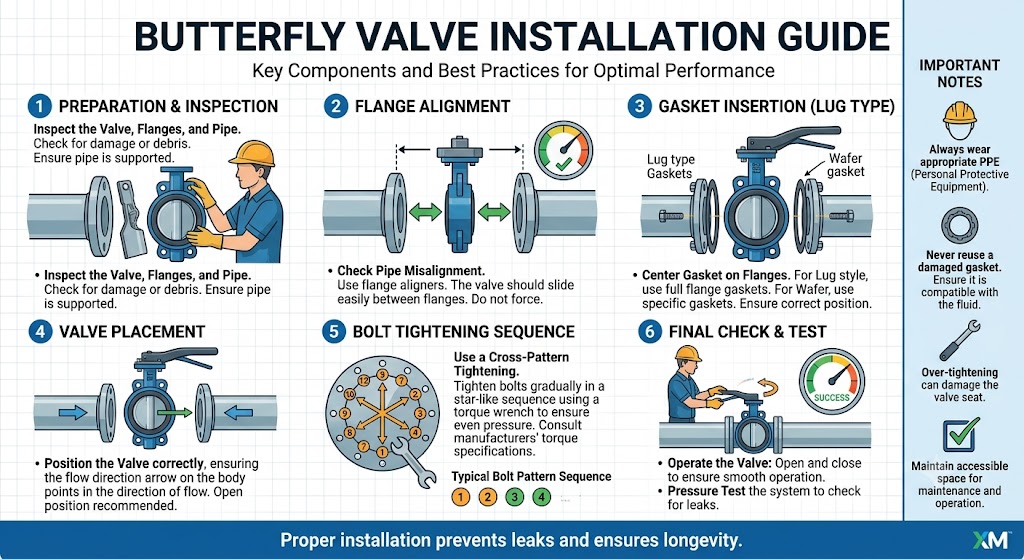
Mounting Considerations: Install valves with adequate clearance for maintenance access, ensure proper pipe alignment to prevent stress on valve body, use appropriate gaskets and bolting procedures, and support heavy actuators independently.
Electrical Connections: Follow wiring diagrams precisely, use shielded cables for analog signals, maintain proper grounding, install surge protection devices, and verify power supply voltage and frequency.
Commissioning Steps: Perform manual operation tests, calibrate position feedback sensors, configure control parameters, test limit switches and torque settings, verify communication with control system, and document all settings.
Maintenance and Troubleshooting
- Monthly: Visual inspection for leaks, unusual noises, or abnormal vibrations; verify indicator lights and display readings
- Quarterly: Check electrical connections for tightness, test emergency shutdown functions, lubricate moving parts if required
- Annually: Full functional testing, calibration verification, actuator performance assessment, replacement of worn components
- Every 3-5 Years: Comprehensive overhaul, seal replacement, motor inspection, gearbox servicing, and complete recalibration
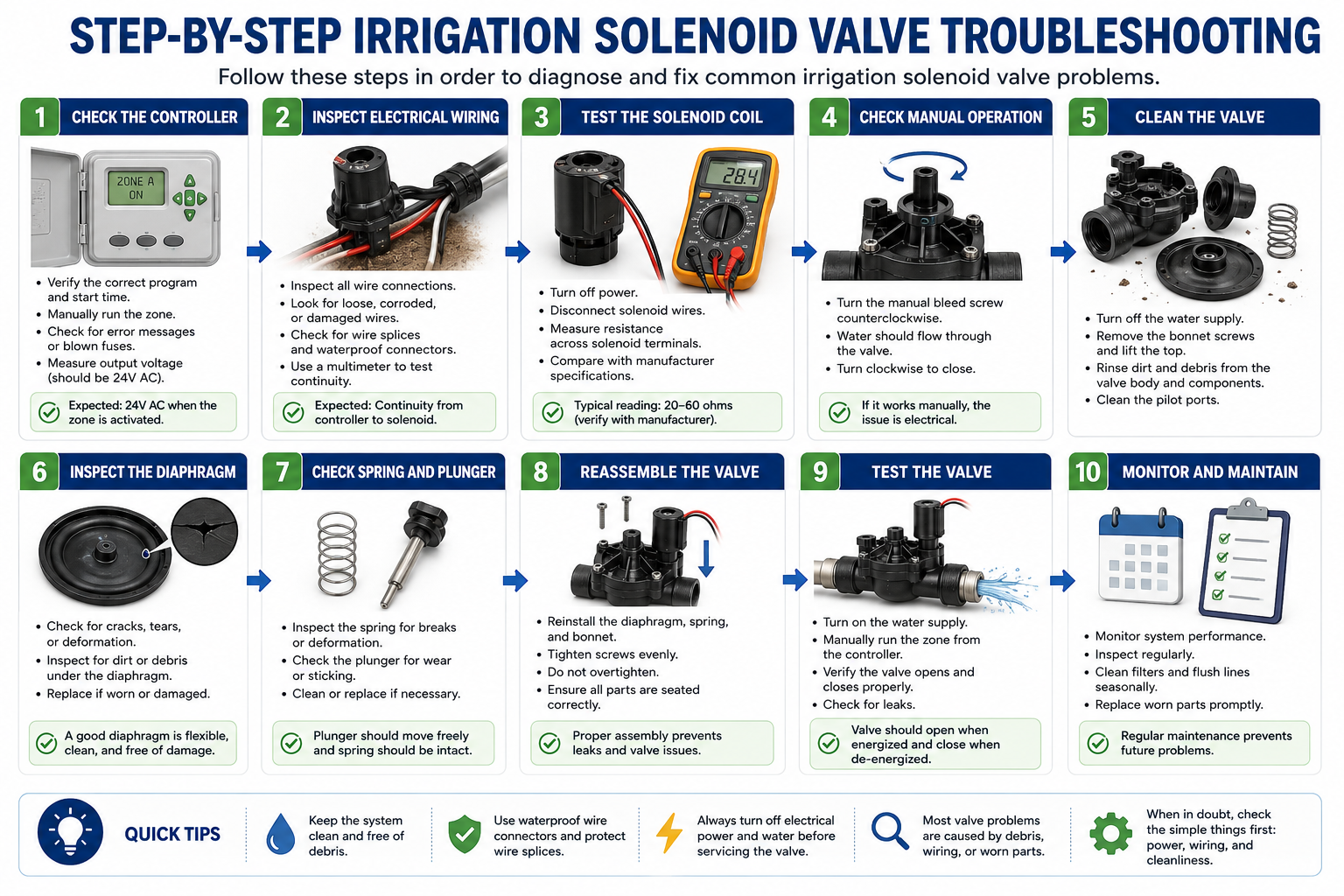
Valve Fails to Operate: Check power supply, verify control signals, inspect fuses and circuit breakers, examine wiring connections, and test motor windings.
Inaccurate Positioning: Recalibrate position sensor, check for mechanical binding, verify feedback signal integrity, adjust PID parameters, and inspect gear mechanism.
Excessive Noise or Vibration: Tighten mounting bolts, check for cavitation or flashing, verify proper sizing, inspect internal components for wear, and reduce operating speed if possible.
Communication Errors: Verify network connections, check termination resistors, confirm address settings, test cable continuity, and update firmware if available.
Future Trends in Motorized Valve Technology
Industry 4.0 Integration
Smart valves with IoT connectivity, cloud-based monitoring, predictive analytics, and digital twin technology for optimized asset management.
Wireless Communication
WirelessHART, ISA100.11a, and proprietary wireless protocols eliminating costly cabling while maintaining reliable data transmission.
Energy Harvesting
Self-powered actuators using piezoelectric, thermoelectric, or kinetic energy harvesting reducing dependency on external power sources.
Advanced Materials
Graphene coatings, ceramic composites, and shape-memory alloys improving durability, corrosion resistance, and performance in extreme conditions.
Frequently Asked Questions
Conclusion
Motorized and electric valves represent the cornerstone of modern industrial automation, offering unparalleled precision, reliability, and control capabilities. From simple on/off applications to complex modulating control strategies, these intelligent devices enable industries to optimize processes, reduce costs, enhance safety, and meet increasingly stringent environmental regulations.
As technology continues to evolve with Industry 4.0 innovations, smart valve solutions will play an even more critical role in creating connected, efficient, and sustainable industrial operations. Selecting the right motorized valve solution requires careful consideration of process requirements, environmental conditions, control system integration, and long-term maintenance strategies.
Investing in quality motorized valves from reputable manufacturers, combined with proper installation, commissioning, and maintenance practices, ensures reliable performance, maximizes return on investment, and supports your facility's operational excellence goals for years to come.
If you want to learn more about low-priced products, please visit the following website: www.xm-valveactuator.com