In the world of industrial piping and fluid control, the gate valve stands as one of the most common and essential components. Whether you are dealing with water supply systems, oil and gas refineries, or chemical processing plants, understanding how these valves operate is crucial for maintaining system efficiency and safety. This comprehensive gate valve guide will walk you through everything you need to know about these robust flow control devices.
What is a Gate Valve?
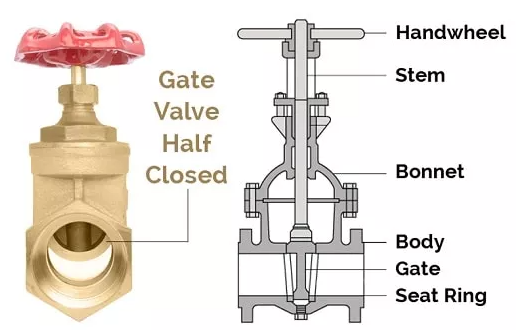
A gate valve is a linear-motion valve used to start or stop the flow of a fluid. It gets its name from the flat or wedge-shaped disc (the "gate") that slides vertically into the flow stream to block it. When the valve is fully open, the gate is drawn entirely into the valve bonnet, leaving the flow passage completely unobstructed. This design results in minimal pressure drop across the valve.
How Does a Gate Valve Work?
The operation of a gate valve is straightforward but highly effective. It consists of a valve body, a seat and disc, a spindle, a gland, and a wheel for operating it. Here is a step-by-step breakdown of its working principle:
- Opening the Valve: When you turn the handwheel counterclockwise, the stem rotates and raises the gate out of the path of the fluid.
- Fully Open State: In this position, there is no resistance to the flow, minimizing friction loss and energy consumption.
- Closing the Valve: Turning the handwheel clockwise forces the gate down into the valve seats, effectively cutting off the flow of the medium.
Main Types of Gate Valves
To make the right choice for your piping system, you must understand the different types available in the market. Gate valves are generally classified by two main criteria: the type of stem and the type of gate.
1. By Stem Design
- Rising Stem Gate Valves: The stem moves up and down as the valve is operated. This provides a clear visual indication of whether the valve is open or closed, but requires more vertical space.
- Non-Rising Stem (NRS) Gate Valves: The gate moves up and down the stem on a threaded path, but the stem itself does not move vertically. These are ideal for underground installations or spaces with limited height.
2. By Gate/Wedge Design
- Solid Wedge: The most common and simple design, offering high mechanical strength. Ideal for turbulent flow.
- Flexible Wedge: Features a cut around the perimeter to improve seating and resolve binding issues caused by thermal expansion.
- Split Wedge (Parallel Disks): Uses two separate discs that seat against parallel plates. Excellent for handling corrosive or high-temperature fluids.
Advantages and Disadvantages
Like any mechanical component, gate valves come with their own set of pros and cons. Evaluating these will help determine if they fit your specific project needs.
| Advantages | Disadvantages |
|---|---|
| Negligible pressure drop when fully open. | Cannot be used for throttling or regulating flow. |
| Bi-directional sealing capability. | Slow operation (requires many turns to open/close). |
| Highly durable and handles high pressures. | Prone to seat and disc wear over time if operated frequently. |
| Prevents fluid hammer due to slow closure. | Requires a large space envelope for installation. |
Common Applications of Gate Valves
Due to their heavy-duty nature and excellent sealing capabilities, gate valves are utilized across a wide spectrum of industries. Common applications include:
- Water and Wastewater Treatment: Used for isolating sections of pipes for maintenance.
- Oil and Gas Industry: Ideal for high-pressure, high-temperature upstream and downstream operations.
- Power Plants: Found in cooling water systems and steam service.
- Marine and Shipbuilding: Used in ballast systems and fuel oil transfer lines.
Maintenance Tips for Longevity
To ensure your gate valves perform reliably for years to come, regular maintenance is required. Always flush the line before operating a valve that has been idle for a long time to prevent debris from damaging the seats. Additionally, lubricate the stem regularly on rising-stem models to ensure smooth operation and prevent seizing.
Need High-Quality Gate Valves for Your Project?
Choosing the right valve can make or break your piping system's efficiency. Contact our team of engineering experts today to find the perfect gate valve tailored to your specific industrial requirements.
Get a Custom Quote NowIf you want to learn more about low-priced products, please visit the following website: www.xm-valveactuator.com