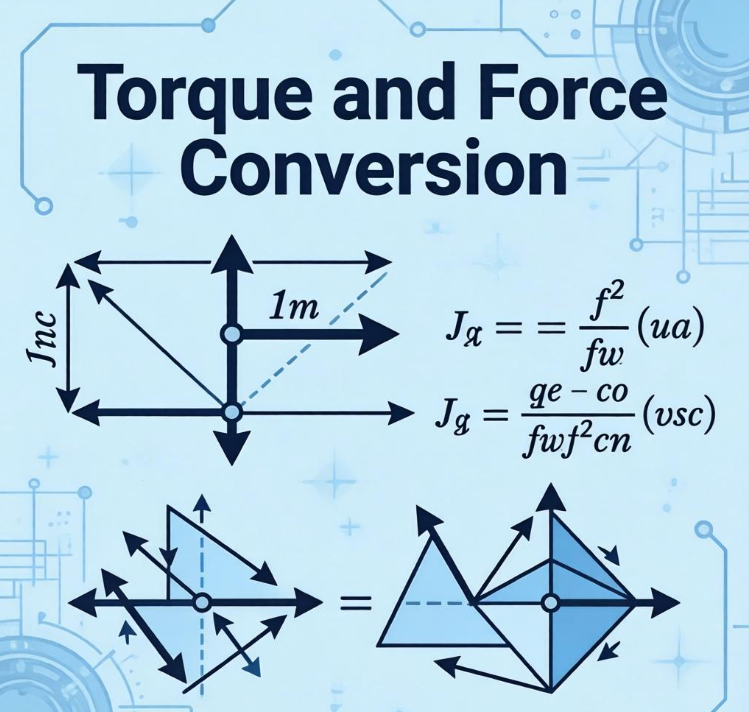
Understanding Force: Basic Concepts
Force is a fundamental physical quantity that causes objects to accelerate or deform. In the International System of Units (SI), force is measured in Newtons (N). One Newton is defined as the force required to accelerate a mass of one kilogram at a rate of one meter per second squared. Force is a vector quantity, meaning it has both magnitude and direction.
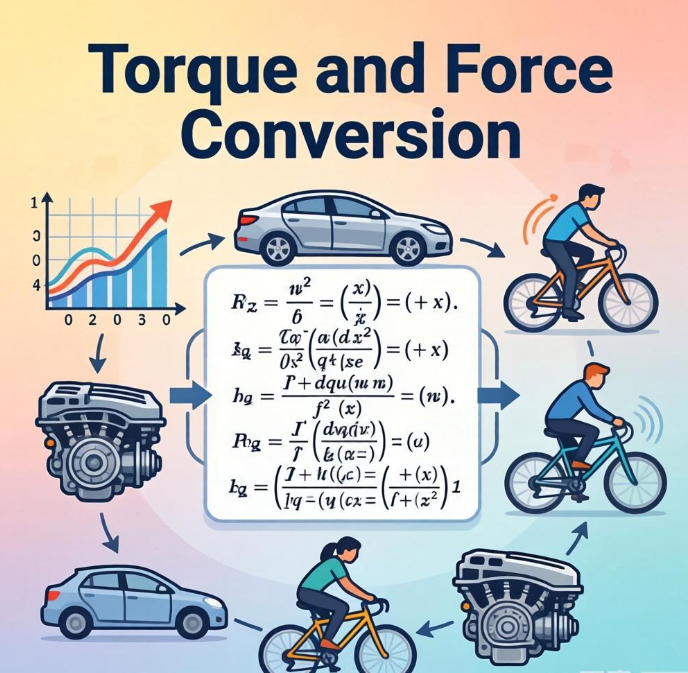
The relationship between force, mass, and acceleration is described by Newton's Second Law of Motion: Force equals mass times acceleration (F = ma). This fundamental equation forms the basis for all force calculations in classical mechanics.
Common Force Units
Different industries and regions use various units to measure force. Understanding these units and their relationships is crucial for accurate calculations and conversions.
Newton (N)
The SI derived unit of force. Named after Sir Isaac Newton. One Newton is the force required to give a mass of 1 kg an acceleration of 1 m/s².
- Standard international unit
- Used in scientific calculations
- Preferred in engineering documentation
Pound-force (lbf)
The imperial unit of force commonly used in the United States. Defined as the force exerted by gravity on one pound of mass at standard gravity.
- Standard in US engineering
- Used in automotive industry
- Common in construction documents
Kilonewton (kN)
Equal to 1,000 Newtons. Commonly used for larger force measurements in structural engineering and mechanical applications.
- Structural load calculations
- Heavy machinery specifications
- Load testing documentation
Dyne (dyn)
The CGS unit of force, equal to 10⁻⁵ Newtons. Still used in some scientific and engineering contexts, particularly in older literature.
- Centimeter-gram-second system
- Physics applications
- Historical documentation
Understanding Torque: Definition and Principles
Torque, also known as moment of force, is a rotational force that causes an object to rotate around an axis. Unlike force, which produces linear acceleration, torque produces angular acceleration. Understanding torque is essential for designing mechanical systems, from simple wrenches to complex machinery.
Torque is calculated by multiplying force by the perpendicular distance from the axis of rotation to the line of action of the force. This relationship makes torque a function of both the magnitude of the force applied and the lever arm length.
When the force is applied perpendicular to the lever arm (θ = 90°), the formula simplifies to τ = r × F. This perpendicular application produces maximum torque and is the most efficient configuration for rotational force transmission.
Key Characteristics of Torque
Direction of Rotation
Torque can be clockwise (CW) or counterclockwise (CCW), depending on the direction of force application relative to the pivot point.
Vector QuantityMagnitude Dependence
Torque magnitude depends on both force magnitude and lever arm length. Doubling either effectively doubles the torque.
Proportional RelationshipAngle Effect
The angle of force application significantly affects torque. Maximum torque occurs at 90°, zero torque at 0° or 180°.
Trigonometric FunctionPoint of Application
The location where force is applied determines the effective lever arm and therefore the resulting torque.
Position DependentTorque and Force Conversion: Complete Unit Tables
Converting between torque and force units requires understanding the relationships between different measurement systems. The following tables provide comprehensive conversion factors for accurate calculations.
Torque Unit Conversions
| From/To | Newton-meters (N·m) | Foot-pounds (ft·lbf) | Inch-pounds (in·lbf) | Kilonewton-meters (kN·m) |
|---|---|---|---|---|
| 1 N·m | 1 | 0.7376 | 8.851 | 0.001 |
| 1 ft·lbf | 1.356 | 1 | 12 | 0.001356 |
| 1 in·lbf | 0.113 | 0.0833 | 1 | 0.000113 |
| 1 kN·m | 1000 | 737.6 | 8851 | 1 |
| 1 kgf·m | 9.807 | 7.233 | 86.796 | 0.009807 |
| 1 dyn·cm | 0.0000001 | 0.0000000738 | 0.000000885 | 1×10⁻¹⁰ |
Force Unit Conversions
| From/To | Newtons (N) | Pound-force (lbf) | Kilonewtons (kN) | Kilograms-force (kgf) |
|---|---|---|---|---|
| 1 N | 1 | 0.2248 | 0.001 | 0.102 |
| 1 lbf | 4.448 | 1 | 0.004448 | 0.454 |
| 1 kN | 1000 | 224.8 | 1 | 102.0 |
| 1 kgf | 9.807 | 2.205 | 0.009807 | 1 |
| 1 dyn | 0.00001 | 0.00000225 | 1×10⁻⁸ | 1.02×10⁻⁶ |
Quick Conversion Reference
1 N·m = 0.7376 ft·lbf = 8.851 in·lbf | 1 ft·lbf = 12 in·lbf = 1.356 N·m | 1 in·lbf = 0.113 N·m | 1 kN·m = 1000 N·m = 737.6 ft·lbf
Force and Torque Conversion Formulas
Understanding the mathematical relationships between force and torque allows for accurate calculations in engineering applications. These formulas form the foundation for mechanical design and analysis.
Fundamental Formulas
Force Calculation
Basic Force Equation:
F = m × a (Force = Mass × Acceleration)
Gravity Force:
F = m × g (Force = Mass × Gravitational Acceleration)
Where g ≈ 9.81 m/s² (Earth's gravity)
Torque Calculation
Basic Torque Equation:
τ = F × r (Torque = Force × Lever Arm Distance)
General Torque Equation:
τ = F × r × sin(θ) (Torque = Force × Lever Arm × sin(angle))
Torque from Power:
τ = P / ω (Torque = Power / Angular Velocity)
Rotational Kinematics
Power = Torque × Angular Velocity
P = τ × ω
Where ω = 2π × RPM / 60
- Power transmission calculations
- Motor sizing applications
- Drive system design
Work and Energy
Work = Force × Distance
W = F × d
Torque Work = Torque × Angular Displacement
W = τ × θ
- Energy calculations
- Efficiency analysis
- Performance testing
Practical Calculation Examples
Converting Newton-meters to Foot-pounds
To convert 50 N·m to ft·lbf: Multiply by 0.7376. Result: 50 × 0.7376 = 36.88 ft·lbf
Converting Inch-pounds to Newton-meters
To convert 100 in·lbf to N·m: Multiply by 0.113. Result: 100 × 0.113 = 11.3 N·m
Calculating Torque from Force
Given: Force = 200 N, Lever arm = 0.5 m, Angle = 90°. Torque = 200 × 0.5 × sin(90°) = 100 N·m
Calculating Force from Torque
Given: Torque = 75 N·m, Lever arm = 0.3 m. Force = 75 / 0.3 = 250 N perpendicular to lever arm
Practical Applications of Torque and Force Conversion
Understanding torque and force conversion is essential across numerous industries and applications. From automotive repair to structural engineering, accurate torque and force calculations ensure safety, reliability, and performance.
Industrial Applications
Automotive Industry
Engine assembly, wheel lug nuts, cylinder head bolts
Structural Engineering
Bolt preload, anchor forces, load calculations
Aerospace
Aircraft assembly, turbine maintenance, safety-critical fasteners
Manufacturing
Assembly lines, quality control, product testing
Industry-Specific Requirements
Automotive Applications
Wheel lug nuts typically require 80-120 ft·lbf (110-160 N·m). Engine bolts may need 25-90 ft·lbf depending on size and location. Always consult manufacturer specifications.
- Critical safety fasteners
- Proper preload for gasket sealing
- Avoid over-tightening damage
Structural Steel
High-strength bolts typically specified in kN·m. Common ranges: 200-400 N·m for M20-M24 bolts. Preload calculations critical for joint integrity.
- Load distribution analysis
- Connection design
- Safety factor considerations
Pipe Flanges
Flange bolts require precise torque to ensure proper sealing. Gasket materials and bolt patterns affect target torque values significantly.
- Gas and fluid containment
- Leak prevention
- Maintenance accessibility
Precision Equipment
Delicate assemblies require very controlled torque application. Torque limiting tools ensure consistent preload without damage.
- Electronics manufacturing
- Medical devices
- Optical instruments
Tools and Equipment for Torque Application
Using the correct tools ensures accurate torque application and reliable results. Different tools offer varying levels of precision and are suited for specific applications.
Click-Type Torque Wrench
Most common torque tool for general applications. Emits an audible click when preset torque is reached. Requires skill to use effectively.
- Adjustable torque settings
- Durable and reliable
- Calibration required periodically
Beam Torque Wrench
Mechanical deflection type showing torque reading directly on scale. Simple and accurate, no batteries required.
- Direct reading display
- No calibration drift
- Requires good visibility
Digital Torque Wrench
Electronic torque measurement with digital display. Often includes data logging, peak hold, and multiple units.
- High precision readings
- USB data export
- Battery powered
Hydraulic Torque Wrench
Used for very high torque applications, typically above 1,000 N·m. Provides consistent, accurate torque output.
- Heavy industrial use
- Precise control
- Specialized equipment
Tool Selection Guide
Choose torque tools based on: required torque range, accuracy requirements, accessibility of fastener, environmental conditions, and frequency of use. Investing in quality tools ensures accurate results and reduces fastener damage.
Accuracy and Calibration
Maintaining accurate torque tools is essential for reliable results. Regular calibration ensures traceability to national standards and compliance with quality management systems.
Factors Affecting Torque Accuracy
- Temperature variations affecting tool calibration and coefficient of friction
- Worn or damaged tool components including drive squares and deflection mechanisms
- Operator technique and interpretation of torque indicators
- Thread condition and lubrication affecting friction coefficients
- Surface condition of fasteners and mating threads
- Calibration interval and tool age
Calibration Best Practices
Calibration Schedule Recommendations
High-Use Tools (Daily): Calibrate before each use or weekly, depending on frequency and criticality of applications.
Standard Tools: Calibrate every 6-12 months or after 5,000 cycles.
Reference Standards: Calibrate annually against traceable standards.
After Damage or Drop: Always calibrate after any impact or suspected malfunction.
Critical Calibration Note
Torque tools should only be calibrated by accredited laboratories with traceable standards. Calibration certificates must document measurement uncertainty and reference conditions. Keep detailed records of all calibration activities for quality assurance compliance.
Safety Considerations
Essential Safety Guidelines
⚠️ Personal Protective Equipment: Always wear appropriate safety glasses and gloves when applying torque to fasteners. Flying debris and unexpected releases pose injury risks.
⚠️ Proper Technique: Pull the wrench handle smoothly and consistently. Jerky movements can cause inaccurate readings and potential injury.
⚠️ Secure Workpiece: Ensure all workpieces are properly secured before applying torque. Unexpected movement can cause tool slip and injury.
⚠️ Tool Condition: Inspect torque tools before each use. Damaged or worn tools can fail catastrophically under load.
⚠️ Environment: Consider environmental factors including temperature, slippery surfaces, and confined spaces that may affect safety during torque application.
Common Safety Mistakes to Avoid
Over-Tightening
Exceeding specified torque can strip threads, deform components, or cause catastrophic failure. Always verify torque specifications before tightening.
Under-Tightening
Insufficient preload leads to loosening, vibration damage, and joint failure. Use calibrated tools to ensure proper torque application.
Wrong Units
Confusing N·m with ft·lbf or in·lbf can result in 10-100x errors. Always double-check unit conversions before setting torque values.
Using Wrong Tool
Impact wrenches can easily exceed target torque. Use controlled torque tools for specifications requiring precise values.
Advanced Topics in Torque and Force
Beyond basic conversions and applications, understanding advanced torque concepts enables more sophisticated engineering solutions and problem-solving capabilities.
Torque Multipliers and Reduction
Torque multipliers increase the output torque relative to input torque through mechanical advantage. Understanding these systems is crucial for heavy-duty applications.
Torque Multiplier Systems
Gear Reducers: Typical ratios of 3:1 to 25:1 multiply input torque while reducing input speed. Efficiency losses of 10-30% must be considered.
Hydraulic Torque Tools: Provide high torque output with controlled accuracy. Common in oil and gas, power generation, and heavy manufacturing.
Pneumatic Torque Wrenches: Offer consistent torque control for production environments. Speed and power density advantages over electric tools.
Dynamic vs Static Torque
Static Torque
Torque applied to a stationary or slowly moving fastener. Measured when the joint is not rotating. This is what torque wrenches typically measure.
- Preload calculation basis
- Quality control measurements
- Specification compliance testing
Dynamic Torque
Torque measured during actual fastener rotation. Affected by friction, acceleration, and inertia. Generally higher than static torque for the same preload.
- Field verification
- Impact wrench torque
- Running torque measurements
Bolt Clamp Load and Torque Relationship
The relationship between applied torque and resulting clamp load depends on friction coefficients and thread geometry. This relationship allows torque specifications to achieve target preload values.
Frequently Asked Questions
What is the difference between torque and force?
Force is a linear push or pull acting on an object, measured in Newtons or pounds-force. Torque is a rotational force that tends to cause rotation around an axis, measured in Newton-meters or foot-pounds. While force causes linear acceleration, torque causes angular acceleration. Torque can be thought of as force applied at a distance from a pivot point.
How do I convert Newton-meters to foot-pounds?
To convert Newton-meters to foot-pounds, multiply by 0.7376. For example, 100 N·m equals approximately 73.76 ft·lbf. Conversely, to convert foot-pounds to Newton-meters, multiply by 1.356.
What is the formula for calculating torque?
The basic torque formula is τ = F × r, where τ is torque, F is force applied perpendicular to the lever arm, and r is the distance from the center of rotation to the point of force application. For non-perpendicular force application, use τ = F × r × sin(θ), where θ is the angle between force and lever arm.
Why is my torque wrench making a clicking sound?
Click-type torque wrenches are designed to click when the preset torque is reached. The click signals that you should stop applying force. Continue to hold steady pressure until you can safely secure the fastener in place. If the wrench clicks before reaching the target torque, verify the setting is correct.
How often should I calibrate my torque wrench?
Torque wrenches should be calibrated annually under normal use conditions. For critical applications or frequent use (daily or weekly), consider calibration every 6 months or after 5,000 cycles. Always calibrate after dropping the wrench or if you suspect accuracy problems.
What is the difference between in-lbs and ft-lbs?
Inch-pounds (in·lbf or in-lbs) and foot-pounds (ft·lbf or ft-lbs) are both units of torque. One foot-pound equals 12 inch-pounds. To convert, multiply or divide by 12. For example, 120 in·lbf = 10 ft·lbf.
Can I use an impact wrench for precise torque application?
Impact wrenches are not recommended for applications requiring precise torque specifications. They deliver impact torque with significant variability. Use a calibrated torque wrench or torque multiplier for accurate, controlled torque application to specification.
What affects the accuracy of torque measurements?
Key factors affecting torque accuracy include tool calibration state, temperature variations, operator technique, thread lubrication and condition, surface finish of mating components, and the quality of the torque tool itself. Regular calibration and proper technique minimize measurement errors.
Conclusion
Torque and force conversion are fundamental skills for engineers, technicians, and professionals working with mechanical systems. Understanding unit conversions, formulas, and practical applications ensures accurate calculations and reliable results in all engineering work.
Mastering torque and force concepts enables proper fastener application, accurate machinery design, and effective troubleshooting of mechanical systems. The relationships between force, torque, and mechanical advantage form the basis for virtually all mechanical engineering calculations.
Invest time in understanding these fundamental principles and practice applying them in real-world situations. Accurate torque and force calculations prevent costly errors, ensure safety, and contribute to reliable mechanical systems that perform as designed.
Remember that proper tools, regular calibration, and adherence to specifications are essential for achieving and verifying accurate results. When in doubt, consult manufacturer documentation and engineering references to ensure your calculations and applications meet all requirements.
If you want to learn more about low-priced products, please visit the following website: www.xm-valveactuator.com