What Are Furnace Limit Switches?
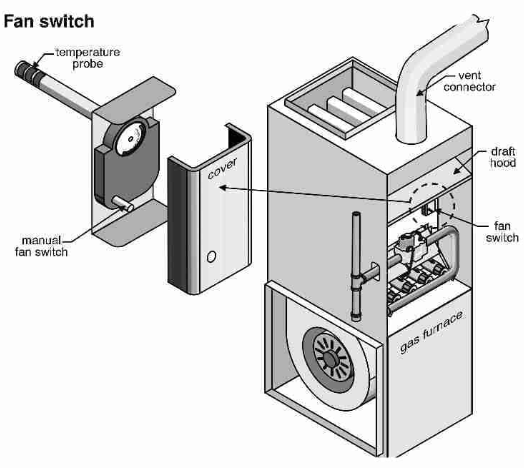
Furnace limit switches, also known as limit controls or high limit switches, are safety devices designed to prevent your furnace from overheating. They monitor the temperature within the furnace cabinet and automatically shut down the heating system if temperatures exceed safe levels. This protection mechanism prevents damage to heat exchangers, motors, and other critical components while safeguarding your home against fire hazards.
These switches are failsafe devices that provide a crucial layer of protection in every forced-air heating system. Modern furnaces typically have multiple safety switches working together in a coordinated system. When any safety device detects an abnormal condition, it interrupts the electrical circuit that controls the gas valve or heating element, stopping the heating process immediately.
How Furnace Limit Switches Protect Your System
Furnace limit switches continuously monitor cabinet temperature through a sensor probe or bimetallic element. When temperature rises above the setpoint (typically 150-200°F), the switch opens the electrical circuit, stopping the burner. Once temperature drops below the reset threshold (usually 20-40°F lower), the switch automatically closes, allowing the furnace to restart. This automatic cycling protects against dangerous overheating conditions while maintaining comfortable temperatures.
Types of Furnace Limit Switches
Understanding the different types of limit switches helps in troubleshooting and replacement decisions. Each type serves a specific function and has unique characteristics that make it suitable for particular applications within the heating system.
High Limit Switch
The high limit switch is the primary temperature monitoring device in a furnace. Located on or near the furnace heat exchanger, it monitors air temperature leaving the heat exchanger. When air temperature exceeds safe levels (typically above 150-180°F), the switch opens and shuts down the burner. High limit switches are designed to trip when airflow is restricted or when the heat exchanger is overheating.
Manual Reset High Limit
Requires manual intervention to reset after tripping. Used in applications where automatic reset could pose safety risks. Common in commercial furnaces and older residential units.
- Enhanced safety features
- Requires technician inspection
- Prevents automatic restart
Automatic Reset High Limit
Automatically resets once temperature returns to normal levels. More convenient for residential use but may mask underlying problems if repeatedly tripping.
- Self-resetting capability
- Suitable for residential furnaces
- Monitors normal operation
Rollout Switch
The rollout switch is a critical safety device positioned near the burner area. It detects flames or high temperatures that have "rolled out" of the combustion chamber, indicating a serious problem with the burner or heat exchanger. When triggered, rollout switches immediately shut off the gas supply to prevent potential fire hazards.
Flame Rollout Detection
Detects actual flames escaping the combustion area. Usually a manual-reset device requiring physical inspection and troubleshooting before restart. Indicates serious combustion problems.
Safety CriticalTemperature Rollout Detection
Senses excessive temperatures near the burner box. May be manual or automatic reset depending on manufacturer specifications. Indicates blocked flue or heat exchanger issues.
Code RequiredPressure Switch
The pressure switch verifies proper draft conditions by monitoring air pressure in the flue pipe or combustion chamber. In induced draft furnaces, it ensures the draft inducer motor is operating correctly before allowing the gas valve to open. A pressure switch that fails to close indicates inadequate draft, preventing dangerous gas buildup.
Proving Draft Safety
Confirms that combustion gases are properly vented before ignition. Prevents operation with blocked or inadequate venting. Critical for high-efficiency condensing furnaces.
- Draft verification
- Pre-ignition check
- Condensate management
Manifold Pressure Sensing
Monitors gas manifold pressure to ensure proper gas flow. Helps detect regulator issues or line pressure problems. Essential for modulating furnaces.
- Gas pressure monitoring
- Gas valve protection
- Performance optimization
Temperature Limit Switch
Temperature limit switches monitor specific areas of the furnace to prevent localized overheating. These switches may be located on the blower housing, supply plenum, or other critical areas. They provide granular temperature monitoring beyond what a single high limit switch can offer.
Understanding Furnace Safety Controls
Furnace safety controls work together as an integrated system to ensure safe and efficient operation. Each component plays a specific role in monitoring conditions and preventing unsafe operation. Understanding how these controls interact helps in diagnosing problems and maintaining safe operation.
Integrated Safety System Components
Flame Sensor
Detects the presence of flame in the burner assembly using a thermocouple or flame rod. If no flame is detected during the ignition sequence, the gas valve closes immediately. Prevents unburned gas from entering the system.
Critical SafetyIgnition Control Module
Electronic control unit that manages the ignition sequence, including spark ignition or hot surface igniter activation. Monitors flame presence and controls gas valve operation based on safety inputs.
Draft Inducer Motor
Creates negative pressure to draw combustion gases through the heat exchanger and vent pipe. Pressure switch confirms proper operation before allowing gas valve to open. Essential for sealed combustion furnaces.
Transformer
Steps down household voltage (120V) to low voltage (24V) for control circuit operation. Provides stable power for thermostat signals and control module operation. Critical for all control circuit safety devices.
Sequencing and Interlock Logic
Modern furnaces use sophisticated control logic to ensure safe operation. The sequence of operation typically follows a specific pattern: draft inducer starts, pressure switch confirms draft, ignition system activates, gas valve opens, flame sensor confirms combustion, and blower motor starts after warm-up period.
Typical Furnace Safety Sequence
- Thermostat Signal: Calls for heat initiates the safety sequence
- Draft Verification: Inducer motor starts, pressure switch closes
- Pre-Purge: Brief period allows draft stabilization
- Ignition: Hot surface igniter or spark activates
- Gas Valve Opening: Gas flows after ignition confirmed
- Flame Detection: Flame rod confirms stable combustion
- Heat Exchange: Warm air circulates through system
- Blower Operation: Fan starts after heat exchanger warms
Safety Interlock Principle
Furnace safety controls are interconnected in a fail-safe manner. If any safety device opens, the gas valve cannot remain open. This interlocking ensures that dangerous conditions trigger immediate shutdown regardless of other system conditions.
How Limit Switches Work: Technical Details
Understanding the operating principles of limit switches helps in proper diagnosis and troubleshooting. Different switch types use various mechanisms to detect temperature changes and respond appropriately.
Bimetallic Temperature Sensors
Many limit switches use bimetallic strips that consist of two different metals bonded together. When heated, these metals expand at different rates, causing the strip to bend. This bending action opens or closes electrical contacts. Bimetallic switches are reliable, inexpensive, and provide consistent operation over many cycles.
Hydraulic Temperature Sensors
Some high limit switches use a hydraulic sensing element filled with a wax-like substance that expands when heated. This expansion pushes a rod that opens electrical contacts. Hydraulic sensors provide precise temperature control and are commonly found in newer furnace models.
Electronic Temperature Sensors
Modern high-efficiency furnaces often use electronic temperature sensors connected to the main control board. These sensors provide precise temperature readings and can communicate with the control system for advanced diagnostics and monitoring capabilities.
| Switch Type | Operating Principle | Response Time | Common Applications |
|---|---|---|---|
| Bimetallic Limit | Metal expansion differential | Moderate (30-60 sec) | Standard efficiency furnaces |
| Hydraulic Limit | Wax element expansion | Fast (10-20 sec) | Mid-efficiency furnaces |
| Electronic Sensor | Thermistor/thermocouple | Instant (< 1 sec) | High-efficiency modulating furnaces |
| Pressure Transducer | Air pressure differential | Instant | Condensing furnaces |
Common Safety Control Problems and Symptoms
Recognizing the symptoms of safety control failures helps in timely diagnosis and repair. Understanding whether problems stem from safety device failures or underlying system issues is crucial for proper troubleshooting.
Frequent Limit Switch Tripping
If your furnace limit switch trips frequently, it indicates excessive temperatures that need investigation. Common causes include restricted airflow from dirty filters, blocked supply or return vents, malfunctioning blower motor, or ductwork problems. Never ignore repeated limit switch trips as they signal potentially dangerous conditions.
Dirty Air Filter
Symptom: High limit trips after extended run time
Solution: Replace air filter monthly during heating season
Prevention: Regular maintenance schedule
Blower Motor Failure
Symptom: Limit trips shortly after ignition
Solution: Test motor capacitor and bearings
Prevention: Annual professional inspection
Blocked Vents
Symptom: Rooms feel warm but cabinet overheats
Solution: Check all supply and return vents
Prevention: Keep vents unobstructed
Restricted Ductwork
Symptom: Elevated temperatures throughout system
Solution: Professional duct inspection and cleaning
Prevention: Proper duct design and sizing
Pressure Switch Problems
Pressure switch failures prevent furnace operation by detecting abnormal draft conditions. These switches may fail to close initially or may open during operation, causing intermittent heating problems.
Pressure Switch Diagnostic Steps
Step 1: Check for obstructions in flue pipe and condensate drain
Step 2: Verify draft inducer motor is operating
Step 3: Measure voltage to pressure switch during call for heat
Step 4: Check pressure switch hoses for cracks or disconnects
Step 5: Test switch contacts with multimeter for continuity
Step 6: Inspect vent termination for blockages or ice buildup
Flame Sensor Issues
A dirty or failing flame sensor can cause intermittent ignition failures. The sensor rod accumulates carbon deposits over time, reducing its ability to detect flame presence. Regular cleaning extends flame sensor life and ensures reliable operation.
Warning: Flame Rollout Detection
If your rollout switch has tripped, do not reset it and continue operating the furnace. Rollout indicates dangerous conditions that require professional diagnosis. Continuing to operate a furnace with rollout problems creates fire hazards and carbon monoxide risks.
Installation and Replacement Guidelines
Proper installation of limit switches and safety controls is critical for system safety and performance. Incorrect installation can create dangerous conditions or cause premature component failure. Always follow manufacturer specifications and local codes.
When to Replace Safety Controls
- Switch has tripped multiple times and shows signs of wear
- Physical damage to switch housing or wiring connections
- Switch fails to trip at specified temperature during testing
- Corrosion or oxidation on electrical terminals
- Switch has exceeded its service life (typically 10-15 years)
- Manufacturer recall or updated replacement part available
- During major furnace repairs or component upgrades
Installation Steps
Turn Off Power and Gas
Disconnect electrical power at the circuit breaker and shut off the gas supply valve. Verify power is off with a voltage tester before beginning work. Safety should never be compromised during service procedures.
Locate and Document Original Setup
Take photos of the existing switch installation including wiring connections and mounting position. Note wire colors and terminal positions for reference during reassembly.
Remove Old Switch
Disconnect electrical leads and remove mounting screws or clips. Handle the old switch carefully to avoid damage to surrounding components. Note the orientation and mounting location for proper replacement positioning.
Install New Switch
Position the new switch exactly as the original was installed. Use manufacturer-specified mounting hardware and torque settings. Ensure proper contact with heat source for accurate temperature sensing.
Connect Wiring
Reconnect wires matching the original configuration. Ensure all connections are secure and properly insulated. Use wire nuts or terminal connectors as specified by the manufacturer.
Restore Power and Test
Turn on power and initiate a call for heat. Observe the furnace through several heating cycles to verify proper operation. Check for any error codes or abnormal sounds during startup and operation.
Professional Recommendation
While some homeowners may be comfortable replacing basic limit switches, complex safety control systems should be serviced by qualified HVAC professionals. Improper repairs can create dangerous conditions and void furnace warranties.
Maintenance and Testing Procedures
Regular maintenance ensures safety controls function properly throughout the heating season. Establishing a preventive maintenance schedule catches problems early and extends equipment life.
Annual Inspection Checklist
Visual Inspection
Check for: Physical damage, corrosion, loose connections, frayed wiring, and proper mounting. Inspect switch housings for cracks or discoloration indicating overheating. Verify all safety labels and markings are legible.
Electrical Testing
Test for: Proper voltage at switches during operation, continuity when closed, and appropriate resistance values. Document all readings for comparison with future tests and manufacturer specifications.
Temperature Testing
Verify: Switches trip at specified temperatures. Use calibrated thermometer to verify cabinet temperatures correlate with switch operation. Test manual reset switches for proper latching.
System Performance
Monitor: Cycle times, temperature rise, and error code history. Modern furnaces store fault codes that provide valuable diagnostic information. Review error history during annual service.
Cleaning Procedures
Keeping safety control components clean ensures accurate sensing and reliable operation. Use appropriate cleaning methods for each component type.
Component Cleaning Guidelines
Flame Sensor Cleaning: Remove sensor rod and clean with fine steel wool or abrasive pad. Avoid using chemicals that could leave residues. Reinstall with proper torque specifications.
Pressure Switch Hoses: Inspect hoses for cracks, kinks, or debris. Clean with compressed air if needed. Replace hoses showing any signs of deterioration.
Heat Exchanger Area: Remove accumulated dust and debris from around limit switches. Ensure switches maintain proper contact with sensing surfaces. Avoid blocking airflow to limit switch sensing elements.
Draft Inducer Fan: Clean fan wheel and housing to ensure proper airflow. Check for proper motor operation and unusual sounds. Verify mounting bolts are tight.
Documentation Best Practice
Keep detailed records of all maintenance activities, test results, and component replacements. This documentation helps identify recurring problems, supports warranty claims, and provides valuable information for future service technicians.
Troubleshooting Guide
Systematic troubleshooting identifies the root cause of safety control problems. Follow established procedures to diagnose issues efficiently and avoid misdiagnosis.
Furnace Not Running: Diagnostic Flowchart
| Symptom | Possible Cause | Diagnostic Check | Resolution |
|---|---|---|---|
| No power to furnace | Circuit breaker tripped | Check breaker panel | Reset breaker, investigate cause |
| No heat call signal | Thermostat malfunction | Measure thermostat output | Replace thermostat batteries, upgrade |
| Inducer won't start | Pressure switch stuck | Check switch continuity | Clean or replace pressure switch |
| No ignition | Flame sensor dirty | Clean sensor with steel wool | Replace if cleaning doesn't help |
| Burner won't stay lit | Weak flame signal | Measure flame current | Clean or replace flame rod |
| Blower won't start | Limit switch open | Check for tripped limits | Reset and investigate cause |
Understanding Error Codes
Modern furnaces display error codes that indicate specific problems. Consult your furnace manual for manufacturer-specific codes. Common patterns include pressure switch failures, failed ignition attempts, and limit circuit interruptions.
General Error Code Categories
Pressure Switch Codes: Indicate draft problems, blocked venting, or switch failures. Check vent terminations, clean condensate drains, and test switch operation.
Ignition Failure Codes: Point to problems with flame detection, gas supply, or ignition components. Test flame sensor, check gas pressure, and verify igniter operation.
Limit Circuit Codes: Signal overheating conditions or failed limit switches. Check airflow, filter condition, and blower operation before resetting limits.
Communication Errors: Indicate control board problems or sensor failures. Test sensors with multimeter and check wiring connections to control module.
Safety Standards and Regulations
Furnace safety controls must meet established standards and regulations to ensure safe operation. Understanding these requirements helps in selecting proper replacement parts and maintaining code compliance.
Industry Standards
UL Certification
Underwriters Laboratories tests and certifies safety controls for electrical safety and fire prevention. Only UL-listed replacement parts should be used in furnace applications.
ANSI Standards
American National Standards Institute establishes performance and safety standards for heating equipment. ANSI Z21 standards cover gas-fired furnaces and their safety components.
ASRAE Guidelines
American Society of Heating, Refrigerating and Air-Conditioning Engineers provides installation and maintenance guidelines for HVAC systems including safety control requirements.
Local Codes
Local authorities having jurisdiction may have additional requirements beyond national standards. Always verify compliance with local codes before performing installations or modifications.
Critical Safety Requirements
⚠️ Gas Safety: All gas-fired furnaces require certified safety devices that prevent gas leaks and ensure proper combustion. Never bypass or disable safety controls for any reason.
⚠️ Carbon Monoxide Protection: Proper safety controls prevent dangerous carbon monoxide production. Install CO detectors near sleeping areas and test monthly.
⚠️ Electrical Safety: Follow electrical codes when working on control circuits. Use properly rated components and ensure secure connections.
⚠️ Professional Service: Complex safety control work should be performed by licensed HVAC technicians familiar with local codes and manufacturer specifications.
Frequently Asked Questions
What causes a furnace high limit switch to keep tripping?
Common causes include restricted airflow from dirty filters, blocked or closed supply vents, a failing blower motor, or ductwork problems. If your limit switch trips repeatedly, address airflow issues first. If problems persist, have the furnace professionally inspected for heat exchanger or motor problems.
Can I reset a limit switch myself?
Automatic reset limit switches reset themselves once temperature returns to normal. Manual reset switches require pressing a button to reset. However, you should investigate and address the cause of the trip before resetting. If your limit switch trips frequently, professional diagnosis is recommended.
How often should safety controls be tested?
Safety controls should be tested annually by a qualified HVAC technician as part of regular maintenance. Homeowners should change filters monthly and report any unusual furnace behavior immediately. Regular testing ensures safety controls function when needed.
What is the difference between a limit switch and a pressure switch?
A limit switch monitors temperature to prevent overheating, while a pressure switch monitors draft conditions to ensure proper venting. Both are safety devices that can shut down the furnace if unsafe conditions are detected. Each serves a distinct protective function.
Why does my furnace have multiple safety switches?
Modern furnaces use multiple safety devices to provide comprehensive protection. Different switches monitor different conditions in different locations. This redundancy ensures that if one protection mechanism fails, others provide backup safety functions.
What should I do if my rollout switch trips?
Do not reset a rollout switch and continue operating the furnace. Rollout indicates dangerous conditions such as cracked heat exchanger, blocked flue, or improper combustion. Contact a licensed HVAC technician immediately for inspection and repair.
How long do limit switches last?
Properly maintained limit switches can last 15-20 years or more. However, they should be tested annually and replaced if they fail testing or show signs of wear. Modern electronic sensors may have shorter lifespans than traditional mechanical switches.
Can I replace a limit switch with a different type?
Always use manufacturer-specified replacement parts that meet or exceed original specifications. Substituting different types of switches can create safety hazards and may void warranties. Consult your furnace manual or a qualified technician for proper replacement options.
Choosing Replacement Parts
Selecting the correct replacement parts ensures safety control systems function properly. Using incorrect or inferior parts can compromise system safety and reliability.
OEM vs Aftermarket Parts
OEM Parts
Original Equipment Manufacturer parts are designed specifically for your furnace model. They meet exact specifications and carry manufacturer warranties. OEM parts ensure proper fit, function, and safety compliance.
RecommendedAftermarket Parts
Third-party parts may be less expensive but vary in quality. Ensure any aftermarket parts are UL-listed and meet original specifications. Some aftermarket parts may not perform identically to OEM components.
Cross-Reference Considerations
When OEM parts are unavailable, equivalent parts from other manufacturers may work. However, verify that replacement parts match critical specifications including temperature ratings, voltage ratings, mounting configurations, and safety certifications.
Part Selection Tips
Record your furnace model and serial number before ordering parts. Match part numbers exactly when possible. When cross-referencing, verify all critical specifications match or exceed original parts. When in doubt, consult with the furnace manufacturer or a qualified parts supplier.
Conclusion
Furnace limit switches and safety controls are essential components that protect your heating system and ensure safe operation. Understanding these devices helps homeowners recognize potential problems and communicate effectively with service technicians.
Regular maintenance and prompt attention to safety control issues prevent costly repairs and extend equipment life. Never bypass or disable safety controls, as they exist to protect against dangerous conditions including overheating, gas leaks, and carbon monoxide production.
While basic maintenance like filter changes can be performed by homeowners, safety control work should generally be left to qualified HVAC professionals. Professional technicians have the training, tools, and knowledge to safely diagnose and repair safety control systems while maintaining code compliance.
Invest in regular professional maintenance to ensure all safety controls function properly throughout the heating season. The small cost of annual maintenance provides peace of mind and helps prevent expensive emergency repairs. Your family's safety depends on these critical safety devices working properly when needed.
If you want to learn more about low-priced products, please visit the following website: www.xm-valveactuator.com