Introduction to Electrical Wiring and Symbols
Electrical wiring and symbols form the universal language of electrical systems. Whether you are an electrician, engineer, homeowner, or DIY enthusiast, understanding these symbols is essential for reading circuit diagrams, planning installations, and troubleshooting electrical problems. Electrical symbols provide a standardized way to represent components and connections in wiring diagrams, allowing professionals across the world to communicate technical information effectively and accurately.
This comprehensive guide covers everything you need to know about electrical wiring symbols, from basic residential symbols to complex commercial and industrial diagrams. We will explore common symbols, explain their meanings, discuss wiring types, and provide practical guidance for interpreting electrical plans.
Why Understanding Electrical Symbols Matters
Electrical symbols serve as the foundation for all electrical work. Without a thorough understanding of these symbols, reading blueprints, installing systems, or diagnosing faults becomes extremely challenging. Here is why mastering electrical symbols is crucial for anyone working with electrical systems.
Professional Communication
Standardized symbols enable clear communication between electricians, engineers, contractors, and inspectors across different regions and industries.
Safety Compliance
Proper understanding of symbols ensures that electrical work meets safety codes and standards, reducing the risk of electrical shocks, fires, and system failures.
Efficient Troubleshooting
When diagnosing electrical problems, knowledge of symbols helps quickly identify components and understand circuit relationships.
Cost Effectiveness
Accurate symbol interpretation prevents costly mistakes during installation and reduces time spent on corrections and rework.
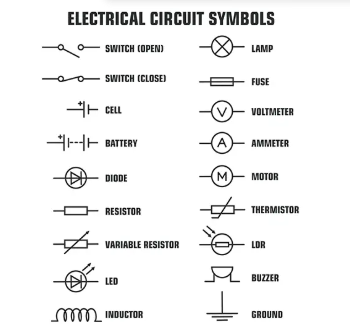
Basic Electrical Symbols
Understanding basic electrical symbols is the first step toward reading complex wiring diagrams. These fundamental symbols represent the most common components found in electrical systems. Below are essential symbols that every electrical professional and enthusiast should know.
Power Source Symbols
Common Power Source Symbols
Circuit Protection Symbols
Circuit protection devices are critical components that prevent overcurrent conditions and protect both equipment and users. The following symbols represent common protection devices found in electrical systems.
Circuit Breaker
Symbol represents an automatic protective device that interrupts current flow during overload conditions. Common ratings include 15A, 20A, and 30A for residential applications.
Fuse
Symbol represents a sacrificial device that melts when excessive current flows through it, permanently breaking the circuit. Fuses must be replaced after operation.
GFCI Outlet
Ground Fault Circuit Interrupter symbol indicates a safety device that detects imbalances in electrical current and quickly shuts off power to prevent shock hazards.
AFCI Outlet
Arc Fault Circuit Interrupter symbol represents protection against dangerous arcing conditions that can cause fires in damaged or deteriorating wiring.
Switch Symbols
Switches control the flow of electricity in circuits. Different switch types have specific symbols that indicate their function and operation. Understanding these symbols is essential for planning lighting circuits and controlling electrical equipment.
Common Switch Types and Symbols
Single-Pole Switch: The most common switch type used to control a light or outlet from one location. Symbol shows a single line with a diagonal break.
Three-Way Switch: Allows control of a light from two different locations. Symbol includes three terminals and an connecting line.
Four-Way Switch: Used in combination with two three-way switches to control a light from three or more locations.
Double-Pole Switch: Controls 240-volt circuits and can break both hot wires simultaneously.
Dimmer Switch: Allows adjustment of light intensity. Symbol often includes a curved line indicating variable resistance.
Residential Wiring Symbols
Residential electrical work involves specific components and symbols that differ from commercial and industrial applications. Homeowners and residential electricians must be familiar with these symbols to understand home wiring diagrams and plan renovations safely.
Outlet and Receptacle Symbols
Standard Outlet (Duplex Receptacle)
Represents a standard 120-volt outlet found throughout residential spaces. Symbol shows two vertical slots with a grounding hole below.
GFCI Outlet
Ground fault circuit interrupter outlet required in bathrooms, kitchens, and outdoor areas. Symbol includes the letters GFCI within the outlet representation.
USB Outlet
Modern outlet with built-in USB charging ports. Symbol shows standard outlet configuration with additional USB indicators.
240-Volt Outlet
Large appliance outlet for dryers, ranges, and air conditioners. Symbol shows three or four slots arranged differently from standard outlets.
Lighting Symbols
Lighting symbols in residential wiring diagrams indicate the type, location, and control method for light fixtures. These symbols help electricians and homeowners understand lighting layout and make informed decisions about fixture placement and switch locations.
Common Residential Lighting Symbols
- Ceiling Light: Circle with cross or small lamp icon indicating overhead lighting fixtures
- Recessed Light: Circle with downward-pointing arrow indicating recessed ceiling fixtures
- Wall Sconce: Half-circle with radiating lines indicating wall-mounted light fixtures
- Track Lighting: Horizontal line with multiple small circles indicating track-mounted fixtures
- Can Light: Circle with small triangle pointing down indicating can-style recessed fixtures
- Chandelier: Circle with radiating lines and decorative elements indicating ceiling-mounted decorative fixtures
Junction Box Symbols
Junction boxes are essential components in residential wiring that allow connections between multiple circuits. Symbols for junction boxes indicate their location and sometimes their size. Proper junction box placement is crucial for code compliance and future maintenance accessibility.
Important Note
Junction boxes must remain accessible and cannot be buried in walls or ceilings. Always indicate junction box locations clearly on wiring diagrams to ensure compliance with electrical codes and facilitate future troubleshooting.
Commercial and Industrial Wiring Symbols
Commercial and industrial electrical systems are typically more complex than residential installations, requiring additional symbols for three-phase systems, motor controls, and specialized equipment. Understanding these symbols is essential for electricians working in non-residential settings.
Three-Phase Power Symbols
Three-phase power is commonly used in commercial and industrial applications due to its efficiency and ability to handle higher loads. The following symbols represent three-phase components and configurations.
Three-Phase Transformer
Symbol represents a transformer connected to three-phase power distribution systems. Contains three primary and three secondary windings with common core representation.
Three-Phase Motor
Symbol shows a motor connected to three-phase power supply with connections for three hot wires and ground. May include overload protection indicators.
Three-Phase Breaker
Represents a circuit breaker designed to interrupt all three phases simultaneously during fault conditions. Common in commercial distribution panels.
Phase Sequence Indicator
Symbol indicates devices that monitor and display the sequence of three-phase power connections, ensuring proper motor rotation direction.
Motor Control Symbols
Motor control circuits use specific symbols for contactors, relays, overloads, and control devices. These symbols are crucial for understanding motor starter circuits and programmable logic controller (PLC) connections.
Motor Control Component Symbols
Magnetic Contactor: Symbol represents a heavy-duty relay designed for switching motor circuits. Shows coil with main contacts.
Overload Relay: Symbol indicates thermal or electronic device that protects motors from overheating due to overload conditions.
Manual Starter: Symbol represents a simple motor switching device with built-in overload protection for smaller motors.
Soft Starter: Symbol indicates electronic device that gradually ramps up motor voltage to reduce starting current.
Variable Frequency Drive (VFD): Symbol represents electronic speed controller for three-phase motors with input and output connections.
Safety Warning
Commercial and industrial electrical systems operate at higher voltages and currents than residential installations. Only qualified electrical workers with proper training and equipment should work on these systems. Always follow lockout/tagout procedures before servicing any electrical equipment.
Circuit Diagram Symbols and Schematics
Circuit diagrams, also known as schematics, use standardized symbols to represent electrical and electronic components. These diagrams are essential for designing, troubleshooting, and documenting electrical systems. Learning to read schematics is a fundamental skill for anyone working with electronics or electrical systems.
Electronic Component Symbols
Resistor
Symbol shows a zigzag line representing resistance to current flow. Values are indicated in ohms (Ω) with power ratings. Fixed and variable resistor symbols differ slightly in their representation.
Capacitor
Symbol represents a component that stores electrical energy in an electric field. Non-polarized capacitors show parallel lines, while polarized capacitors include plus/minus indicators.
Inductor
Symbol shows a coiled wire representing inductance. Used in filtering, energy storage, and signal processing applications. May include core material indicators.
Diode
Symbol represents a semiconductor device that allows current flow in one direction only. Includes a triangle pointing to a bar indicating cathode direction.
Semiconductor Symbols
Semiconductor devices are fundamental to modern electrical and electronic systems. Understanding their symbols is essential for reading circuit diagrams and troubleshooting electronic equipment.
Common Semiconductor Symbols
Transistor (NPN/PNP): Symbols show three terminals (collector, base, emitter) with arrow direction indicating transistor type. NPN arrows point outward, PNP arrows point inward.
Field Effect Transistor (FET): Symbol represents voltage-controlled switches with gate, drain, and source terminals. Enhancement and depletion types have different symbols.
Integrated Circuit (IC): Rectangle symbol with pin numbers and sometimes functional labels. Specific IC functions are indicated by part numbers rather than detailed internal symbols.
Thyristor/SCR: Symbol shows a four-layer semiconductor device with gate terminal used in power control applications.
Connection and Terminal Symbols
Connection symbols indicate how components are joined in a circuit and represent various types of electrical terminals and junctions. Proper understanding of these symbols is crucial for accurate circuit interpretation.
Junction Dot
A filled circle at wire intersections indicates a permanent electrical connection where wires are joined. Wires crossing without a dot are not connected.
Terminal
Symbol represents a connection point where wires can be attached or detached. Terminal strips are indicated by multiple terminal symbols arranged in a line.
No Connection (X)
An X symbol indicates that wires cross but are not electrically connected. This differs from junctions and helps clarify complex schematic layouts.
Test Point
Symbol represents accessible connection points used for testing and measurement without making permanent connections to the circuit.
Common Wiring Types and Applications
Different wiring types serve specific purposes in electrical installations. Understanding wire gauges, insulation types, and applications ensures safe and code-compliant electrical work. The following information covers the most common wiring types used in residential and commercial applications.
Residential Wiring Types
| Wire Type | Common Uses | Wire Gauge | Circuit Rating | Max Length |
|---|---|---|---|---|
| NM-B (Romex) | General residential wiring, outlets, lights | 14 AWG | 15 Amp | 50 feet |
| NM-B (Romex) | Kitchen, bathroom, laundry circuits | 12 AWG | 20 Amp | 60 feet |
| NM-B (Romex) | Electric dryers, water heaters | 10 AWG | 30 Amp | 75 feet |
| NM-B (Romex) | Electric ranges, large appliances | 8 AWG | 40 Amp | 100 feet |
| UF-B | Outdoor, underground burial | 12-14 AWG | 15-20 Amp | Varies |
| MC Cable | Commercial, exposed installations | 14-2 AWG | 15-20 Amp | Per code |
Wire Color Codes
Standard wire color codes help identify conductor functions in electrical systems. These colors are consistent across most regions and make troubleshooting and maintenance easier for electrical professionals.
Black Wire (Hot)
Carries current from the breaker to the load. In standard 120V circuits, black is the primary hot wire. Multiple hot wires may also be red or blue.
Red Wire (Switched Hot)
Secondary hot wire commonly used as switched conductors for lighting circuits. Often used in three-way switch applications.
White Wire (Neutral)
Returns current from the load back to the breaker panel. Provides the return path for electrical current in properly functioning circuits.
Bare/Green Wire (Ground)
Provides fault current path for safety. Connects to metal boxes, device grounding terminals, and grounding rods at the panel.
Important Warning
Wire colors may vary by country and installation age. Always use a voltage tester to confirm wire function before working on any electrical circuit. Never assume wire function based solely on color. Older installations may use outdated color codes that differ from current standards.
Reading Electrical Plans and Blueprints
Electrical plans and blueprints provide detailed information about wiring layouts, fixture locations, and circuit configurations. Learning to interpret these documents is essential for electrical professionals and valuable for homeowners planning renovations or upgrades.
Understanding Electrical Plan Symbols
Electrical plans use standardized symbols to represent fixtures, switches, outlets, and connections. These plans are overlaid on architectural floor plans to show the complete electrical installation design. Understanding the relationship between symbols and actual locations is key to reading electrical plans effectively.
Key Elements of Electrical Plans
Panel Location: The main service panel or subpanel is clearly marked with its rating and location. All circuits originate from these distribution points.
Circuit Paths: Lines connecting symbols represent wire runs between devices. Numbers or letters may identify circuits serving specific areas.
Device Symbols: Standardized symbols represent outlets, switches, lights, and special devices. A legend on the plan explains each symbol.
Height Indications: Some symbols include height information for ceiling fixtures, switch heights, or outlet positions above floors.
Special Notes: Written notes provide additional information about specifications, manufacturer requirements, or special installation conditions.
Steps for Reading Electrical Blueprints
Review the Legend
Every electrical plan includes a legend or key that explains all symbols used. Always start by studying this legend to understand what each symbol represents in the specific plan you are reading.
Identify Panel Locations
Locate the main service panel and any subpanels on the plan. Understanding where power originates helps trace circuit paths throughout the building.
Trace Circuit Paths
Follow the lines from the panel to each device. Note circuit numbers assigned to each run and understand which circuits serve which areas of the building.
Identify Special Systems
Note any special systems such as fire alarms, security systems, data wiring, or HVAC controls that may require separate circuits or coordination with other trades.
Check Specifications
Review specification notes for details about wire types, conduit requirements, fixture schedules, and any special installation requirements that are not fully represented by symbols.
Safety Standards and Electrical Codes
Electrical work must comply with safety standards and building codes that protect occupants and property. Understanding these requirements is essential for anyone performing electrical installations or modifications. Codes vary by jurisdiction but follow common principles established by national and international standards organizations.
Key Safety Standards
National Electrical Code (NEC)
In the United States, the NEC provides comprehensive safety standards for electrical installations. Updated every three years, it covers wiring methods, equipment, and installation practices. Local jurisdictions often adopt specific NEC editions with local amendments.
IEC Standards
The International Electrotechnical Commission publishes standards used globally for electrical equipment and installations. IEC standards influence national codes and are essential for understanding international requirements.
OSHA Regulations
The Occupational Safety and Health Administration establishes workplace safety requirements for electrical work. These regulations protect electrical workers and set requirements for training, equipment, and work practices.
UL Listing Requirements
Underwriters Laboratories testing and listing requirements ensure electrical equipment meets safety standards. Only listed equipment should be used in electrical installations for code compliance and safety.
Common Code Requirements
Fundamental Code Requirements
Box Fill Calculations: Electrical boxes must be sized appropriately for the number and size of conductors and devices they contain. Proper box sizing prevents conductor damage and excessive heat buildup.
Conductor Sizing: Conductors must be sized to carry the expected load current without overheating. Voltage drop calculations may require larger conductors for long runs.
Overcurrent Protection: All circuits must be protected by appropriately sized fuses or circuit breakers that will trip before conductors are damaged by excessive current.
Grounding Requirements: Proper grounding provides safety and helps clear faults quickly. Equipment grounding conductors must be sized according to the overcurrent device protecting the circuit.
GFCI Protection: Ground fault circuit interrupters are required in wet locations and specific areas to protect against electrical shock hazards.
AFCI Protection: Arc fault circuit interrupters are required in many areas of residences to protect against fires caused by arcing faults in damaged wiring.
Critical Safety Precautions
Always turn off power at the breaker before working on any electrical circuit. Use a voltage tester to confirm power is off before touching any conductors.
Use appropriate personal protective equipment including insulated tools, safety glasses, and arc-rated clothing when working on electrical systems.
Never work on electrical systems when you are tired, distracted, or under the influence of substances that impair judgment or coordination.
When in doubt about any electrical work, consult with or hire a licensed electrician. The cost of professional installation is minor compared to the risks of improper work.
Keep fire extinguishers rated for electrical fires (Class C or CO2) readily available when performing electrical work.
Practical Applications and Symbol Identification
Understanding electrical symbols becomes most valuable when applying that knowledge to real-world situations. This section provides practical guidance for identifying symbols in common scenarios and applying that knowledge effectively during electrical work.
Common Residential Symbol Identification
When working on residential properties, you will frequently encounter the following symbols on plans, in junction boxes, and during troubleshooting. Familiarity with these common symbols makes electrical work more efficient and safer.
Lighting Control Symbols
Symbols for lighting control include single-pole, three-way, and four-way switches. Dimmer switches often include a curved line symbol. Smart switches may have additional indicators for wireless connectivity features.
Specialty Outlet Symbols
Receptacle symbols indicate type, rating, and special features. GFCI outlets have distinctive symbols, as do 240-volt outlets and outlets with USB charging capabilities. Ground fault protection requirements affect outlet placement.
Equipment Connection Symbols
Major appliances like electric ranges, dryers, and air conditioners have specific connection symbols. These often include both electrical and sometimes gas connection indicators along with circuit requirements.
Communication System Symbols
Modern buildings include telephone, data, cable, and network connections. These symbols indicate low-voltage wiring that often parallels electrical installations and may require separate circuits or raceways.
Troubleshooting with Symbol Knowledge
Understanding electrical symbols aids significantly in troubleshooting electrical problems. When a circuit fails, knowing what each component does and how they interconnect helps isolate the problem quickly and accurately.
Troubleshooting Tips
Start at the load and work back toward the power source. Check the easiest components first: bulbs, fuses, and breakers. Use your understanding of circuit symbols to predict where problems are likely to occur and systematically test each section. Document your findings to identify patterns in recurring problems.
Planning New Installations
When planning new electrical installations, proper symbol use ensures clear communication with inspectors, other trades, and future maintenance personnel. Good documentation with correct symbols prevents confusion and costly mistakes during installation.
Best Practices for Installation Planning
Accurate Symbol Use: Always use standardized symbols when documenting installations. Custom symbols create confusion and may not be understood by other electricians or inspectors.
Complete Documentation: Include all circuit information, wire sizes, junction box locations, and device specifications in your documentation. Incomplete records cause problems during future modifications.
Circuit Labeling: Label all circuits clearly at the panel and at any junction boxes. Proper labeling makes future troubleshooting and maintenance much easier.
As-Built Drawings: Keep accurate records of what was actually installed, including any deviations from the original plan. These as-built drawings are valuable for future reference and modifications.
Conclusion
Electrical wiring and symbols form the essential vocabulary of electrical work, enabling clear communication and accurate interpretation of electrical systems. From basic residential wiring to complex industrial installations, standardized symbols provide a universal language that transcends borders and specializations.
Mastering electrical symbols requires study and practice, but the investment pays dividends throughout your electrical career or DIY projects. Understanding symbols allows you to read plans accurately, troubleshoot effectively, and communicate professionally with colleagues and inspectors.
Remember that electrical work carries inherent dangers that require respect and proper training. Always prioritize safety, follow applicable codes and standards, and consult qualified professionals when your knowledge or experience is insufficient for a particular task.
Take action today by reviewing the electrical symbols relevant to your specific needs. Practice identifying symbols in existing installations, study blueprints and schematics in your area of interest, and continuously expand your knowledge as technology and standards evolve.
If you want to learn more about low-priced products, please visit the following website: www.xm-valveactuator.com