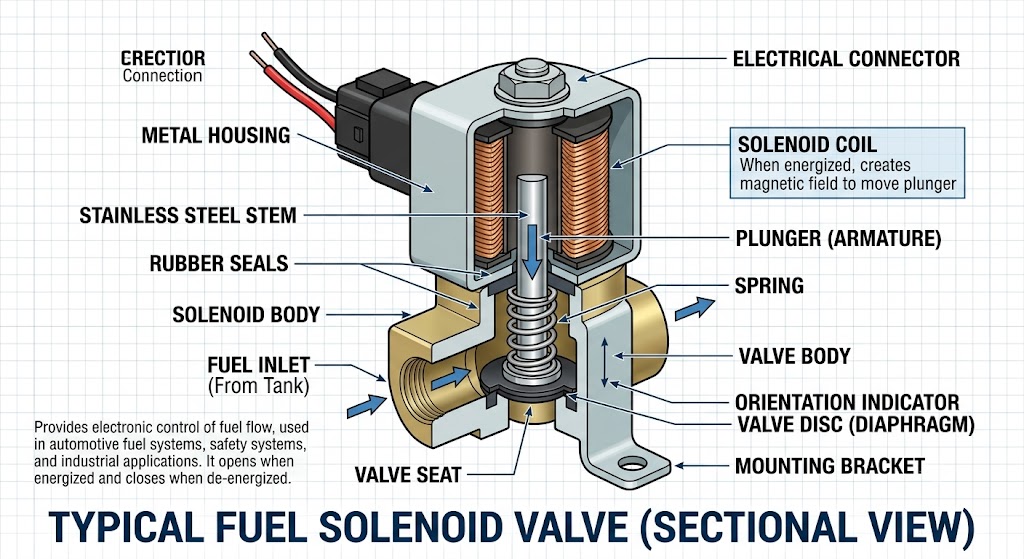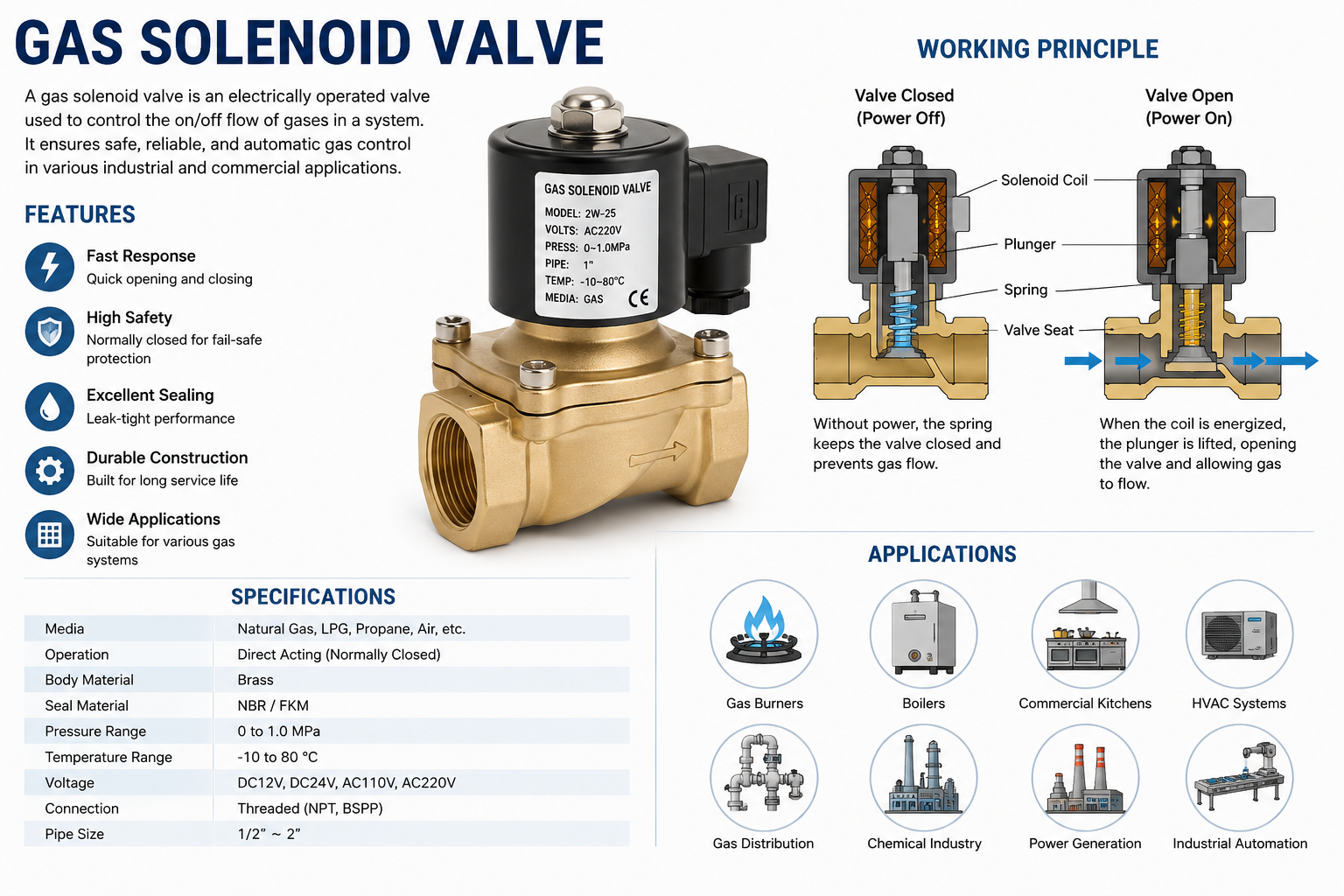
Introduction to Water Shut Off Valves
Water shut off valves are essential components in any plumbing system, providing the ability to control water flow throughout your home or building. Whether you're dealing with an emergency leak, performing routine maintenance, or making renovations, understanding water shut off valves and plumbing control systems is crucial for every homeowner and property manager. These valves serve as the control points that allow you to isolate specific sections of your plumbing, preventing water damage and enabling efficient repairs.
The importance of properly functioning water shut off valves cannot be overstated. In emergency situations such as burst pipes or severe leaks, being able to quickly shut off the water supply can mean the difference between a minor inconvenience and catastrophic water damage costing thousands of dollars in repairs. Additionally, during routine maintenance or appliance upgrades, these valves allow plumbers and homeowners to work on specific sections without shutting off water to the entire property.
Types of Water Shut Off Valves
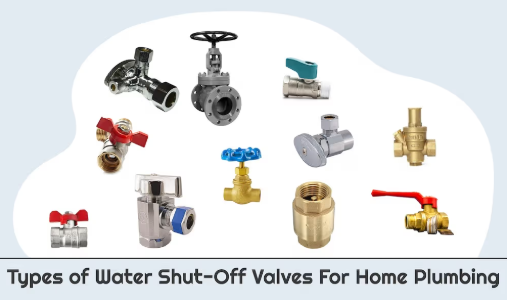
There are several types of water shut off valves available, each designed for specific applications and offering unique advantages. Understanding the differences between these valve types will help you make informed decisions about which valves to install in your property.
Ball Valves
Ball valves are among the most common and reliable types of shut off valves. They feature a spherical ball with a hole through the center that rotates to control flow. When the handle aligns with the pipe, water flows; when rotated 90 degrees, water is completely shut off.
Pros: Quick operation, reliable seal, durable
Best for: Main water lines, appliance connections
Gate Valves
Gate valves use a rising or non-rising stem with a wedge-shaped gate that moves up or down to control water flow. They are typically found in older installations and provide full flow when fully open.
Pros: Full flow capacity, simple design
Best for: Main line isolation, infrequent operation
Globe Valves
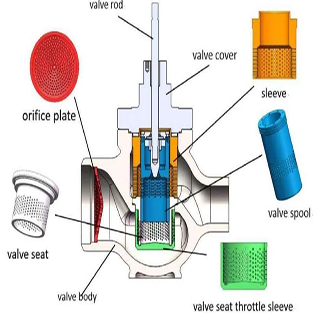
Globe valves feature a spherical body with a movable disc-type closure element that can be positioned to regulate flow. They are excellent for throttling water flow but are not ideal for complete isolation.
Pros: Good flow control, easy to repair
Best for: Flow regulation, balancing systems
Butterfly Valves
Butterfly valves use a circular disc that rotates on a shaft to control flow. They are compact and lightweight, making them ideal for applications where space is limited.
Pros: Compact, lightweight, quick operation
Best for: Large diameter pipes, commercial applications
Where to Install Water Shut Off Valves
Strategic placement of water shut off valves is essential for effective plumbing control and emergency response. Here are the critical locations where shut off valves should be installed:
- ▸Main Water Shut Off: Located where the main water supply enters your property, this valve controls the entire water supply and should be easily accessible.
- ▸Water Heater: Both hot and cold water shut offs should be installed near the water heater for maintenance and emergency situations.
- ▸Toilets: Individual shut off valves for each toilet allow repairs without affecting other fixtures.
- ▸Sinks and Faucets: Angle stop valves under sinks provide isolation for faucet repairs or replacement.
- ▸Washing Machines: Dedicated shut offs prevent flooding from hose failures.
- ▸Dishwashers: Isolation valves enable appliance maintenance without water interruption.
- ▸Refrigerator Ice Makers: Individual valves allow refrigerator maintenance.
- ▸Outdoor Faucets: Frost-proof sillcocks with integral shut offs protect against freezing.
How Water Shut Off Valves Work
Understanding the operating mechanism of water shut off valves helps in proper usage and maintenance. The basic principle involves a moveable component that blocks or allows water flow through the pipe.
Operating Principles:
1. Ball Valve Operation: Rotate the lever handle 90 degrees. The ball inside rotates from open (parallel to pipe) to closed (perpendicular to pipe), blocking water flow instantly.
2. Gate Valve Operation: Turn the hand wheel clockwise to lower the gate onto the seat, stopping flow. Counter-clockwise raises the gate for full flow.
3. Globe Valve Operation: The stem pushes a disc onto a horizontal seat. Clockwise closing regulates and stops flow; counter-clockwise opens.
4. Pressure Control: Some valves regulate downstream pressure, automatically adjusting to maintain consistent water pressure.
Choosing the Right Shut Off Valve
Selecting the appropriate water shut off valve requires considering several factors including application, pipe material, pressure requirements, and budget constraints.
Selection Criteria:
Pipe Material Compatibility: Ensure the valve is compatible with your pipe material (copper, PEX, PVC, or galvanized steel).
Pressure Rating: Choose valves rated for your system's pressure requirements (typically 125 PSI for residential, higher for commercial).
Temperature Rating: Consider ambient conditions and water temperature. Outdoor valves need freeze protection or frost-proof designs.
Size and Connection: Match the valve size and connection type (solder, compression, threaded) to your existing plumbing.
⚠️ Important Consideration:
Never compromise on valve quality. Low-quality valves can fail catastrophically, leading to flooding and extensive property damage. Always purchase valves from reputable manufacturers and look for certifications such as NSF/ANSI 61 for drinking water safety.
Installation Guidelines
Proper installation is critical for ensuring reliable operation and preventing leaks. While some valve installations are straightforward, complex installations should be handled by licensed plumbers.
Standard Installation Steps:
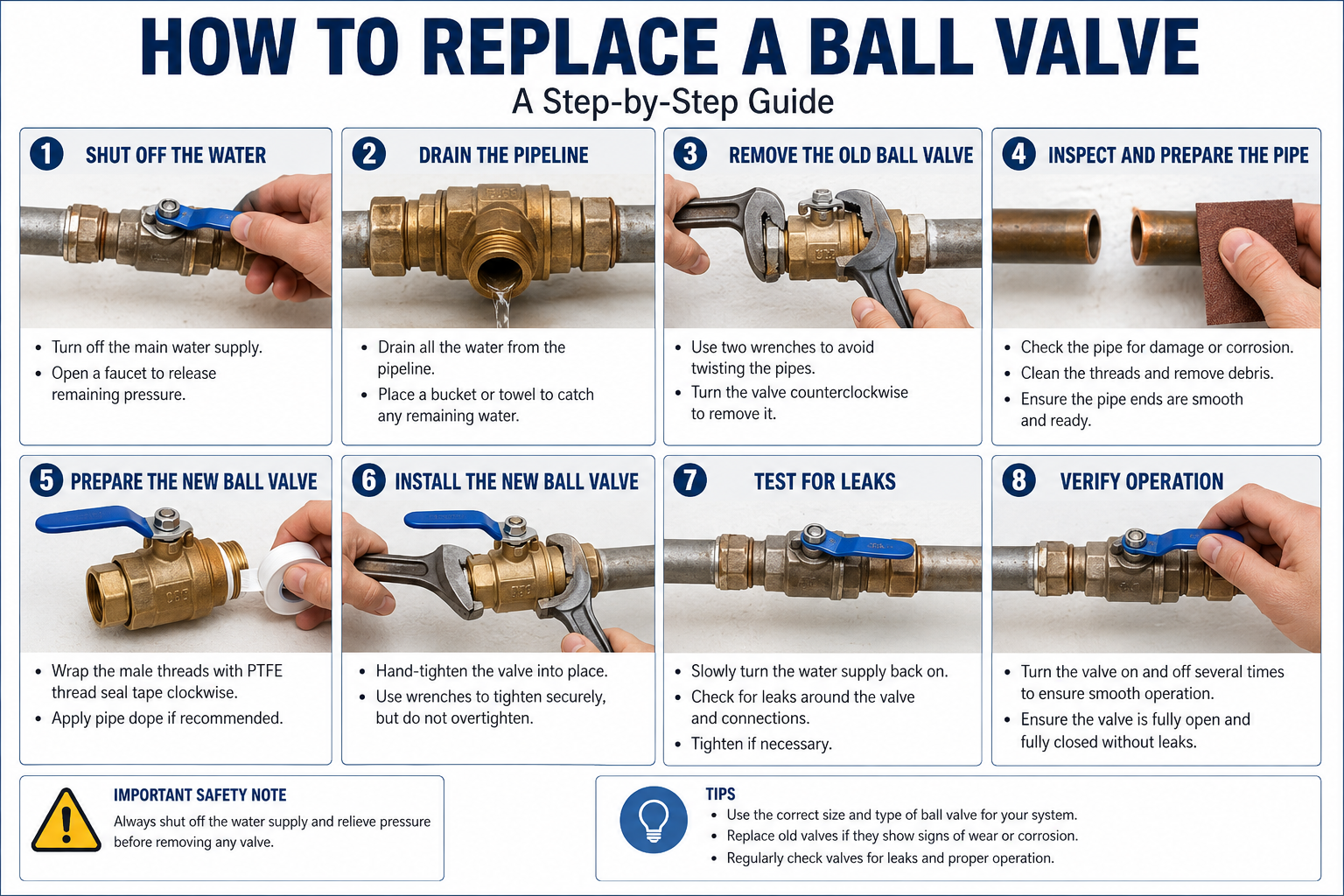
1Turn Off Water Supply: Locate and close the main water shut off valve before beginning any installation work.
2Drain the System: Open the lowest fixture in your home to drain remaining water from the pipes.
3Prepare the Area: Clean the pipe ends and ensure proper fit. Remove any burrs or debris.
4Apply Joint Compound or Tape: For threaded connections, apply plumber's tape or pipe dope to threads.
5Install the Valve: Hand-tighten first, then use appropriate tools to secure without over-tightening.
6Test for Leaks: Slowly turn water back on and check all connections for leaks. Tighten if necessary.
7Mark Valve Location: Clearly label all shut off valves, especially those behind walls or in concealed locations.
Maintenance and Troubleshooting
Regular maintenance of water shut off valves ensures they function properly when needed most. Valves that haven't been operated for years may be difficult to turn or may leak.
Regular Inspection
Inspect all shut off valves quarterly. Check for signs of corrosion, rust, or water stains around the valve body. Operate each valve fully open and closed at least twice yearly to prevent mineral buildup and ensure smooth operation.
Lubrication
If valves become difficult to turn, apply a small amount of silicone-based lubricant to the stem. Avoid petroleum-based products which can degrade rubber components. Never force a stuck valve, as this can cause damage.
Replacement Indicators
Replace valves immediately if you notice: persistent dripping when closed, corrosion covering more than 50% of the valve body, handles that don't rotate smoothly, or valves over 20 years old in critical locations.
Winter Preparation
In cold climates, insulate exposed valves and pipes. Install frost-proof sillcocks for outdoor use. During extreme cold, allow a small trickle of water to flow through pipes to prevent freezing.
Common Valve Problems and Solutions
Understanding common valve issues helps in quick diagnosis and appropriate remediation.
Problem: Valve Won't Shut Off Completely
Causes: Worn washers, damaged valve seats, or mineral buildup preventing full closure.
Solution: For ball valves, replacement is usually required. For compression valves, replacing the washer may resolve the issue. If seat is damaged, complete valve replacement is necessary.
Problem: Valve Handle Won't Turn
Causes: Mineral deposits, corrosion, or packing gland dried out.
Solution: Apply penetrating oil and let it soak for several hours. Gently tap the handle with a rubber mallet. If still stuck, consider valve replacement rather than forcing it.
Problem: Leaking Around Stem
Causes: Worn stem packing or loose packing nut.
Solution: Tighten the packing nut slightly. If leaking persists, turn off water, remove the nut, add new plumber's packing string, and reassemble.
Smart Water Shut Off Valves
Modern technology has brought smart water shut off valves to the market, offering automated monitoring and control capabilities that traditional valves cannot provide.
Automatic Shut Off
Smart valves can automatically shut off water when they detect leaks via integrated sensors. This provides 24/7 protection even when you're away from home.
Remote Control
Control your water supply from anywhere using smartphone apps. Turn water on/off remotely for vacations or emergency situations.
Water Monitoring
Track water usage in real-time, identify unusual patterns, and receive alerts for potential leaks before they cause significant damage.
Integration
Smart valves integrate with home automation systems, allowing voice control and automated scenarios based on other smart home devices.
Valve Comparison Guide
| Valve Type | Operation Speed | Durability | Flow Control | Best Application |
|---|---|---|---|---|
| Ball Valve | Quarter-turn | Excellent | On/Off only | Main shut offs, appliances |
| Gate Valve | Multiple turns | Good | On/Off only | Main line isolation |
| Globe Valve | Multiple turns | Good | Excellent | Flow regulation |
| Butterfly Valve | Quarter-turn | Excellent | Moderate | Large pipes, commercial |
| Angle Stop | Quarter-turn | Good | On/Off only | Fixture connections |
Safety Precautions
Important Safety Guidelines:
Always know the location of your main water shut off valve before starting any plumbing work.
Never force a valve handle if it won't turn - this can cause breakage and flooding.
Keep the area around shut off valves clear and accessible at all times.
Label all valves clearly with their function and direction of operation.
For gas valves, ensure you are qualified or hire a licensed professional.
After any valve work, test thoroughly before leaving the area unattended.
Conclusion
Water shut off valves and plumbing control systems are fundamental to maintaining a safe, functional, and efficiently operated property. Understanding the different types of valves, their applications, and proper maintenance procedures empowers homeowners and property managers to handle both routine operations and emergency situations with confidence.
Investing in quality shut off valves, ensuring proper installation, and maintaining them regularly will provide peace of mind and potentially save thousands of dollars in water damage repairs. Consider upgrading to smart water shut off valves for enhanced protection and monitoring capabilities. Remember, when in doubt about complex plumbing work, always consult with or hire a licensed professional plumber.
Take action today: locate and test all water shut off valves in your property, ensure they are clearly labeled, and add shut off valves to any locations that currently lack them. Your future self will thank you when an emergency occurs and you can quickly and confidently control your water supply.
If you want to learn more about low-priced products, please visit the following website: www.xm-valveactuator.com