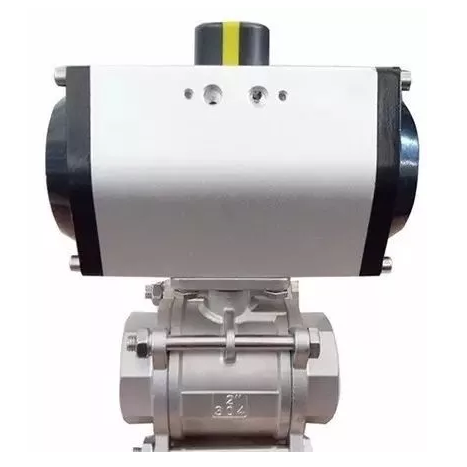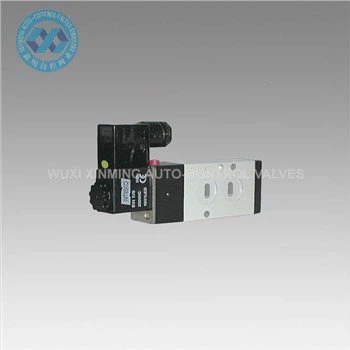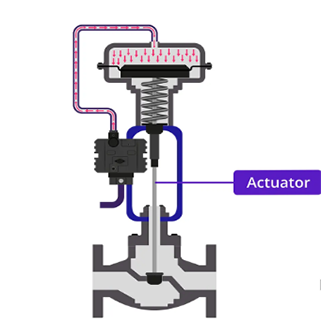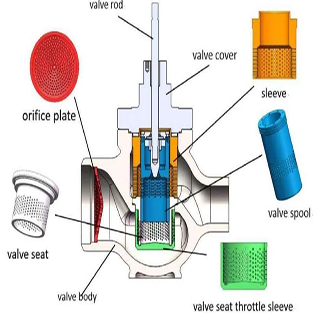
A hydraulic solenoid valve is a critical component in modern fluid power systems. It controls the flow of hydraulic oil automatically using electromagnetic force, making it essential for industrial automation, heavy machinery, mobile equipment, manufacturing systems, and hydraulic power units.
Hydraulic systems require accurate and reliable flow control to achieve smooth operation, pressure regulation, and directional movement. The hydraulic solenoid valve provides fast switching, remote control capability, and efficient hydraulic circuit management. From construction equipment to automated production lines, these valves play a key role in improving productivity and system performance.
What Is a Hydraulic Solenoid Valve?
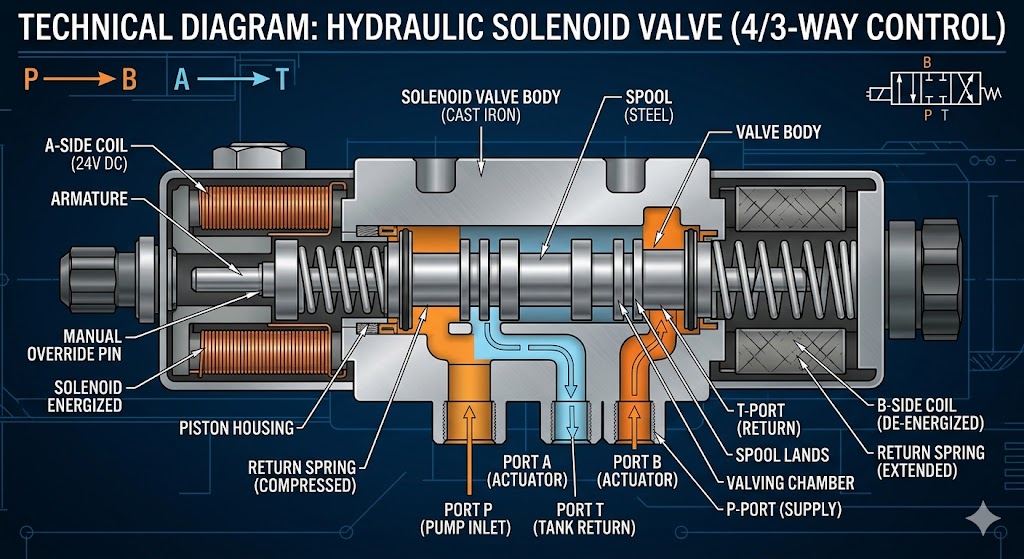
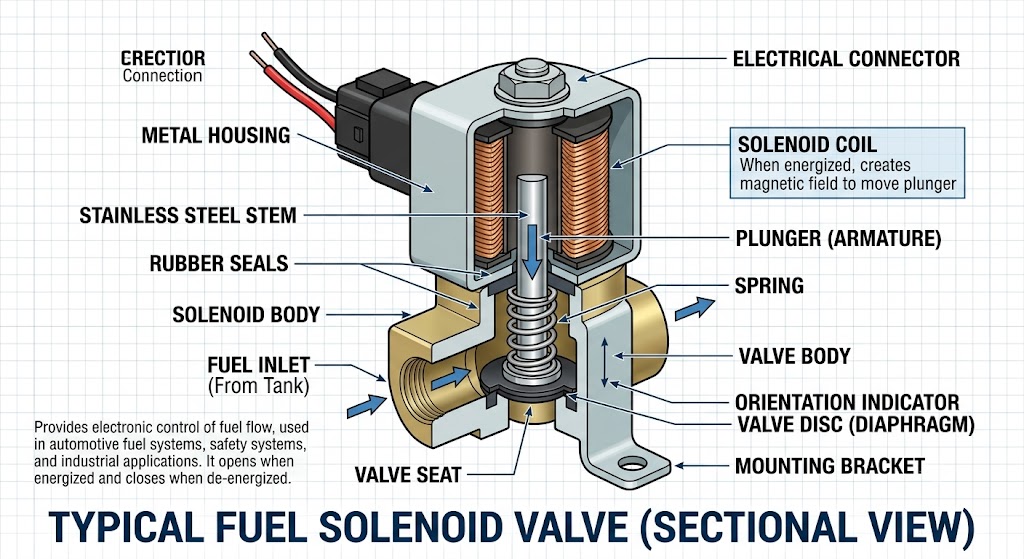
A hydraulic solenoid valve is an electrically operated valve designed to control the flow, direction, or pressure of hydraulic fluid within a hydraulic system. It uses a solenoid coil to generate a magnetic field that moves an internal plunger or spool when energized.
The valve can open, close, or redirect hydraulic fluid pathways depending on the electrical signal received. This allows automated control of hydraulic cylinders, motors, actuators, and other hydraulic components.
How Does a Hydraulic Solenoid Valve Work?
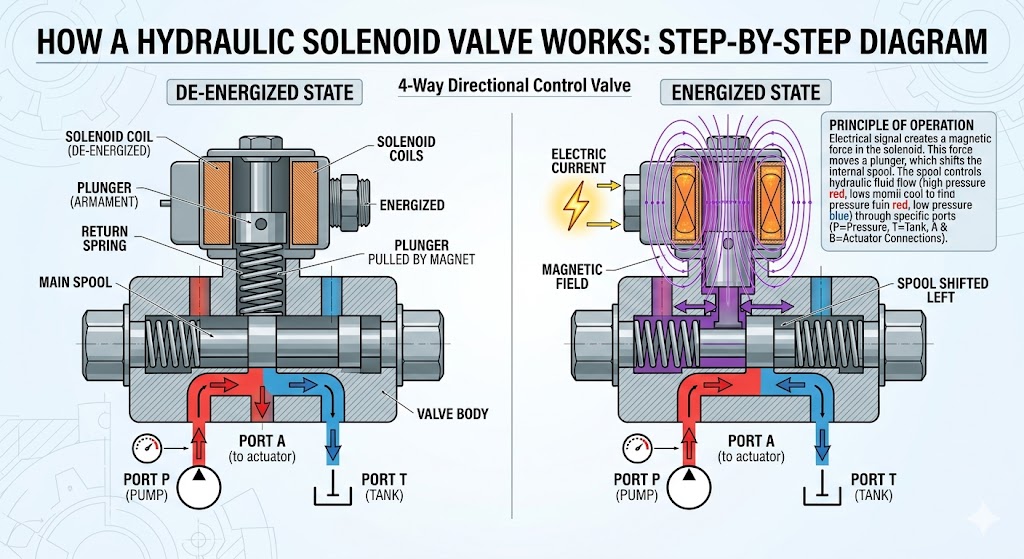
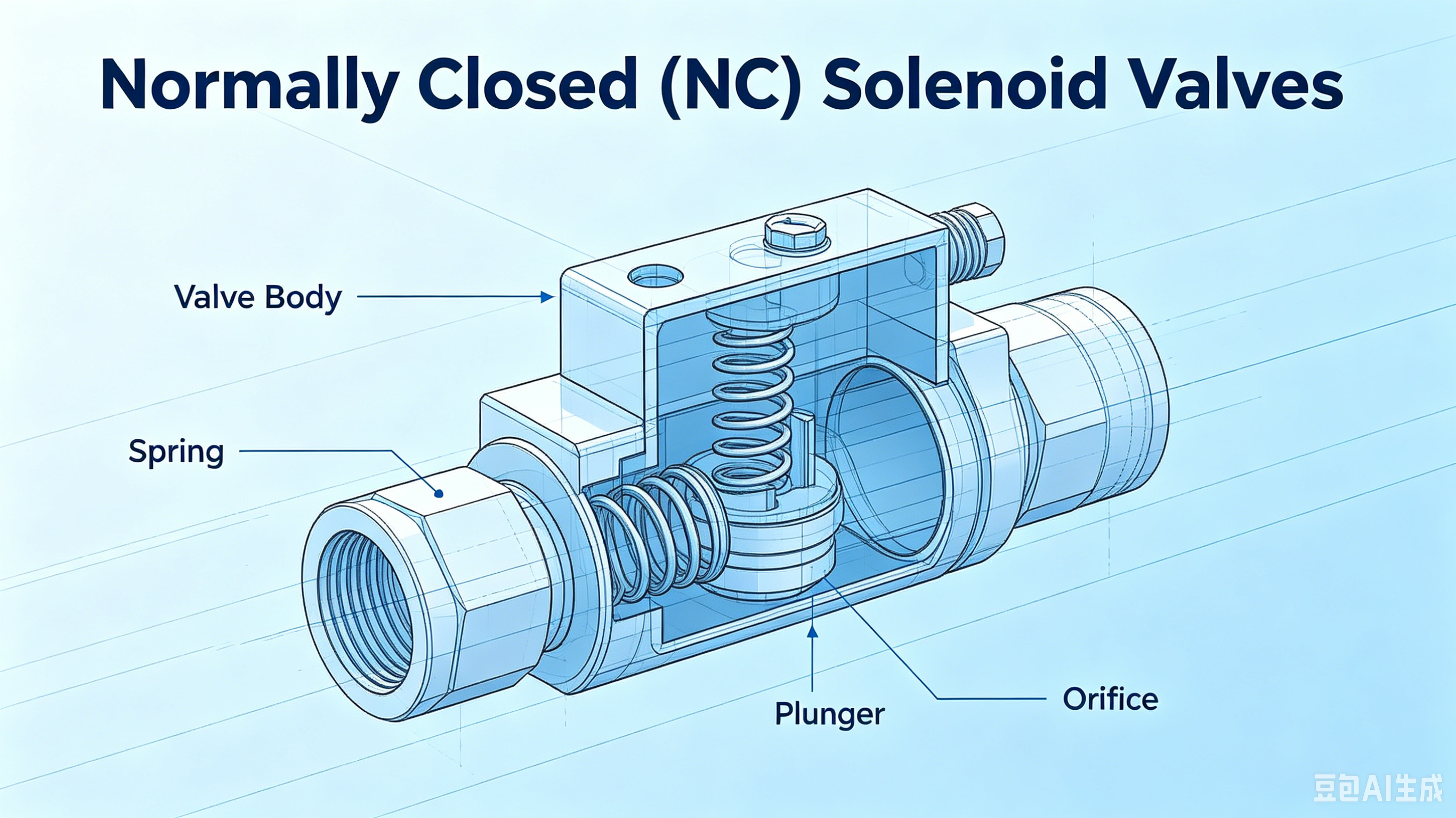
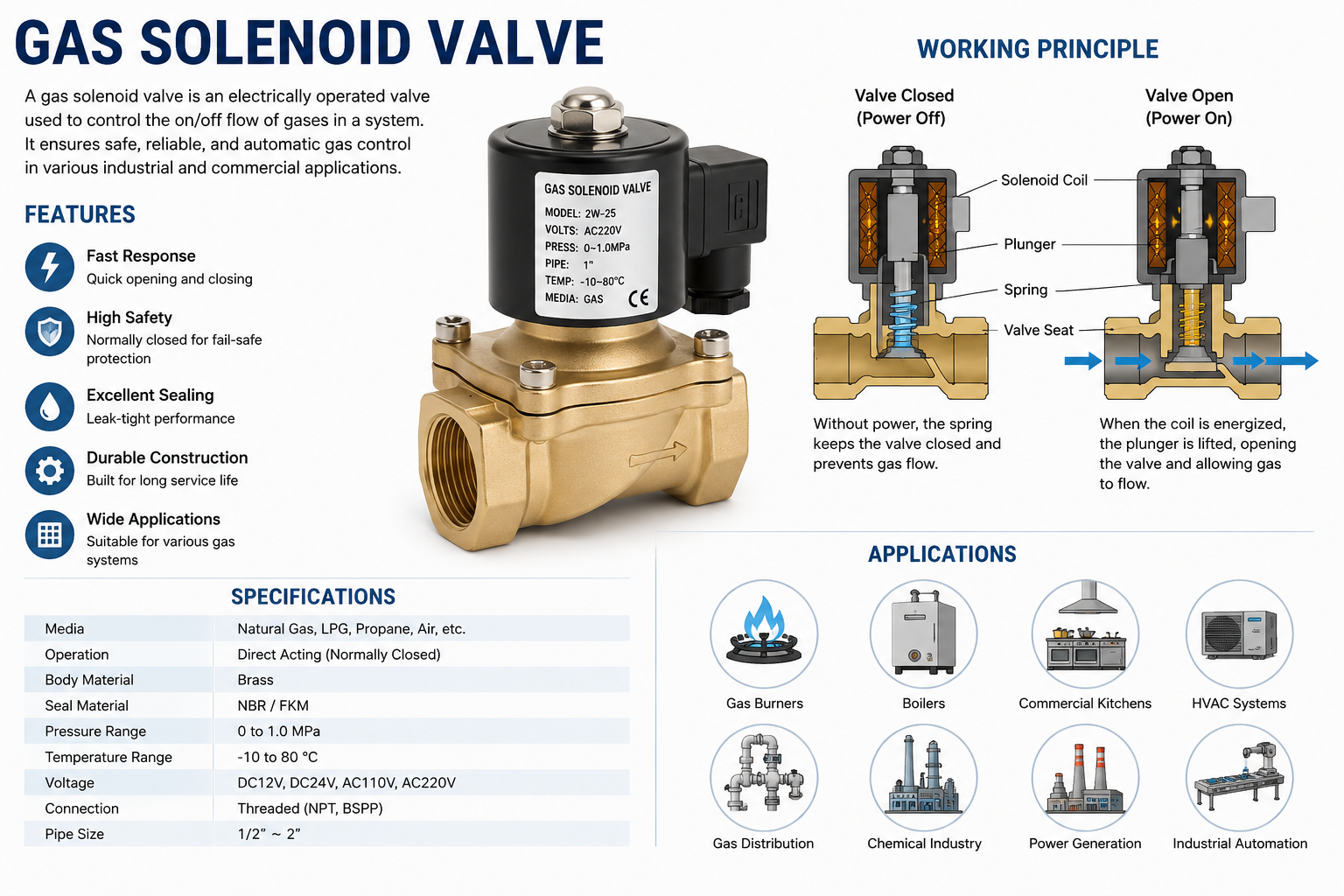
The operation of a hydraulic solenoid valve is based on electromagnetic force. When electrical current passes through the solenoid coil, it creates a magnetic field that attracts a movable plunger or spool.
Basic Working Process
- Electrical power energizes the solenoid coil.
- The magnetic field moves the internal plunger or spool.
- Hydraulic fluid passages open or close.
- Fluid direction or pressure changes inside the hydraulic circuit.
- When power is removed, a spring returns the valve to its default position.
This rapid and reliable switching mechanism enables precise hydraulic control in automated systems.
Main Types of Hydraulic Solenoid Valves
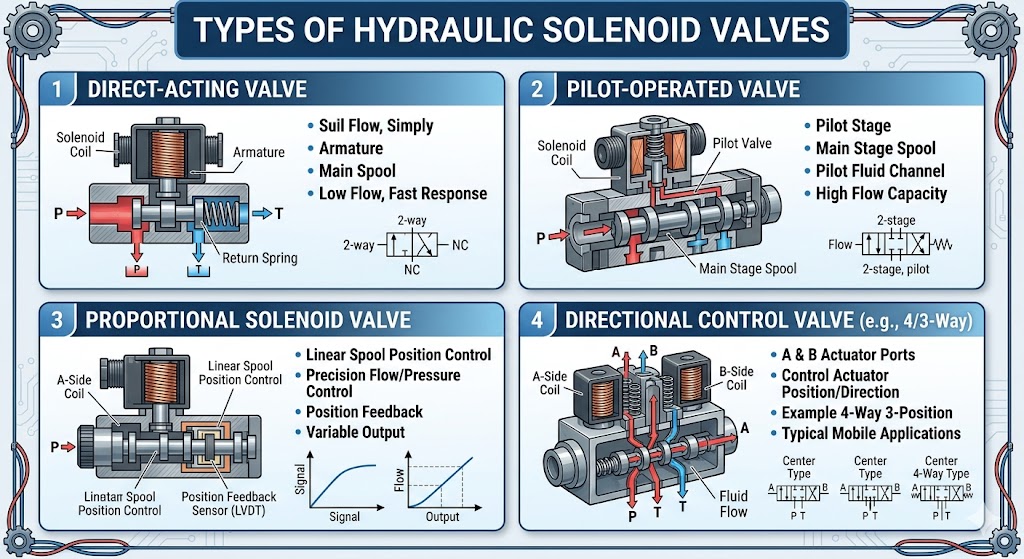
1. Directional Control Solenoid Valve
Directional control valves are used to change the flow direction of hydraulic oil. They are widely used to control hydraulic cylinders and motors.
2. Pressure Control Solenoid Valve
These valves regulate hydraulic pressure to protect equipment and maintain stable system operation.
3. Flow Control Solenoid Valve
Flow control valves adjust hydraulic fluid flow rates to control actuator speed and system performance.
4. Cartridge Solenoid Valve
Cartridge valves are compact hydraulic valves designed for manifold installations and integrated hydraulic systems.
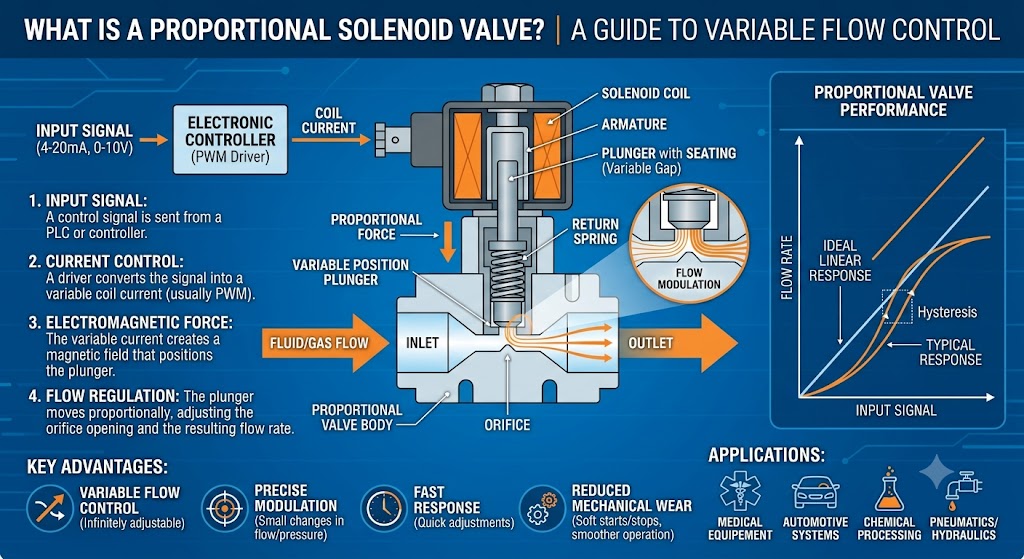
5. Proportional Hydraulic Solenoid Valve
Proportional valves provide variable control instead of simple ON/OFF operation, enabling accurate motion and pressure control.
Hydraulic Solenoid Valve Components
| Component | Function |
|---|---|
| Solenoid Coil | Generates electromagnetic force |
| Valve Body | Contains fluid flow passages |
| Spool or Plunger | Controls hydraulic fluid direction |
| Spring | Returns valve to default position |
| Seals | Prevent hydraulic fluid leakage |
| Electrical Connector | Provides power connection |
Advantages of Hydraulic Solenoid Valves
- Fast response and switching speed
- Reliable automated hydraulic control
- Compact and space-saving design
- Easy integration into industrial systems
- Remote and programmable operation
- Reduced manual intervention
- Improved system efficiency and safety
Applications of Hydraulic Solenoid Valves
Hydraulic solenoid valves are widely used across multiple industries where fluid power automation is required.
| Industry | Typical Application |
|---|---|
| Construction Equipment | Excavators, loaders, cranes |
| Manufacturing | Hydraulic presses and automation lines |
| Agriculture | Hydraulic tractors and harvesters |
| Mining | Heavy-duty hydraulic machinery |
| Marine | Ship hydraulic steering systems |
| Oil & Gas | Hydraulic control systems |
Hydraulic Solenoid Valve Selection Guide
Choosing the correct hydraulic solenoid valve is important for system reliability and efficiency.
Key Selection Factors
- Operating pressure range
- Flow capacity requirements
- Voltage type (12V, 24V, 110V, 220V)
- Hydraulic fluid compatibility
- Valve configuration and port size
- Response speed requirements
- Environmental protection rating
Common Hydraulic Solenoid Valve Problems
Valve Not Switching
Possible causes include coil failure, insufficient voltage, or contamination blocking spool movement.
Hydraulic Fluid Leakage
Damaged seals or improper installation may result in leakage around the valve body.
Slow Response Time
Dirty hydraulic oil, internal wear, or electrical problems can reduce valve response speed.
Overheating
Continuous energizing or excessive voltage may cause solenoid coil overheating.
Maintenance Tips for Hydraulic Solenoid Valves
- Regularly inspect electrical connections
- Keep hydraulic fluid clean and filtered
- Check seals and replace damaged components
- Monitor operating temperature
- Perform periodic valve function testing
- Use manufacturer-recommended hydraulic fluids
Hydraulic Solenoid Valve vs Pneumatic Solenoid Valve
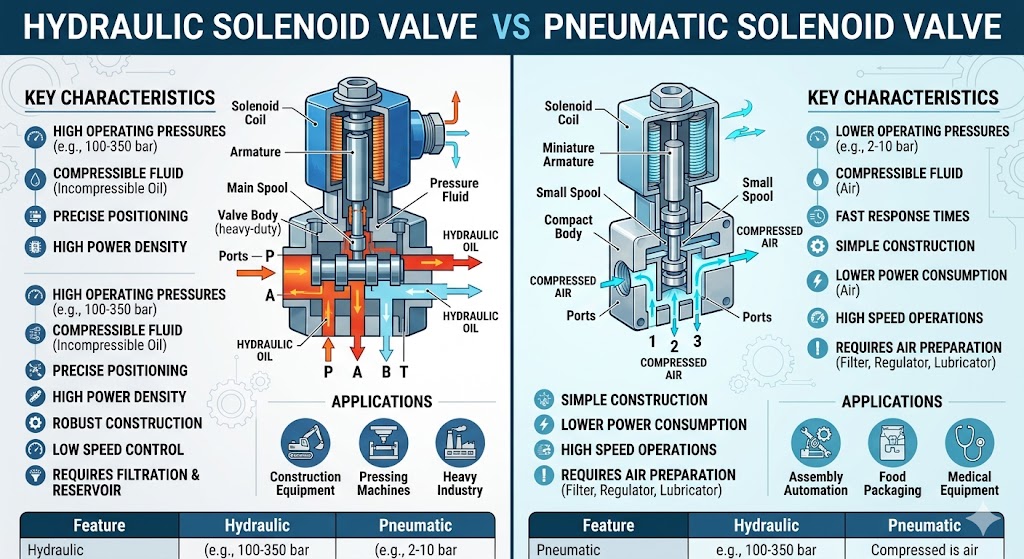
| Feature | Hydraulic Solenoid Valve | Pneumatic Solenoid Valve |
|---|---|---|
| Medium | Hydraulic Oil | Compressed Air |
| Operating Pressure | Very High | Lower |
| Force Output | High Power | Moderate Power |
| Application | Heavy Machinery | Industrial Automation |
| System Cleanliness | Requires Oil Filtration | Cleaner Operation |
Frequently Asked Questions
What voltage is commonly used for hydraulic solenoid valves?
Common voltages include 12V DC, 24V DC, 110V AC, and 220V AC depending on industrial or mobile equipment requirements.
Can hydraulic solenoid valves handle high pressure?
Yes. Hydraulic solenoid valves are specifically designed for high-pressure hydraulic systems and can withstand demanding operating conditions.
What causes hydraulic solenoid valve failure?
Common causes include contaminated hydraulic fluid, electrical coil damage, overheating, seal wear, and improper maintenance.
Conclusion
Hydraulic solenoid valves are essential components for efficient hydraulic system automation and fluid control. Their ability to convert electrical signals into precise hydraulic actions makes them widely used in industrial machinery, mobile equipment, manufacturing systems, and heavy-duty applications.
Selecting the right hydraulic solenoid valve based on pressure, flow rate, voltage, and application requirements ensures long-term reliability, safety, and performance. With proper maintenance and high-quality valve design, hydraulic systems can operate efficiently under demanding conditions for many years.
If you want to learn more about low-priced products, please visit the following website: www.xm-valveactuator.com