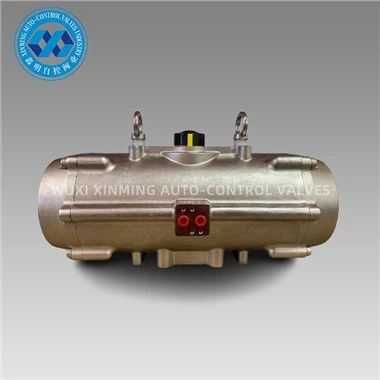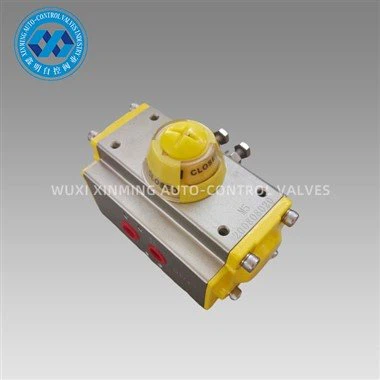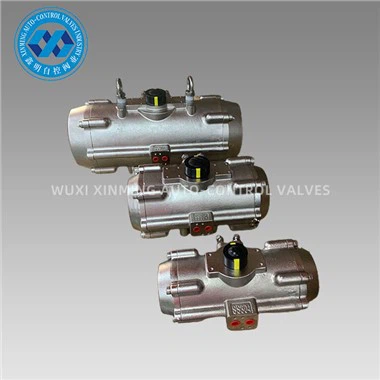
A gas solenoid valve is an electrically controlled valve designed to regulate, start, stop, or redirect the flow of gases in industrial, commercial, and residential systems. These valves play a critical role in gas pipelines, burners, HVAC equipment, boilers, fuel systems, and process automation applications. By combining electromagnetic control with reliable sealing technology, gas solenoid valves provide fast response, high safety, and precise flow control.
What Is a Gas Solenoid Valve?
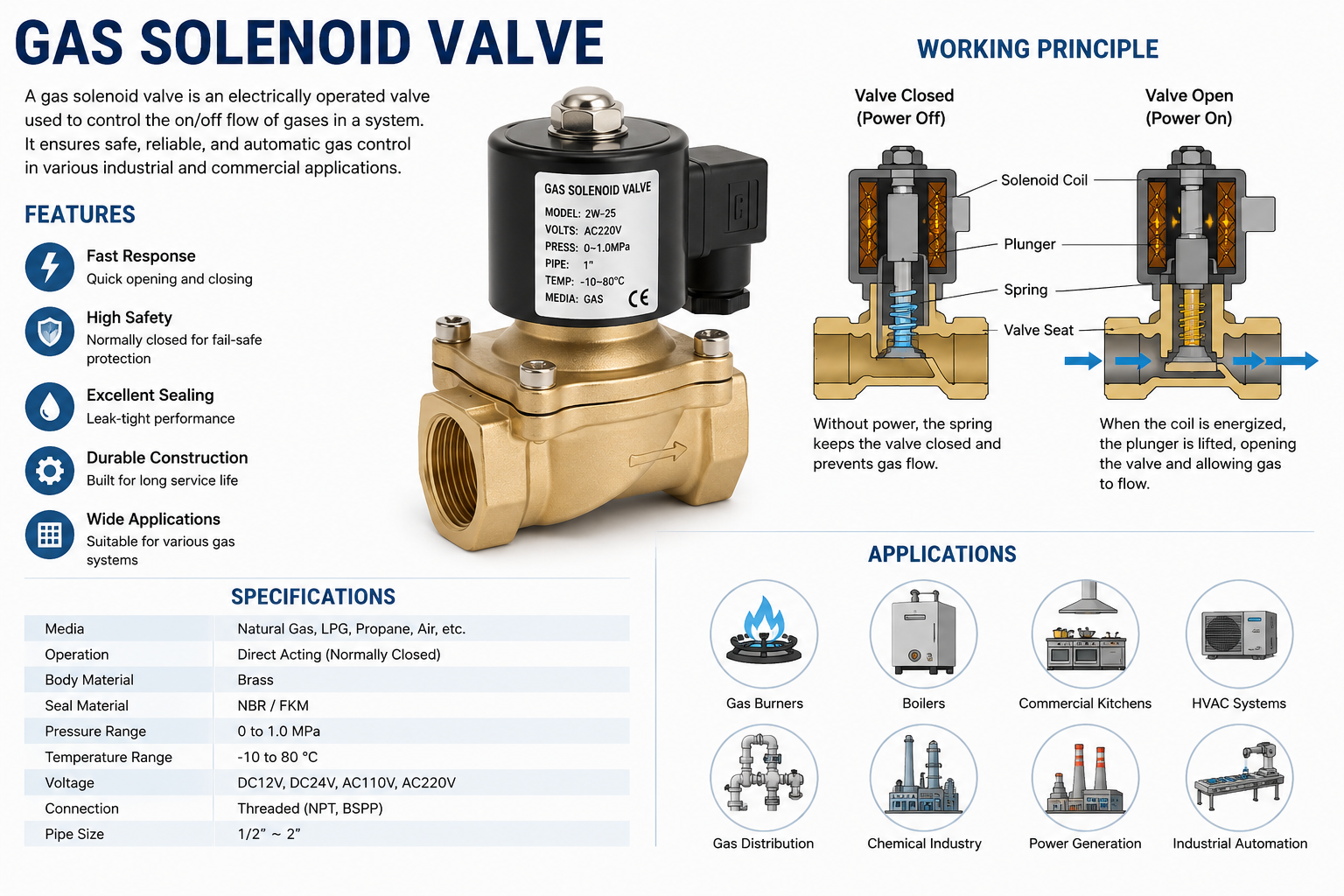
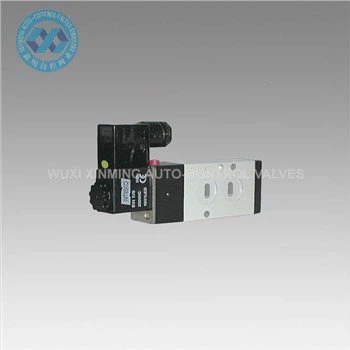
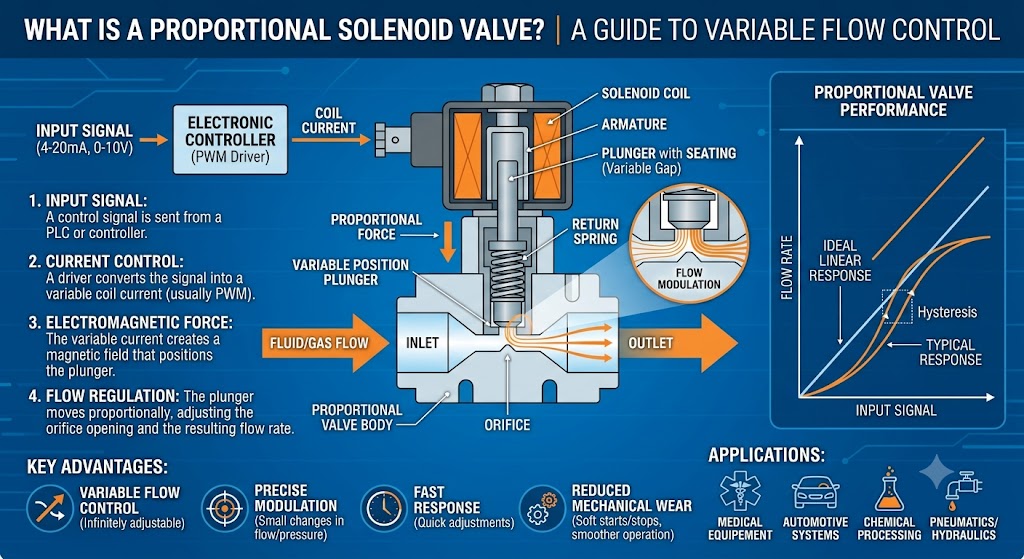
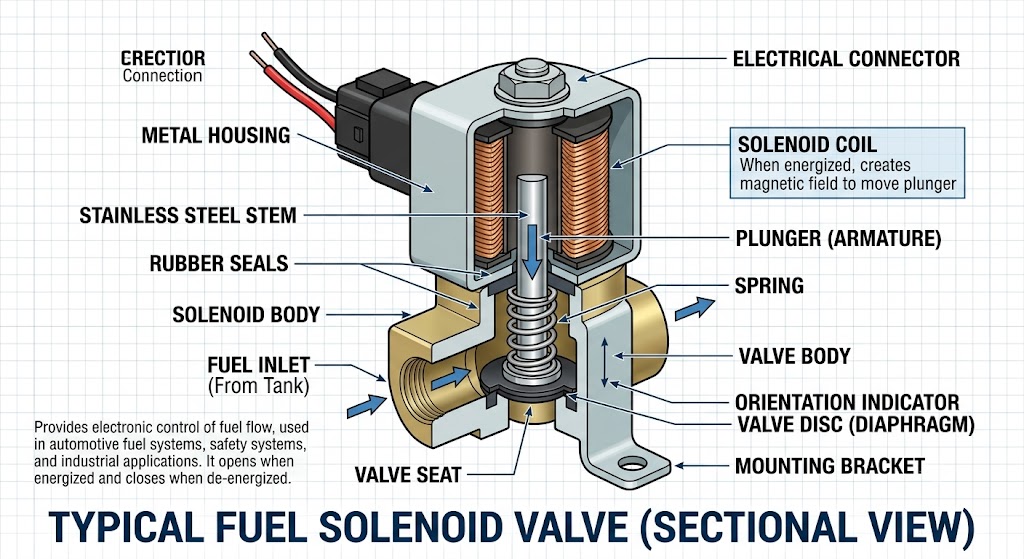
A gas solenoid valve is an electromechanical device that uses an electromagnetic coil to actuate a valve mechanism. When electrical power is supplied to the coil, a magnetic field is generated, causing a plunger or armature to move and open or close the valve.
Gas solenoid valves are specifically engineered to handle gaseous media such as:
- Natural Gas
- Liquefied Petroleum Gas (LPG)
- Propane
- Butane
- Biogas
- Compressed Air
- Nitrogen
- Industrial Process Gases
How Does a Gas Solenoid Valve Work?
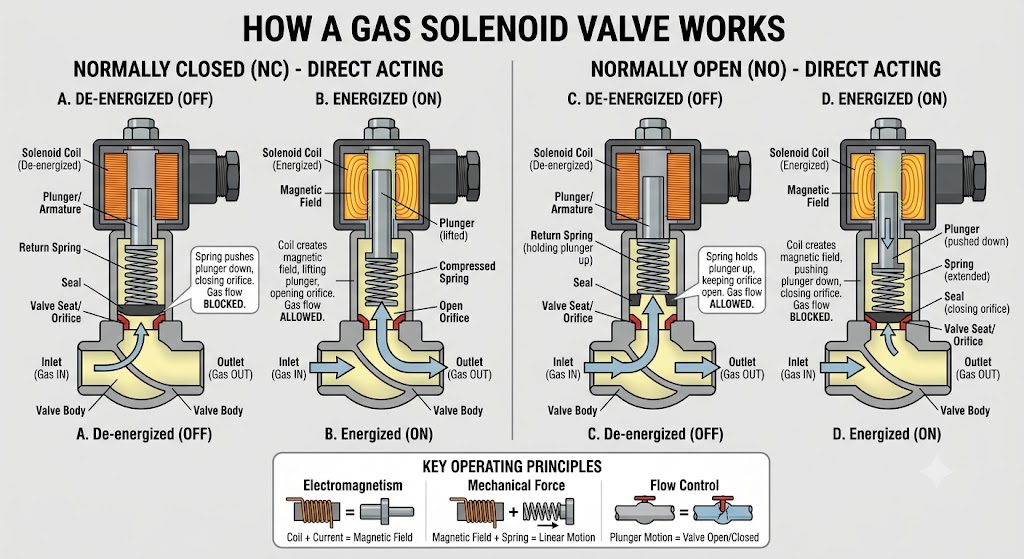
The operation of a gas solenoid valve relies on electromagnetic force generated by the solenoid coil.
Valve Closed State
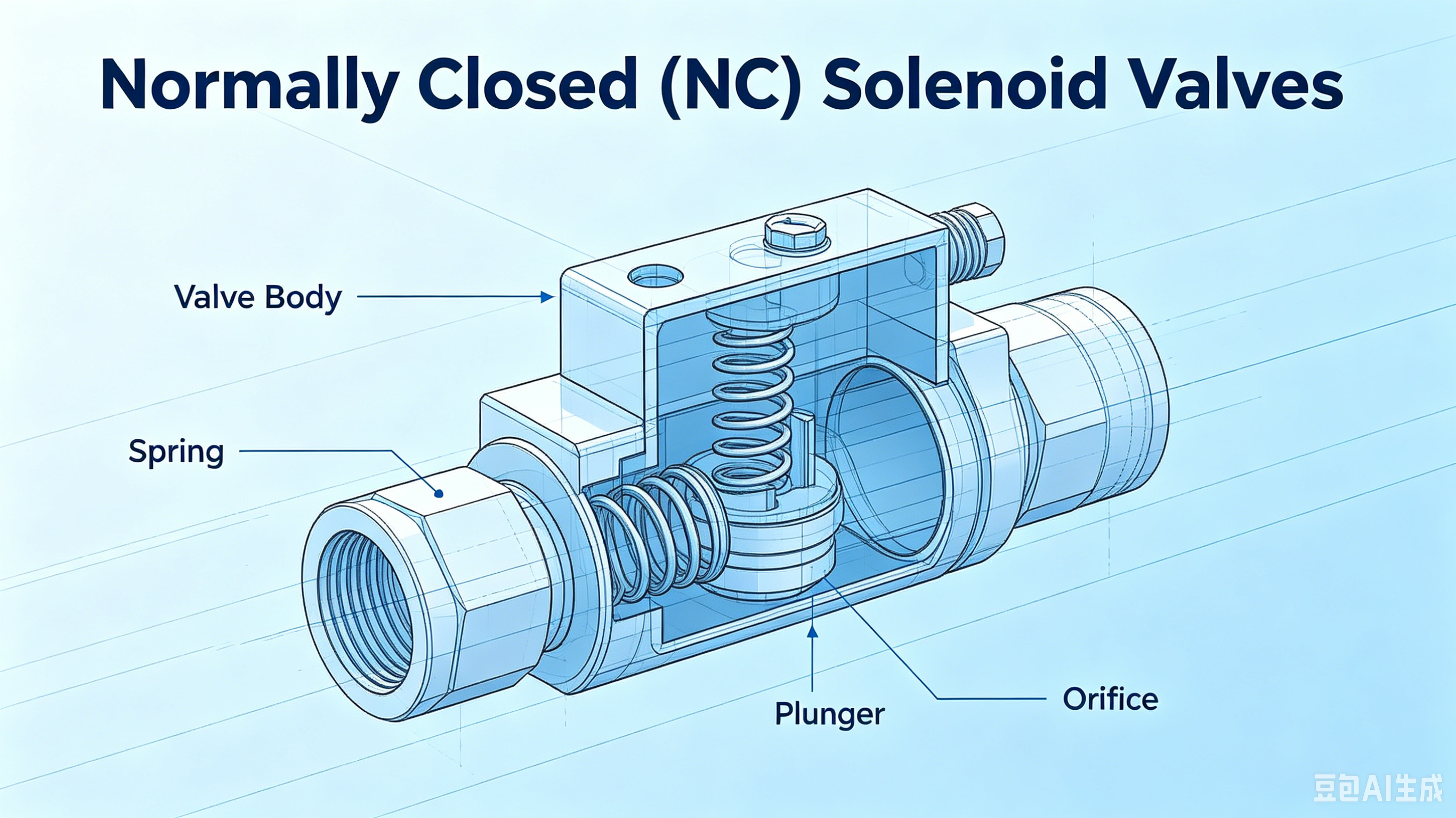
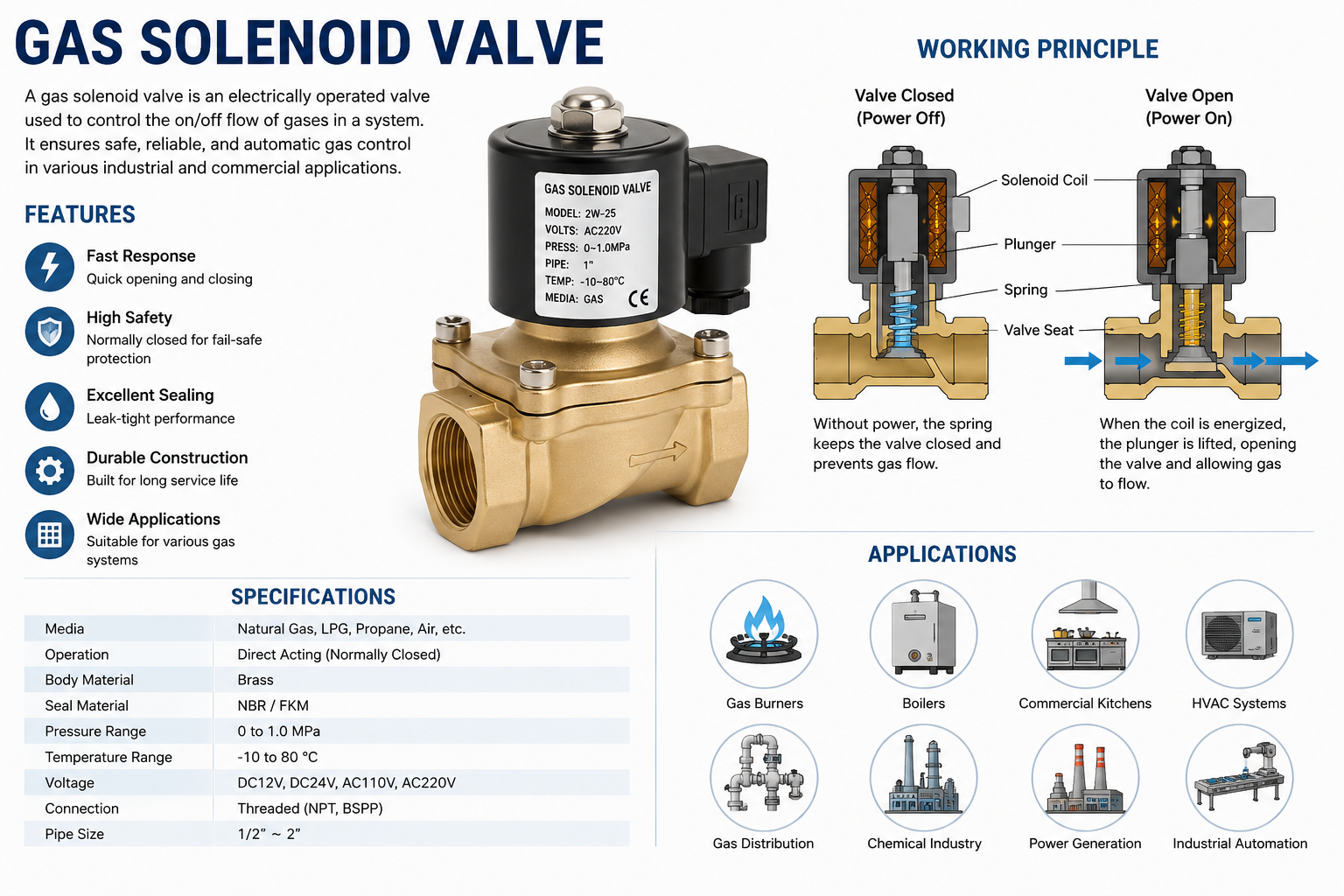
When no electrical power is applied, the spring mechanism keeps the valve closed, preventing gas flow through the pipeline.
Valve Open State
When the coil is energized, the electromagnetic field attracts the plunger upward, overcoming spring force and opening the valve passage. Gas can then flow through the system.
Power Failure Condition
Most gas solenoid valves are normally closed (NC). In the event of power loss, the valve automatically returns to the closed position, providing fail-safe protection.
Electrical Signal → Solenoid Coil Energized → Magnetic Force Generated → Plunger Movement → Valve Opens or Closes → Gas Flow Controlled
Main Components of a Gas Solenoid Valve
| Component | Function |
|---|---|
| Solenoid Coil | Generates magnetic force when energized |
| Plunger / Armature | Moves to open or close the valve |
| Valve Body | Contains the flow passage and pressure chamber |
| Spring | Returns valve to default position |
| Seal or Diaphragm | Prevents gas leakage |
| Electrical Connector | Provides power connection to the coil |
Types of Gas Solenoid Valves
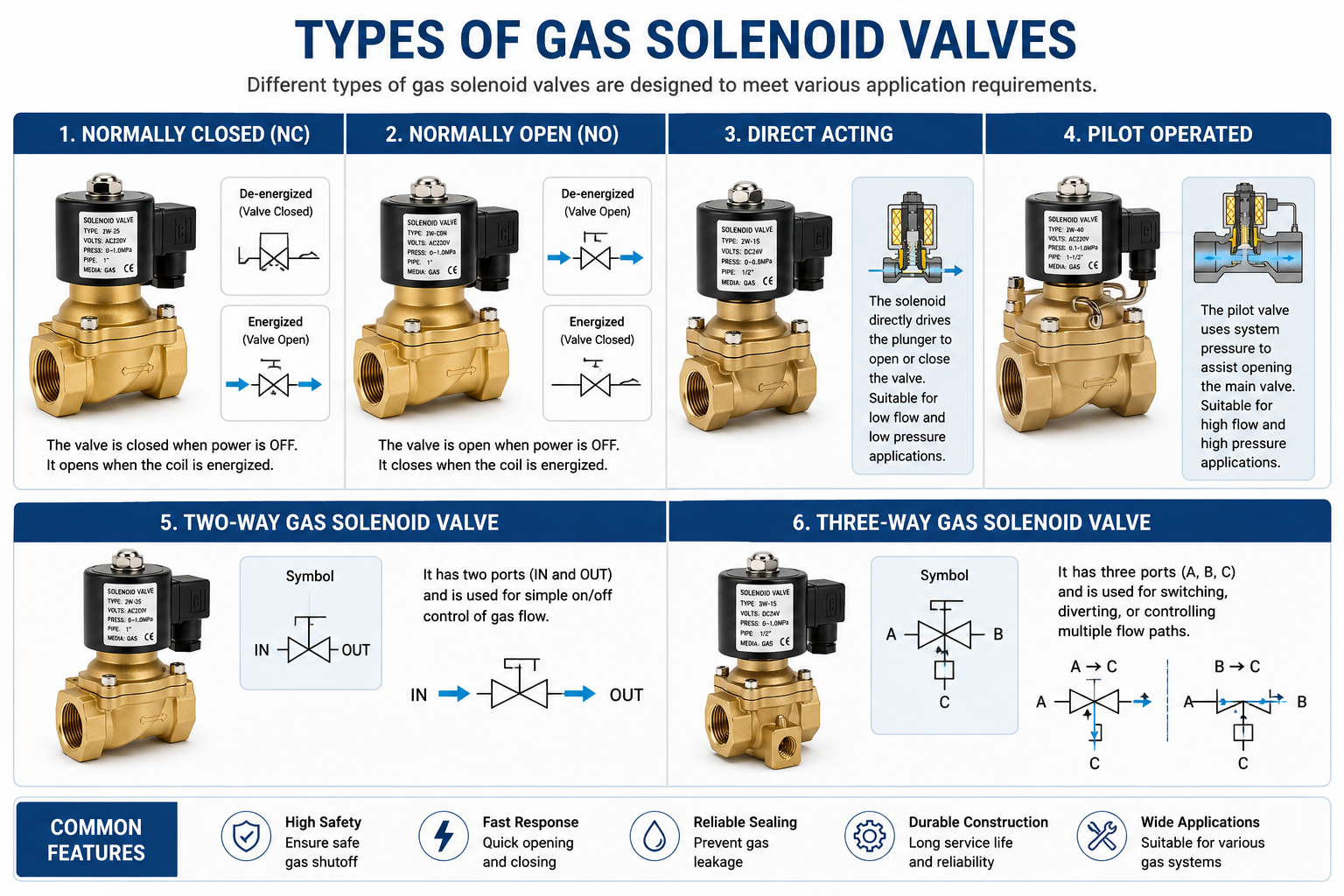
1. Normally Closed (NC)
Normally closed valves remain shut when de-energized and open only when power is applied. This is the most common configuration for gas safety applications.
2. Normally Open (NO)
Normally open valves allow gas flow without power and close when energized. They are used in specialized process control systems.
3. Direct Acting Gas Solenoid Valve
The solenoid directly moves the sealing element. These valves can operate at zero differential pressure and are suitable for small flow rates.
4. Pilot Operated Gas Solenoid Valve
Pilot-operated designs use system pressure to assist valve operation. They are commonly used in larger pipelines requiring higher flow capacities.
5. Two-Way Gas Solenoid Valve
Provides one inlet and one outlet for simple ON/OFF control.
6. Three-Way Gas Solenoid Valve
Features three ports and is used for switching, diverting, or controlling multiple flow paths.
Applications of Gas Solenoid Valves
Gas solenoid valves are widely used across many industries because of their reliability and automation capabilities.
- Industrial burner systems
- Natural gas distribution networks
- Boiler and furnace equipment
- Commercial kitchen gas systems
- HVAC heating equipment
- Gas-fired power generation plants
- Chemical processing facilities
- Petrochemical plants
- Compressed gas automation systems
- Emergency gas shutoff systems
Advantages of Gas Solenoid Valves
- Fast opening and closing response
- Excellent leak-tight performance
- Simple installation and operation
- Low maintenance requirements
- Remote automation capability
- High reliability in safety systems
- Compact design with minimal space requirements
- Suitable for integration with PLC and control systems
How to Select the Right Gas Solenoid Valve
Choosing the correct gas solenoid valve requires evaluating several technical factors.
| Selection Factor | Consideration |
|---|---|
| Gas Type | Natural gas, LPG, propane, biogas, etc. |
| Operating Pressure | Maximum and minimum working pressure |
| Flow Rate | Required Cv or Kv value |
| Pipe Size | Connection dimensions |
| Voltage | 24VDC, 12VDC, 110VAC, 220VAC, etc. |
| Valve Function | Normally closed or normally open |
| Ambient Conditions | Temperature, humidity, hazardous area requirements |
| Certification | ATEX, CE, UL, CSA, SIL, ISO standards |
Common Problems and Troubleshooting
Valve Does Not Open
- Incorrect supply voltage
- Burned solenoid coil
- Blocked pilot passage
- Insufficient pressure differential
Valve Does Not Close
- Damaged spring
- Contamination inside the valve
- Worn sealing components
Gas Leakage
- Damaged diaphragm or seal
- Improper installation
- Loose fittings or connections
Overheating Coil
- Continuous duty beyond rating
- Incorrect voltage supply
- Poor ventilation conditions
Gas Solenoid Valve Maintenance Tips
- Inspect electrical connections regularly.
- Clean filters and strainers periodically.
- Check for external leakage around fittings.
- Monitor coil temperature during operation.
- Replace worn seals and diaphragms as needed.
- Perform functional testing according to maintenance schedules.
- Verify emergency shutoff operation periodically.
Frequently Asked Questions (FAQ)
Can a gas solenoid valve be installed in any direction?
Many models support multiple mounting orientations, but manufacturers often recommend installing the valve with the coil positioned vertically for optimal performance.
What voltage options are available?
Common options include 12VDC, 24VDC, 24VAC, 110VAC, and 220VAC depending on the application requirements.
Why are normally closed gas solenoid valves more common?
They provide fail-safe protection because the valve automatically closes when power is lost, helping prevent uncontrolled gas flow.
Can gas solenoid valves be used outdoors?
Yes. Outdoor installations typically require weatherproof or explosion-proof enclosures depending on environmental and safety requirements.
Conclusion
A gas solenoid valve is a critical component in modern gas control and safety systems. By utilizing electromagnetic actuation, these valves provide reliable and efficient control of natural gas, LPG, propane, and various industrial gases. Whether used in industrial burners, HVAC systems, gas distribution networks, or automated process plants, selecting the correct valve type, pressure rating, and certification ensures safe and dependable operation. Proper installation and maintenance further enhance system performance, longevity, and safety compliance.
If you want to learn more about low-priced products, please visit the following website: www.xm-valveactuator.com