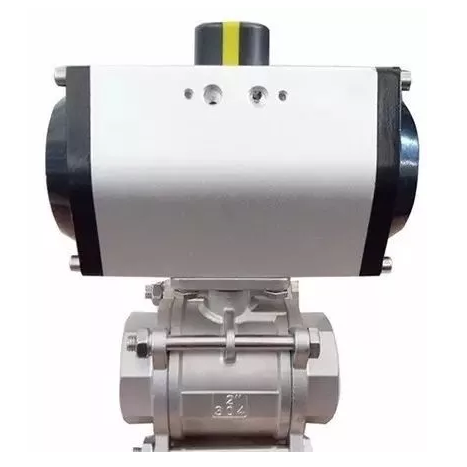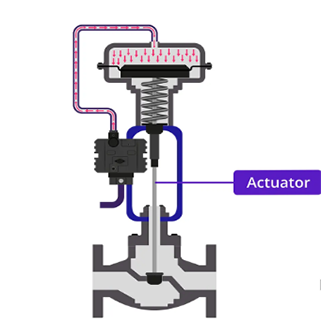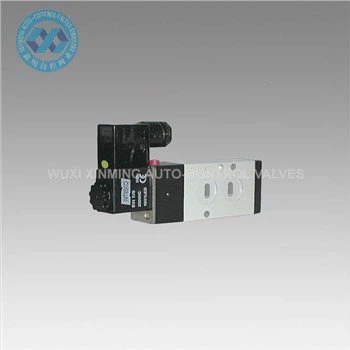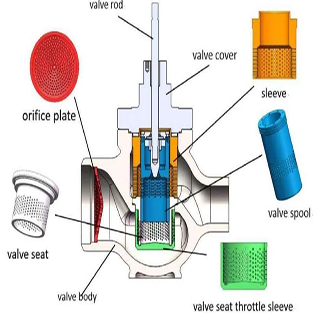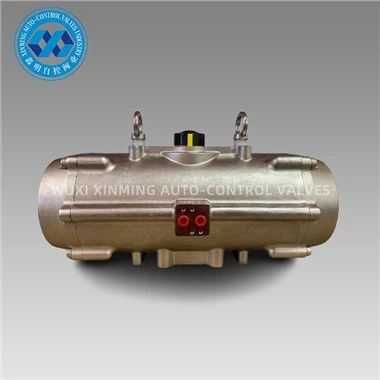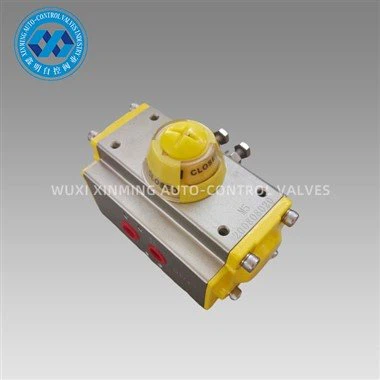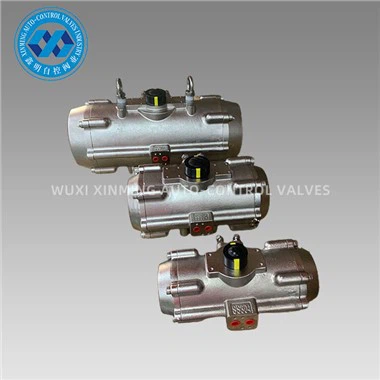
A fuel solenoid valve is an electromechanically operated valve designed to control the flow of fuel in various systems. Widely used in industrial machinery, automotive engines, heating systems, and power generation equipment, these valves play a critical role in ensuring precise fuel delivery, enhanced safety, and improved operational efficiency. Understanding how fuel solenoid valves work and how to select the right one is essential for engineers, technicians, and equipment manufacturers alike.
What Is a Fuel Solenoid Valve?
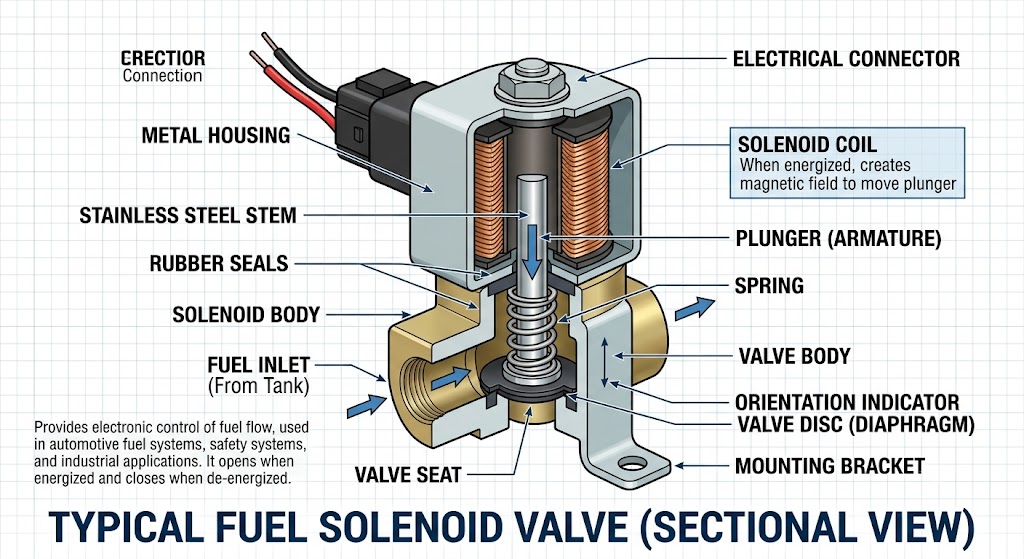
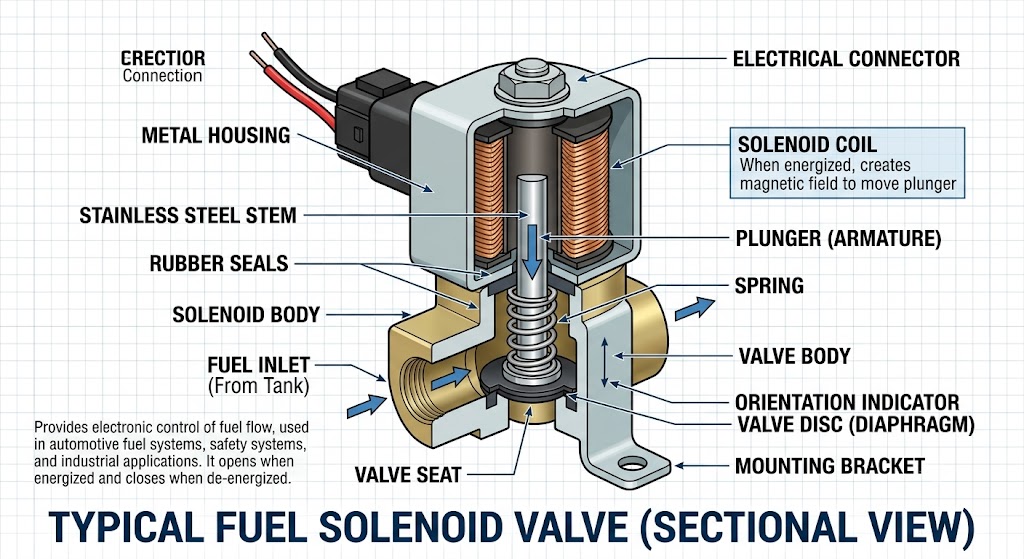
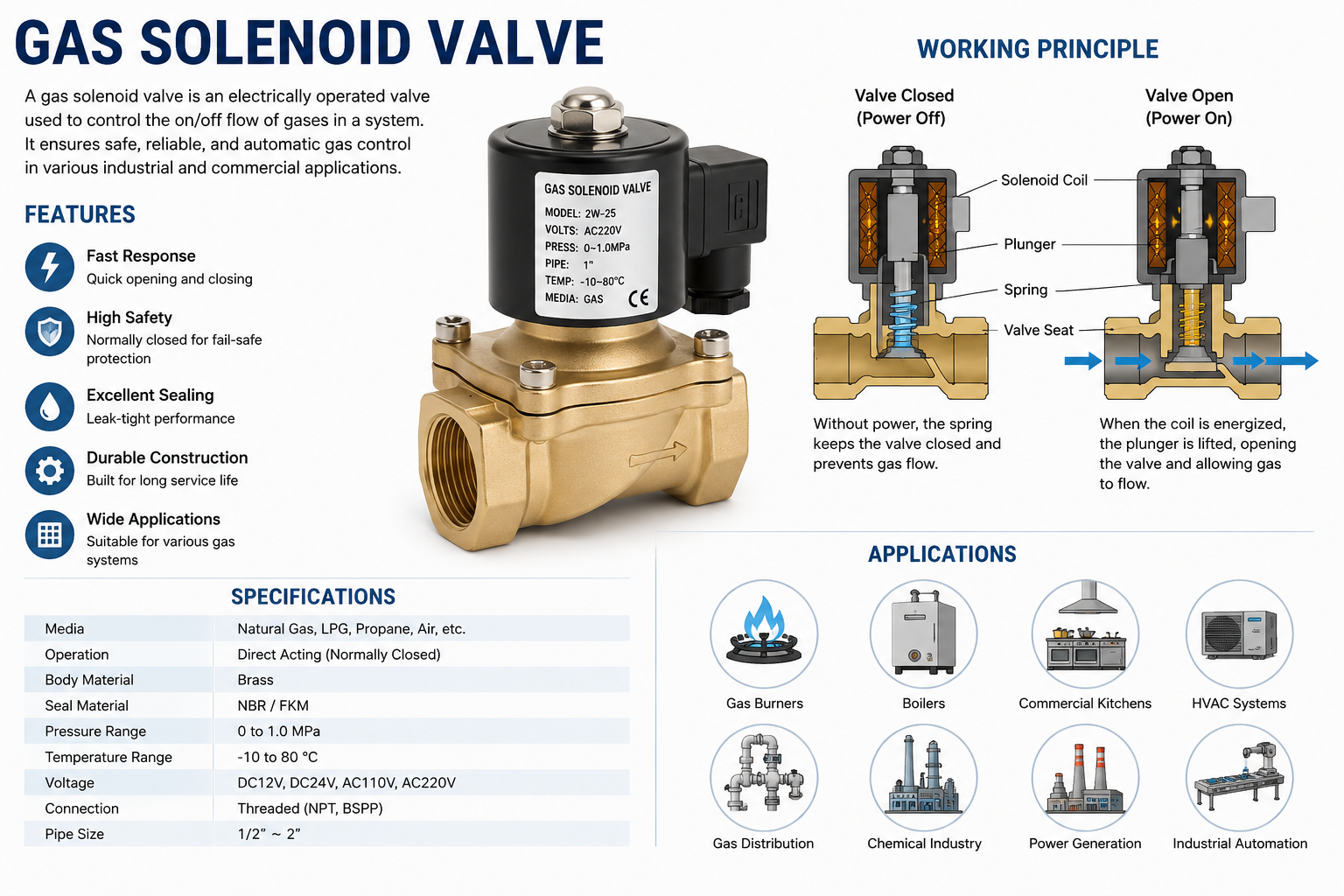
A fuel solenoid valve is a device that uses an electromagnetic coil to open or close a valve mechanism, thereby controlling the flow of fuel through a pipeline or fuel line. When electrical current is applied to the solenoid coil, it generates a magnetic field that moves a plunger or core, which in turn opens or closes the valve port. This allows for remote or automated control of fuel flow without the need for manual intervention.
These valves are essential components in fuel injection systems, oil burners, generators, HVAC systems, and various industrial processes where precise fuel control is required. They provide fast response times, reliable operation, and excellent durability in demanding environments.
How Does a Fuel Solenoid Valve Work?
The operation of a fuel solenoid valve is based on the electromagnetic principle discovered by Michael Faraday. When electrical voltage is applied to the coil winding, it creates a magnetic field that attracts a ferromagnetic plunger. This plunger is mechanically linked to the valve's obturator or disc.
Basic Operating Principle
1. De-energized State: When the coil is not powered, a spring typically holds the valve in its normally closed (NC) or normally open (NO) position, preventing or allowing fuel flow.
2. Energized State: When electrical current flows through the coil, the magnetic force overcomes the spring tension, moving the plunger to open or close the valve port.
3. Control Signal: External control systems (PLC, microcontroller, or manual switch) determine when to energize or de-energize the valve based on system requirements.
Types of Fuel Solenoid Valves
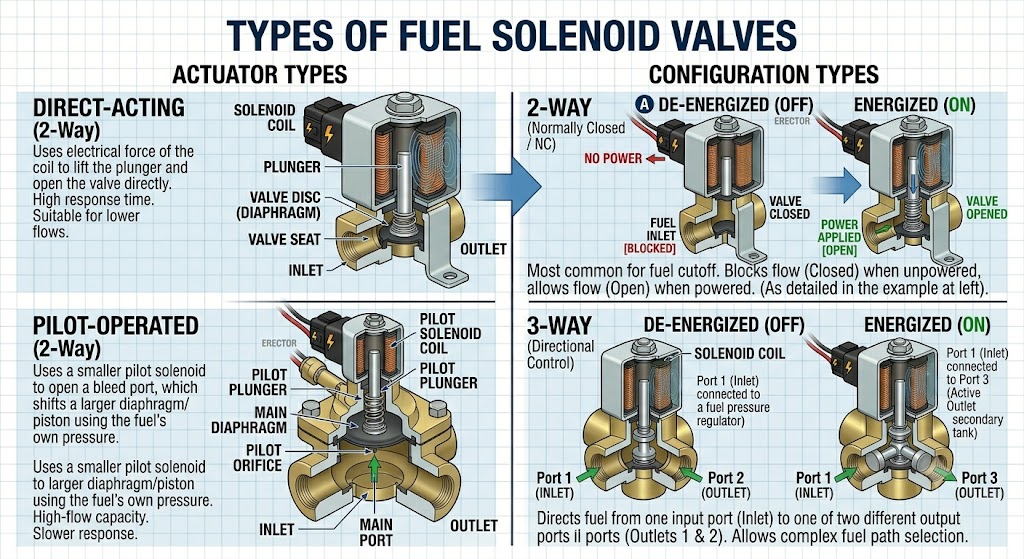
1. Two-Way Solenoid Valves
Two-way solenoid valves have two ports (one inlet, one outlet) and are the most common type used in fuel applications. They are ideal for simple on-off control where fuel must be shut off completely when the system is not operating.
2. Three-Way Solenoid Valves
Three-way solenoid valves have three ports and are used in applications requiring fuel to be diverted between two different paths. They are commonly found in combination with other valves in complex fuel systems.
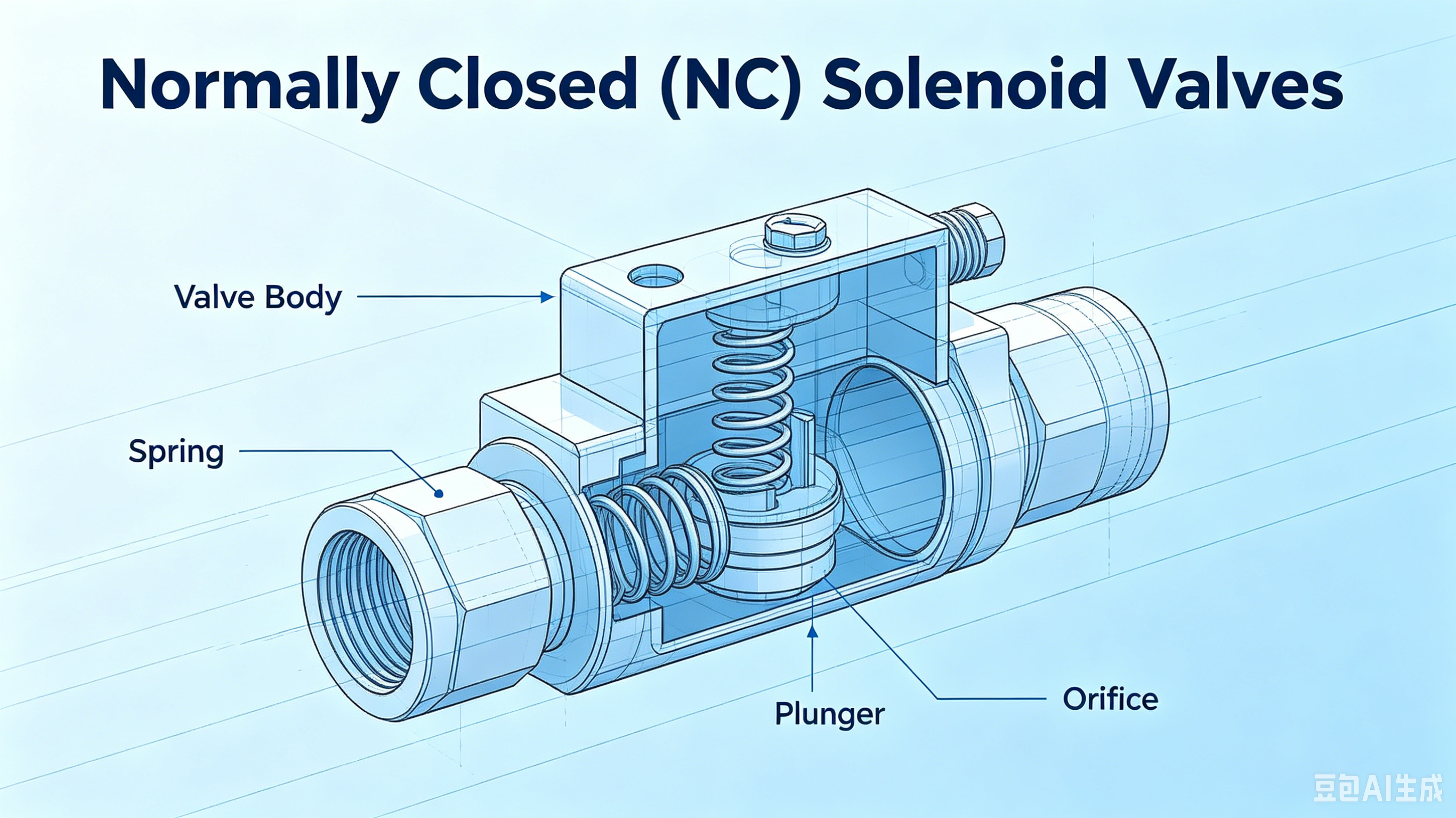
3. Normally Closed (NC) Solenoid Valves
In normally closed valves, the valve remains closed when the coil is de-energized. Fuel flow is only permitted when electrical power is applied. This type is preferred for safety applications where fuel must be shut off during power failures or emergencies.
4. Normally Open (NO) Solenoid Valves
Normally open valves allow fuel flow when de-energized and close when electrical power is applied. These are used in applications where continuous fuel supply is required during normal operation, with closure only needed during specific events.
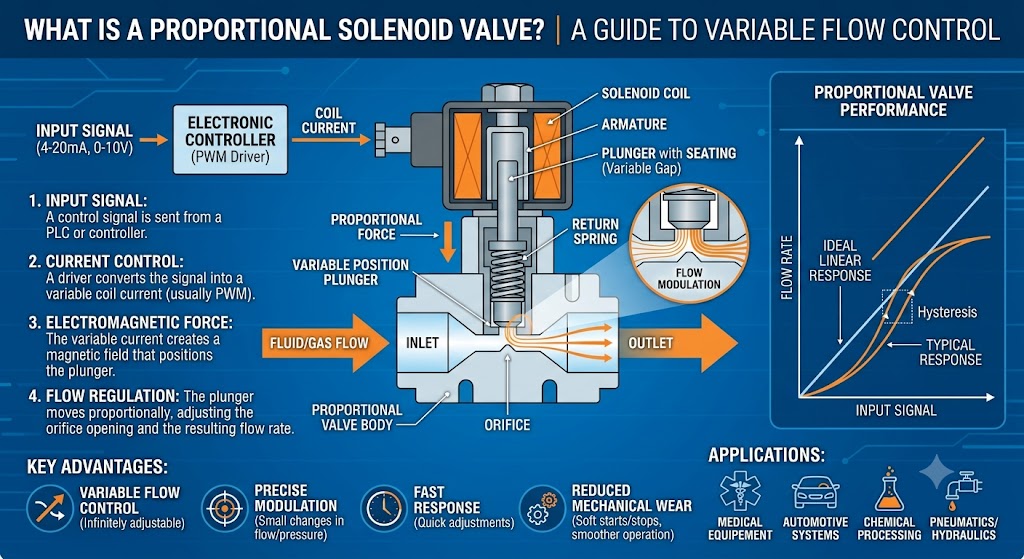
5. Proportional Solenoid Valves
Proportional valves can modulate the opening degree based on the input signal, allowing for precise flow control rather than simple on-off operation. They are essential in advanced fuel injection systems and combustion control applications.
Applications of Fuel Solenoid Valves
- Automotive Fuel Systems: Control of fuel flow in gasoline and diesel injection systems, ensuring precise delivery to engine cylinders.
- Industrial Oil Burners: Regulation of fuel oil flow in commercial and industrial heating systems, boilers, and furnaces.
- Power Generation: Fuel control in diesel generators, gas turbines, and backup power systems for reliable operation.
- HVAC Systems: Management of fuel flow in heating, ventilation, and air conditioning equipment.
- Agricultural Equipment: Fuel control in tractors, harvesters, and irrigation systems with diesel engines.
- Marine Engines: Fuel valve control in ship propulsion systems and auxiliary generators.
- Chemical Processing: Precise fuel metering in chemical plants and refineries.
- Fire Suppression Systems: Some specialized fuel solenoid valves are used in foam-based fire suppression systems.
Key Specifications and Selection Criteria
| Specification | Description | Typical Range |
|---|---|---|
| Port Size | Diameter of inlet and outlet ports | 1/8" to 3" (3mm to 76mm) |
| Operating Voltage | Electrical voltage required for operation | 12V DC, 24V DC, 110V AC, 220V AC |
| Pressure Rating | Maximum operating pressure | 0-10 bar to 0-200 bar |
| Temperature Range | Operating temperature limits | -20°C to +80°C (standard), up to 200°C (high-temp) |
| Flow Rate | Volume of fuel that can pass through | 0.5 L/min to 500 L/min |
| Response Time | Speed of opening/closing | 10ms to 500ms |
| Material | Construction materials for wetted parts | Brass, Stainless Steel, Aluminum, Plastic |
Installation Guidelines
Proper installation of fuel solenoid valves is crucial for optimal performance and safety. Follow these essential guidelines:
- Verify Compatibility: Ensure the valve is rated for the specific fuel type (gasoline, diesel, kerosene, natural gas, etc.) and compatible with all system parameters.
- Check Flow Direction: Many solenoid valves are directional. Install with arrows pointing in the correct flow direction as indicated on the valve body.
- Maintain Cleanliness: Keep ports covered during installation to prevent debris from entering the valve mechanism.
- Secure Mounting: Use appropriate brackets or fittings to secure the valve and prevent vibration damage.
- Electrical Connections: Follow manufacturer specifications for wiring, voltage, and grounding requirements.
- Pressure Testing: After installation, perform pressure tests to verify no leaks are present.
- Accessibility: Position valves where they can be easily accessed for maintenance and inspection.
Maintenance Best Practices
Preventive Maintenance Schedule
Regular maintenance extends valve life and ensures reliable operation:
- Monthly: Visual inspection for leaks, corrosion, and unusual wear
- Quarterly: Test operation cycles and check electrical connections
- Annually: Clean or replace filters, inspect internal components
- As Needed: Replace worn seals, coils, or complete valve assemblies
Common Problems and Troubleshooting
Valve Fails to Open
If the solenoid valve fails to open, check: power supply voltage, coil continuity, correct voltage at coil terminals, and mechanical obstructions in the valve body. A multimeter can help diagnose electrical issues, while visual inspection reveals physical blockages.
Valve Leaks
Leaks may occur at the port connections, around the stem, or through the valve seat. Worn seals, damaged O-rings, or excessive pressure beyond the valve's rating are common causes. Replace worn components promptly and verify system pressure is within specifications.
Abnormal Noise
Buzzing or humming sounds often indicate voltage issues, such as insufficient voltage or AC/DC type mismatch. Investigate the power supply and ensure the correct coil type is installed for your system.
Slow Response
Delayed operation may result from degraded coil performance, worn springs, contaminated fuel, or pressure levels outside normal operating ranges. Diagnose and address each potential cause systematically.
Advantages of Fuel Solenoid Valves
- Fast Response: Immediate on-off control with response times measured in milliseconds.
- Precision Control: Accurate fuel metering and flow regulation for optimal combustion efficiency.
- Remote Operation: Integration with control systems enables automated and remote operation.
- Energy Efficiency: Power is only consumed during state changes, not during steady-state hold.
- Reliability: Simple design with few moving parts results in excellent durability and long service life.
- Safety: Fail-safe designs ensure fuel shutoff during power failures or emergencies.
- Compact Design: Small form factor allows installation in space-constrained applications.
Choosing the Right Fuel Solenoid Valve
Selecting the appropriate fuel solenoid valve requires careful consideration of multiple factors:
- Fuel Type: Different fuels have varying properties (viscosity, lubricity, corrosiveness) that affect material selection.
- Operating Pressure: The valve must withstand maximum system pressure with adequate safety margin.
- Flow Requirements: Match valve capacity to system flow demands to avoid pressure drops.
- Electrical Specifications: Ensure voltage and power compatibility with your control system.
- Environment: Consider temperature extremes, moisture, vibration, and hazardous area classifications.
- Certifications: Verify required certifications (UL, CSA, ATEX, IECEx) for your application.
- Manufacturer Reputation: Choose reputable manufacturers known for quality and support.
Frequently Asked Questions
Q: Can fuel solenoid valves be used with both diesel and gasoline?
A: Yes, many fuel solenoid valves are rated for multiple fuel types. However, always verify compatibility with your specific fuel and check manufacturer specifications, as some materials may not be suitable for certain fuel formulations.
Q: What is the difference between NC and NO solenoid valves?
A: Normally Closed (NC) valves close when de-energized and open when powered. Normally Open (NO) valves do the opposite. NC valves are preferred for safety applications where fuel should not flow during power loss.
Q: How long do fuel solenoid valves typically last?
A: With proper installation and maintenance, quality solenoid valves can last 5-15 years or more. Service life depends on operating conditions, cycle frequency, and fuel quality.
Q: Can solenoid valves be repaired or only replaced?
A: Many valves can be serviced by replacing wear parts (seals, O-rings, coils). Complete replacement is often more cost-effective than extensive repairs, especially for industrial-grade valves.
Q: Are proportional solenoid valves more expensive than standard on-off valves?
A: Yes, proportional valves typically cost more due to their sophisticated design and precise manufacturing tolerances. However, they offer significant benefits in applications requiring variable flow control.
Industry Standards and Certifications
Fuel solenoid valves used in commercial and industrial applications should comply with relevant industry standards:
- ISO 9001: Quality management system certification ensures consistent manufacturing quality.
- UL Certification: Underwriters Laboratories testing for electrical safety in the United States.
- CE Marking: Indicates compliance with European Union safety and environmental standards.
- ATEX/IECEx: Certifications for equipment used in explosive atmospheres.
- API Standards: American Petroleum Institute standards for oil and gas industry applications.
Conclusion
Fuel solenoid valves are essential components in modern fuel systems, providing reliable, precise, and automated control of fuel flow across countless applications. Understanding the different types, operating principles, and selection criteria is vital for engineers and technicians working with fuel systems.
Whether you are designing a new fuel system, maintaining existing equipment, or selecting replacement valves, the information in this guide will help you make informed decisions. Invest in quality valves from reputable manufacturers, follow proper installation and maintenance procedures, and always prioritize safety in your fuel system designs.
With the right fuel solenoid valve properly installed, you can achieve optimal system performance, improved efficiency, enhanced safety, and reduced operational costs over the long term.
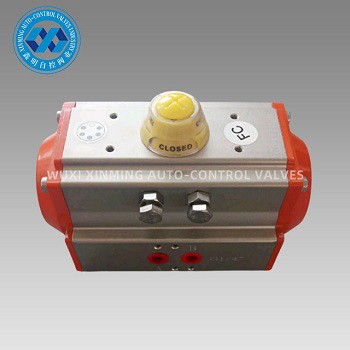
If you want to learn more about low-priced products, please visit the following website: www.xm-valveactuator.com