Solenoid valves are essential components in countless industrial applications, from hydraulic systems to irrigation control. Understanding the difference between Normally Open (NO) and Normally Closed (NC) solenoid valves is crucial for selecting the right valve for your specific needs. This guide will help you make an informed decision.
What is a Solenoid Valve?
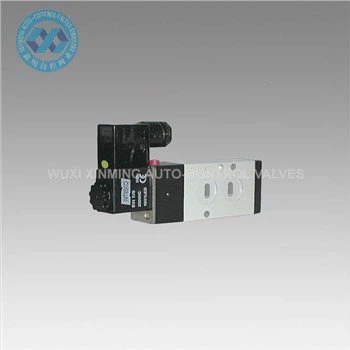
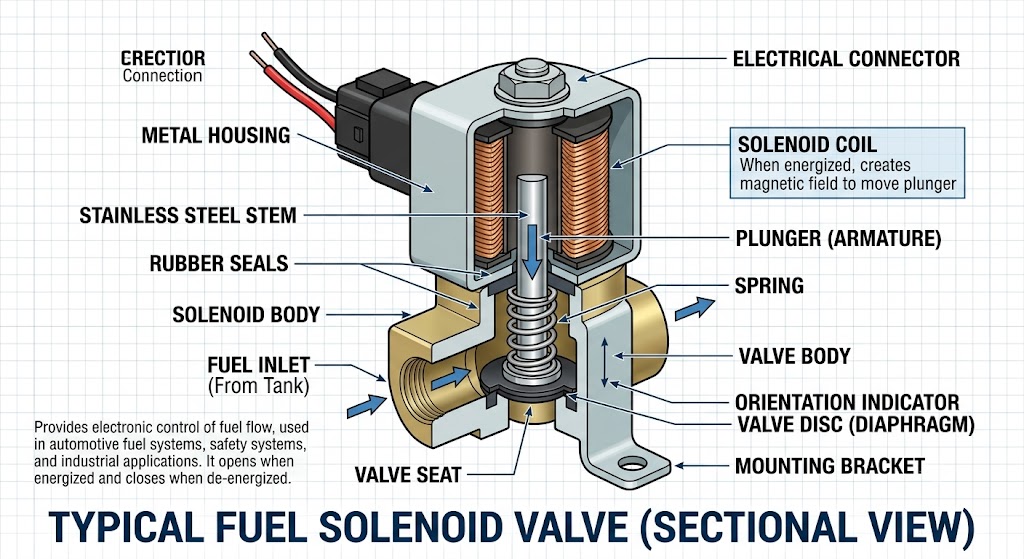
A solenoid valve is an electromechanical device that controls the flow of air, water, oil, or other fluids in a system. It consists of a coil winding around a movable steel plunger. When electrical current passes through the coil, it creates a magnetic field that moves the plunger, either opening or closing the valve port.
The fundamental difference between NO and NC solenoid valves lies in their default state when de-energized (no electrical power applied). This default state determines the valve's behavior in failure scenarios and its suitability for specific applications.
Normally Closed (NC) Solenoid Valves
Key Characteristics of NC Valves
- Valve is closed when coil is de-energized
- Flow is blocked in the default state
- Opens only when electrical power is applied
- Commonly used for safety applications
- Fail-safe design prevents unintended flow
- Requires constant power to maintain flow
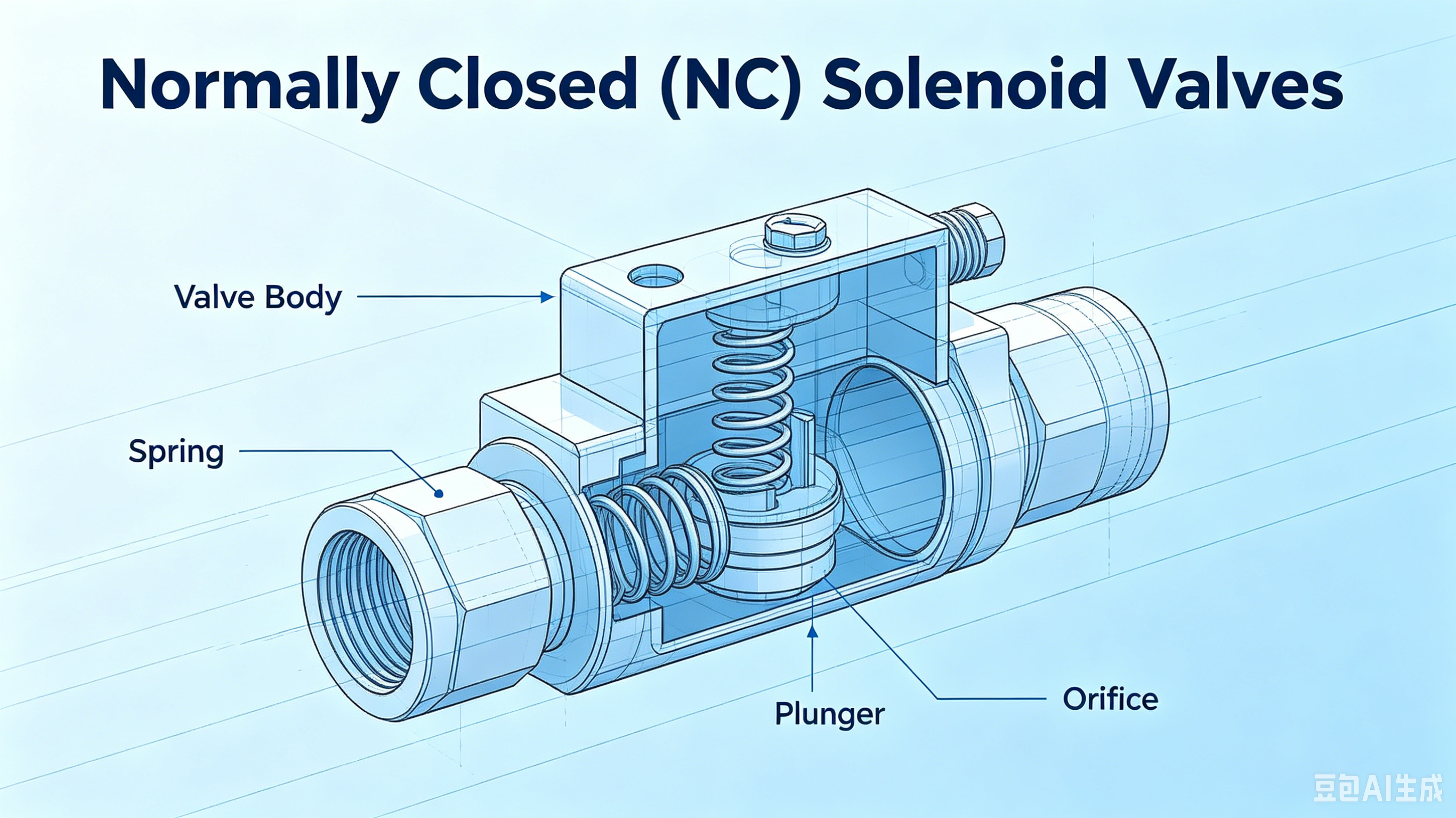
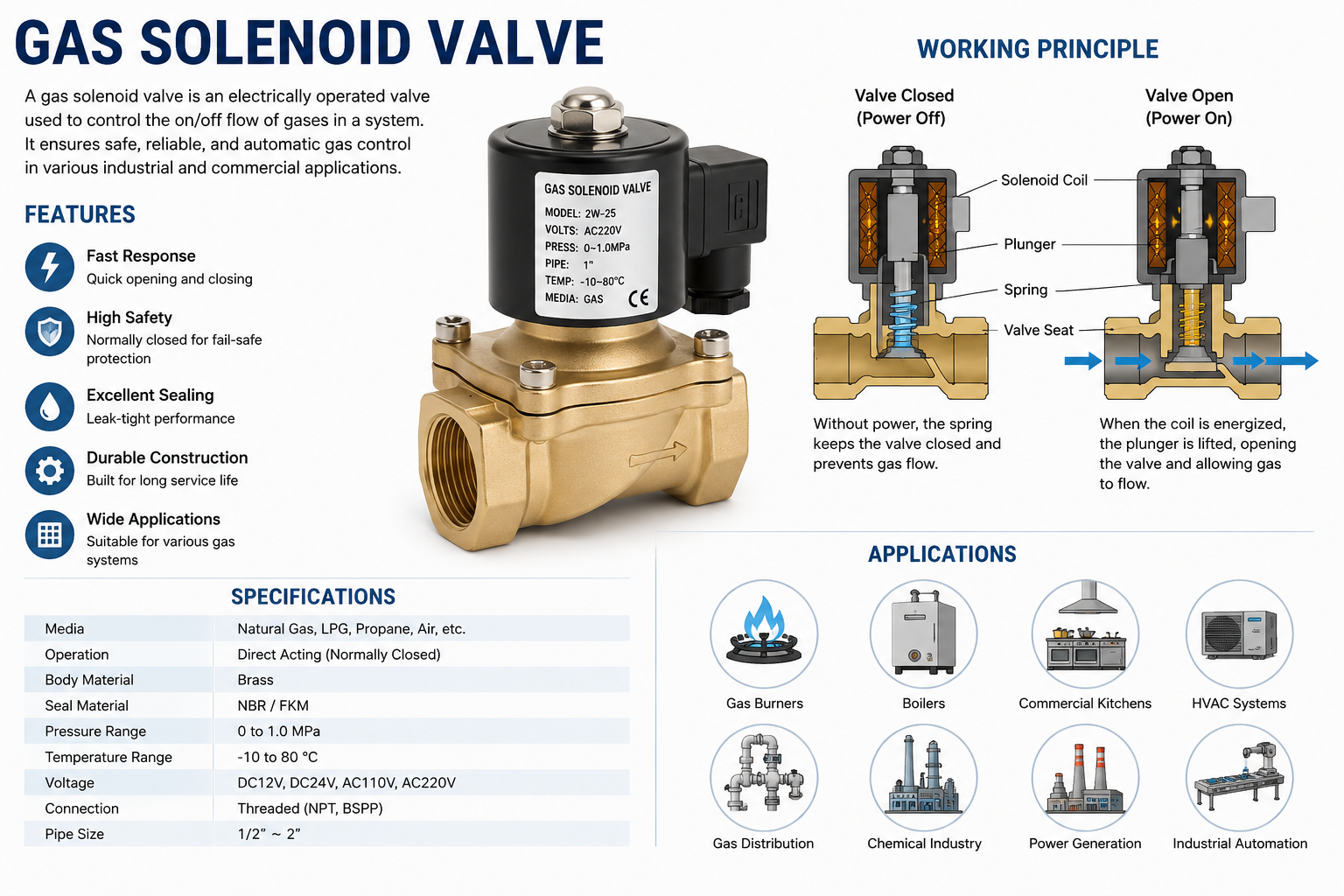
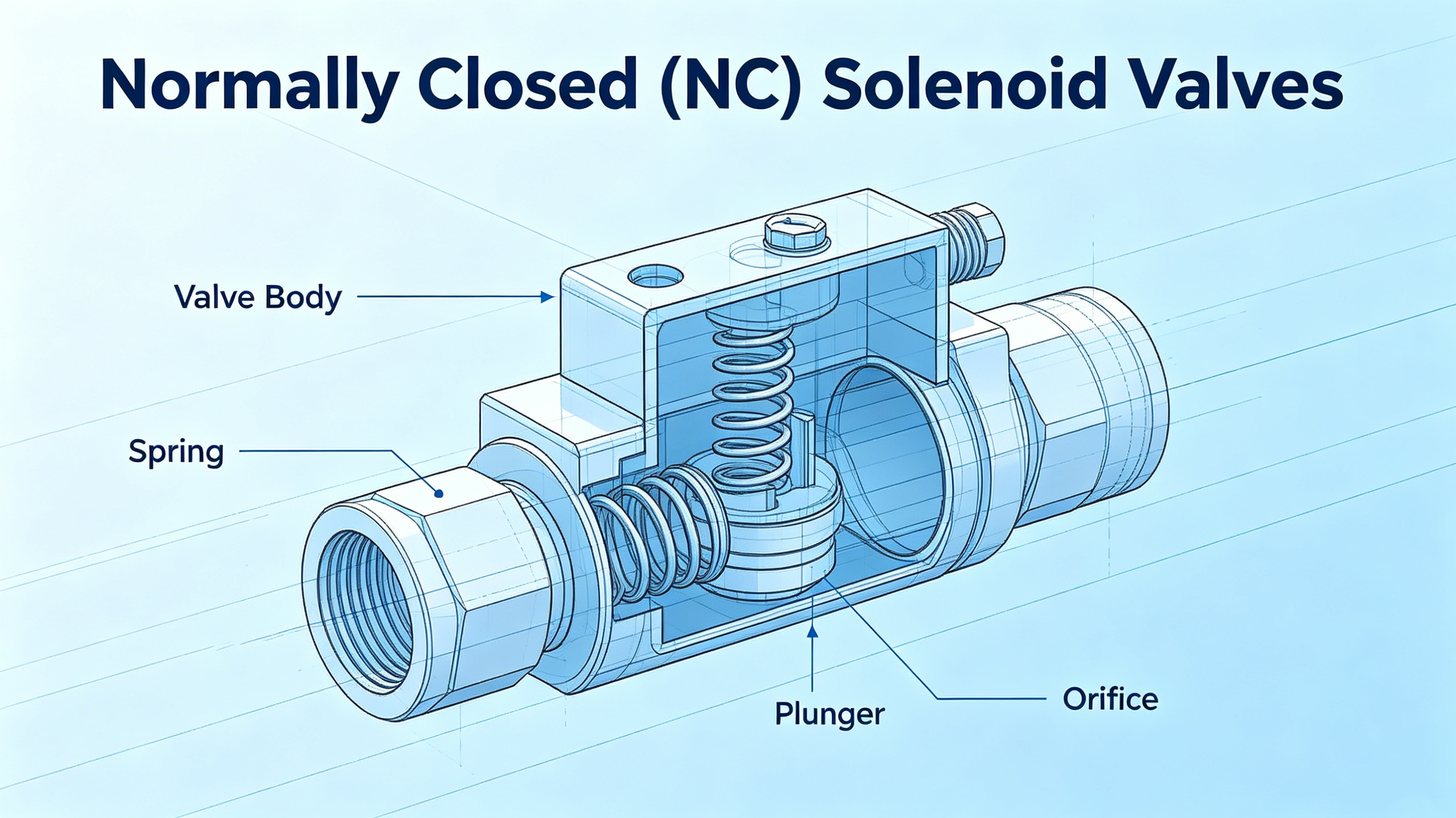
Normally Closed solenoid valves are the most commonly used type in industrial applications. In their default (de-energized) state, the valve port remains closed, preventing fluid flow. When electrical power is applied to the coil, the magnetic field lifts the plunger, opening the port and allowing fluid to pass through.
Normally Open (NO) Solenoid Valves
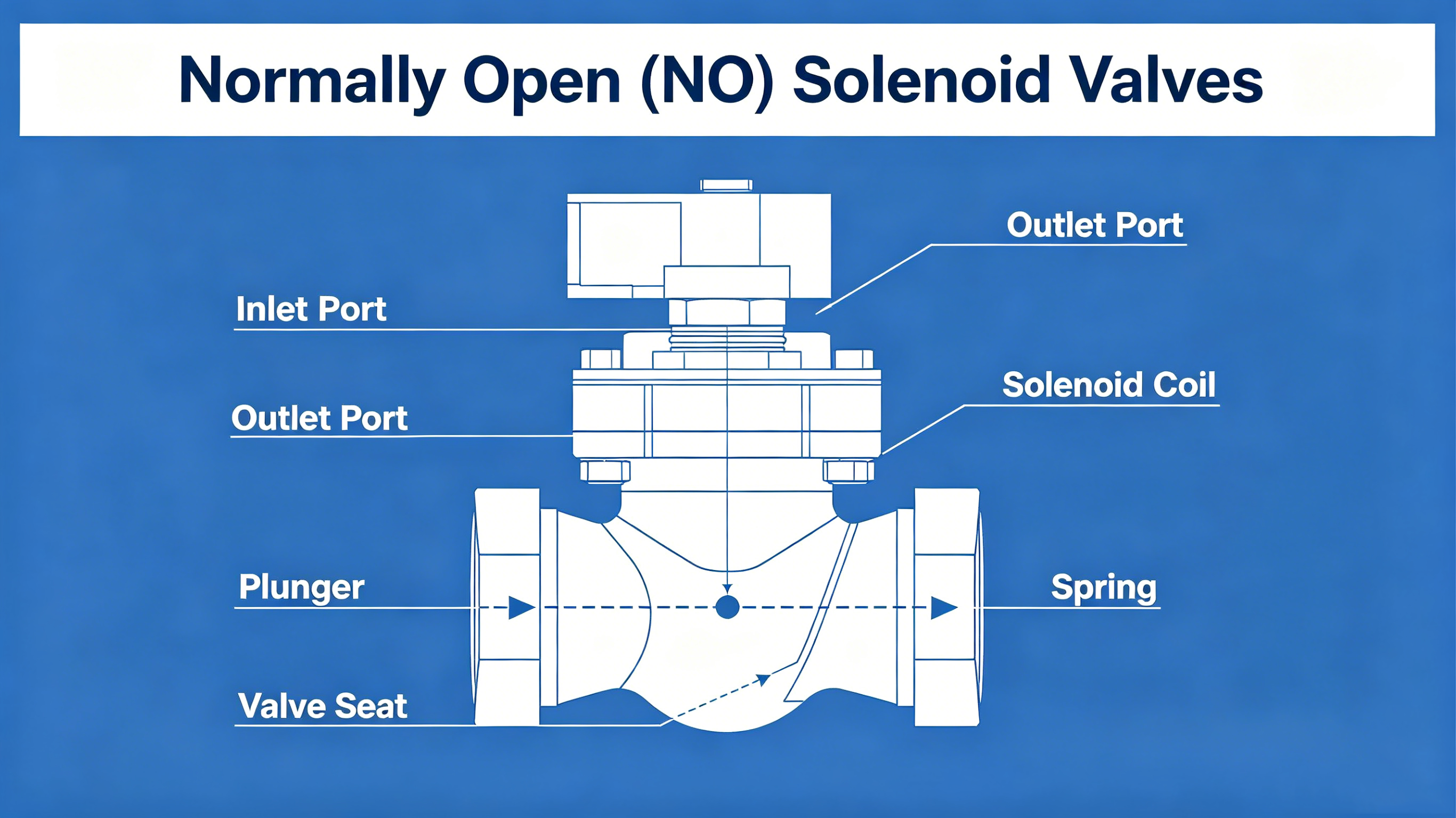
Key Characteristics of NO Valves
- Valve is open when coil is de-energized
- Flow passes through in the default state
- Closes only when electrical power is applied
- Used for applications requiring default flow
- Fail-open design allows continuous operation
- Requires power only to stop flow
Normally Open solenoid valves operate in the opposite manner from NC valves. When de-energized, the valve port remains open, allowing fluid to flow through. Applying electrical power causes the plunger to seal the port, stopping the flow. This makes NO valves suitable for applications where default flow is required.
Direct Comparison: NO vs NC Solenoid Valves
| Feature | Normally Closed (NC) | Normally Open (NO) |
|---|---|---|
| Default State | Closed (no flow) | Open (flow allowed) |
| Power Required | To OPEN valve | To CLOSE valve |
| Energy Consumption | Power ON = Flow (continuous) | Power ON = No Flow |
| Fail Mode | Fail-safe (stops flow) | Fail-open (allows flow) |
| Safety Application | Preferred for safety shutdown | Used for cooling/venting |
| Common Use | Shut-off, safety relief | By-pass, circulation |
| Power Failure Behavior | Valve closes automatically | Valve opens automatically |
| Cost Efficiency | Higher (continuous power needed) | Lower (power only to close) |
How Each Type Works
NC Solenoid Valve Operation
De-energized State
The spring force pushes the plunger against the port, keeping it closed. No fluid can pass through. This is the valve's default "safe" state.
Energized State
Electrical current activates the coil, creating a magnetic field that overcomes spring force. The plunger lifts, opening the port and allowing fluid flow.
NO Solenoid Valve Operation
De-energized State
Without spring restraint, the plunger stays away from the port. Fluid flows freely through the open valve. This is the default operational state.
Energized State
The magnetic field pulls the plunger toward the port, sealing it closed. Flow stops when electrical power is applied.
Common Applications
Normally Closed Valve Applications
NC solenoid valves are preferred in applications where fail-safe operation is critical:
- Safety Shutdown Systems: Emergency stop valves that close when power is lost
- Irrigation Systems: Prevents water leakage when system is off
- Hydraulic Presses: Ensures machine stops safely during power failure
- Gas Appliances: Safety shutoff for gas valves
- Water Heaters: Prevents uncontrolled hot water flow
- Medical Equipment: Critical fluid control applications
- Fire Suppression: Normally closed until activated
Normally Open Valve Applications
NO solenoid valves are used when default flow is necessary:
- Cooling Systems: Allows coolant flow during normal operation
- Ventilation: Continuous air flow when system is active
- Circulation Pumps: Maintains fluid circulation
- By-pass Lines: Allows flow around main valves
- Compressor Unloaders: Vents air when needed
- Drain Systems: Continuous draining capability
- Thermal Relief: Prevents thermal buildup
How to Choose the Right Solenoid Valve
Selection Criteria Checklist
- Determine Default State Needed: Do you need flow or no flow when power is off? Choose NC for no-flow default, NO for flow default.
- Assess Safety Requirements: Consider what happens during power failure. Will unintended flow cause damage or danger?
- Calculate Energy Costs: NC valves use power during operation. NO valves use power only to stop flow.
- Match Media and Pressure: Ensure the valve is rated for your specific fluid type and operating pressure.
- Consider Response Time: Direct-acting valves respond faster; pilot-operated valves are better for high flows.
- Verify Temperature Range: Ensure compatibility with your system's operating temperatures.
- Check Voltage Requirements: Match coil voltage (AC/DC) with your power supply.
Quick Decision Guide
Choose Normally Closed when:
- Safety is paramount (emergency shutdown)
- Unintended flow could cause damage
- Power loss should stop all flow
- You're controlling hazardous materials
Choose Normally Open when:
- Continuous flow is required during normal operation
- Power efficiency is a priority
- Cooling or ventilation must remain active
- By-pass flow is acceptable during failure
Frequently Asked Questions
Conclusion
Choosing between Normally Open and Normally Closed solenoid valves depends entirely on your application's safety requirements, operational needs, and failure mode considerations. NC valves provide fail-safe operation by stopping flow when power is lost, making them ideal for safety-critical applications. NO valves allow continuous flow by default, which is beneficial for cooling systems and energy-efficient operations.
Always consult with a qualified engineer or solenoid valve specialist when selecting valves for critical applications. The right choice ensures system reliability, safety, and optimal performance.