In the world of industrial fluid control, precision and reliability are paramount. One of the most critical components used to manage the flow of liquids and gases is the Normally Open (NO) solenoid valve. Understanding how these components function is essential for designing efficient automated systems and ensuring safety in various industrial applications.
In this guide, we will break down the working principle, internal components, and the key differences between Normally Open and Normally Closed designs.
What is a Normally Open Solenoid Valve?
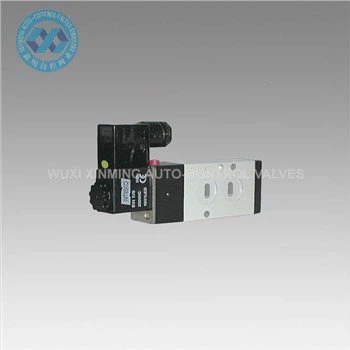
A Normally Open (NO) solenoid valve is an electromechanical device that remains in the "open" position when it is in a de-energized state. This means that, without any electrical power supplied to the coil, the media (fluid or gas) can flow freely through the valve.
When electricity is applied, the valve closes, stopping the flow. This configuration is particularly useful in systems where the flow must continue by default, especially during power failures or for safety-related venting.
The Working Principle: Step-by-Step
The operation of a Normally Open solenoid valve relies on the interaction between electromagnetic force and mechanical spring tension. Here is how the process works:
1. The De-energized State (Default Open)
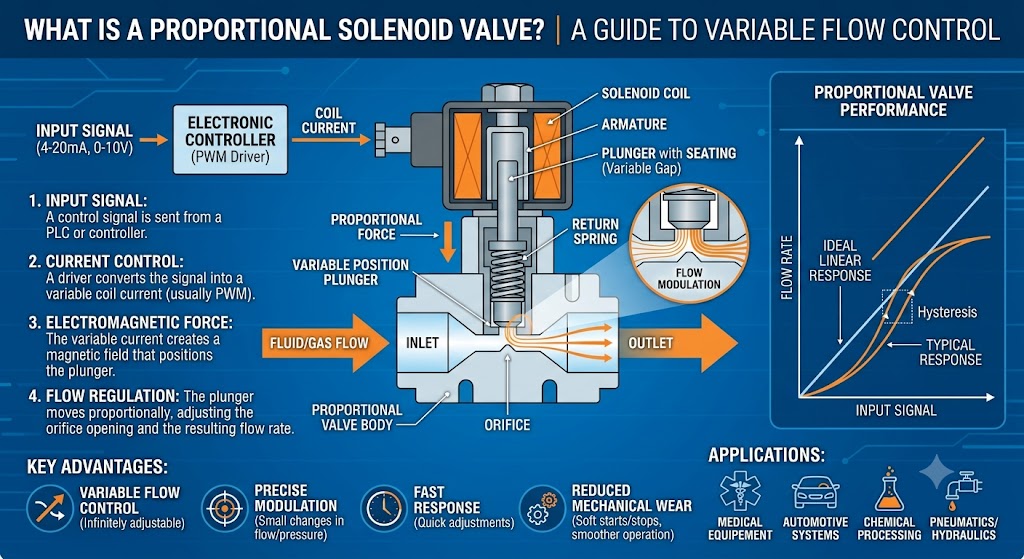
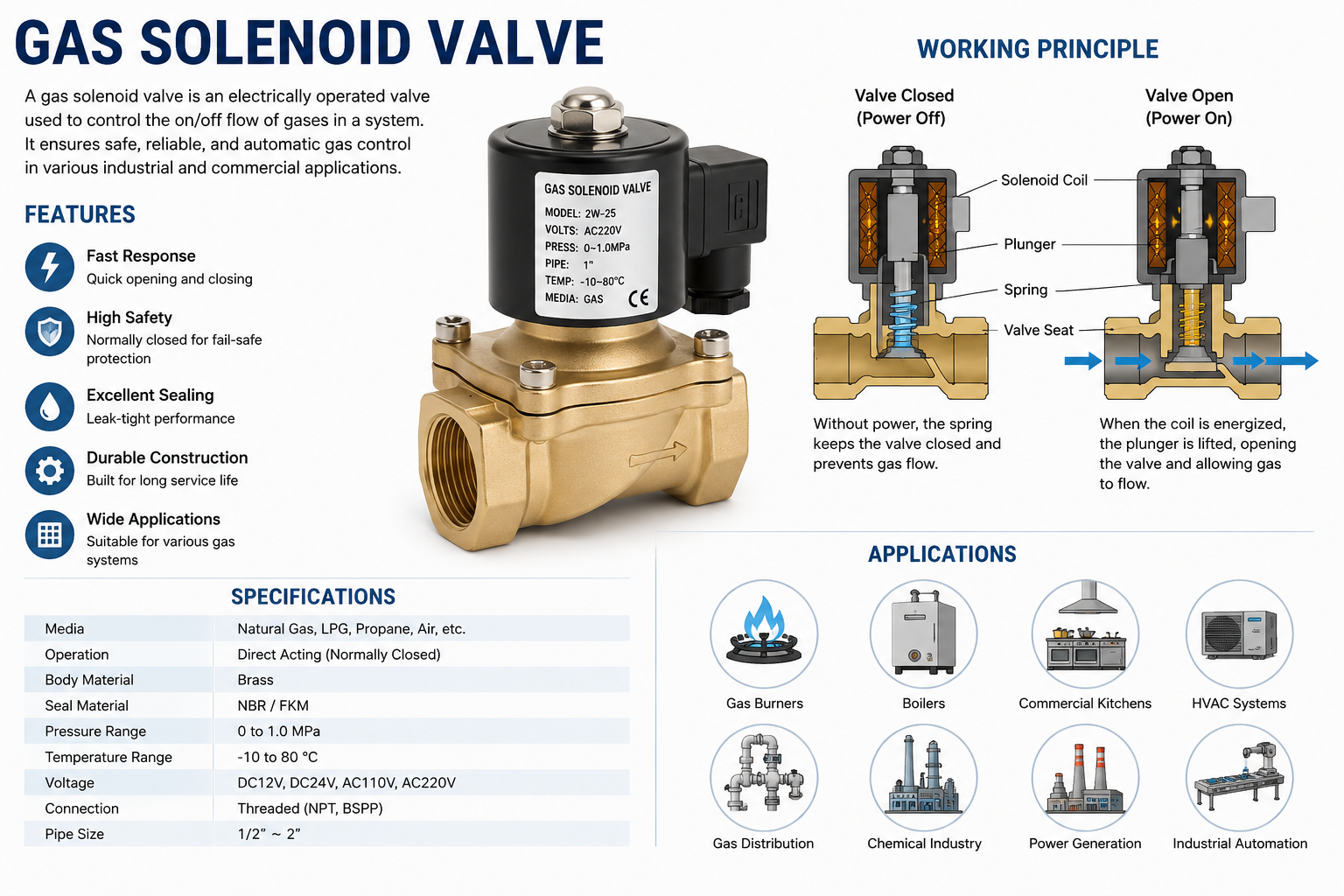
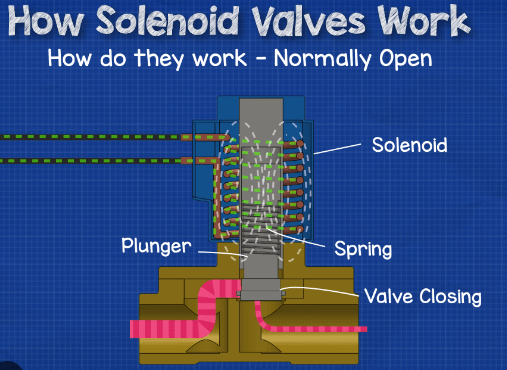
In its natural state (no power), a mechanical return spring holds the plunger in a position that keeps the valve orifice open. Since there is no electromagnetic field to counteract the spring, the fluid or gas passes through the valve body unobstructed.
2. Energizing the Coil
When an electrical current is sent to the solenoid coil, it creates a magnetic field. This electromagnetic force is strong enough to overcome the resistance of the return spring.
3. Closing the Valve
The magnetic field pulls the plunger (or armature) downward toward the valve seat. A seal attached to the bottom of the plunger presses against the orifice, effectively blocking the path of the media and stopping the flow.
4. Returning to Open
Once the electrical power is cut, the magnetic field collapses. The return spring immediately pushes the plunger back to its original position, uncovering the orifice and allowing the flow to resume.
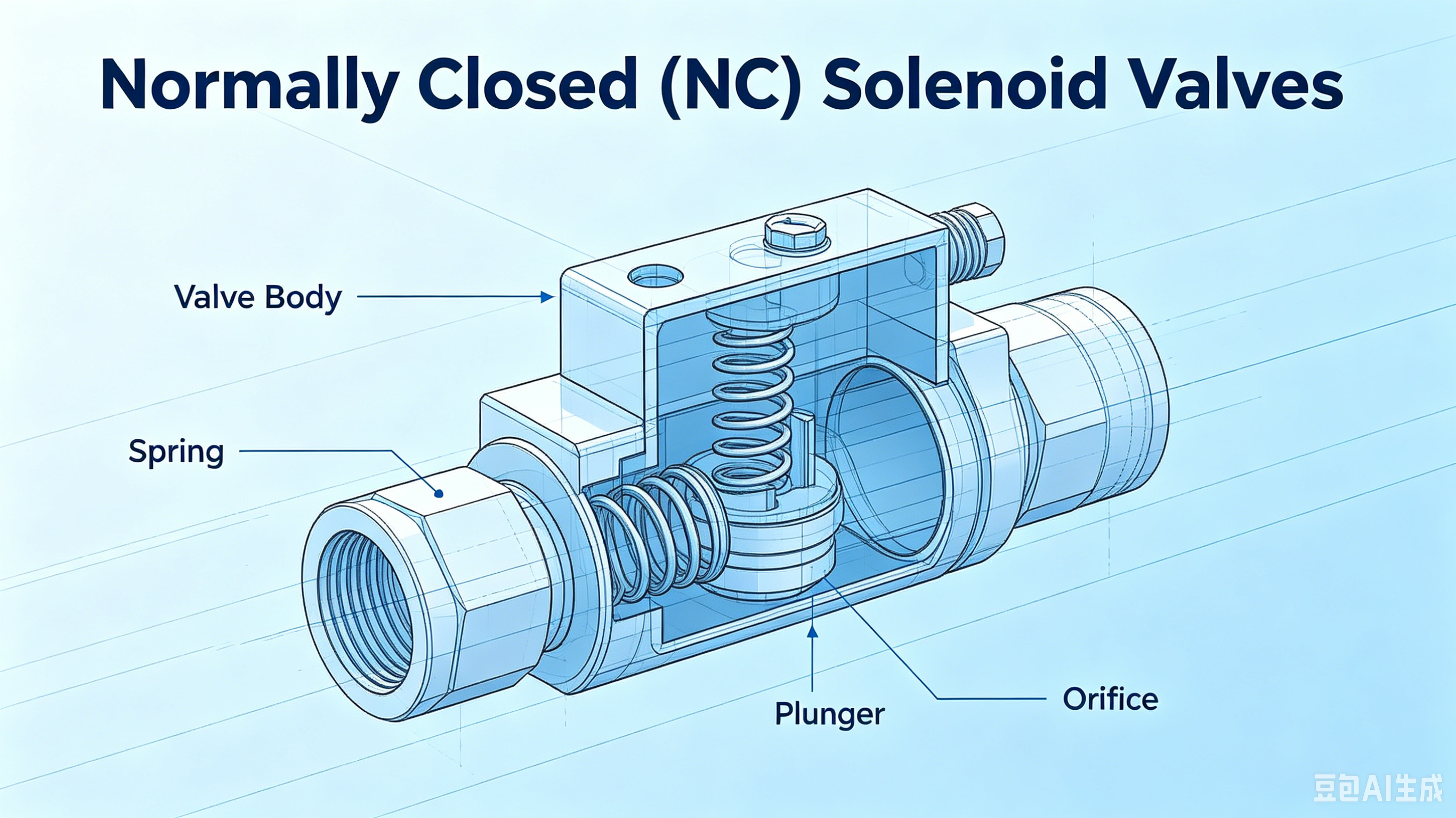
Key Components of a Normally Open Solenoid Valve
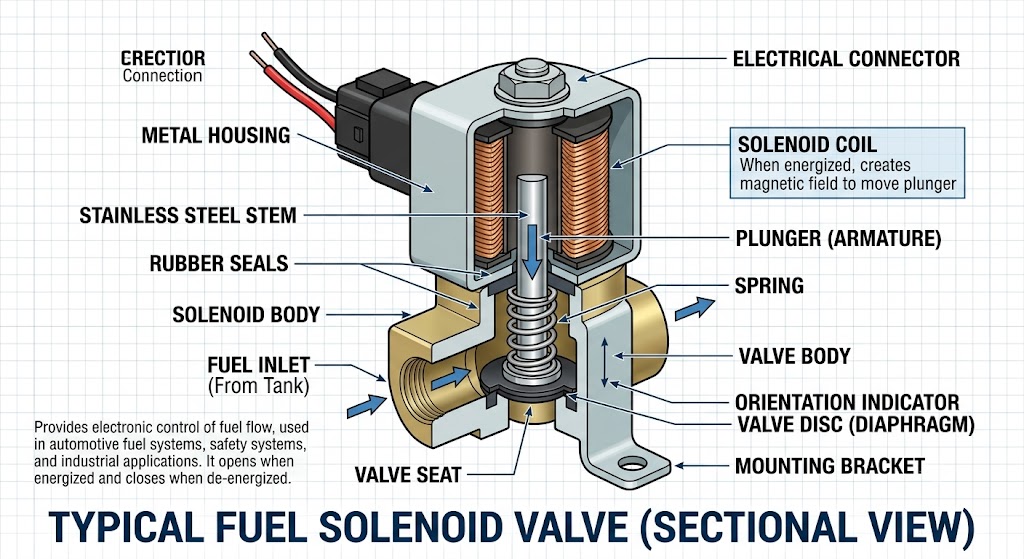
To provide reliable performance, several high-precision parts must work in harmony:
- Solenoid Coil: The copper winding that generates the magnetic field.
- Plunger/Armature: The moving part that opens or closes the flow path.
- Return Spring: Ensures the valve returns to its default "Open" state when power is lost.
- Seal/Gasket: Typically made of EPDM, Viton, or NBR, this ensures a leak-proof shut-off.
- Valve Body: The housing (usually brass, stainless steel, or plastic) that contains the flow media.
Normally Open (NO) vs. Normally Closed (NC)
Choosing the right valve type depends entirely on your system's safety requirements and energy efficiency goals.
| Feature | Normally Open (NO) | Normally Closed (NC) |
|---|---|---|
| State without Power | Open (Flowing) | Closed (Stopped) |
| State with Power | Closed (Stopped) | Open (Flowing) |
| Best For | Systems requiring constant flow | Systems where flow is rarely needed |
| Safety Role | Failsafe "Open" (e.g., cooling) | Failsafe "Closed" (e.g., fuel lines) |
Common Applications
Normally Open solenoid valves are frequently found in industries where stopping the flow is the "active" task, rather than the "default" task.
- Cooling Systems: Ensuring coolant flows even if the control system fails.
- Compressed Air Systems: Used for venting or pressure relief.
- Fire Suppression: Where water or gas must be ready to deploy immediately.
- Water Treatment: Managing flow in large-scale filtration and distribution networks.
Conclusion
Choosing a Normally Open solenoid valve is a strategic decision based on your specific operational needs. By allowing flow by default, these valves offer a unique layer of safety and efficiency for industrial automation. When selecting a valve, always consider the pressure ratings, chemical compatibility of the seals, and the voltage requirements of the coil to ensure long-term durability.
If you want to learn more about low-priced products, please visit the following website: www.xm-valveactuator.com