In the complex world of oil and gas, the midstream sector acts as the vital bridge between extraction and the end consumer. At the heart of this vast network of gathering lines and transmission pipelines lies a critical component: the Midstream Pipeline Gate Valve.
Often referred to as the "on/off" switch of the energy highway, these valves are engineered to provide reliable isolation under extreme conditions. This guide explores why gate valves are the preferred choice for midstream applications and how to select the right one for your infrastructure.
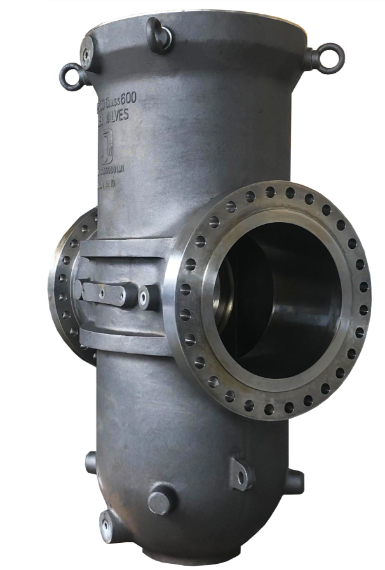
Why Gate Valves Dominate Midstream Infrastructure
Unlike globe or check valves, gate valves are designed primarily for fully open or fully closed service. In midstream pipelines, where maintaining flow efficiency and pressure is paramount, they offer several distinct advantages:
- Minimal Pressure Drop: When fully open, a through-conduit gate valve provides a bore that matches the pipe diameter, resulting in negligible flow resistance.
- Bi-directional Sealing: Most midstream gate valves provide an effective seal regardless of the direction of the fluid flow.
- Pigging Compatibility: Because they offer a clear, straight-through path, they are "piggyable," allowing maintenance "pigs" to clean or inspect the pipeline without obstruction.
Key Types of Midstream Gate Valves
When browsing specifications, you will typically encounter two primary designs. Choosing between them depends on your specific sealing requirements and pressure cycles.
1. Through-Conduit Slab Gate Valves
The slab gate consists of a single solid gate unit. It relies on the line pressure to "push" the gate against the downstream seat to create a tight seal.
- Best for: High-pressure crude oil and natural gas transmission.
- Pro Tip: Look for designs with "self-relieving" seats to prevent pressure buildup in the valve cavity.
2. Expanding Gate Valves
These valves feature a two-piece gate assembly that mechanically expands against the seats when the valve is fully closed or fully open.
- Best for: Applications requiring a positive mechanical seal at both high and low pressures.
- Advantage: They provide a "bubble-tight" seal that does not rely solely on line pressure.
Critical Standards: The API 6D Benchmark
In the midstream industry, the API 6D (Specification for Pipeline and Piping Valves) is the gold standard. When sourcing gate valves, ensuring compliance with API 6D is non-negotiable for safety and regulatory reasons.
| Feature | API 6D Requirement for Gate Valves |
|---|---|
| Testing | Must undergo rigorous hydrostatic shell and seat tests. |
| Design | Requires specific "Block and Bleed" (B&B) or "Double Block and Bleed" (DBB) capabilities. |
| Documentation | Full traceability of pressure-containing parts is mandatory. |
Maintenance and Longevity in the Field
Midstream pipelines often span remote, harsh environments. To ensure your gate valves last for decades rather than years, consider these three factors:
- Material Selection: Use forged carbon steel (like A105) for standard service, or corrosion-resistant alloys (CRA) if the media contains high levels of H₂S (Sour Service).
- Seat Integrity: Opt for valves with secondary sealant injection fittings. This allows operators to inject emergency grease to restore a seal if the primary seat is damaged by debris.
- Stem Packing: High-quality stem seals prevent fugitive emissions—a critical factor in modern ESG (Environmental, Social, and Governance) reporting.
Conclusion
Midstream pipeline gate valves are the unsung heroes of energy logistics. By prioritizing API 6D compliance, understanding the difference between slab and expanding designs, and ensuring pigging compatibility, you can significantly reduce downtime and environmental risks.
If you want to learn more about low-priced products, please visit the following website: www.xm-valveactuator.com