Valves are critical components in fluid control systems across industries including oil & gas, chemical processing, water treatment, and HVAC systems. Proper valve operation and accurate status monitoring are essential for maintaining system efficiency, safety, and reliability. This comprehensive guide explores everything you need to know about valve operation principles, status indicators, and maintenance best practices.
What is Valve Operation?
Valve operation refers to the mechanisms and processes used to control the flow of fluids (liquids, gases, or slurries) through a pipeline or system. Valves can start, stop, regulate, or redirect flow depending on their design and application. Understanding how valves operate is fundamental to optimizing industrial processes and preventing costly downtime.
The primary functions of valve operation include:
- Isolation: Completely stopping fluid flow for maintenance or emergency shutdown
- Regulation: Controlling flow rate, pressure, or temperature with precision
- Direction Control: Redirecting fluid flow to different pathways
- Pressure Relief: Protecting systems from overpressure conditions
- Backflow Prevention: Ensuring one-way flow to prevent contamination
Types of Valve Operations
1. Manual Valve Operation
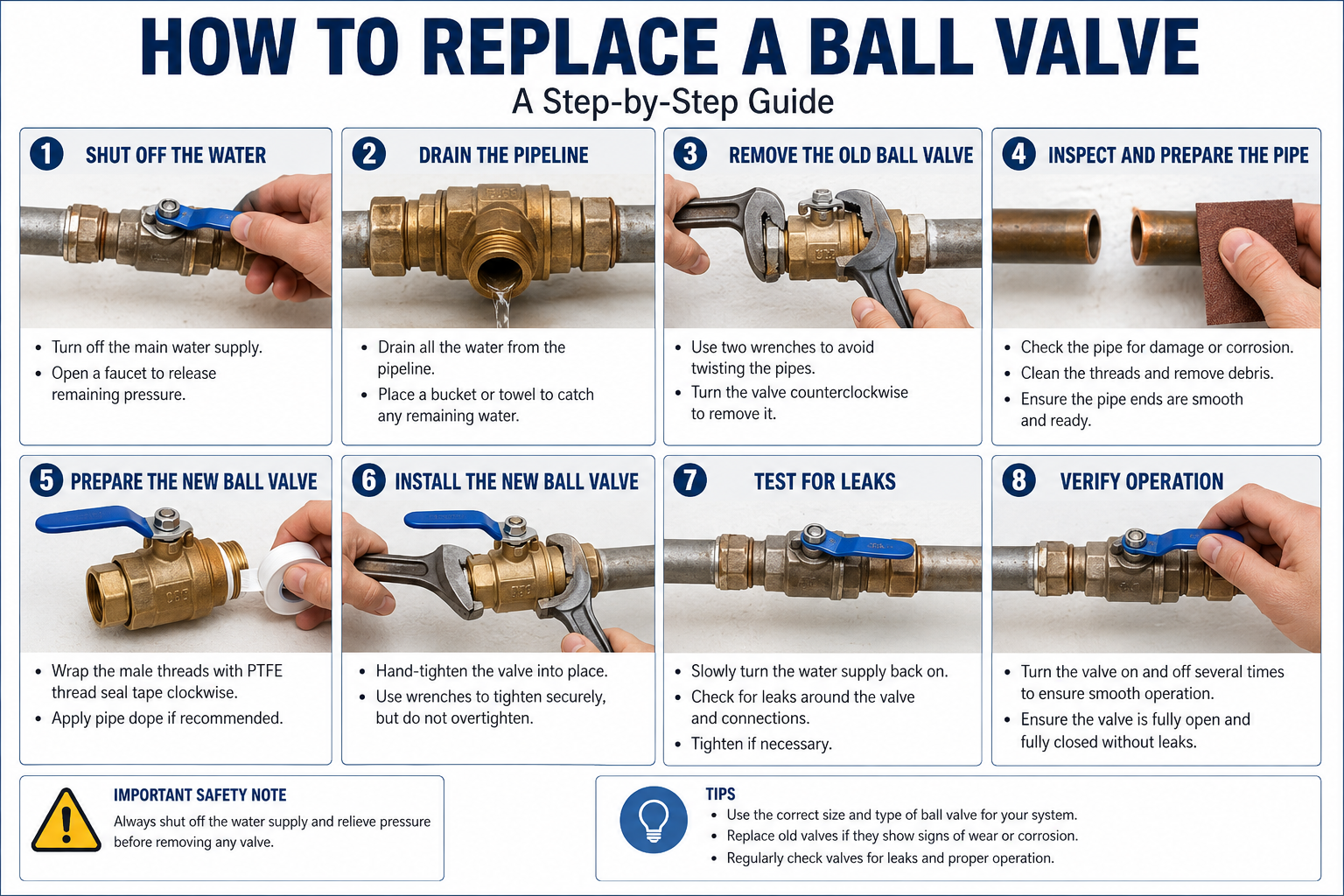
Manual valves are operated by hand using wheels, levers, or handles. They are cost-effective and reliable for applications where frequent operation is not required. Common manual valve types include gate valves, globe valves, and ball valves.
Key Advantage: Manual valves provide direct operator control and require no external power source, making them ideal for remote locations or backup systems.
2. Automated Valve Operation
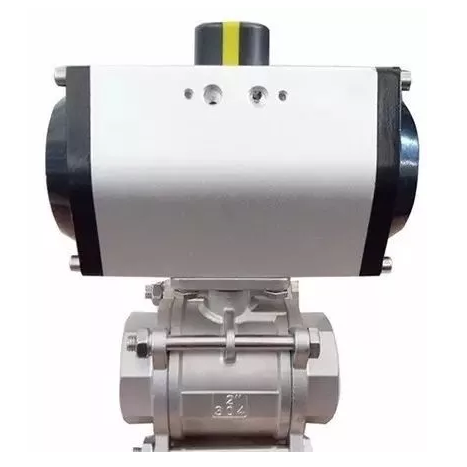
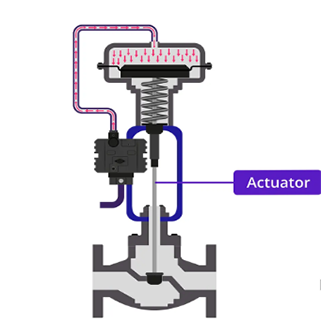
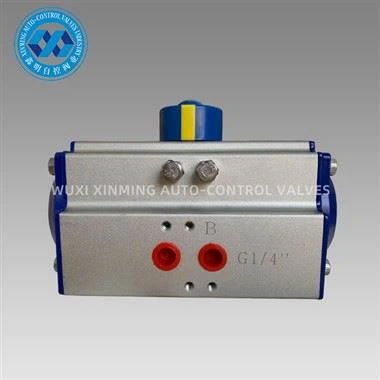
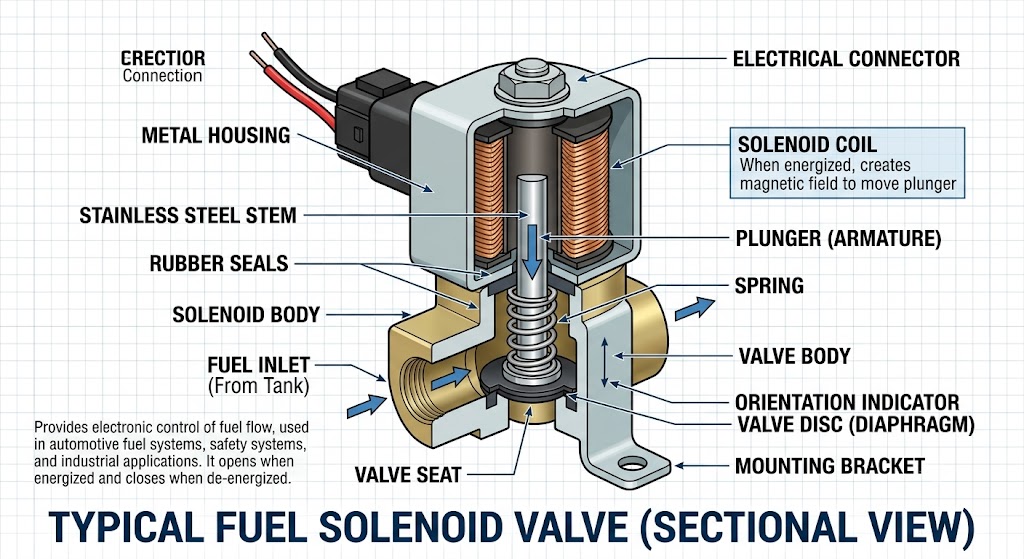
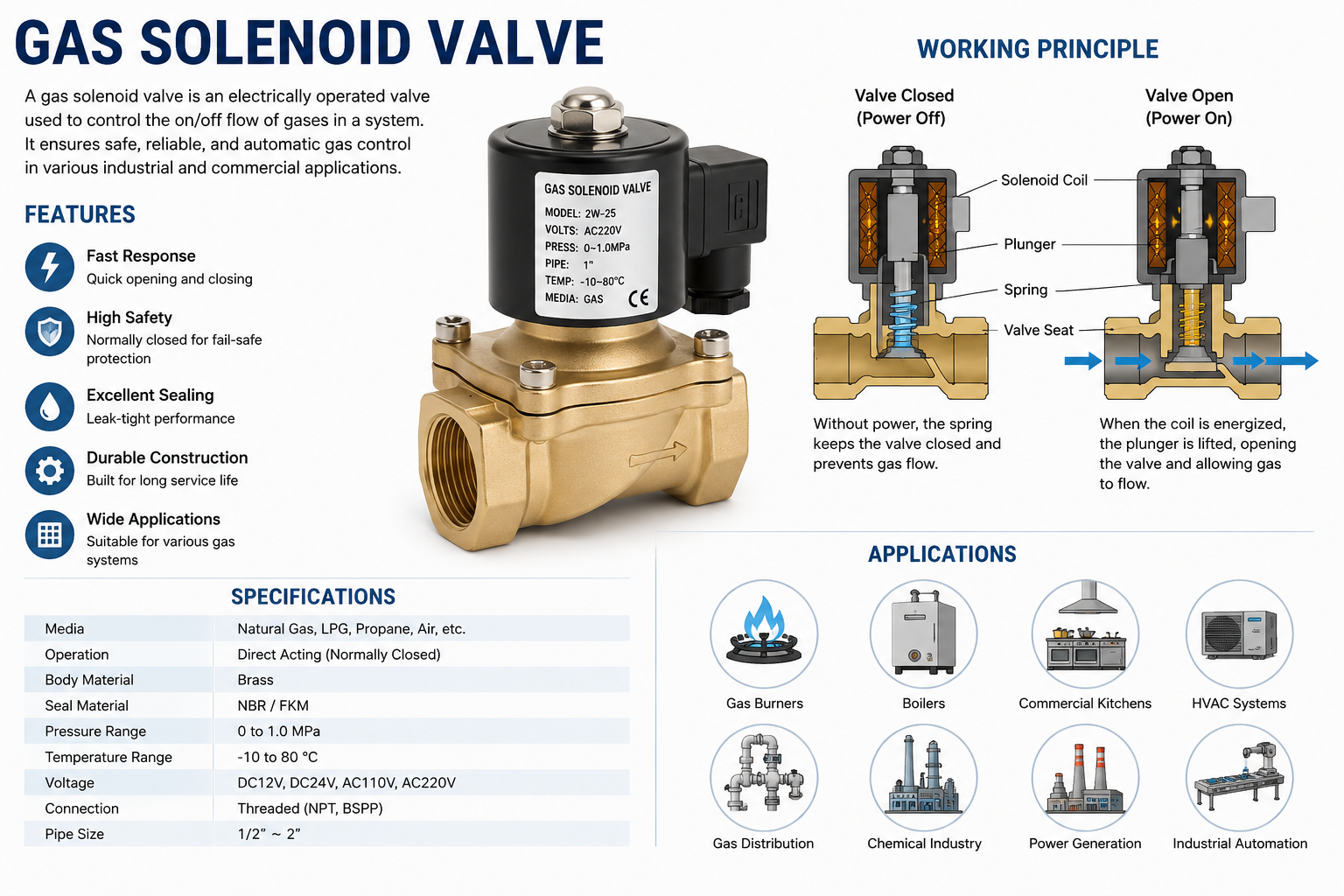
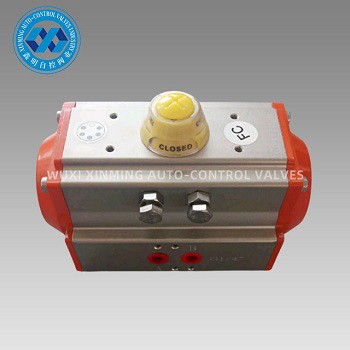
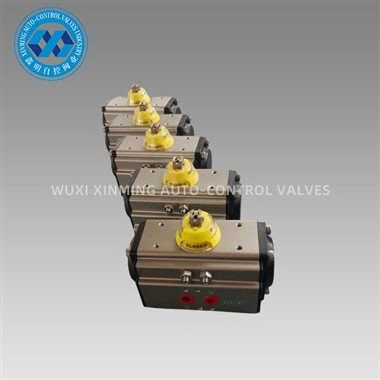
Automated valves use actuators powered by electricity, pneumatics, or hydraulics to open and close. These valves enable remote control, precise positioning, and integration with control systems such as SCADA and DCS platforms.
Benefits of automated valve operation:
- Remote operation from control rooms
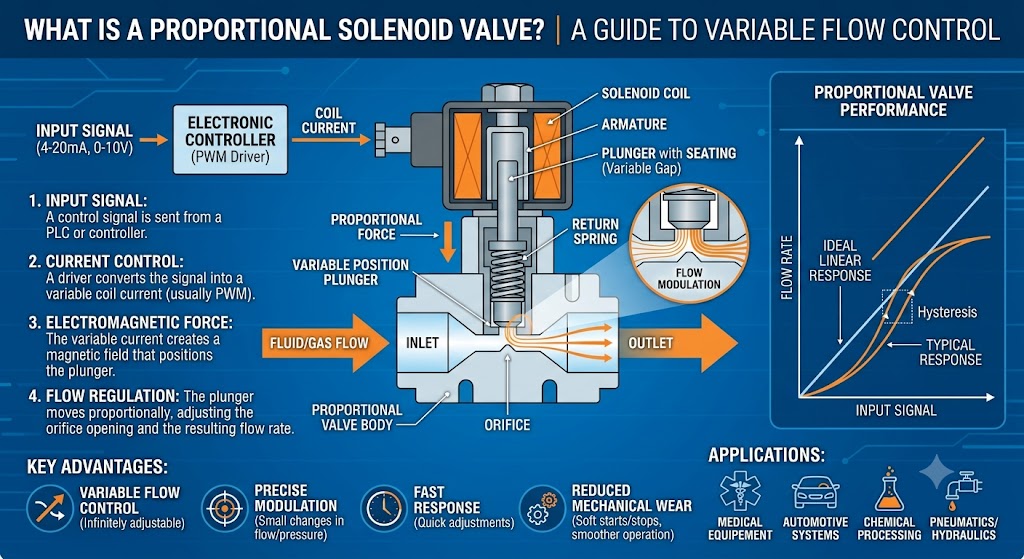
- Precise flow control and positioning
- Fast response times for emergency shutdowns
- Integration with automation systems
- Reduced labor costs and improved safety
3. Semi-Automatic Valve Operation
Semi-automatic valves combine manual and automated features, allowing operators to choose between local manual control and remote automated operation based on operational needs.
Understanding Valve Status Indicators
Valve status refers to the current position and operational condition of a valve. Accurate status monitoring is crucial for process control, safety systems, and preventive maintenance. Modern valve systems employ various methods to indicate and communicate valve status.
Visual Status Indicators
Most valves feature visual indicators that show whether the valve is open, closed, or partially open:
| Valve Type | Open Position Indicator | Closed Position Indicator |
|---|---|---|
| Ball Valve | Handle parallel to pipe | Handle perpendicular to pipe |
| Gate Valve | Stem fully extended upward | Stem retracted downward |
| Butterfly Valve | Disc parallel to flow | Disc perpendicular to flow |
| Globe Valve | Handwheel raised position | Handwheel lowered position |
Electronic Status Monitoring
Modern industrial facilities use electronic sensors and position transmitters to monitor valve status in real-time:
- Limit Switches: Detect fully open and fully closed positions
- Position Transmitters: Provide continuous feedback on valve position (0-100%)
- Torque Sensors: Monitor operating torque to detect abnormalities
- Smart Actuators: Communicate valve status via digital protocols (HART, Foundation Fieldbus, Profibus)
Always verify valve status through multiple indicators before performing maintenance. Never rely solely on visual indicators in critical applications.
Common Valve Status Conditions
1. Fully Open
The valve allows maximum flow with minimal pressure drop. This is the normal operating position for isolation valves during regular production.
2. Fully Closed
The valve completely blocks fluid flow. Used for isolation during maintenance, emergency shutdown, or when equipment is taken offline.
3. Throttled/Partially Open
The valve is positioned between fully open and fully closed to regulate flow rate or pressure. Common in control valves and regulating applications.
4. Failed Position
Valve has malfunctioned and may be stuck, leaking, or unresponsive. Requires immediate attention and maintenance.
Best Practices for Valve Operation and Status Monitoring
Regular Inspection and Maintenance
- Conduct visual inspections weekly to check for leaks, corrosion, or damage
- Lubricate moving parts according to manufacturer specifications
- Test valve operation monthly to ensure smooth functioning
- Calibrate position indicators and sensors quarterly
- Perform comprehensive maintenance annually or per operational hours
Proper Operating Procedures
- Never force a valve that resists operation - investigate the cause first
- Open isolation valves slowly to prevent water hammer and pressure surges
- Use proper tools and follow torque specifications for manual valves
- Document all valve operations in maintenance logs
- Train operators on correct valve operation techniques
Status Verification Protocols
Implement a multi-layer verification approach:
- Cross-reference visual indicators with control system readings
- Use lockout/tagout procedures during maintenance
- Install redundant position sensors for critical valves
- Con定期 functional tests of safety valves
- Maintain accurate valve tagging and identification systems
Troubleshooting Common Valve Status Issues
Problem: Valve Shows Different Status in Field vs. Control Room
Solution: Check position transmitter calibration, inspect wiring connections, and verify limit switch settings. Recalibrate if necessary.
Problem: Valve Stuck in Intermediate Position
Solution: Inspect for debris obstruction, check actuator torque settings, verify air/electric supply, and examine valve internals for damage.
Problem: False Leak Detection
Solution: Verify seat integrity, check for thermal expansion effects, inspect packing glands, and confirm proper valve closure torque.
Pro Tip: Implement predictive maintenance programs using valve diagnostics data to identify issues before they cause unplanned downtime.
Advanced Valve Status Technologies
Industry 4.0 has introduced smart technologies that revolutionize valve operation and status monitoring:
- IoT-Enabled Smart Valves: Provide real-time data on position, temperature, pressure, and vibration
- Wireless Communication: Enable remote monitoring without extensive wiring infrastructure
- AI-Powered Diagnostics: Predict failures based on operational patterns and historical data
- Digital Twins: Create virtual models for simulation and optimization
- Cloud-Based Analytics: Aggregate data from multiple valves for comprehensive fleet management
Conclusion
Effective valve operation and accurate status monitoring are fundamental to safe, efficient, and reliable industrial operations. By understanding valve types, implementing proper monitoring systems, following best practices, and leveraging modern technologies, facilities can minimize downtime, reduce maintenance costs, and enhance overall process safety.
Whether you're managing a small facility or a large-scale industrial plant, investing in quality valves, proper training, and advanced monitoring systems pays dividends in operational excellence and regulatory compliance.
If you want to learn more about low-priced products, please visit the following website: www.xm-valveactuator.com