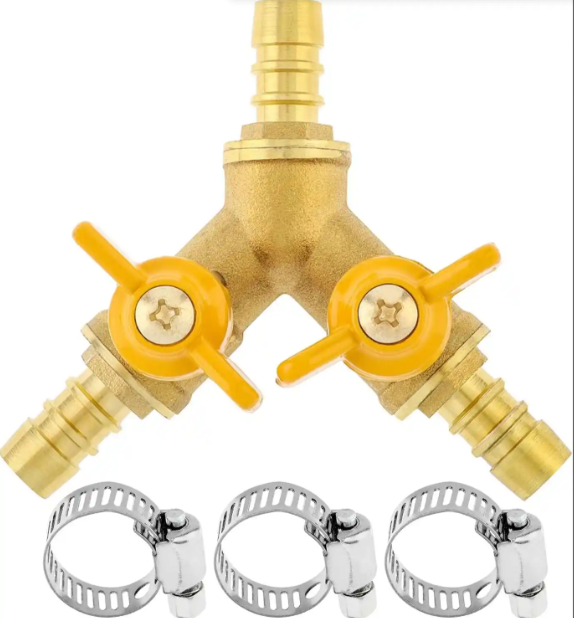
What Are 3/8 Valves?
A 3/8 valve refers to a valve with a 3/8-inch connection size, typically measuring the diameter of the inlet or outlet ports. These valves are commonly used in residential plumbing for connecting supply lines to fixtures, appliances, and equipment. The 3/8-inch size represents a balance between flow capacity and space efficiency, making it ideal for applications where larger valves would be impractical.
3/8 valves are manufactured from various materials including brass, stainless steel, chrome-plated brass, and plastic. Each material offers specific advantages in terms of corrosion resistance, durability, and cost-effectiveness. The choice of material depends on the application, water quality, and environmental conditions.
Types of 3/8 Valves
Understanding the different types of 3/8 valves helps in selecting the right valve for your specific application. Each valve type has unique characteristics that make it suitable for particular uses.
Ball Valves
Ball valves are the most common type of 3/8 valve used in residential and commercial applications. They feature a spherical ball with a hole through the center that rotates 90 degrees to open or close the flow. Ball valves offer quick operation, reliable sealing, and minimal pressure drop. The quarter-turn design makes them ideal for emergency shut off situations.
Full Port Ball Valve
Features a ball with a full-size bore equal to the pipe diameter, providing minimal flow restriction. Ideal for applications where unrestricted flow is critical.
- Maximum flow capacity
- Low pressure drop
- Quick quarter-turn operation
Standard Port Ball Valve
Features a smaller ball bore than the pipe diameter, resulting in some flow restriction. More economical option for non-critical applications.
- Cost-effective solution
- Suitable for most applications
- Compact design
Gate Valves
Gate valves use a flat or wedge-shaped gate that moves up and down to open or close the flow. While they provide full bore flow when fully open, gate valves require multiple turns to operate and are not recommended for throttling applications. They are commonly found in older plumbing systems and main water lines.
Rising Stem Gate Valve
The stem rises when the valve is opened, providing visual indication of valve position. Easy to determine open/closed status at a glance.
Visual IndicatorNon-Rising Stem Gate Valve
The stem does not rise during operation, making it suitable for confined spaces where vertical clearance is limited.
Space SavingGlobe Valves
Globe valves feature a spherical body with a movable disc-type closure element. They are specifically designed for throttling applications and provide precise flow control. Globe valves are commonly used in applications requiring frequent adjustment of flow rates.
Angle Valves
Angle valves have an inlet at the bottom and an outlet at a 90-degree angle. They are commonly used in residential applications where the supply line needs to change direction. 3/8 angle valves are frequently found under sinks and behind toilets.
Shut Off Valve Systems
Shut off valve systems are designed to stop water flow in emergency situations or during maintenance. These systems are critical for preventing water damage and ensuring safety in both residential and commercial settings. Understanding the components and operation of shut off systems is essential for proper installation and maintenance.
Emergency Shut Off Valves
Emergency shut off valves are designed for rapid operation to stop water flow during emergencies such as burst pipes, leaks, or flooding. These valves typically feature easy-grip handles and quick-turn mechanisms for immediate response when needed.
Main Building Shut Off
Located at the point where the water supply enters the building. Controls water flow to the entire structure and is essential for major emergencies.
- Controls entire building supply
- Usually in basement or utility area
- Critical for emergency response
Zone Shut Off Valves
Isolate specific areas or systems within a building, allowing maintenance without shutting off water to the entire structure.
- Area-specific control
- Enables targeted maintenance
- Minimizes disruption
Appliance Shut Off Valves
Installed at individual appliances and fixtures to isolate them from the water supply for servicing or emergency response.
- Washing machines
- Water heaters
- Dishwashers
- Ice makers
Fixture Shut Off Valves
Located under sinks and behind toilets, these small valves allow isolation of individual fixtures for repair without affecting other areas.
- Under sink installation
- Toilet supply isolation
- Easy access for repairs
Typical Residential Shut Off System Layout
A complete shut off system includes multiple valve types at different levels: main shut off at the water meter, zone valves for different areas, and fixture valves for individual components. This hierarchical approach allows precise control and minimizes disruption during maintenance or emergencies.
Common Applications of 3/8 Valves
3/8 valves are used in a wide variety of applications across residential, commercial, and industrial settings. Their compact size and reliable performance make them suitable for numerous installations.
Residential Applications
- Supply lines to faucets, toilets, and bidets
- Ice maker and refrigerator water connections
- Washing machine supply valves
- Water heater connections
- Dishwasher supply lines
- Under-sink filtration systems
- Humidifier water supplies
- Boat and recreational vehicle plumbing
Commercial and Industrial Applications
HVAC Systems
Used in heating, ventilation, and air conditioning systems for controlling water flow to coils, heat exchangers, and climate control equipment.
Food Service Equipment
Essential for commercial kitchens, beverage dispensers, and food preparation equipment requiring precise water flow control.
Laboratory Equipment
Used in analytical instruments, medical devices, and laboratory plumbing systems requiring reliable, contamination-free water supply.
Manufacturing Processes
Found in various industrial processes including cooling systems, hydraulic equipment, and process water distribution.
Application Note
The 3/8 valve size is particularly popular in residential applications because it balances flow capacity with compact installation requirements. Most household appliances and fixtures are designed to accept 3/8-inch supply connections, making these valves universally compatible.
Installation Guidelines
Proper installation of 3/8 valves and shut off systems ensures reliable operation and prevents leaks. Following these guidelines helps achieve leak-free, long-lasting installations.
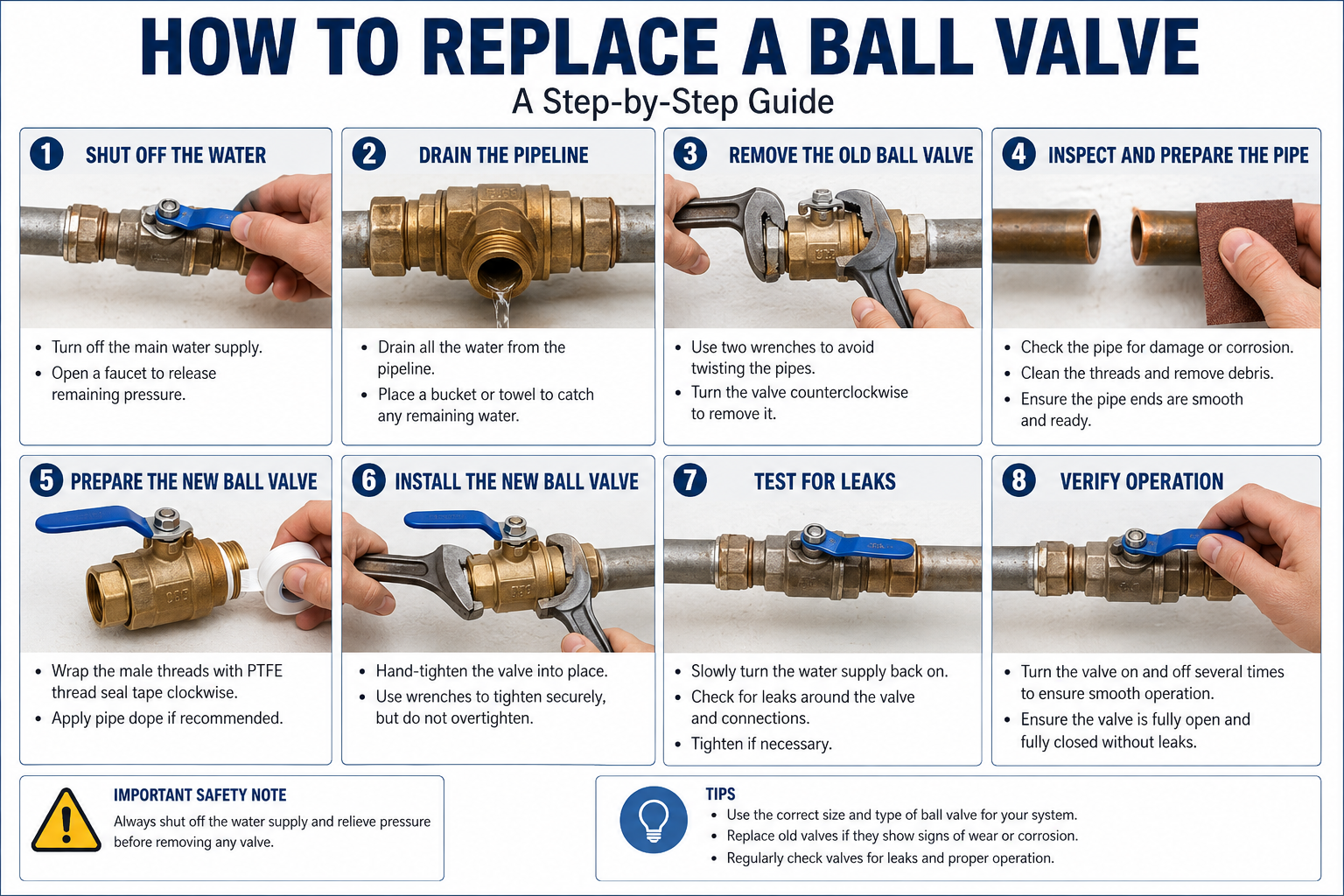
Installation Steps
Turn Off Water Supply
Before beginning any installation, turn off the main water supply and relieve pressure by opening a downstream faucet. This prevents water damage during the installation process.
Prepare the Connection
Clean the pipe threads and inspect for damage or corrosion. Remove any debris or old thread sealant from the fitting. Apply appropriate thread sealant or use approved tape for threaded connections.
Apply Thread Sealant
For threaded connections, apply thread sealant tape or compound to the male threads. Wrap tape clockwise in the direction of tightening. For compression fittings, ensure the ferrule is properly positioned.
Install the Valve
Hand-tighten the valve initially, then use appropriate wrenches to secure the connection. Avoid over-tightening, which can damage threads or fittings. Ensure the valve handle is positioned for easy access.
Check for Leaks
Slowly turn on the water supply and inspect all connections for leaks. Tighten connections slightly if needed. Allow the system to pressurize and recheck after several minutes.
Test Operation
Cycle the valve several times to verify smooth operation. Check that the valve fully opens and closes. Inspect the stem packing for any signs of leakage around the handle.
Installation Tip
Always install valves with the handle in a convenient position for operation. Position ball valve handles parallel to the pipe when open and perpendicular when closed for visual confirmation of valve status.
Materials and Specifications
The material composition of 3/8 valves affects their performance, durability, and suitability for different applications. Understanding material specifications helps in selecting the appropriate valve for your needs.
Common Valve Materials
| Material | Applications | Advantages | Limitations |
|---|---|---|---|
| Brass | General plumbing, water supply | Corrosion resistant, durable, cost-effective | May dezincify in certain water conditions |
| Stainless Steel | Corrosive environments, marine, industrial | Excellent corrosion resistance, high strength | Higher cost, may require special tools |
| Chrome-Plated Brass | Residential fixtures, visible installations | Attractive appearance, good durability | Plating may wear over time |
| CPVC/PVC | Chemical processing, corrosive fluids | Chemical resistance, lightweight | Lower pressure ratings, temperature limits |
| Forged Brass | High-pressure applications | Superior strength, reliable seating | Premium pricing |
Technical Specifications
Pressure Ratings
Standard 3/8 valves typically rated for 125-250 PSI water service. High-pressure rated valves available for industrial applications up to 600 PSI or higher.
Temperature Ratings
Most brass and stainless steel valves rated for -10°F to 180°F continuous service. Specialized valves available for higher or lower temperature ranges.
Connection Types
Common connections include 3/8" NPT (National Pipe Thread), 3/8" BSP (British Standard Pipe), compression fittings, and push-connect fittings.
Handle Options
Available with lever handles, round handles, or wing handles. Some valves feature tamper-resistant handles for security applications.
Maintenance and Troubleshooting
Regular maintenance of 3/8 valves and shut off systems ensures reliable operation and extends service life. Understanding common problems and their solutions helps prevent costly repairs and water damage.
Preventive Maintenance
- Cycle valves periodically to prevent mineral buildup and ensure smooth operation
- Inspect valve handles and stems for corrosion or damage
- Check for leaks around valve stems and connections
- Verify valve handles operate smoothly without binding
- Clean valve bodies to remove accumulated debris
- Lubricate stem threads with appropriate sealant if needed
- Test emergency shut off valves to confirm proper operation
Common Problems and Solutions
Leaking Stem
Cause: Worn stem packing or damaged O-ring
Solution: Tighten the packing nut slightly. If leaking persists, replace the stem packing or O-ring. For severe leakage, replace the entire valve.
Difficult Operation
Cause: Mineral deposits, corrosion, or dried packing
Solution: Apply penetrating oil and cycle the valve multiple times. If persistent, consider replacement as forced operation may damage the valve.
No Flow When Opened
Cause: Debris blocking the valve or upstream issue
Solution: Inspect and clean the valve. Check upstream filters or screens. Verify the main supply is fully open.
Corroded Handle
Cause: Exposure to moisture or chemicals
Solution: Clean the handle and apply protective coating. Replace if corrosion compromises handle integrity or grip.
Warning: Frozen Valves
Never attempt to force a frozen valve. Applying excessive force can break the valve body or damage the stem. Thaw the valve gently with a heat gun or warm cloth, or use a professional plumbing service for frozen valve situations.
Shut Off Valve System Design
Proper design of shut off valve systems ensures accessibility, reliability, and safety. A well-designed system allows quick response during emergencies and facilitates efficient maintenance.
Key Design Considerations
System Design Guidelines
Accessibility: Locate shut off valves in easily accessible locations. Avoid installing valves behind walls, under floor coverings, or in confined spaces that are difficult to reach during emergencies.
Identification: Clearly label all shut off valves with their function and the area they control. Use color-coded tags or signs for quick identification during emergencies.
Sizing: Select valve sizes appropriate for the flow requirements. While 3/8 valves work well for individual fixtures, main shut offs may require larger sizes for adequate flow capacity.
Redundancy: Consider installing redundant shut off points for critical systems to ensure continued operation during maintenance or partial failures.
Code Compliance
Local plumbing codes often specify requirements for shut off valve installation. Common code requirements include shut off valves at each plumbing fixture, main building shut off location and accessibility, and backflow prevention requirements. Always consult local codes and a licensed plumber for code compliance in your area.
Building Code Reference
The Uniform Plumbing Code (UPC) and International Plumbing Code (IPC) provide guidelines for shut off valve installation. Most codes require accessible shut off valves at each fixture and appliance connection to prevent the need to shut off water to the entire building during repairs.
Comparison: 3/8 Valve vs Other Sizes
Understanding the differences between valve sizes helps in selecting the appropriate size for each application. While 3/8 valves are common, other sizes may be more appropriate for specific uses.
| Valve Size | Typical Applications | Flow Capacity | Best Use Cases |
|---|---|---|---|
| 1/4" | Small appliances, laboratory equipment | Very low | Compact installations, low flow requirements |
| 3/8" | Residential fixtures, appliances | Moderate | Most household applications, ideal balance |
| 1/2" | Branch lines, water heaters | Medium-High | Higher flow demand applications |
| 3/4" | Main branches, commercial | High | Larger residential, light commercial |
| 1"+ | Main lines, industrial | Very High | Commercial, industrial, main supply |
Size Selection Tip
When in doubt, consult the fixture manufacturer's specifications for recommended valve size. Using an undersized valve can restrict flow and reduce performance, while an oversized valve adds unnecessary cost.
Frequently Asked Questions
What is the difference between NPT and BSP thread on 3/8 valves?
NPT (National Pipe Thread) is the US standard with a 60-degree thread angle. BSP (British Standard Pipe) has a 55-degree angle. These are not interchangeable and can cause leaks if mismatched. Always verify your system's thread type before purchasing valves.
Can I use a 3/8 valve for my main water shut off?
3/8 valves are typically too small for main shut off applications. Main shut off valves should be sized to match the main water supply line, often 1 inch or larger for adequate flow capacity. 3/8 valves are designed for fixture and appliance isolation.
How do I know if my shut off valve needs replacement?
Signs that indicate replacement is needed include persistent leaks that cannot be fixed by tightening, valve handles that are broken or corroded beyond use, valves that won't fully close or open, and valves that are 20+ years old with uncertain reliability.
What causes a ball valve to leak after installation?
Common causes include damaged or missing washer or O-ring, cracked valve body, improper thread sealant application, over-tightened connections causing damage, or mismatched thread types (NPT vs BSP).
Are push-connect 3/8 valves reliable?
Push-connect (quick-connect) valves offer convenient installation without tools. When properly installed with compatible fittings, they provide reliable, leak-free connections. Ensure you use quality push-connect fittings and follow manufacturer instructions.
What is the maximum pressure a 3/8 valve can handle?
Standard brass 3/8 ball valves are typically rated for 125-250 PSI water service. High-pressure rated versions may handle up to 600 PSI or more. Always check the valve's pressure rating label and never exceed the manufacturer's specifications.
Can 3/8 valves be used for gas applications?
Some 3/8 valves are specifically rated for gas service, but standard water valves should not be used for gas. Always verify the valve is approved for the specific application (water, gas, oil, etc.) before installation.
How often should I test my shut off valves?
Test shut off valves at least annually by cycling them from fully open to fully closed and back. This prevents mineral buildup and ensures reliable operation when needed. Test emergency shut off valves more frequently.
Safety Considerations
Critical Safety Guidelines
⚠️ Water Damage Prevention: Know the location of all shut off valves in your building. In case of a leak or burst pipe, quick access to shut off valves can prevent extensive water damage.
⚠️ Pressure Testing: Always pressure test new valve installations before leaving the work area. Never leave an unpressurized system unattended after installation.
⚠️ Chemical Compatibility: Ensure valves are rated for the specific fluid being controlled. Using water-rated valves for chemical applications can result in valve failure and hazardous spills.
⚠️ Temperature Limits: Never exceed the valve's temperature rating. High temperatures can cause valve degradation, packing failure, and potential burns from escaping hot water or steam.
⚠️ Professional Help: For main building shut off or complex plumbing modifications, consult a licensed plumber. Improper installation can result in water damage, contamination, or code violations.
Conclusion
3/8 valves and shut off valve systems are fundamental components in residential and commercial plumbing. Understanding the different types, applications, and proper installation techniques ensures reliable system performance and safety.
Whether you are installing new fixtures, maintaining existing plumbing, or designing emergency shut off systems, selecting the appropriate valve type and size is critical. 3/8 valves offer an ideal balance of flow capacity and compact installation requirements for most residential applications.
Regular maintenance and testing of shut off valves ensures they will function reliably during emergencies. Take time to locate and understand all shut off valves in your building. This knowledge can save thousands of dollars in potential water damage repairs.
Invest in quality valves from reputable manufacturers and follow proper installation procedures. The minimal additional cost of quality components and proper installation pays dividends through reliable service and extended equipment life.
If you want to learn more about low-priced products, please visit the following website: www.xm-valveactuator.com