What Are Check Valves?
Check valves are mechanical devices that automatically allow fluid to flow in only one direction through a pipeline. Unlike other valves that require manual operation, check valves operate automatically based on the pressure differential of the fluid flowing through them. When the pressure on the inlet side exceeds the pressure on the outlet side, the valve opens. When the pressure reverses, the valve closes to prevent backflow.
These valves are critical components in maintaining system efficiency, protecting equipment, and preventing contamination. They are used in virtually every industry where fluids need to be controlled, from residential plumbing to complex industrial processing plants. Understanding the different types of check valves and their applications is essential for selecting the right valve for your specific needs.
How Check Valves Work
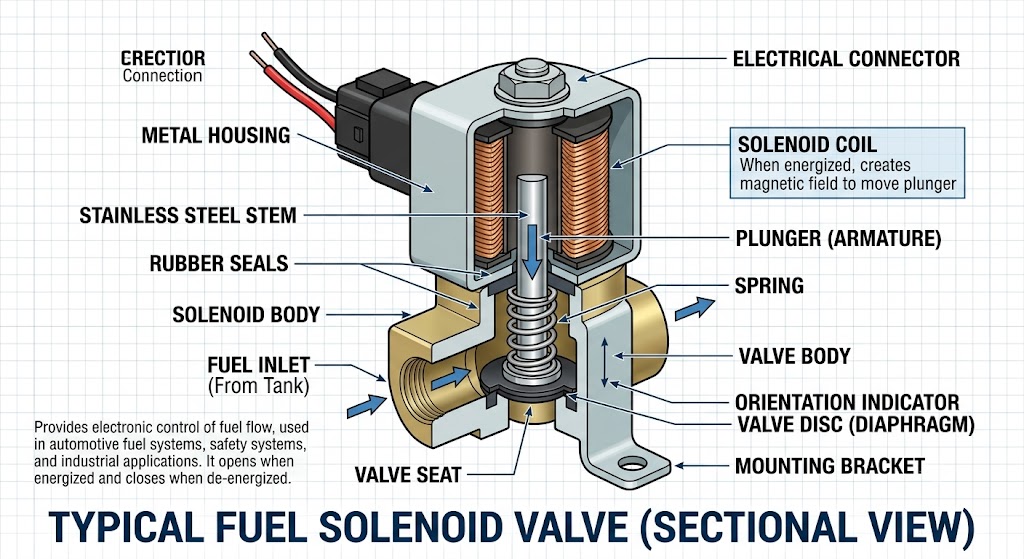
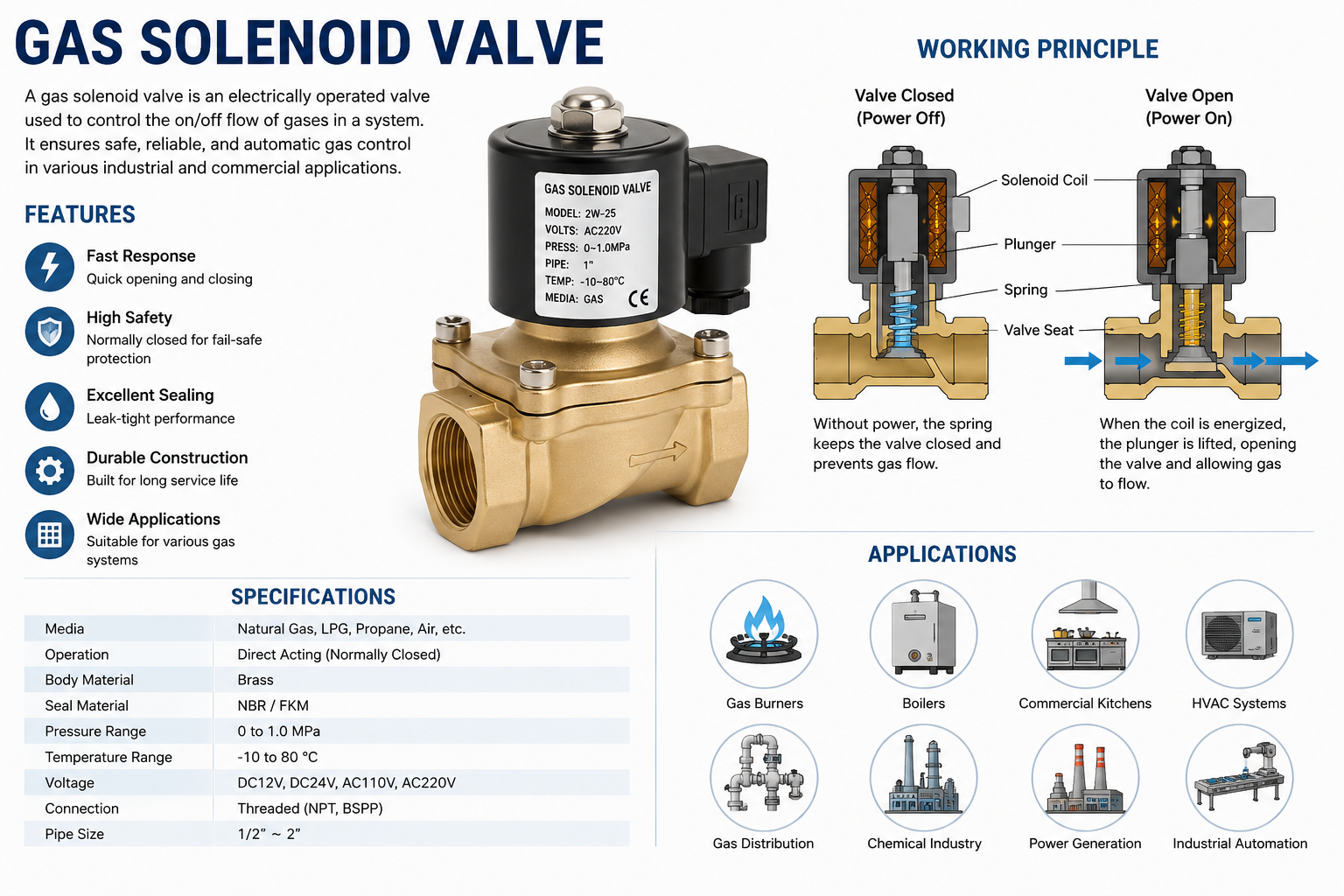
Check valves use the differential pressure between the inlet and outlet to open and close automatically. When fluid flows in the correct direction, the pressure pushes the valve mechanism open. When flow stops or reverses, gravity or spring tension closes the valve, preventing backflow. This automatic operation requires no external control or human intervention, making check valves reliable and maintenance-friendly components.
Types of Check Valves
There are several types of check valves, each designed for specific applications and operating conditions. Understanding the characteristics of each type will help you select the appropriate valve for your system. The main types include swing check valves, spring check valves, ball check valves, lift check valves, and stop check valves.
Swing Check Valves
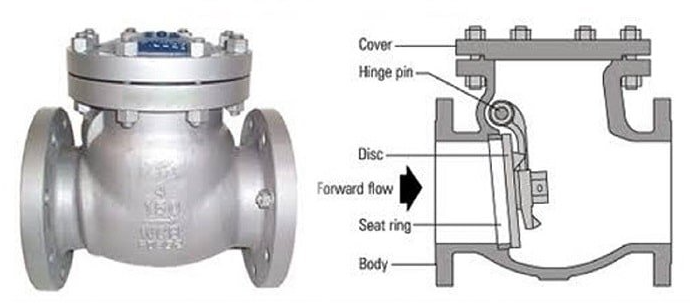
Swing check valves feature a disc that swings away from the seat to allow forward flow and returns to seat against the flow to prevent backflow. These valves have low pressure drop characteristics and are suitable for applications where silent operation is important. Swing check valves are commonly used in water distribution systems, HVAC systems, and industrial processes.
Vertical Swing Check
The disc moves vertically to open and close. Ideal for vertical pipeline installations where space is limited. These valves require minimal horizontal space and are commonly found in pump discharge applications.
- Space-efficient design
- Suitable for vertical lines
- Low maintenance requirements
Horizontal Swing Check
The disc swings on a hinge perpendicular to the flow direction. Most common type used in horizontal pipelines. Features a hinge on one side with the disc swinging open as fluid pressure builds.
- Standard horizontal installation
- Wide range of sizes available
- Cost-effective solution
Spring Check Valves
Spring check valves use a spring mechanism to force the disc against the seat, providing a faster closing action compared to swing check valves. This quick closure helps minimize water hammer effects and is particularly useful in applications where backflow must be prevented immediately. Spring check valves can be installed in any position and are commonly used in residential and commercial plumbing systems.
In-Line Spring Check
The spring is positioned in the center of the valve body, pushing the disc against the seat. Simple design with a spring-loaded poppet that opens when forward pressure exceeds spring tension.
- Compact inline design
- Quick closing action
- Suitable for confined spaces
Silent Check Valve
Features a spring-loaded guided disc that closes quickly before flow reversal can occur. Designed to minimize water hammer and provide quiet operation. Perfect for high-rise buildings and sensitive environments.
- Minimal water hammer
- Quiet operation
- Preventive of slamming
Ball Check Valves
Ball check valves use a spherical ball as the closing element. When flow stops, the ball sits in the seat to prevent backflow. These valves are simple, reliable, and can handle fluids with suspended solids. Ball check valves are commonly used in pumps, compressors, and hydraulic systems.
Free-Floating Ball Check
The ball moves freely within the valve body, guided by the flow. When flow stops, the ball settles into the seat by gravity. Simple design with excellent reliability and minimal maintenance requirements.
Spring-Loaded Ball Check
A spring keeps the ball seated until forward pressure pushes it open. Provides positive seating even in vertical installations or when there is no flow. Ensures reliable backflow prevention.
Lift Check Valves
Lift check valves work similarly to globe valves, with a disc that lifts vertically to allow flow and falls back to seat when flow stops. These valves are typically used in horizontal applications where low pressure drop is required. Lift check valves offer good sealing characteristics and are suitable for steam, air, and liquid applications.
Key Applications and Uses
Check valves are used in a wide range of applications across multiple industries. Understanding where and how these valves are employed will help you appreciate their importance in modern fluid systems. From residential homes to massive industrial complexes, check valves play a crucial role in maintaining system integrity and preventing costly damages.
Residential Applications
Water Heaters
Prevents hot water from flowing back into the cold water supply, ensuring consistent water temperature and preventing potential scalding. Essential for code compliance in most jurisdictions.
Sump Pumps
Prevents backflow of water from the discharge line into the sump pit. Ensures that pumped water stays out of the basement and the pump only runs when needed.
Water Softeners
Maintains the regeneration cycle integrity by preventing backflow of brine or regeneration solutions. Protects the quality of softened water and extends equipment life.
Irrigation Systems
Prevents water from draining back into the supply line when the system is shut off. Maintains pressure in the irrigation lines and prevents contamination of clean water sources.
Commercial and Industrial Applications
HVAC Systems
Used in chilled water, hot water, and steam systems to prevent thermal shock and maintain system circulation. Critical for maintaining efficient heating and cooling operations.
Pump Protection
Prevents pump rotation in reverse when the motor is shut off, which could damage impellers and seals. Extends pump life and reduces maintenance costs significantly.
Chemical Processing
Handles aggressive chemicals and prevents contamination between process streams. Critical for maintaining product purity and process safety in chemical plants.
Oil and Gas Industry
Used in pipelines, refineries, and petrochemical facilities for flow control and backflow prevention. Must meet stringent safety and environmental regulations.
Water and Wastewater Treatment
In water treatment facilities, check valves prevent the backflow of treated water into the treatment process, ensuring that water flows in the correct direction through each stage. They also prevent the mixing of different treatment chemicals and protect sensitive equipment from damage caused by flow reversal.
Common Water Treatment Applications
- Filtration Systems: Prevents filtered water from flowing backward through filters, maintaining filter integrity and efficiency.
- Chemical Injection Points: Ensures chemicals flow only in the intended direction, preventing contamination of clean water sources.
- Clarifier Protection: Prevents backflow that could disturb settled solids and compromise water clarity.
- Sludge Processing: Controls the movement of sludge and prevents unwanted reverse flow in processing lines.
- Disinfection Systems: Maintains the integrity of chlorination and other disinfection processes.
How Check Valves Work: Operating Principles
Understanding the operating principles of check valves is essential for proper selection and installation. The basic principle involves differential pressure, where the valve opens when forward pressure exceeds the pressure on the outlet side. When the pressure equalizes or reverses, the valve closes automatically.
Automatic Opening Mechanism
When fluid flows in the forward direction, the pressure against the valve disc or ball creates a force that overcomes the closing force. In swing check valves, this causes the disc to swing away from the seat. In spring check valves, the pressure overcomes spring tension to lift the disc. In ball check valves, the flow pushes the ball away from the seat.
Automatic Closing Mechanism
When forward flow stops or reverses, the valve closing mechanism takes over. In gravity-operated valves like swing check valves, the weight of the disc causes it to return to the seat. In spring check valves, spring tension pushes the disc back into the seat. The speed of closure is critical, as very fast closure can cause water hammer, while slow closure may allow significant backflow.
Critical Operating Principle
Check valves are passive devices that operate based solely on the pressure differential of the fluid. They require no external power or control signals, making them inherently reliable but also meaning they cannot be manually overridden during operation.
Cracking Pressure and Back Pressure
The cracking pressure is the minimum forward pressure required to open the valve. All check valves have a specified cracking pressure rating that must be met for proper operation. Back pressure is the pressure on the outlet side that must be overcome to prevent leakage. Understanding these specifications is crucial for proper valve selection.
| Parameter | Definition | Typical Values | Importance |
|---|---|---|---|
| Cracking Pressure | Minimum pressure to open valve | 0.5-5 PSI | Ensures proper opening in low-pressure systems |
| Back Pressure Rating | Maximum pressure without leakage | Varies by size | Determines suitability for high-pressure applications |
| reseat Pressure | Pressure to re-close valve | Less than cracking | Affects response to flow reversal |
| Pressure Drop | Flow resistance through valve | Varies by type | Impacts system efficiency |
Installation Guidelines
Proper installation of check valves is critical for their effective operation. Incorrect installation can lead to premature failure, reduced efficiency, and potential system damage. Following these guidelines will ensure optimal performance and longevity of your check valves.
Installation Steps
Select the Right Location
Install check valves as close to the equipment being protected as possible. The valve should be easily accessible for inspection and maintenance. Ensure adequate space for removal and service.
Check Flow Direction
Always verify the flow direction arrow marked on the valve body before installation. Installing a check valve backward will completely block flow and potentially damage the system.
Prepare the Pipeline
Clean the pipeline thoroughly before installation. Remove all debris, welding slag, and foreign materials. Ensure the pipe ends are properly prepared and free from burrs or damage.
Position the Valve Correctly
Install horizontal swing check valves with the disc hinge at the top. Spring check valves and ball check valves can be installed in any position. Consult manufacturer specifications for your specific valve.
Connect Securely
Use appropriate fittings and connection methods for your piping system. Ensure all connections are tight and properly sealed. Use thread sealant or Teflon tape on threaded connections as required.
Support Requirements
Provide adequate support for the valve and associated piping. Check valves should not be used as pipe supports. Install pipe hangers on both sides of large valves to prevent stress on the system.
Test the Installation
Pressurize the system slowly and check for leaks. Verify proper operation by observing the valve during flow and flow stoppage. Check that flow stops completely when the pump is off.
Important Installation Warning
Never install a check valve on the discharge of a submersible pump without proper sizing calculations. The valve can create excessive backpressure that may damage the pump or reduce its lifespan. Consult a professional engineer for pump applications.
Installation Orientation
The correct installation orientation depends on the type of check valve. Horizontal installations are most common for swing check valves, while spring check valves and silent check valves can be installed in any position. Vertical installations are possible with certain valve types but require specific consideration of cracking pressure ratings.
Maintenance and Troubleshooting
Regular maintenance of check valves ensures reliable operation and extends service life. While check valves are relatively maintenance-free, periodic inspection and testing can prevent unexpected failures and costly downtime. Understanding common problems and their solutions helps maintain system integrity.
Regular Maintenance Tasks
- Inspect valve body for corrosion, erosion, or physical damage
- Check for visible leaks around flanges and connections
- Verify the disc, ball, or poppet moves freely without binding
- Clean the seat and sealing surfaces if buildup is detected
- Check spring tension in spring-loaded valves
- Verify proper seating by visual inspection or pressure testing
- Review operational logs for any anomalies in valve performance
Common Problems and Solutions
Chattering or Noise
Cause: Low flow velocity causing rapid opening and closing. May indicate undersized valve or excessive pressure fluctuations.
Solution: Install a spring-loaded check valve with appropriate cracking pressure, or increase flow velocity to meet minimum requirements.
Water Hammer
Cause: Rapid valve closure creating pressure surge. Common with swing check valves in high-velocity applications.
Solution: Install a silent check valve with controlled closure, add water hammer arrestors, or modify system design to reduce velocities.
Leakage or Dribbling
Cause: Worn or damaged seat seal, debris caught in seating area, or damaged disc poppet.
Solution: Clean seating surfaces, replace worn components, or replace the entire valve if damage is extensive.
Valve Stuck Open
Cause: Debris accumulation preventing closure, corroded components, or spring failure in spring-loaded valves.
Solution: Remove and inspect the valve, clean all components thoroughly, replace damaged parts or entire valve as needed.
Preventive Maintenance Schedule
Recommended Inspection Frequency
Monthly: Visual inspection for external leaks and abnormal noise during operation.
Quarterly: Operational testing to verify proper opening and closing, check for unusual sounds.
Annually: Complete inspection including disassembly if necessary, cleaning, and component replacement.
Every 3-5 Years: Full replacement of check valves in critical applications or as specified by manufacturer.
Maintenance Tip
Keep a maintenance log for all check valves in your system. Document inspection dates, findings, and any corrective actions taken. This history helps predict failures and plan for replacements before unexpected shutdowns occur.
Selecting the Right Check Valve
Choosing the correct check valve for your application requires careful consideration of multiple factors. The right valve ensures optimal system performance, reliability, and longevity. Consider the following criteria when selecting a check valve for your specific needs.
Selection Criteria
System Pressure
Match the valve pressure rating to your system operating pressure with adequate safety margin. Consider both normal operating pressure and potential surge pressures.
Key FactorFlow Rate
Select a valve size that accommodates your maximum flow rate without excessive pressure drop. Undersized valves cause efficiency losses and potential damage.
CriticalFluid Type
Ensure material compatibility between the valve and the fluid being handled. Consider temperature, chemical composition, and presence of solids.
Material SelectionInstallation Space
Measure available space for valve installation. Some valve types require more clearance than others for proper operation and maintenance access.
Physical ConstraintsMaterial Selection Guide
| Material | Applications | Temperature Range | Advantages | Limitations |
|---|---|---|---|---|
| Brass | Water, mild chemicals | -20°F to 300°F | Corrosion resistant, durable | Not for harsh chemicals |
| Stainless Steel | Corrosive fluids, steam | -50°F to 450°F | Excellent corrosion resistance | Higher cost |
| Cast Iron | Water, air, steam | -20°F to 350°F | Cost-effective, strong | Not for corrosive fluids |
| PVC/CPVC | Corrosive chemicals, water | Up to 140°F | Chemical resistance, lightweight | Limited pressure rating |
| Bronze | Marine, seawater | -20°F to 400°F | Excellent for saltwater | Moderate cost |
Comparison: Check Valves vs Other Valves
Understanding how check valves differ from other valve types helps in proper selection and system design. While many valves serve specific control functions, check valves are unique in their automatic, passive operation for backflow prevention.
Check Valves vs Ball Valves
Ball valves are manually operated quarter-turn valves that completely stop flow when closed. Check valves operate automatically and allow flow in one direction only. Ball valves require human intervention to change state, while check valves respond only to fluid pressure changes.
Check Valves vs Gate Valves
Gate valves are linear motion valves used for isolation, providing full bore flow when open. They are designed for on-off service and should not be used for throttling. Check valves provide automatic flow control in one direction without any manual operation.
Check Valves vs Relief Valves
While both are safety-related valves, relief valves open at a preset pressure to protect equipment from overpressure conditions. Check valves prevent backflow but do not provide overpressure protection. These functions are often used together in systems requiring both protections.
When to Use Check Valves
- Protecting pumps from reverse rotation
- Preventing backflow in water supply lines
- Maintaining prime in suction lines
- Isolating equipment for maintenance
- Preventing contamination between process streams
- Protecting compressors from backflow
When Check Valves Are Not Appropriate
- Applications requiring bidirectional flow control
- Situations requiring manual flow regulation
- Systems with frequent flow reversals
- Low-pressure applications below cracking pressure
- Critical applications requiring fail-safe positions
Frequently Asked Questions
Can check valves be installed vertically?
Yes, many check valve types can be installed vertically. Spring check valves and ball check valves work well in vertical installations. Swing check valves are typically horizontal but some models are designed for vertical installation with upward flow. Always check manufacturer specifications for your specific valve.
Why is my check valve making noise?
Noisy check valves are usually caused by chattering, which occurs when flow velocity is too low to keep the disc fully open. This causes the disc to oscillate rapidly. Solutions include installing a spring-loaded valve with appropriate cracking pressure or increasing flow velocity to meet minimum requirements.
How do I know if a check valve is failing?
Signs of failing check valves include unusual noises during operation, visible leakage past the closed valve, reduced flow rate indicating partial blockage, and irregular operation or sticking. Regular inspection and maintenance help identify problems before complete failure.
Can check valves cause water hammer?
Yes, check valves can contribute to water hammer, especially when they close quickly and suddenly stop water flow. Silent check valves and spring-loaded valves with controlled closure help minimize this effect. System design modifications can also reduce water hammer risks.
How long do check valves last?
The lifespan of check valves varies widely based on application, fluid characteristics, and maintenance. With proper installation and regular maintenance, quality check valves can last 10-20 years or more. Harsh environments or poor maintenance can significantly reduce service life.
Can check valves be repaired or do they need replacement?
Some check valves have replaceable seats and internal components, allowing for repair. However, for many applications, especially in critical systems, complete replacement is more cost-effective than repair. Consider the age and condition of the valve when deciding between repair and replacement.
Industry Standards and Certifications
Check valves must meet various industry standards and certifications to ensure quality, safety, and performance. Understanding these standards helps in selecting valves that meet regulatory requirements and industry best practices for your specific application.
ASME Standards
The American Society of Mechanical Engineers sets standards for valve design, testing, and manufacturing. ASME B16.34 covers flanged, threaded, and welding end valves. ASME Section III covers nuclear valve requirements.
API Standards
The American Petroleum Institute establishes standards for valves used in oil and gas applications. API 6D covers pipeline valves including check valves. API 598 covers valve inspection and testing procedures.
ASTM Standards
The American Society for Testing and Materials sets material standards for valve components. ASTM specifications ensure consistent material quality and performance characteristics for valve bodies and internal parts.
ISO Certifications
International Organization for Standardization certifications ensure quality management systems and product consistency. ISO 9001 certification indicates a manufacturer meets international quality management requirements.
Regulatory Compliance
Always verify that your check valve selection meets local codes and regulations. Building codes, plumbing codes, and industry-specific regulations may have specific requirements for backflow prevention. Consult with local authorities having jurisdiction and licensed professionals when necessary.
Conclusion
Check valves and one-way valves are essential components in virtually every fluid system, from simple residential plumbing to complex industrial processes. Their ability to automatically prevent backflow protects equipment, maintains system efficiency, and ensures the safety and quality of fluids being transported.
Understanding the different types of check valves, their operating principles, and applications enables proper selection and installation. Whether you need a simple swing check valve for a water heater or a specialized silent check valve for a high-rise building, choosing the right valve for your specific application ensures reliable, long-term performance.
Regular maintenance and proper installation extend valve service life and prevent unexpected failures. By following the guidelines in this comprehensive guide, you can ensure that your check valves provide years of reliable service while protecting your systems from the damaging effects of backflow.
Remember that check valves are passive devices that operate automatically based on fluid pressure. They require no external power or control, making them inherently reliable but also meaning they cannot be manually overridden. For applications requiring additional control or fail-safe operation, consider combining check valves with other valve types and control systems.
Invest in quality check valves from reputable manufacturers and ensure proper installation by qualified professionals. The minimal additional cost of quality valves and proper installation pays dividends through reduced maintenance, longer equipment life, and improved system reliability.
Safety Considerations
⚠️ Always: Install check valves with proper orientation following the flow arrow marking on the valve body. Verify cracking pressure ratings match your system requirements. Provide adequate support for valves and associated piping.
⚠️ Never: Use check valves in applications requiring manual flow control. Install valves backward or in incorrect orientation. Assume all check valves are suitable for all applications. Skip regular inspection and maintenance schedules.
⚠️ Consult: A qualified engineer or licensed professional for critical applications, unusual fluids, or complex systems. Manufacturer technical support for specific application questions. Local codes and regulations for compliance requirements.
If you want to learn more about low-priced products, please visit the following website: www.xm-valveactuator.com