In the world of industrial automation, precision and power are often at odds. However, electro-hydraulic actuators (EHA) have emerged as the premier solution for applications requiring the massive force of hydraulics combined with the sophisticated control of electronics.
But what exactly are they, and why are they becoming the standard for critical infrastructure? This guide explores the mechanics, benefits, and applications of electro-hydraulic systems.
Understanding the Basics: What is an Electro-Hydraulic Actuator?
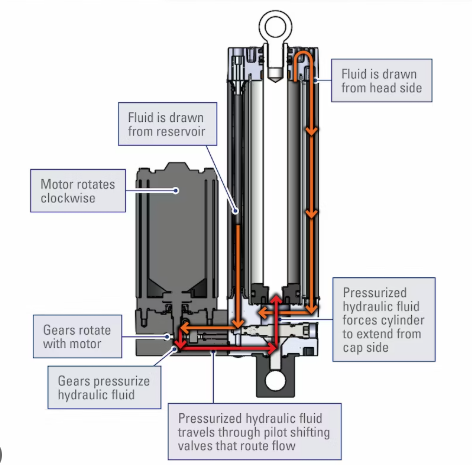
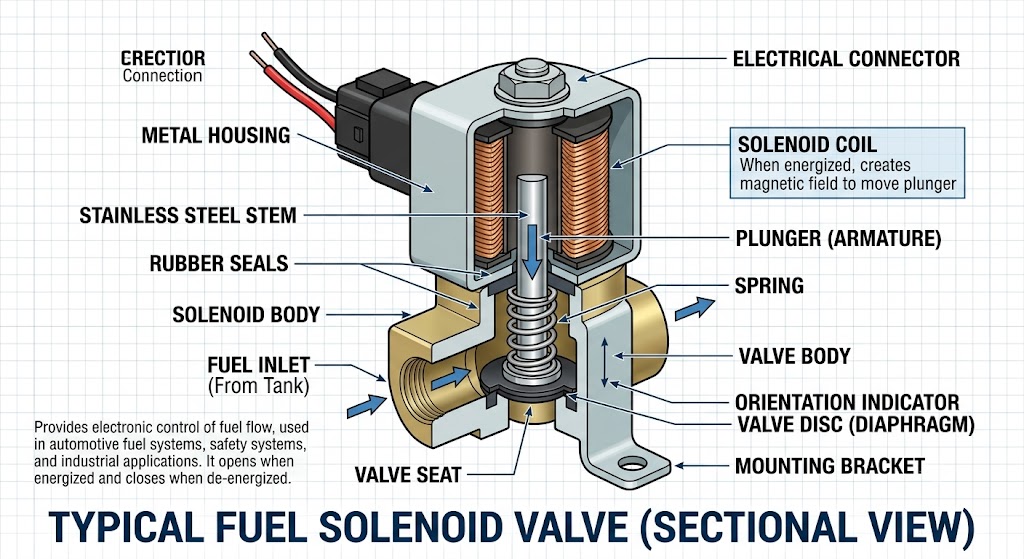
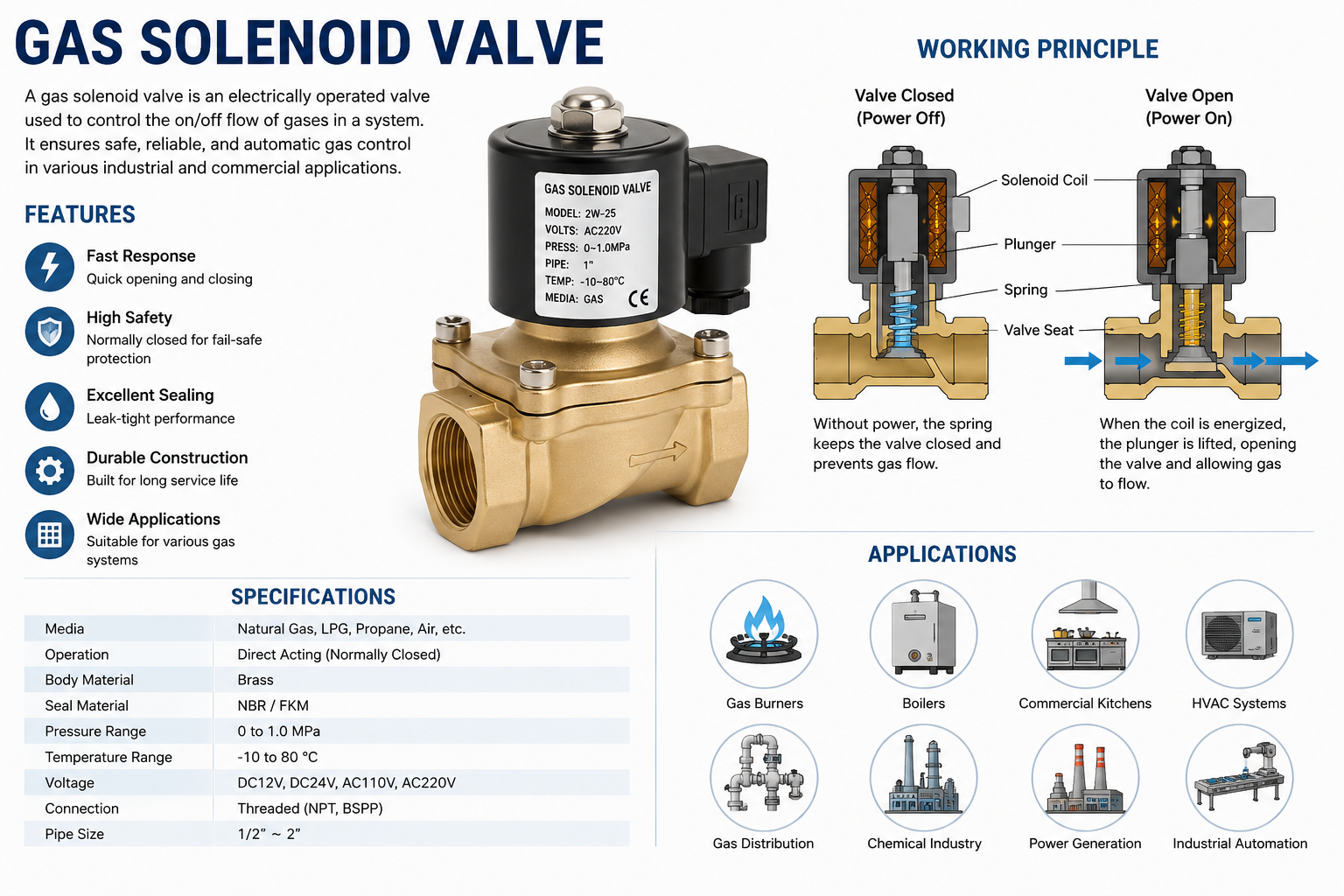
An electro-hydraulic actuator is a self-contained power unit that converts electrical energy into high-force mechanical motion using hydraulic fluid.
Unlike traditional hydraulic systems, which require a massive central power unit (HPU), complex piping, and external reservoirs, an EHA is modular. It integrates the motor, hydraulic pump, and cylinder into a single, compact assembly. This "power-by-wire" approach eliminates the common maintenance headaches associated with leak-prone hydraulic lines.
How Does an Electro-Hydraulic Actuator Work?
The operation of an EHA can be broken down into three primary stages:
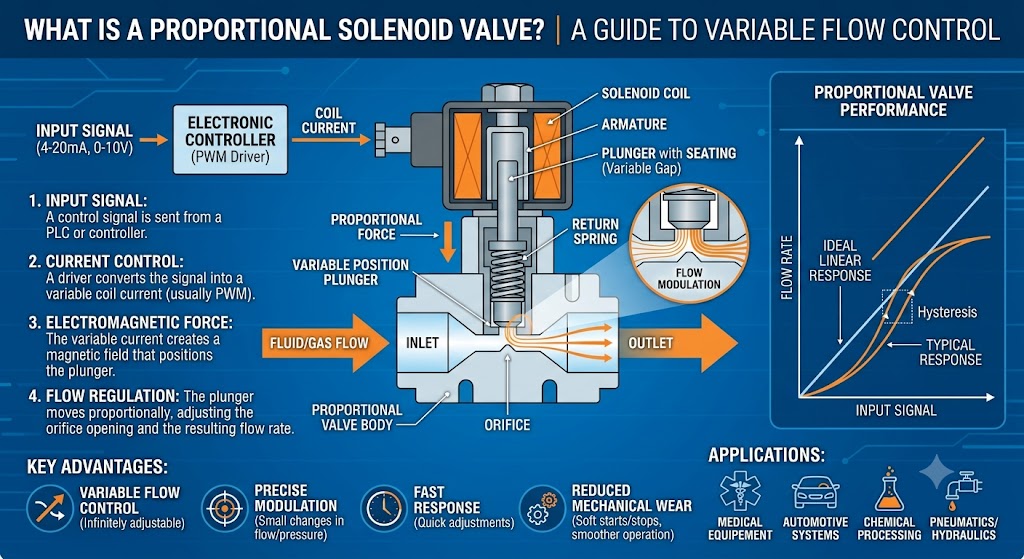
- Electrical Input: A controller sends an electrical signal (typically 4-20mA or a digital bus signal) to the actuator's internal motor.
- Hydraulic Pressure: The electric motor drives a high-efficiency internal pump. This pump pressurizes the hydraulic fluid within the self-contained circuit.
- Mechanical Output: The pressurized fluid moves a piston within the cylinder, creating linear or rotary motion to operate a valve, damper, or heavy machinery.
By using an integrated feedback sensor (such as an LVDT or encoder), the system can achieve sub-millimeter positioning accuracy, making it far more precise than standard pneumatic alternatives.
Key Components of an EHA System
To maintain a "zero-leak" and high-performance profile, most electro-hydraulic actuators consist of:
- Brushless DC Motor: Provides the torque needed to drive the pump with minimal heat buildup.
- Bi-directional Pump: Allows the actuator to move in both directions without complex valve manifolds.
- Internal Reservoir: A sealed chamber that holds the hydraulic fluid, protected from environmental contaminants.
- Fail-Safe Mechanisms: Often includes internal springs or accumulators to ensure the valve closes (or opens) during a power failure.
The Advantages of Electro-Hydraulic Actuation
Why choose electro-hydraulic over pure electric or pneumatic systems?
1. Exceptional Power Density
Hydraulic fluid is nearly incompressible, allowing EHAs to generate immense force in a relatively small footprint. They can handle "stiction" and high-pressure drops in large-bore valves that would stall an electric actuator.
2. "Plug-and-Play" Installation
Since the hydraulic system is internal, there is no need for external hydraulic plumbing. This significantly reduces installation costs and the risk of environmental contamination from leaks.
3. Fail-Safe Reliability
In critical industries like Oil & Gas, the ability to return to a safe state during a power loss is non-negotiable. EHAs easily incorporate mechanical springs to provide reliable fail-safe action.
4. Precision Control
With advanced digital controllers, EHAs offer variable speed control, precise positioning, and diagnostic data, which are essential for modern Industry 4.0 environments.
Common Applications
Electro-hydraulic actuators are the "heavy lifters" in environments where failure is not an option:
- Oil & Gas: Operating emergency shutdown valves (ESD) and subsea equipment.
- Power Plants: Controlling steam turbine bypass valves and feedwater systems.
- Mining & Metal: Moving heavy-duty dampers and conveyor tensioning systems.
- Renewable Energy: Pitch control for large-scale wind turbines.
Comparison: Electro-Hydraulic vs. Alternatives
| Feature | Electro-Hydraulic (EHA) | Electric Actuator | Pneumatic Actuator |
|---|---|---|---|
| Force Output | Extremely High | Moderate | Low to Moderate |
| Precision | High | High | Low |
| Fail-Safe | Mechanical Spring/Accumulator | Battery Backup (limited) | Spring Return |
| Maintenance | Low (Self-contained) | Medium (Gears/Wear) | High (Air leaks/Filters) |
Conclusion
Electro-hydraulic actuators represent the pinnacle of actuation technology for the B2B industrial sector. By marrying the strength of hydraulics with the intelligence of electronic control, they provide a reliable, clean, and powerful solution for the most demanding environments.
If your facility requires high torque, precise modulation, and fail-safe security, the electro-hydraulic actuator is likely the most cost-effective long-term investment.
If you want to learn more about low-priced products, please visit the following website: www.xm-valveactuator.com