In the world of industrial automation and fluid power, valves are the essential components that direct, stop, or start the flow of media. Two of the most common types are pneumatic valves and solenoid valves. While they often perform similar tasks, their internal mechanisms, power sources, and ideal applications differ significantly.
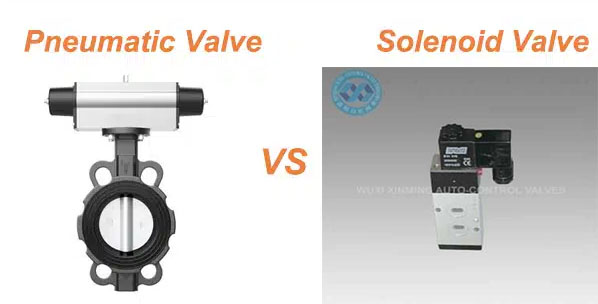
Understanding these differences is crucial for optimizing system performance, ensuring safety, and managing operational costs.
1. How They Work: The Core Mechanisms
Solenoid Valves (Electromagnetic Actuation)
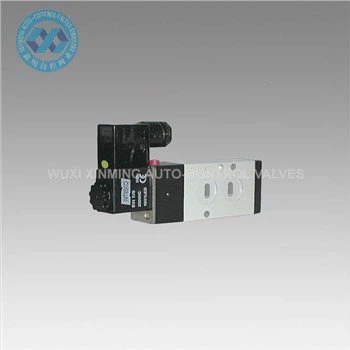
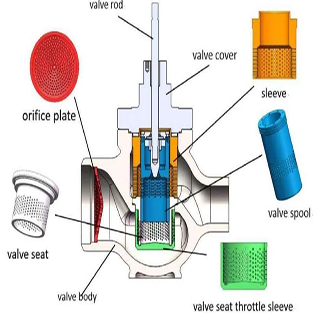
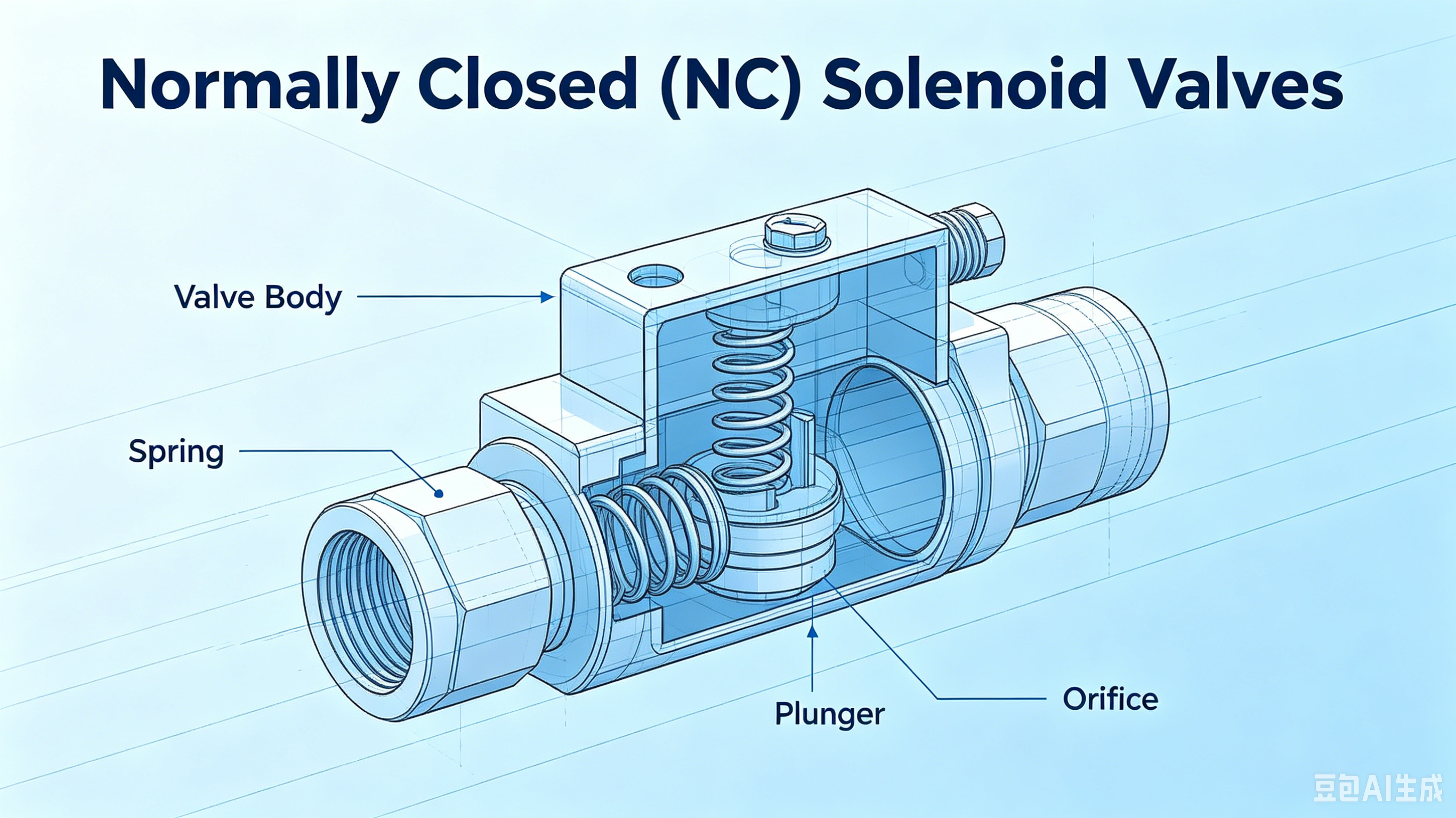
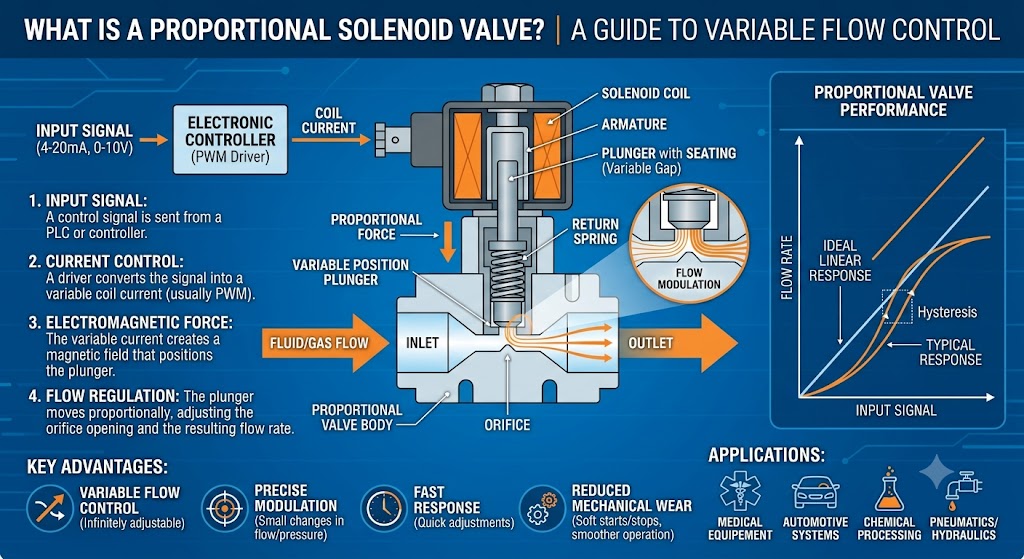
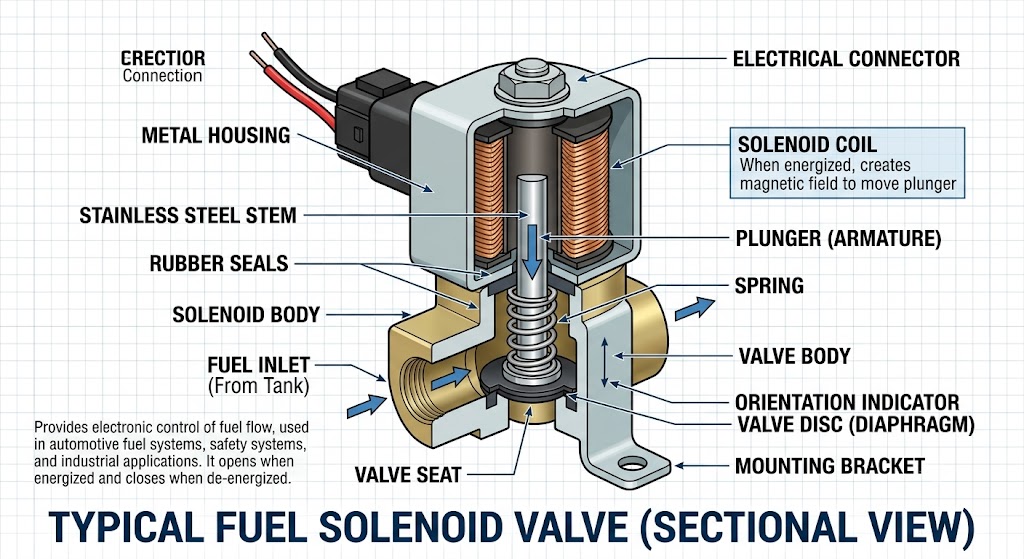
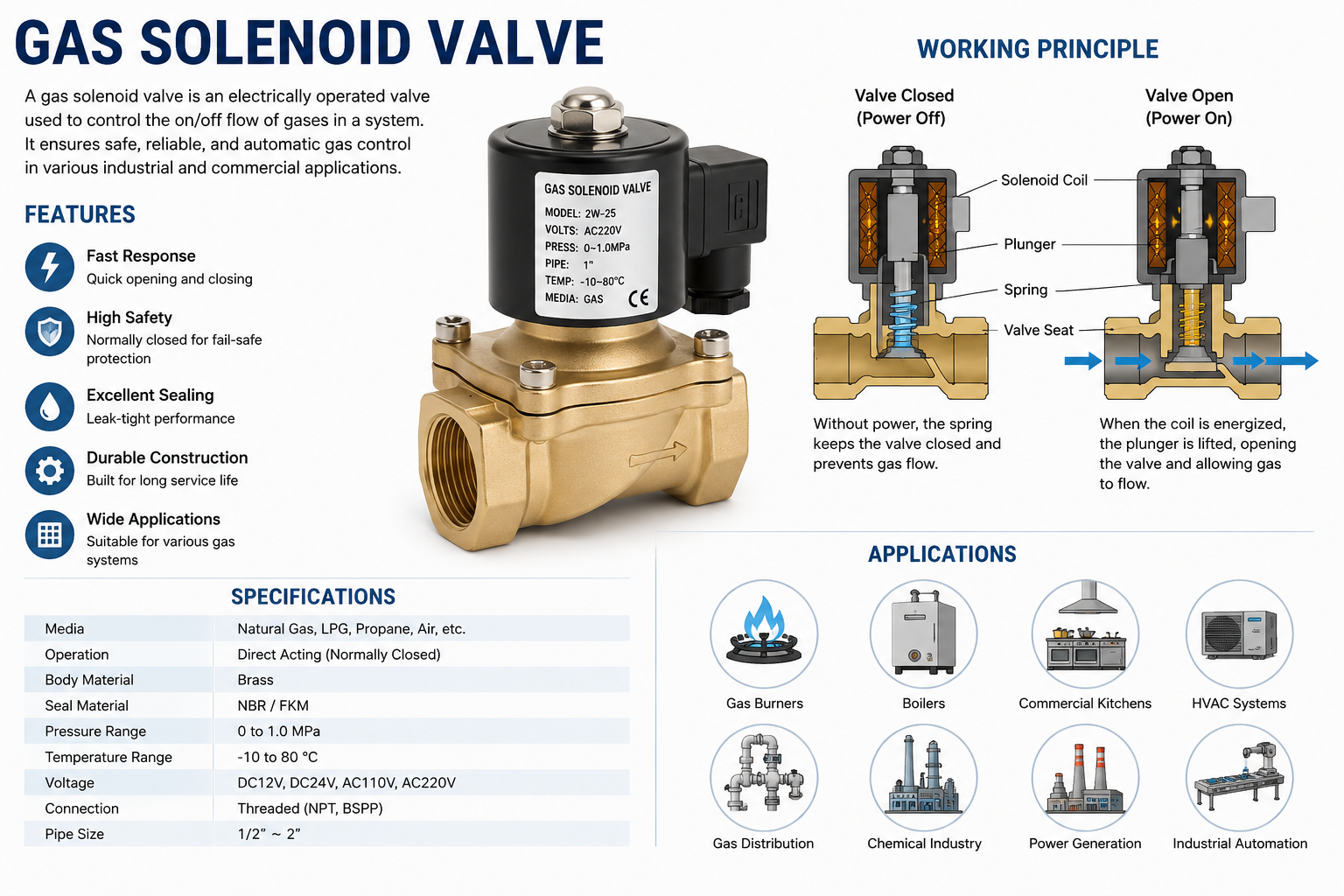
A solenoid valve is an electromechanical device. It uses an electric current to generate a magnetic field, which moves a metal plunger (the armature). This plunger either opens or closes an orifice to control the flow of the medium (liquid or gas).
- Direct-Acting: The solenoid coil directly pulls the plunger to open the valve.
- Pilot-Operated: The solenoid opens a small "pilot" hole, and the pressure of the fluid itself does the heavy lifting to open the main valve seal.
Pneumatic Valves (Air-Driven Actuation)
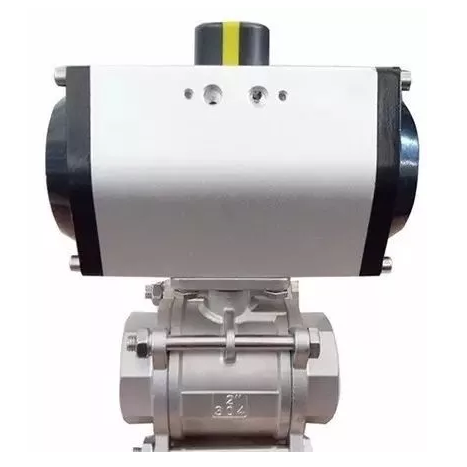
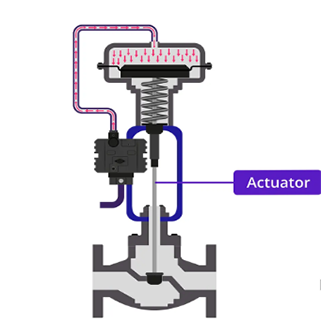
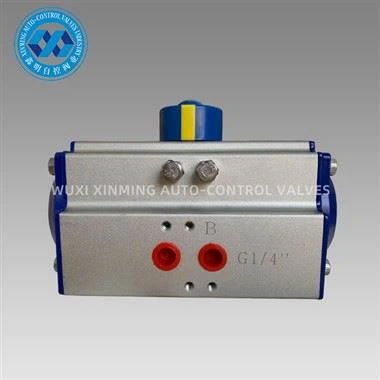
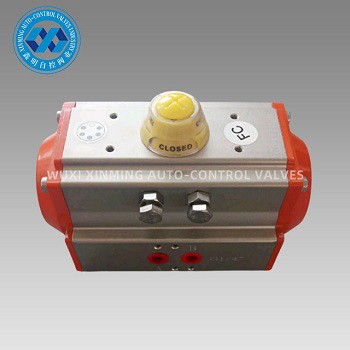
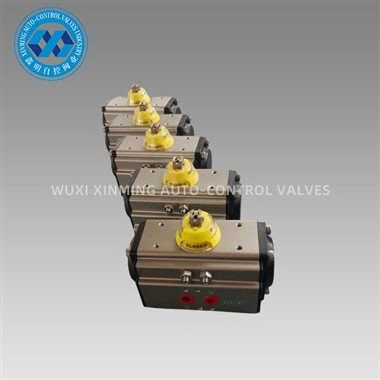
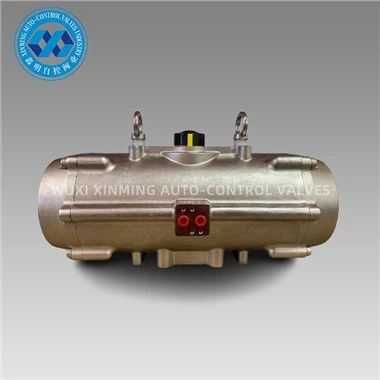
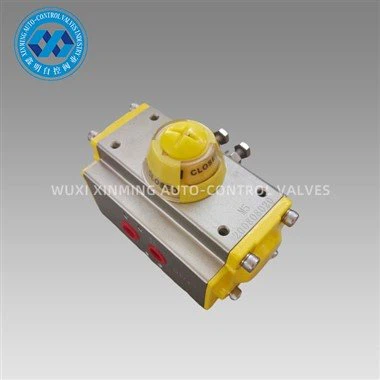
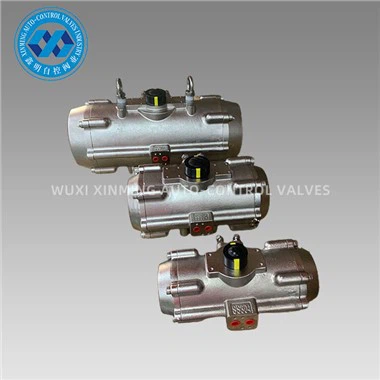
A pneumatic valve uses compressed air to move the internal mechanism. Rather than a magnetic coil, these valves typically feature an actuator—a chamber containing a piston or a diaphragm. When pressurized air enters the actuator, it overcomes spring tension to shift the valve spool or lift a plug.
While a pneumatic valve is powered by air, it often requires a smaller "pilot" solenoid valve to tell the air where to go.
2. Key Differences: A Head-to-Head Comparison
To choose the right component, you must look at the specific requirements of your infrastructure.
Power Source
- Solenoid Valve: Requires electricity (AC or DC). It is easy to integrate into modern electronic control systems and PLCs (Programmable Logic Controllers).
- Pneumatic Valve: Requires a compressed air supply (and often a small amount of electricity for the pilot signal).
Force and Torque
- Solenoid Valve: Generally limited in force. They are best suited for smaller pipes and lower-pressure applications.
- Pneumatic Valve: Can generate massive force and torque. They are the industry standard for large-diameter ball valves, butterfly valves, and high-pressure industrial lines.
Response Time
- Solenoid Valve: Offers near-instantaneous response times, making them ideal for high-speed sorting or precision dosing.
- Pneumatic Valve: Slightly slower due to the time required for air to fill the actuator chamber and compress.
Environmental Suitability
- Solenoid Valve: Sensitive to moisture and explosive gases (though explosion-proof models exist). The coils can overheat if energized for long periods.
- Pneumatic Valve: Extremely robust. Because they don't rely on internal electrical sparks, they are inherently safer in "Hazardous Areas" (ATEX/Ex zones) where flammable gases or dust are present.
3. Comparison Summary Table
| Feature | Solenoid Valve | Pneumatic Valve |
|---|---|---|
| Primary Driver | Electromagnetism | Compressed Air |
| Complexity | Compact, all-in-one | Requires compressor/tubing |
| Best For | Small scale, fast switching | Large scale, heavy duty |
| Safety | Risk of spark/heat | High (Safe for explosive zones) |
| Maintenance | Low (Coil replacement) | Moderate (Seal/Actuator checks) |
4. Which One Should You Choose?
Choose a Solenoid Valve if:
- You are working with small-diameter piping (usually under 2 inches).
- You have a limited footprint and need a compact solution.
- The system requires extremely fast, repeated cycles.
- Electricity is your only available power source.
Choose a Pneumatic Valve if:
- You need to move large volumes of fluid or heavy mechanical parts.
- The environment is harsh, wet, or carries an explosion risk.
- You already have an established compressed air infrastructure.
- The valve needs to remain in a fail-safe position (open or closed) during a power outage.
Conclusion
Both solenoid and pneumatic valves have their place in modern industry. While solenoid valves offer elegant, electronic control for smaller tasks, pneumatic valves provide the "muscle" and safety required for heavy-duty industrial processing.
If you want to learn more about low-priced products, please visit the following website: www.xm-valveactuator.com