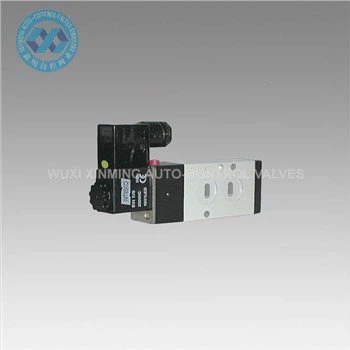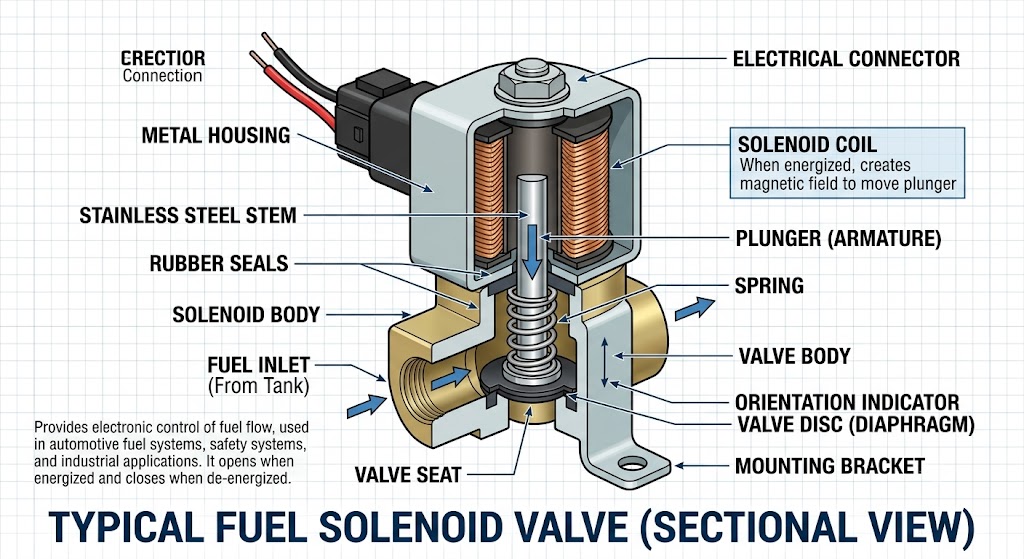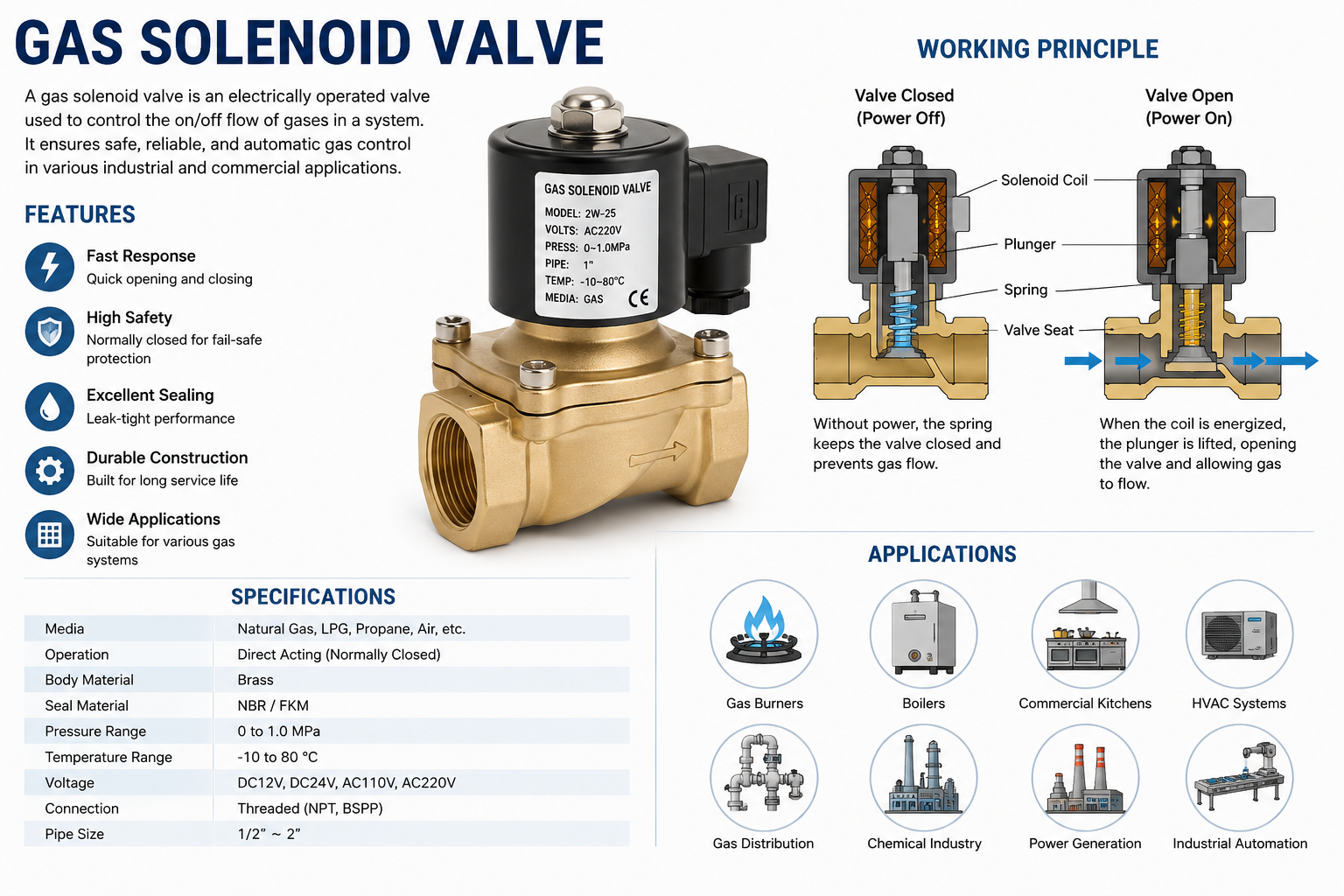
Solenoid valves are the silent workhorses of industrial and domestic automation. By converting electrical energy into mechanical movement, they control the flow of liquids and gases in everything from coffee machines to massive chemical refineries. However, despite their robust design, they are not immortal.
When a solenoid valve begins to fail, the symptoms can range from subtle inefficiencies to catastrophic system shutdowns. Here is a professional breakdown of what happens when these components reach their breaking point.
1. Total Failure to Actuate (The "Dead" Valve)
The most common sign of a "bad" solenoid is a valve that simply refuses to open or close when energized. This usually stems from two primary issues:
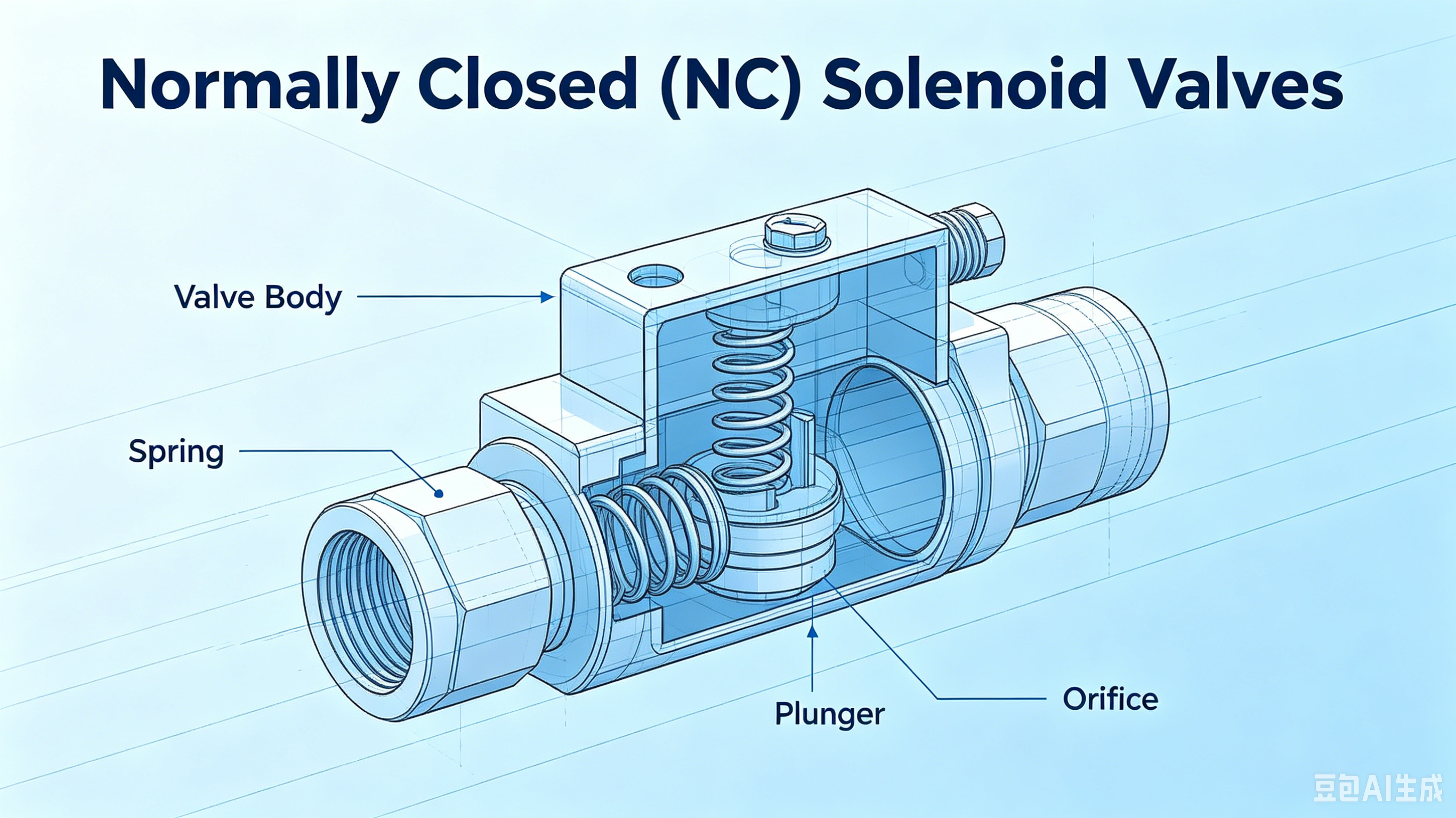
- Coil Burnout: The electromagnetic coil is the heart of the valve. If the coil is exposed to voltage surges, excessive moisture, or high ambient temperatures, the internal wiring can melt or short-circuit. In this state, the valve is electrically "dead"—no magnetic field is generated, and the plunger remains stationary.
- Mechanical Seizure: Even if the coil is healthy, the internal plunger can become jammed. This is often caused by sediment, scale, or "stiction" (static friction) caused by degraded lubricants or fluid buildup.
2. Internal and External Leakage
A solenoid valve is essentially a gatekeeper. When it goes bad, it loses its ability to hold back pressure.
- Internal Leaks (Bypassing): If the internal seal or diaphragm is pitted, cracked, or hardened, fluid will seep through even when the valve is technically "closed." This can lead to pressure loss downstream or unintended mixing of chemicals.
- External Leaks: If the O-rings or gaskets between the valve body and the coil housing fail, you will see the controlled medium (water, oil, or gas) escaping into the environment. In the case of pneumatic systems, this manifests as a constant, audible hiss of air.
3. Audible Warning Signs: Buzzing and Humming
A healthy AC-powered solenoid valve should operate with a crisp "click." If you hear a loud humming or buzzing sound, something is wrong.
This "AC hum" usually happens when the plunger is unable to complete its full stroke. Because the plunger cannot seat properly against the core, the magnetic circuit remains "open," causing the plunger to vibrate at the frequency of the power supply (typically 50 or 60Hz). If left unchecked, this vibration generates intense heat and will eventually melt the coil.
4. Sluggish Response and Erratic Behavior
Sometimes a valve doesn't fail "hard"; instead, it becomes "lazy."
- Sluggishness: The valve may take several seconds to open after receiving power. This is often a sign of a weakened return spring or high-viscosity buildup inside the armature tube.
- Ghosting: The valve might flutter or cycle rapidly without a command. This is frequently an electrical issue, such as a loose connection or a failing control relay, but it can also be caused by extreme pressure fluctuations that the valve was not rated to handle.
Summary Table: Symptoms and Causes
| Symptom | Likely Culprit | Impact |
|---|---|---|
| No "Click" | Burned-out coil or seized plunger | System downtime; no flow control. |
| Constant Hiss/Drip | Damaged diaphragm or seal | Resource waste; potential safety hazard. |
| Loud Buzzing | Plunger stuck or improper voltage | Overheating; imminent coil failure. |
| Delayed Opening | Weak spring or debris | Poor process timing; inefficiency. |
Conclusion
A failing solenoid valve is rarely a standalone problem; it is often a symptom of poor fluid filtration, incorrect voltage, or operating outside of the valve's pressure specifications. Regular maintenance—specifically checking for coil heat and cleaning internal components—can prevent the majority of these failure modes.
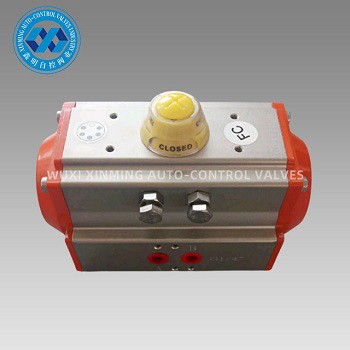
If you want to learn more about low-priced products, please visit the following website: www.xm-valveactuator.com