In the complex world of fluid dynamics and process automation, choosing the right valve isn't just a technicality—it's the difference between a seamless operation and a mechanical headache. When it comes to pneumatic 3-way valves, the "L-Port" and "T-Port" configurations are the most common, yet they are frequently misunderstood.
If you've ever wondered why your flow isn't diverting as expected, or why you can't achieve a "mixing" state, the answer lies in the bore of the ball. Let's decode the functional DNA of these two essential components.
What is a Pneumatic 3-Way Valve?
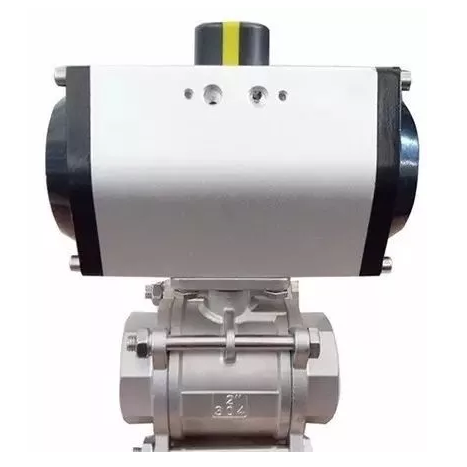
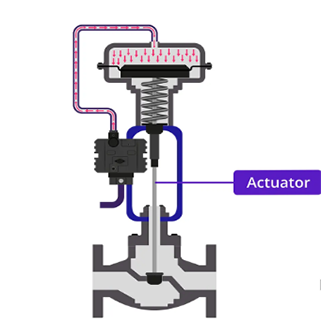
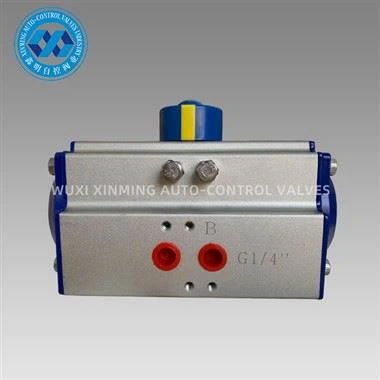
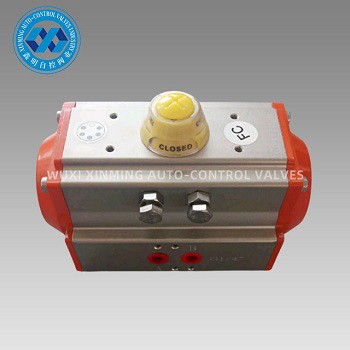
Before diving into the ports, let's address the "pneumatic" part. A pneumatic 3-way valve uses compressed air to rotate a ball inside the valve body. Unlike standard 2-way valves (on/off), a 3-way valve has three ports (one inlet and two outlets, or vice versa), allowing for complex fluid routing, mixing, or diverting.
1. The L-Port: The "Diverter" Specialist
The L-Port valve is named for the L-shaped hole drilled through the ball. Its primary mission is simple: direction. It is designed to divert flow from one common port to one of two other ports.
- How it works: In Position A, the flow goes from the bottom to the left. Turn the actuator 90 degrees, and the flow now goes from the bottom to the right.
- The Limitation: Crucially, an L-Port valve cannot connect all three ports at the same time. It is an "either/or" component.
Best Use Cases for L-Port:
- Diverting flow from a single source to two different tanks.
- Switching between two sources (e.g., a primary water line and a backup) to a single destination.
- Applications where you want to ensure the two "branch" lines never cross-contaminate.
2. The T-Port: The "Versatile Mixer"
The T-Port valve features a T-shaped bore. Because of this geometry, it offers significantly more flexibility than its L-shaped cousin. While the L-port is a diverter, the T-port is often called a transposing or mixing valve.
- How it works: A T-Port can do everything an L-Port does, but it can also connect all three ports simultaneously.
- The "Mixing" Mode: By positioning the ball correctly, you can have flow coming in from two ports and exiting through the third, or vice versa.
Best Use Cases for T-Port:
- Mixing fluids: Combining hot and cold water to reach a specific temperature.
- Splitting flow: Sending a single source to two different destinations at the same time.
- Constant Flow: Ensuring that the flow is never completely blocked during the transition between ports.

Key Differences at a Glance
| Feature | L-Port Valve | T-Port Valve |
| Bore Shape | L-shaped | T-shaped |
| Primary Function | Diverting / Selecting | Mixing / Splitting / Diverting |
| Common Alias | Diverter Valve | Mixing Valve |
| Can connect 3 ports? | No | Yes |
| Complexity | Simple 90° operation | Multiple configurations (90° or 180°) |
Pneumatic Actuation: Making the Choice
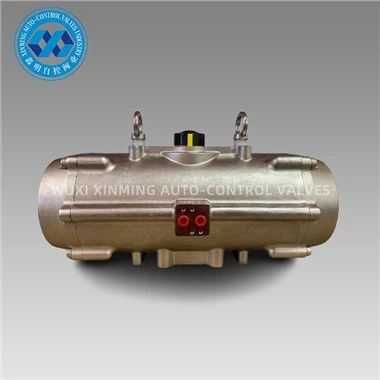
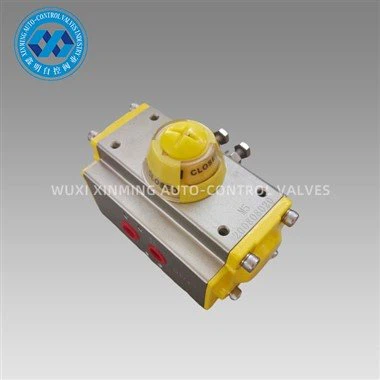
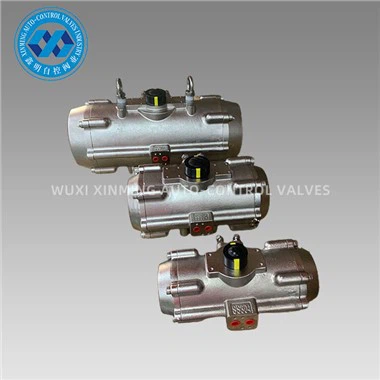
When these valves are "pneumatic," the choice of actuator (Double Acting vs. Spring Return) becomes vital.
- L-Port valves are typically paired with standard 90-degree actuators.
- T-Port valves often require more precise control or even 180-degree actuators if you need to access all possible flow paths.
Pro Tip: When ordering, always specify your "fail-safe" position. In the event of a loss of air pressure, do you want the valve to divert to Port A, Port B, or stay exactly where it is?
Conclusion: Which One Do You Need?
Choosing between a T-Port and an L-Port comes down to your flow goal:
- If you need to choose between two paths and keep them separate, go with the L-Port.
- If you need to mix, split, or have a "bypass" mode, the T-Port is your winner.
Using the wrong port configuration can lead to "dead-heading" pumps or unintended mixing, so it's worth double-checking your P&ID (Piping and Instrumentation Diagram) before you hit "purchase."
If you want to learn more about low-priced products, please visit the following website: www.xm-valveactuator.com