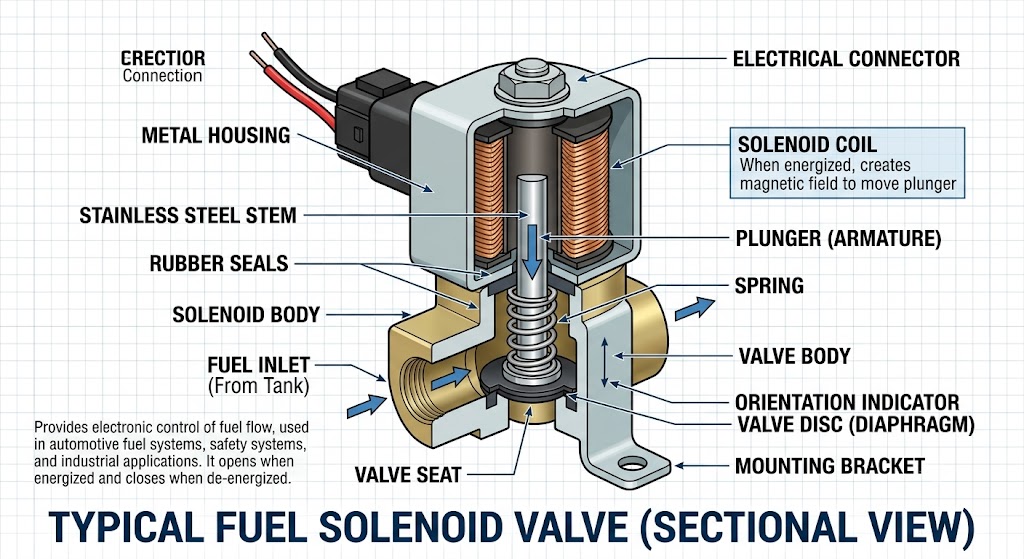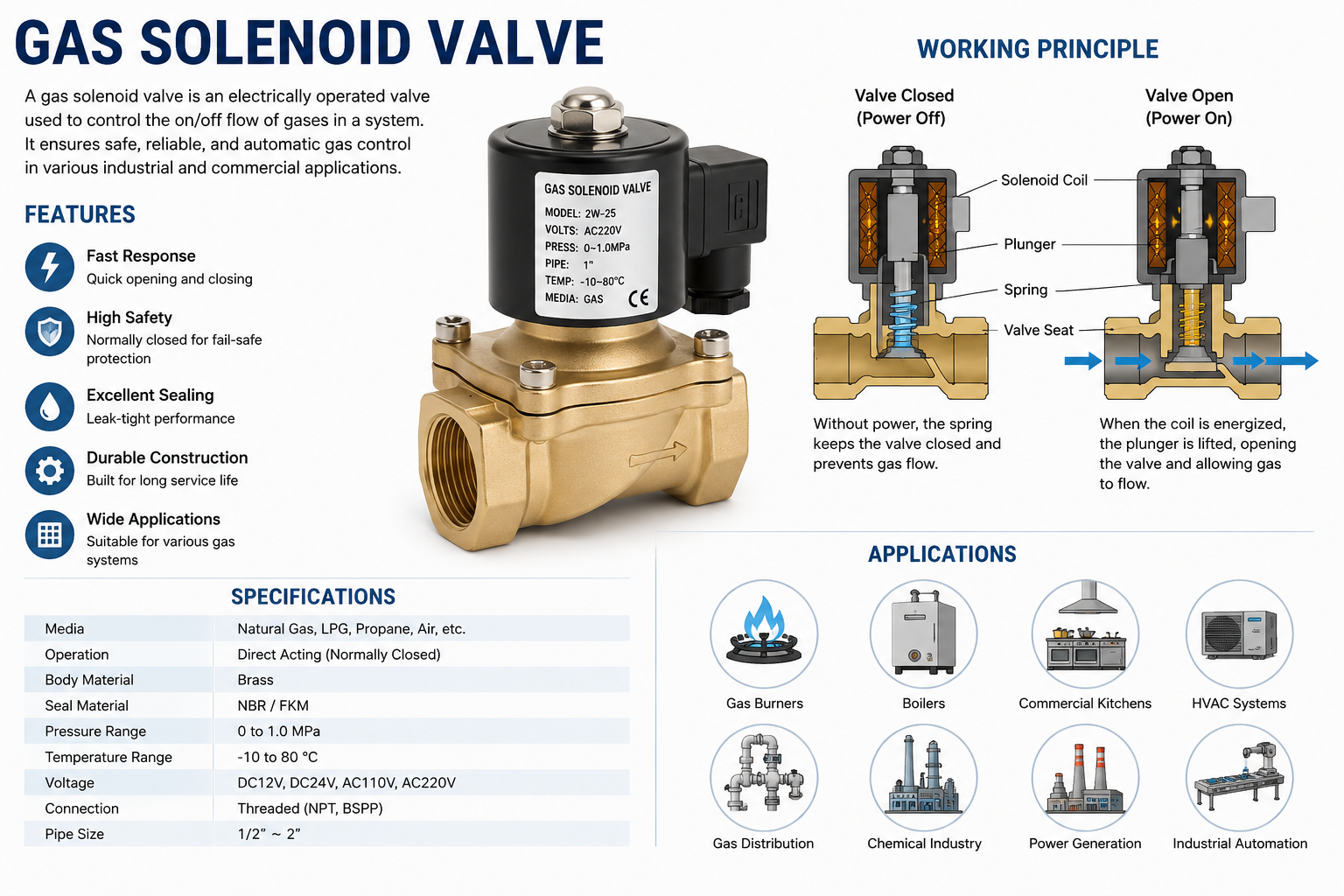
Ball valves are widely used in industrial fluid control systems because of their excellent sealing performance, fast operation, and durability. In modern automation systems, actuated ball valves are essential for remote operation, process control, and safety management. The two most common automation methods are pneumatic actuation and electric actuation.
Choosing between pneumatically actuated ball valves and electrically actuated ball valves depends on many factors, including operating environment, response speed, energy source, maintenance requirements, and overall system cost. This guide provides a detailed comparison to help engineers, plant managers, and procurement professionals select the right solution for their industrial applications.
Related Keywords: pneumatic ball valve, electric ball valve, actuated ball valve, industrial valve automation, automated valve systems, valve actuator comparison
What Is a Pneumatically Actuated Ball Valve?
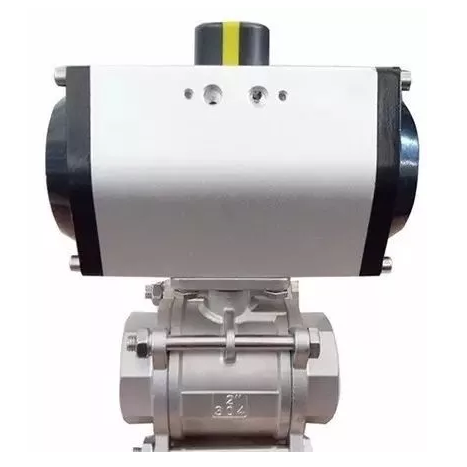
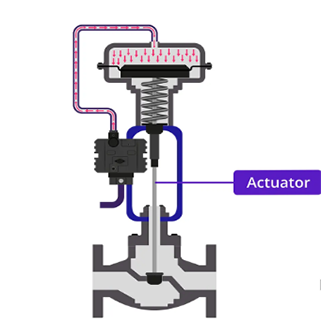
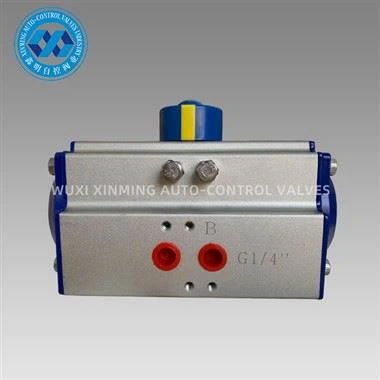
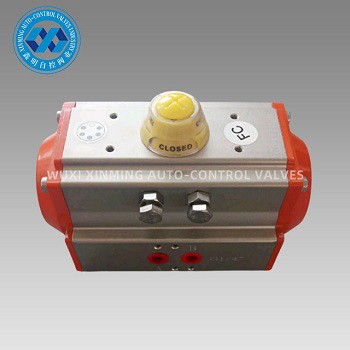
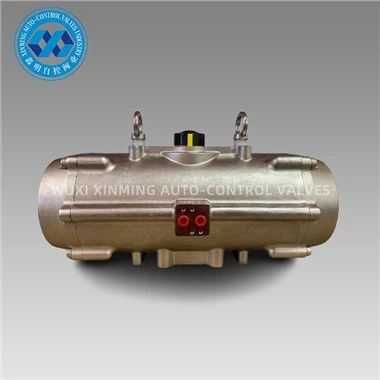
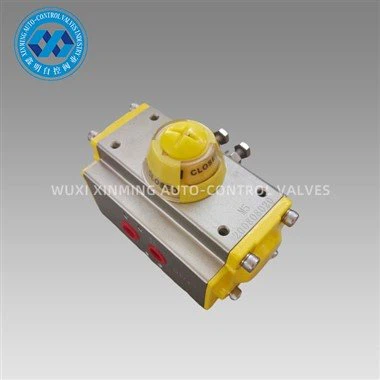
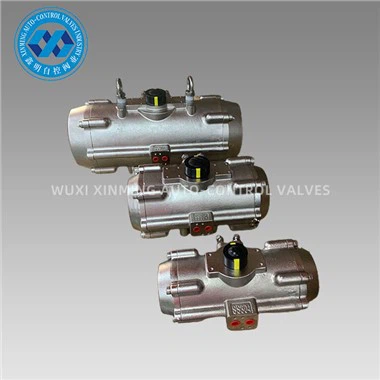
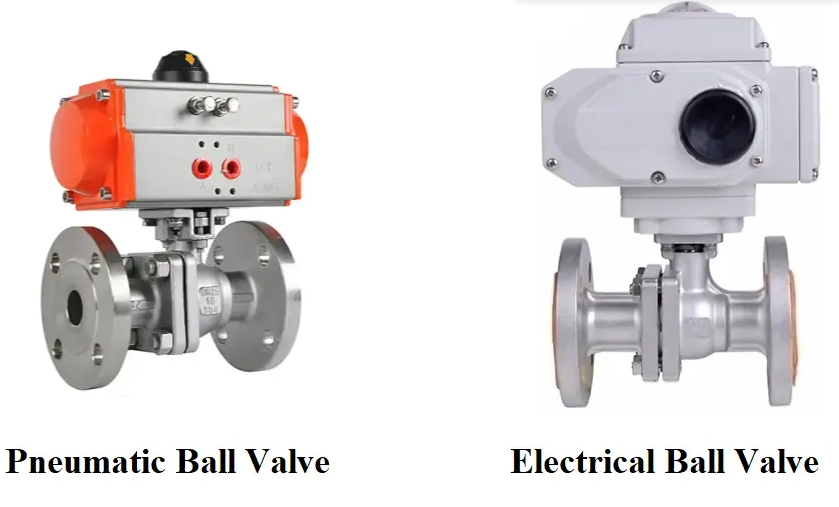
A pneumatically actuated ball valve uses compressed air to operate the valve. The pneumatic actuator converts air pressure into mechanical motion, rotating the valve stem to open or close the valve.
Main Features of Pneumatic Ball Valves
- Fast opening and closing speed
- Suitable for hazardous environments
- Simple and compact actuator structure
- Reliable performance in high-cycle applications
- Commonly used in oil & gas, chemical, and water treatment industries
What Is an Electrically Actuated Ball Valve?
An electrically actuated ball valve uses an electric motor to rotate the valve stem. Electric actuators are powered by AC or DC electricity and are often integrated with intelligent control systems for precise automation.
Main Features of Electric Ball Valves
- Precise positioning control
- Easy integration with PLC and automation systems
- No need for compressed air supply
- Energy-efficient for low-frequency operation
- Ideal for remote and automated facilities
Pneumatically vs. Electrically Actuated Ball Valves: Key Differences
| Comparison Factor | Pneumatic Ball Valve | Electric Ball Valve |
|---|---|---|
| Power Source | Compressed air | Electricity |
| Operating Speed | Very fast | Moderate |
| Positioning Accuracy | Moderate | High precision |
| Installation Cost | Requires air compressor system | Simpler installation |
| Maintenance | Requires air system maintenance | Requires electrical inspection |
| Hazardous Area Suitability | Excellent | Needs explosion-proof design |
| Continuous Duty | Suitable for frequent cycling | Limited by motor heat |
| Control Capability | On/Off mainly | Modulating and precise control |
| Initial Investment | Lower actuator cost | Higher actuator cost |
| Energy Consumption | Higher due to air compression | Lower in intermittent operation |
Advantages of Pneumatically Actuated Ball Valves
1. Faster Response Time
Pneumatic actuators can open and close valves rapidly, making them ideal for emergency shut-off systems and high-speed industrial automation processes.
2. Better for Hazardous Environments
Pneumatic systems do not generate sparks, which makes them safer for explosive or flammable environments such as oil refineries and chemical plants.
3. Long Service Life
Pneumatic actuators generally have fewer electrical components, reducing the risk of motor failure and improving durability in harsh operating conditions.
4. Cost-Effective for Large Facilities
Facilities with existing compressed air systems can easily integrate pneumatic ball valves at relatively low operating costs.
Advantages of Electrically Actuated Ball Valves
1. Precise Control
Electric actuators provide accurate positioning and modulation control, which is essential for automated process systems requiring flow regulation.
2. Easier Installation
Electric ball valves only require electrical wiring and do not need air compressors, filters, or pneumatic tubing.
3. Smart Automation Integration
Modern electric actuators support digital communication protocols, feedback systems, and IoT-based monitoring functions.
4. Energy Efficiency
Electric actuators consume power only during valve movement, making them energy-efficient in systems with infrequent operation.
When to Choose Pneumatic Ball Valves
Pneumatic actuated ball valves are recommended for:
- High-speed valve cycling applications
- Hazardous and explosive environments
- Large industrial plants with compressed air systems
- Heavy-duty industrial operations
- Emergency shut-off systems
When to Choose Electric Ball Valves
Electric actuated ball valves are ideal for:
- Precise flow control applications
- Remote automation systems
- Buildings and HVAC systems
- Water treatment facilities
- Applications without compressed air infrastructure
Industry Applications
| Industry | Recommended Valve Type | Reason |
|---|---|---|
| Oil & Gas | Pneumatic Ball Valve | Explosion-proof safety and fast operation |
| Water Treatment | Electric Ball Valve | Remote automation and precision control |
| Chemical Processing | Pneumatic Ball Valve | Reliable in hazardous conditions |
| HVAC Systems | Electric Ball Valve | Energy-efficient building automation |
| Food & Beverage | Electric Ball Valve | Accurate process management |
| Power Plants | Both | Depends on control requirements |
Maintenance Considerations
Pneumatic Valve Maintenance
- Check air pressure regularly
- Inspect air filters and lubricators
- Monitor actuator seals for leakage
- Maintain compressor system efficiency
Electric Valve Maintenance
- Inspect wiring and electrical connections
- Monitor motor temperature
- Check actuator calibration
- Protect against moisture and voltage fluctuations
Future Trends in Actuated Ball Valves
Industrial automation continues to evolve with smart manufacturing and Industry 4.0 technologies. Both pneumatic and electric actuators are becoming more intelligent through digital control systems, predictive maintenance, and real-time monitoring.
Electric actuators are rapidly adopting IoT connectivity and advanced diagnostics, while pneumatic systems are improving energy efficiency and reliability through modern air management technologies.
Frequently Asked Questions
Which is more reliable: pneumatic or electric ball valves?
Pneumatic ball valves are generally more reliable in harsh industrial environments, while electric ball valves provide superior precision and automation control.
Are electric ball valves more energy-efficient?
Yes. Electric actuators typically consume less energy in low-frequency operations because power is only used during valve movement.
Can pneumatic ball valves be used outdoors?
Yes. Pneumatic ball valves perform well outdoors and in harsh weather conditions when properly protected and maintained.
Which valve actuator is better for explosive environments?
Pneumatic actuators are usually preferred because they do not generate sparks and are safer for hazardous areas.
Conclusion
Both pneumatically actuated ball valves and electrically actuated ball valves offer unique advantages for industrial automation systems. Pneumatic ball valves excel in speed, durability, and hazardous environments, while electric ball valves provide superior precision, smart control, and energy efficiency.
The best choice depends on your operating conditions, automation requirements, infrastructure, and budget. By carefully evaluating these factors, businesses can improve process efficiency, reduce downtime, and achieve reliable long-term valve performance.
If you want to learn more about low-priced products, please visit the following website: www.xm-valveactuator.com