In the world of fluid dynamics and thermal management, the four-way valve (or 4-way valve) is an essential component that manages complex flow directions with precision. Whether you are designing a high-efficiency HVAC system or a heavy-duty hydraulic circuit, understanding how these valves function is critical to system performance.
In this guide, we'll break down the mechanics, types, and key applications of four-way valves to help you make an informed technical decision.
What is a Four-Way Valve?
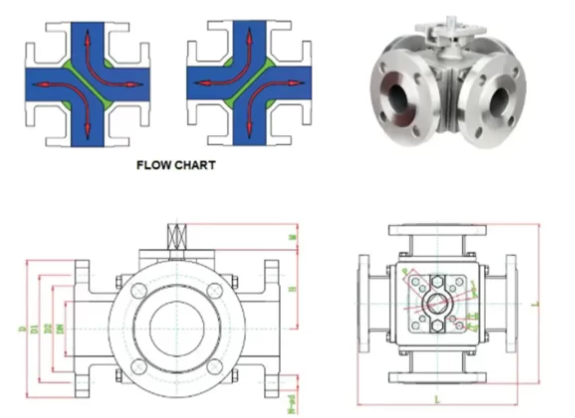
A four-way valve is a type of directional control valve featuring four distinct ports: an inlet (pressure), a return (tank/exhaust), and two distribution ports (usually labeled A and B).
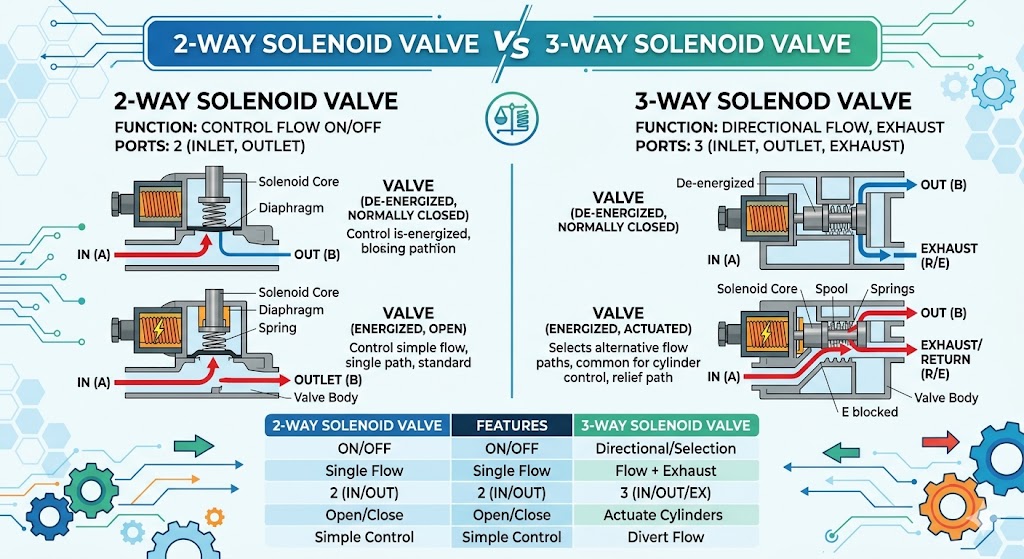
Unlike simpler two-way or three-way valves, the four-way valve allows for the simultaneous redirection of fluid or gas. Its primary job is to reverse the direction of a process or to alternate flow between two different paths.
How It Works: The Core Mechanism
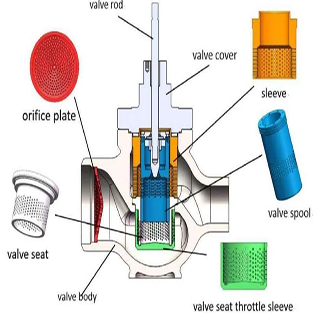
Most four-way valves operate using a sliding "spool" or a rotating "plug."
-
Position 1: The pressure port connects to Port A, while Port B vents to the return line.
-
Position 2: The valve shifts, connecting the pressure port to Port B and venting Port A to the return line.
Common Types of Four-Way Valves
Not all four-way valves are built the same. Their design varies based on the medium (liquid vs. gas) and the pressure requirements.
1. Reversing Four-Way Valves (HVAC/R)
Widely used in air conditioning and heat pump systems, these valves are the "brains" that allow a unit to switch between cooling and heating modes. By reversing the flow of refrigerant, the indoor coil can switch from absorbing heat to releasing it.
2. Hydraulic Directional Control Valves
In industrial machinery, these valves control the movement of double-acting hydraulic cylinders. They allow the piston to extend or retract by switching which side of the cylinder receives the pressurized oil.
3. Four-Way Plug or Ball Valves
Common in chemical processing, these use a rotating internal component to divert flow between four different pipe sections. They are prized for their "shut-off" capabilities and durability in corrosive environments.
Key Applications Across Industries
The versatility of the four-way valve makes it a staple in several major sectors:
| Industry | Primary Use Case |
|---|---|
| HVAC & Refrigeration | Switching heat pumps between "Summer" (cooling) and "Winter" (heating) modes. |
| Manufacturing | Controlling pneumatic or hydraulic arms in assembly lines and robotics. |
| Oil & Gas | Redirecting flow in manifold systems and controlling wellhead operations. |
| Water Treatment | Backwashing filters by reversing the water flow to clear out debris. |
Critical Factors for Selection
Choosing the right valve isn't just about the port size. To ensure longevity and efficiency, consider these technical specifications:
-
Material Compatibility: Ensure the valve body (brass, stainless steel, or cast iron) and seals (Viton, EPDM, or PTFE) are compatible with your fluid.
-
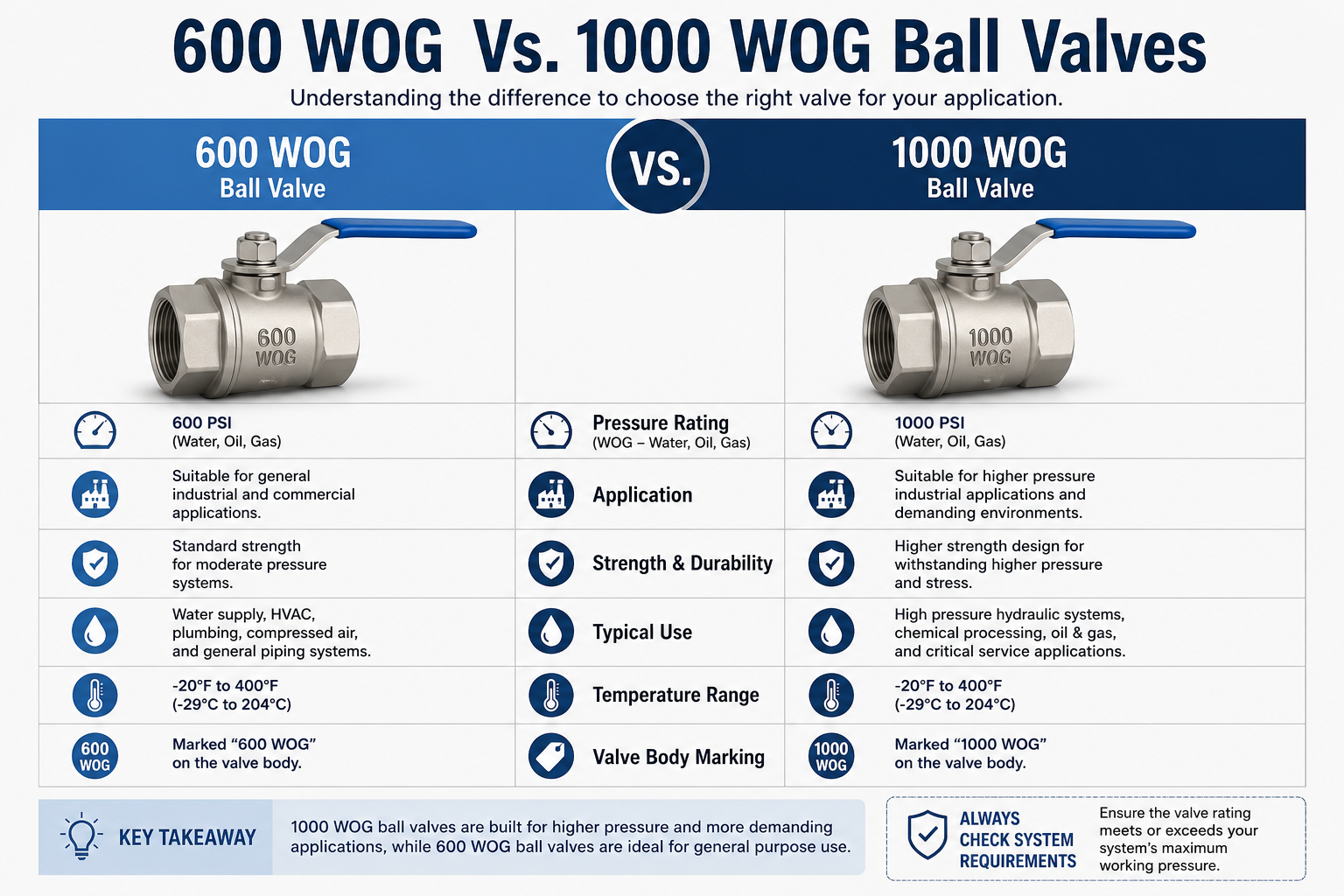
Pressure Rating: Operating pressures in hydraulics can exceed 3,000 PSI, whereas HVAC systems operate at much lower ranges.
-
Flow Coefficient (Cv): This determines the flow capacity. A Cv that is too low will cause a significant pressure drop and system inefficiency.
-
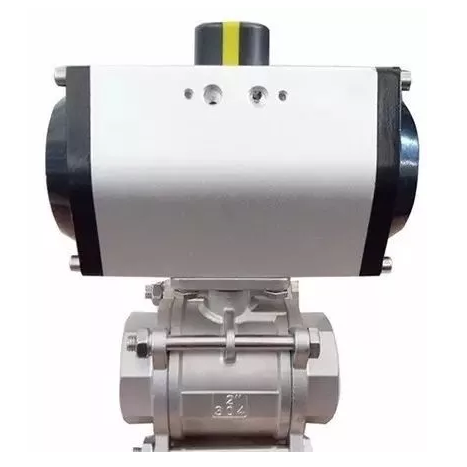
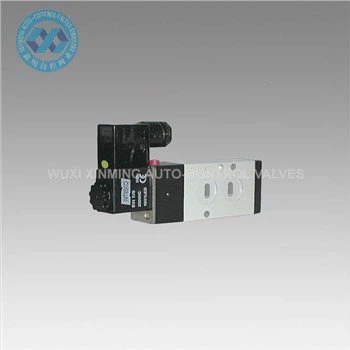
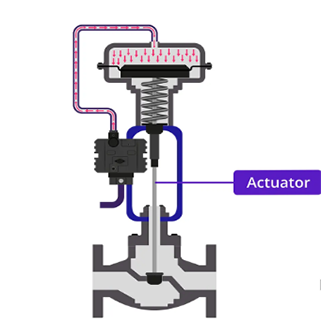
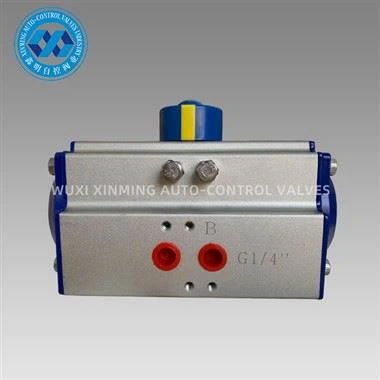
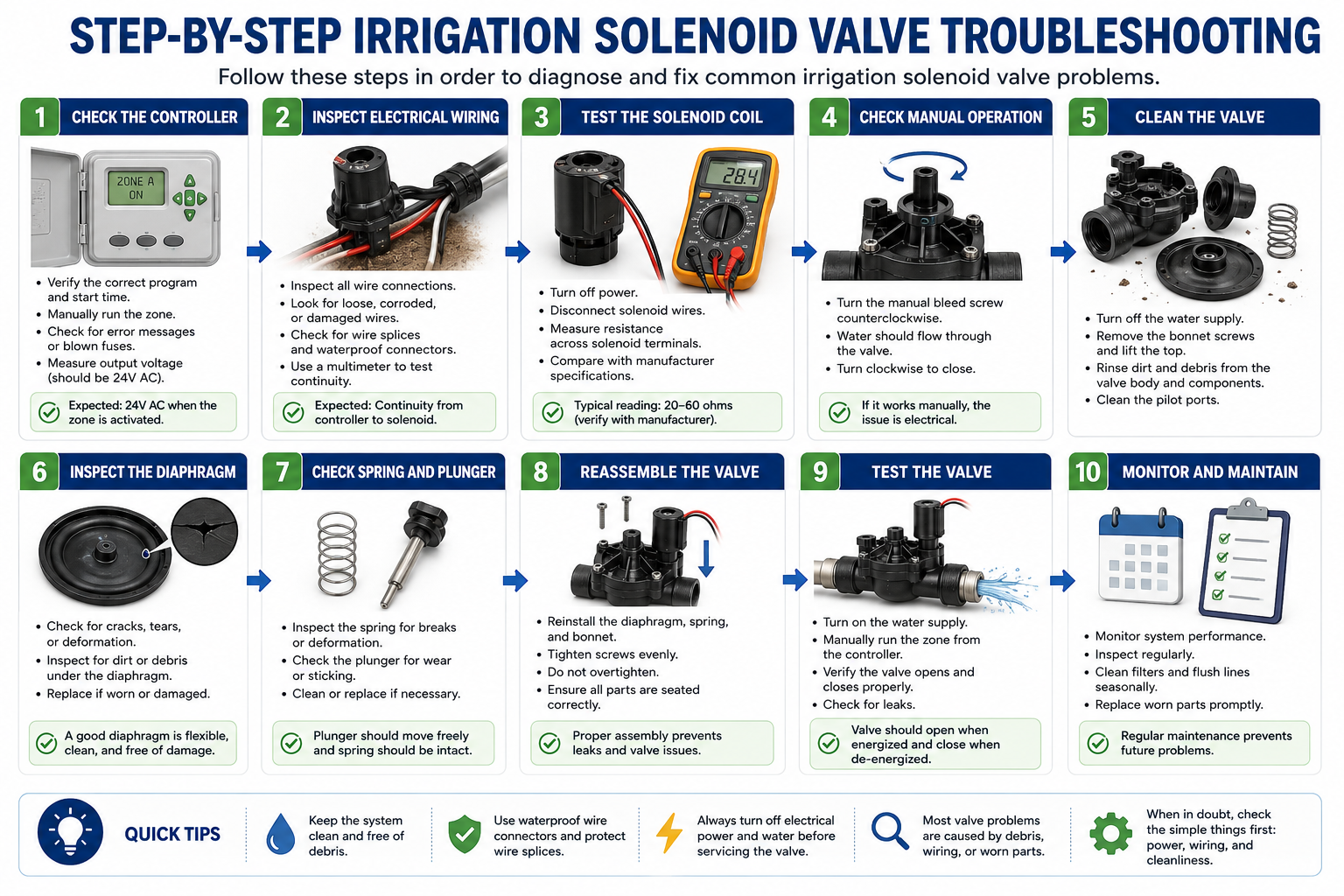
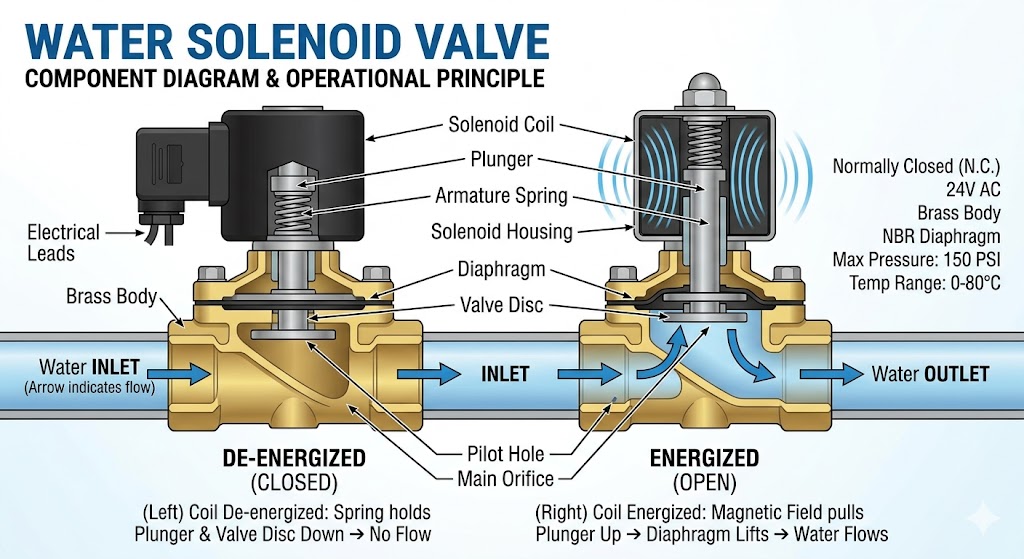
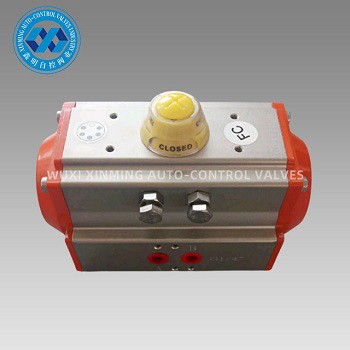
Actuation Method: Do you need manual control, a solenoid (electric), or pneumatic actuation?
Pro Tip: In heat pump applications, a common failure point for four-way valves is "stuck" slides due to debris. Always ensure your system includes a high quality filter-drier.
Why the Four-Way Valve is Essential for Energy Efficiency
In the modern push for "Green Tech," the four-way valve is a hero of efficiency. By allowing a single system to perform two functions (like heating and cooling), it reduces the carbon footprint of the hardware and minimizes energy waste during the transition between cycles.
If you want to learn more about low-priced products, please visit the following website: www.xm-valveactuator.com