In the demanding world of high-pressure and high-temperature industrial processes, the standard butterfly valve often hits its limit. Enter the Triple Offset Butterfly Valve (TOBV)—the "engineered marvel" of the valve world. Combining the space-saving benefits of a butterfly valve with the rugged reliability of a globe or gate valve, the TOBV has become the industry standard for "zero-leakage" performance in the harshest environments.
Decoding the "Triple Offset" Design
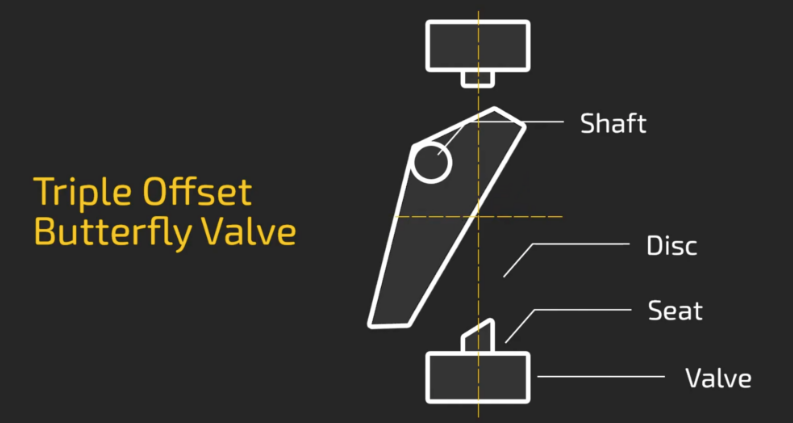
What exactly makes a valve "Triple Offset"? It's not just marketing jargon; it refers to three distinct geometric shifts that allow the valve to seal without friction.
1. The First Offset
The shaft is located behind the centerline of the sealing surface. This allows for a continuous sealing surface around the entire seat.
2. The Second Offset
The shaft is displaced to one side of the pipe's centerline. This creates a cam-like action, allowing the disc to pull away from the seat almost immediately upon opening, significantly reducing wear.
3. The Third Offset (The "Geometry of Seal")
This is the most critical. The axis of the seat cone is tilted in relation to the shaft centerline. This creates a right-angled conical shape where the disc only contacts the seat at the final point of closure.
The Result: Metal-to-metal contact is achieved only at the moment of shut-off, eliminating friction throughout the stroke and ensuring a bubble-tight seal (API 598).
Key Benefits of TOBVs
Why are engineers swapping out gate valves for TOBVs in modern plant retrofits?
-
Zero Leakage: Unlike traditional butterfly valves that rely on soft (rubber) seats, TOBVs use a laminated or solid metal seat to achieve a bi-directional, zero-leakage shut-off.
-
Fire Safety: Because they utilize metal-to-metal seating, TOBVs are inherently fire-safe, making them indispensable in the oil and gas sector.
-
Lower Torque: The camming action of the triple offset requires less torque to operate, allowing for smaller, more cost-effective actuators and valve automation packages.
-
Compact Footprints: They are significantly lighter and occupy less space than gate or globe valves of the same pressure rating, reducing piping support costs.
Primary Applications of Triple Offset Butterfly Valves
Because of their durability, TOBVs are found where failure is not an option.
1. Oil & Gas (Upstream and Downstream)
From offshore platforms to refineries, TOBVs handle volatile hydrocarbons. They are used in "Emergency Shutdown" (ESD) systems and high-temperature cracking units where temperatures can exceed 425°C (800°F).
2. LNG and Cryogenics
Liquefied Natural Gas requires valves that can operate at temperatures as low as -196°C (-320°F). The metal-to-metal construction of the TOBV prevents the seat from becoming brittle, a common failure point in soft-seated valves.
3. Power Generation
In steam applications and high-pressure feedwater systems, TOBVs offer a more reliable alternative to gate valves, which are prone to "sticking" due to thermal expansion (pressure locking).
4. Chemical Processing
For corrosive or abrasive media, TOBVs can be manufactured from exotic alloys like Duplex Stainless Steel, Hastelloy, or Monel, providing a long service life in aggressive chemical environments.
Comparison: TOBV vs. Standard Butterfly Valves
| Feature | Concentric Butterfly | Double Offset | Triple Offset (TOBV) |
|---|---|---|---|
| Seat Material | Soft (EPDM/PTFE) | Soft or Metal | Metal-to-Metal |
| Sealing Type | Interference (Friction) | Cam Action | Non-Rubbing Conical |
| Max Pressure | Low (Class 150) | Medium (Class 300) | High (Class 600+) |
| Wear Rate | High | Moderate | Extremely Low |
Conclusion: Why TOBVs are the Future
As industrial standards move toward "Fugitive Emission" compliance and higher safety integrity levels (SIL), the Triple Offset Butterfly Valve stands out as the most versatile high-performance valve on the market. It offers the precision of a control valve with the shut-off power of a heavy-duty isolation valve.
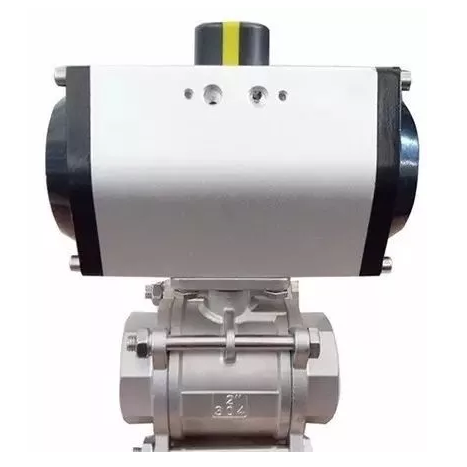
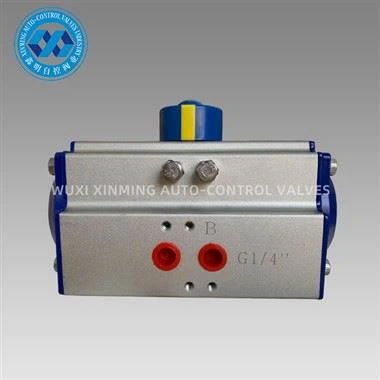
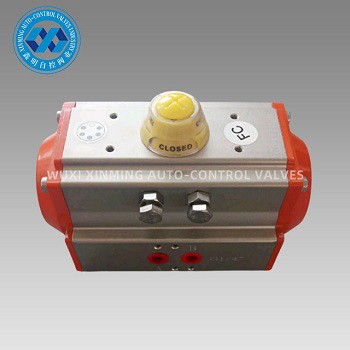
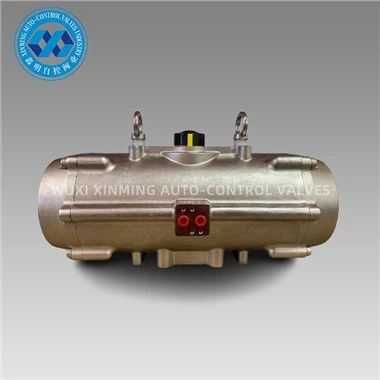
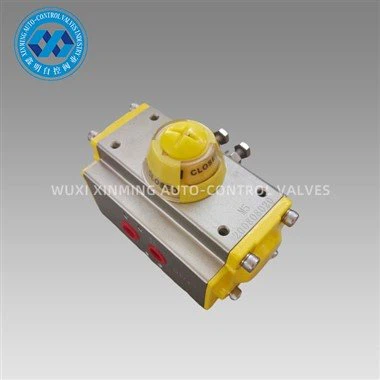
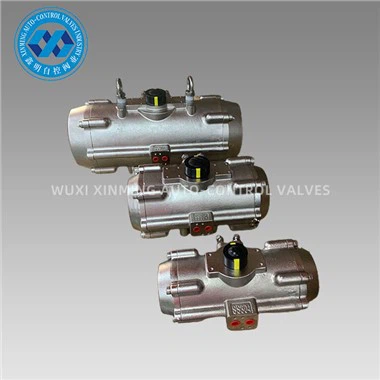
Selecting the right TOBV requires careful consideration of flow velocity, media chemistry, and pressure drops. When paired with high quality air actuators, these valves provide a virtually maintenance-free solution for the most demanding applications.
If you want to learn more about low-priced products, please visit the following website: www.xm-valveactuator.com