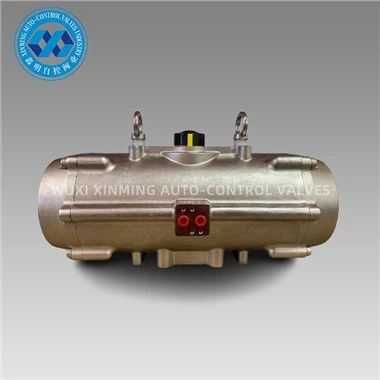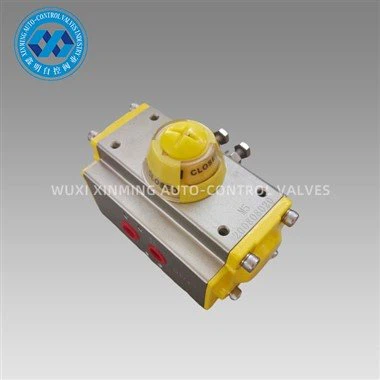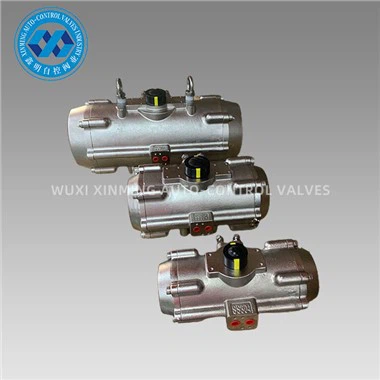
In the high-speed world of modern manufacturing, precision and reliability are non-negotiable. At the heart of most automated assembly lines lies a fundamental technology: pneumatic cylinders and air actuators. These devices convert the energy of compressed air into linear or rotary motion, serving as the "muscles" of the industrial world.
From food packaging to automotive assembly, pneumatic systems remain the preferred choice for engineers seeking a balance between cost-effectiveness and high performance.
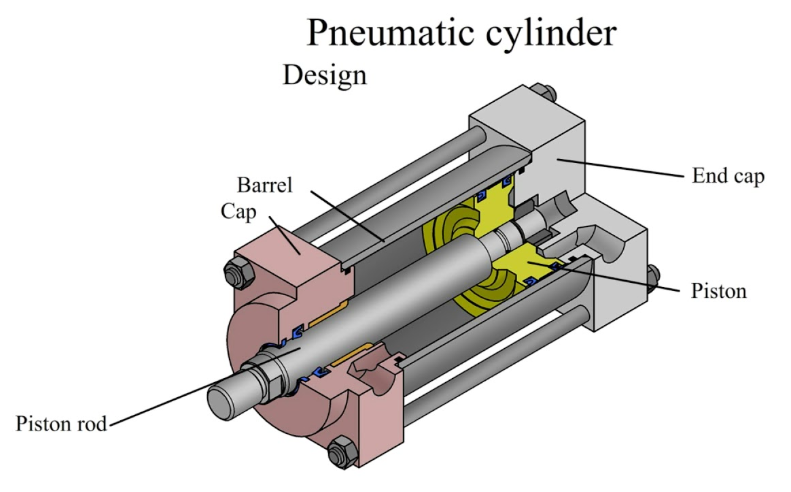
What are Pneumatic Cylinders and Air Actuators?
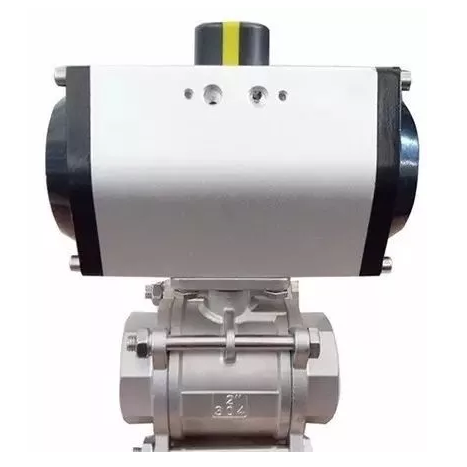
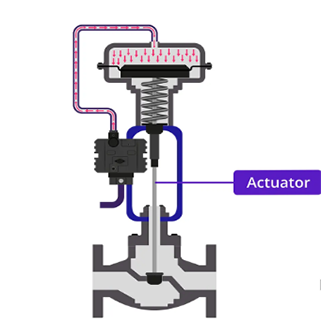
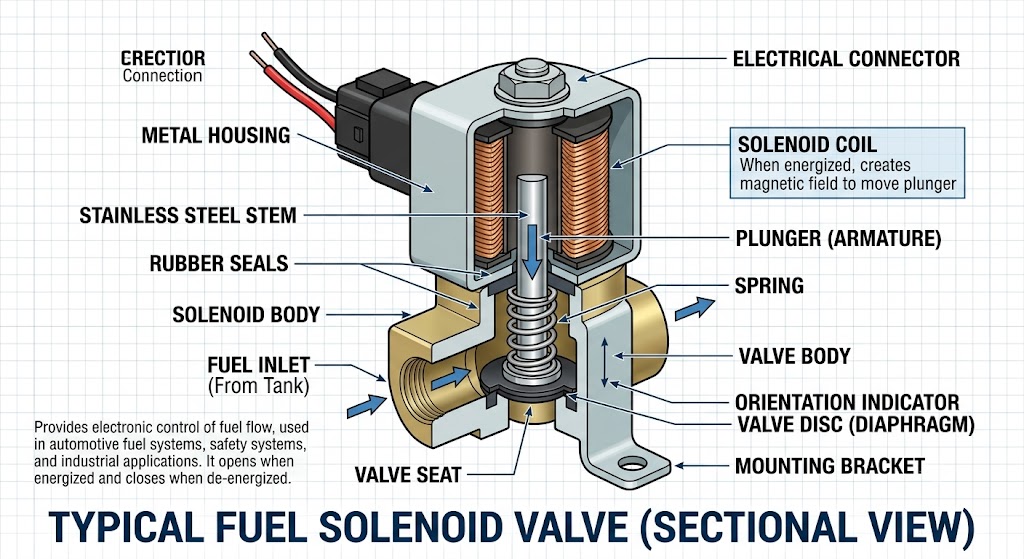
While the terms are often used interchangeably, there is a subtle distinction. A pneumatic cylinder specifically refers to a linear device that uses a piston to create motion. An air actuator is a broader category that includes both cylinders and rotary devices designed to automate valves or mechanical arms.
The core principle relies on a simple physics equation. The force (F) generated by an actuator is a product of the air pressure (P) and the surface area (A) of the piston:
By adjusting the pressure or the cylinder diameter (bore size), engineers can precisely control the output force for tasks ranging from delicate sorting to heavy-duty lifting.
Primary Types of Pneumatic Cylinders
Choosing the right cylinder is essential for system longevity. Here are the three most common configurations found in industrial settings:
1. Single-Acting Cylinders (SAC)
These use compressed air to move the piston in one direction and a high-tension internal spring to return it to the original position.
-
Best for: Clamping, ejecting, and simple "on/off" tasks.
-
Pro: Consumes less air; simpler design.
2. Double-Acting Cylinders (DAC)
These use compressed air for both the extension and retraction strokes. This allows for a constant force in both directions and longer stroke lengths than spring-return models.
-
Best for: Complex movements, heavy lifting, and precision positioning.
3. Rotary Actuators
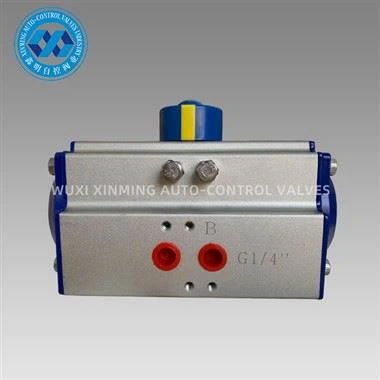
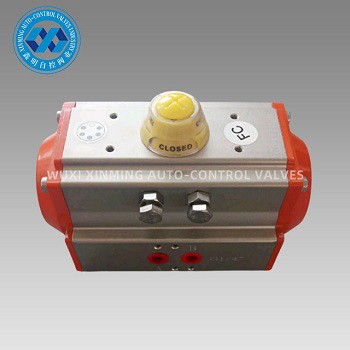
Instead of moving in a straight line, these actuators produce a circular motion (typically 90° or 180°). They are the industry standard for automating ball valves and butterfly valves in fluid processing.
Comparison: Single-Acting vs. Double-Acting
| Feature | Single-Acting | Double-Acting |
|---|---|---|
| Air Consumption | Low (One port) | Higher (Two ports) |
| Control | Simple | Precise |
| Stroke Length | Limited by spring size | Virtually unlimited |
| Fail-Safe | Returns to home on power loss | Stays in last position |
Key Advantages of Pneumatic Systems
Why do pneumatic cylinders and air actuators continue to dominate the market despite the rise of electric alternatives?
-
Durability & Safety: Pneumatic systems are inherently explosion-proof and can stall without damaging the motor, making them ideal for volatile environments.
-
High Speed: Air actuators can reach high velocities quickly, perfect for rapid-fire packaging lines.
-
Cost-Efficiency: Compared to electric servos, pneumatic components have a significantly lower "per-axis" cost and require simpler maintenance.
-
Cleanliness: Unlike hydraulic systems, there is no risk of oil leaks, which is critical in the food, beverage, and pharmaceutical industries.
Selection Criteria: Choosing the Right Actuator
To ensure your system doesn't underperform or wear out prematurely, consider these four technical factors:
1. Bore and Stroke
The "bore" (diameter) determines the force, while the "stroke" determines how far the piston travels.
2. Environment
Will the cylinder be exposed to wash-down chemicals? If so, 316 Stainless Steel or specialized coatings are required.
3. Cushioning
High-speed cylinders need "cushioning" (adjustable air pockets at the end of the stroke) to prevent the piston from slamming into the end caps.
4. Position Sensing
Most modern air actuators include magnetic pistons so that Reed switches or Hall Effect sensors can tell the PLC exactly where the piston is.
The Future: Smart Pneumatics and IIoT
The "dumb" cylinder is a thing of the past. The latest generation of pneumatic cylinders and air actuators features integrated sensors that monitor air leaks, cycle counts, and travel speeds. This data is fed into Industrial Internet of Things (IIoT) platforms to predict failures before they happen—saving plants thousands of dollars in unplanned downtime.
Conclusion
Whether you are designing a new machine or retrofitting an old one, pneumatic cylinders and air actuators offer a level of reliability and simplicity that is hard to beat. By matching the right cylinder type to your specific force and environment requirements, you ensure a system that is both efficient and long-lasting.
If you want to learn more about low-priced products, please visit the following website: www.xm-valveactuator.com