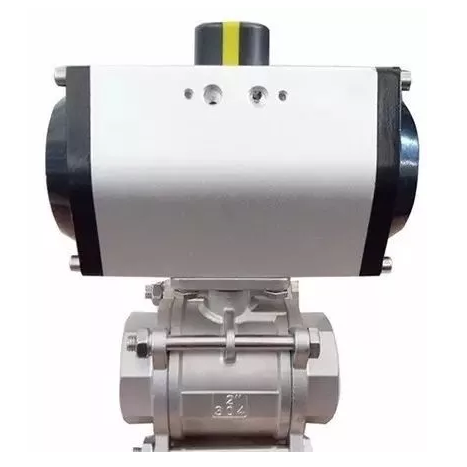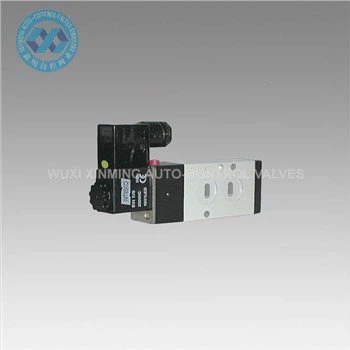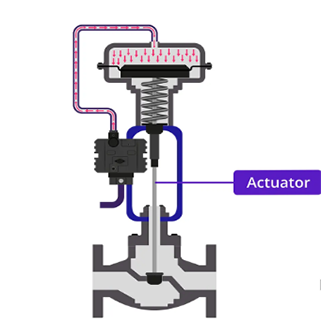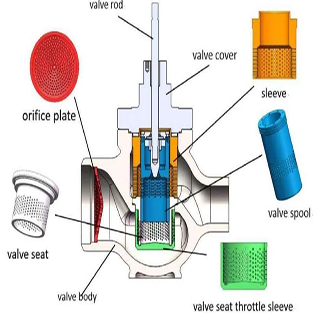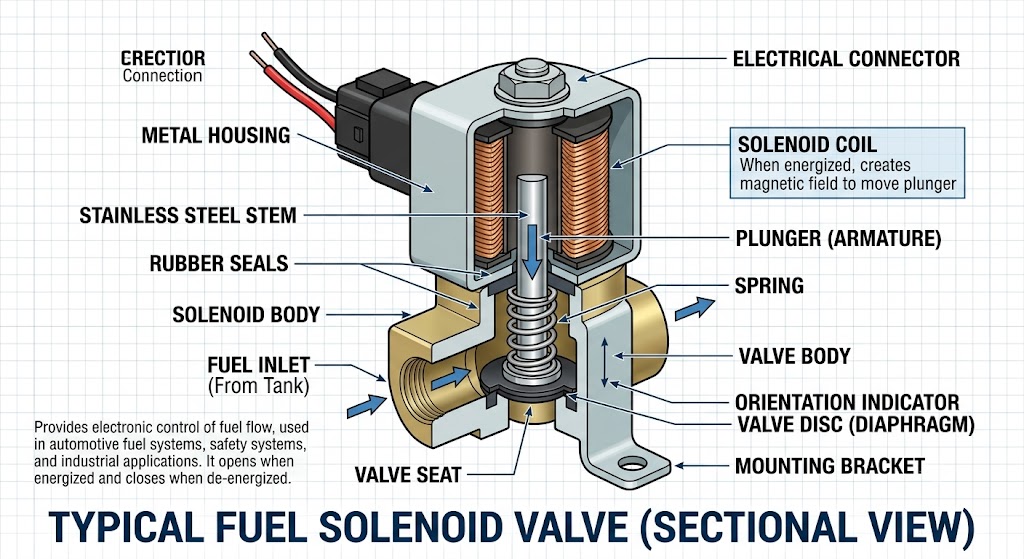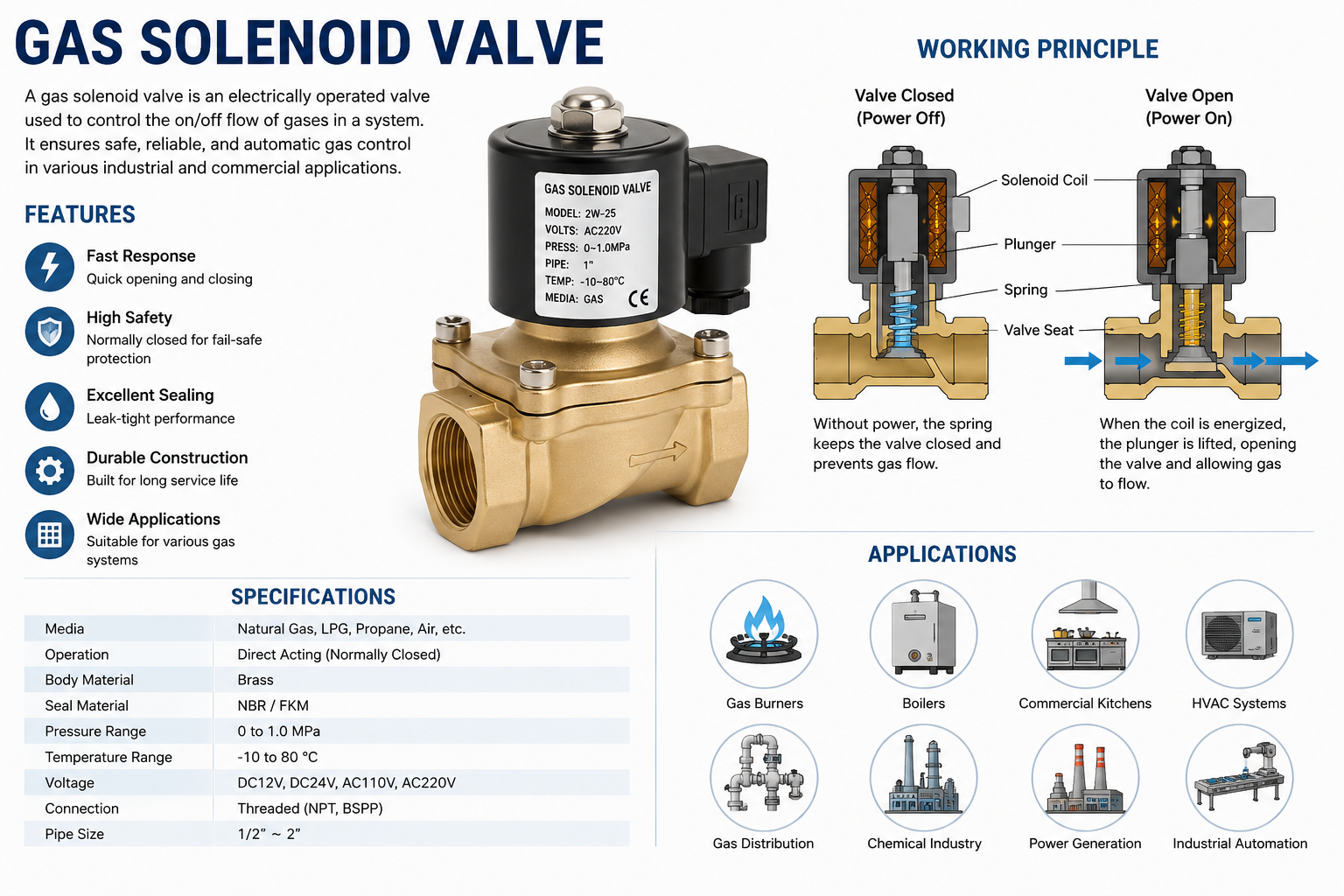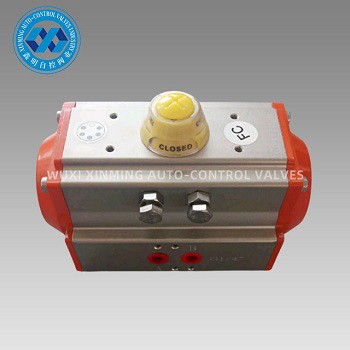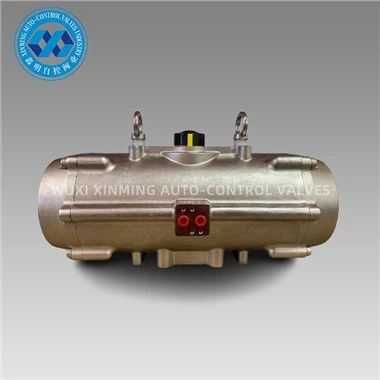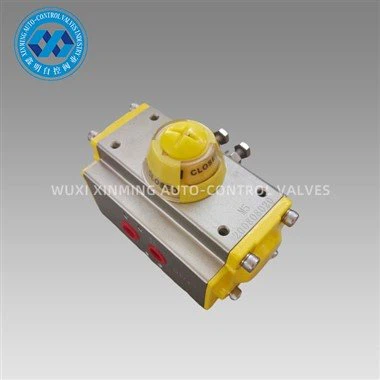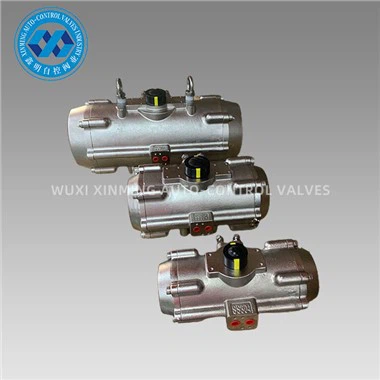
In the world of process control, if the valve is the heart of the system, the actuator is the muscle. Actuators and valve automation have transitioned from luxury upgrades to essential components in modern industrial environments. Whether you are managing a water treatment facility, a chemical plant, or an oil refinery, understanding the synergy between valves and their automated counterparts is critical for safety, precision, and ROI.
What is Valve Automation?
Valve automation is the process of attaching an actuator to a manual valve to allow for remote, automatic, or sequenced control. By replacing human intervention with mechanical force, industries can achieve millimetric precision in flow control and instantaneous response times during emergencies.
Core Types of Actuators in Industrial Automation
Choosing the right "muscle" for your valve depends on your power source, required torque, and environment. Here is a breakdown of the three primary categories:
1. Pneumatic Actuators
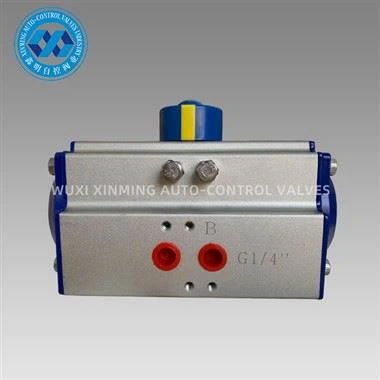
Powered by compressed air, these are the workhorses of the industry. They are highly favored for their fail-safe capabilities (using springs to close or open a valve if power is lost) and their suitability for hazardous environments where electrical sparks must be avoided.
2. Electric Actuators
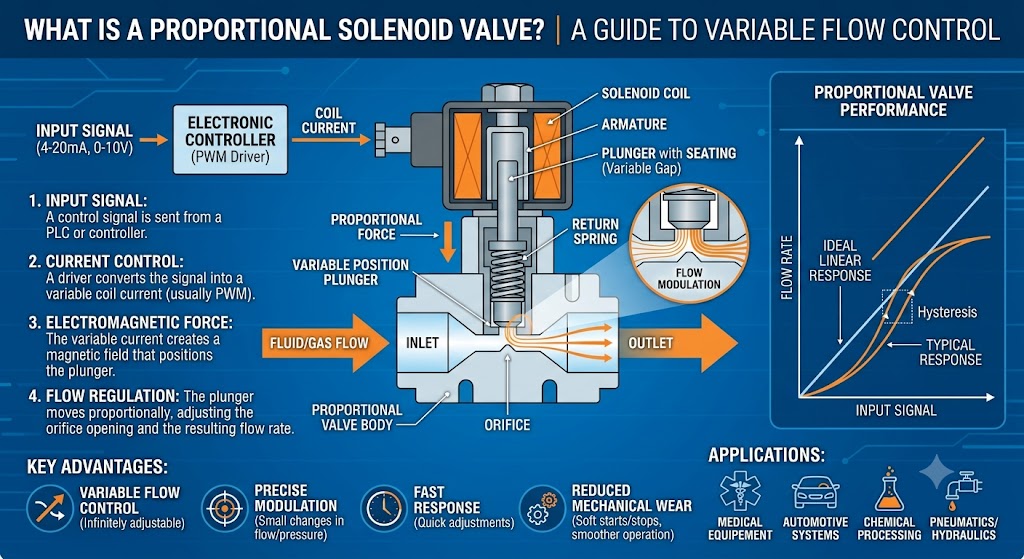
Electric models offer the highest level of precision. They are ideal for applications requiring modulating control (positioning the valve at specific percentages, like 45% open). With the rise of the Industrial Internet of Things (IIoT), electric actuators now come with smart sensors for predictive maintenance.
3. Hydraulic Actuators
When you need massive force, you go hydraulic. Using incompressible fluids, these actuators generate the immense torque required for high-pressure pipelines and large-diameter valves.
Quick Comparison Table
| Feature | Pneumatic | Electric | Hydraulic |
|---|---|---|---|
| Power Source | Compressed Air | Electricity (AC/DC) | Pressurized Fluid |
| Precision | Moderate | Very High | High |
| Fail-Safe | Mechanical (Spring) | Battery/Supercap | Accumulator |
| Maintenance | Low | Moderate | High (Seal leaks) |
| Cost | Budget-friendly | Mid-range | High |
The Benefits of Integrating Actuators and Valve Automation
Why move away from manual handwheels? The advantages go beyond simple convenience:
-
Enhanced Safety: Automation allows operators to control valves from a safe distance, especially in high-temperature or toxic environments.
-
Process Consistency: Automated systems can cycle valves at the exact same speed and interval every time, reducing "water hammer" effects and mechanical wear.
-
Lower Operational Costs: While the initial investment is higher, the reduction in manual labor and the prevention of costly overflows or leaks provide a rapid return on investment.
-
Emergency Shutdown (ESD): In critical failure scenarios, automated valves can execute a fail-safe maneuver in milliseconds, preventing environmental disasters.
Technical Note: When calculating the required torque for an actuator, always include a safety factor (typically 20-30%) to account for "breakout torque"—the extra force needed to move a valve that has been seated for a long time.
Key Factors in Selecting an Automated Valve Package
To ensure your actuators and valve automation system performs reliably, consider these variables:
1. Torque Requirements
The force required to move the valve. This varies based on fluid pressure and temperature.
2. Duty Cycle
How often will the valve open and close? Electric actuators can overheat if the duty cycle is too high without proper cooling.
3. Environment
Is the site corrosive (coastal)? Is it an explosive atmosphere (ATEX/NEMA 7)?
4. Control Signal
Will you use a simple On/Off signal, or do you require 4-20mA modulating control?
The Future: Smart Actuation and IIoT
The next frontier for valve automation is digitalization. Modern "smart" actuators now provide real-time data on:
-
Stem cycle counts (for predictive seal replacement).
-
Torque profiles (to detect internal valve clogs before they happen).
-
Energy consumption.
By integrating these units into a centralized SCADA system, plants can move from "reactive" repairs to "predictive" maintenance, significantly reducing unplanned downtime.
Optimize Your Flow Control Today
Actuators and valve automation are no longer just about moving a lever; they are about data, safety, and system-wide efficiency. Selecting the right combination is a technical discipline that pays dividends in operational longevity.
If you want to learn more about low-priced products, please visit the following website: www.xm-valveactuator.com