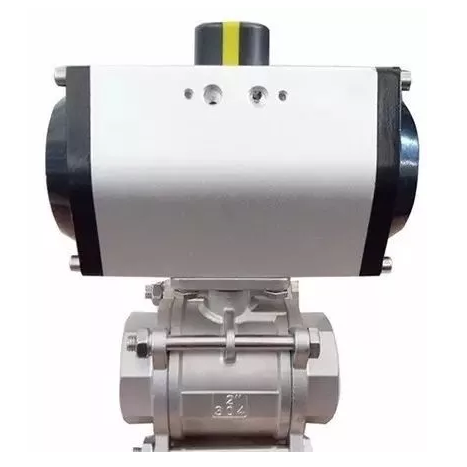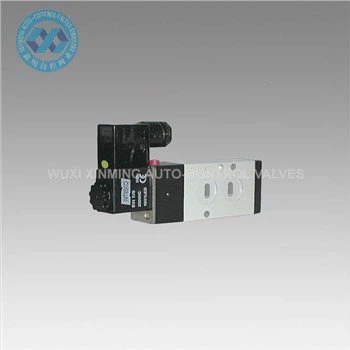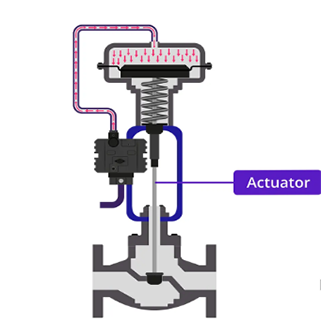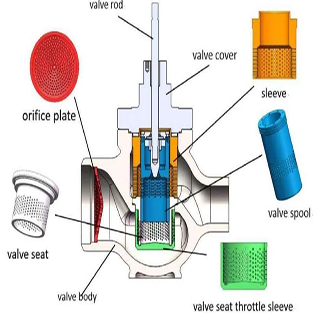
In the world of automated landscaping and large-scale agriculture, efficiency is the name of the game. At the heart of this efficiency lies a small but mighty component: the solenoid valve. When we discuss the synergy between solenoid valves & irrigation systems, we are looking at the critical bridge between electronic control and hydraulic execution.
This article explores how these valves function, their importance in water conservation, and how to choose the right one for your setup.
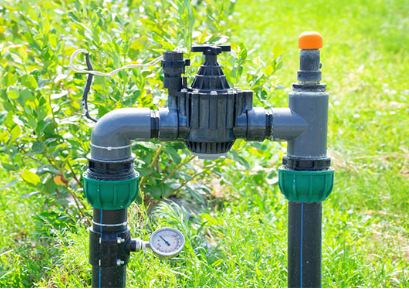
What is a Solenoid Valve in Irrigation?
A solenoid valve is an electrically controlled device used to manage the flow of water in an irrigation system. It acts as the "gatekeeper" for different zones, opening and closing in response to electrical signals sent by an irrigation controller (timer).
How It Works: The Science of Flow
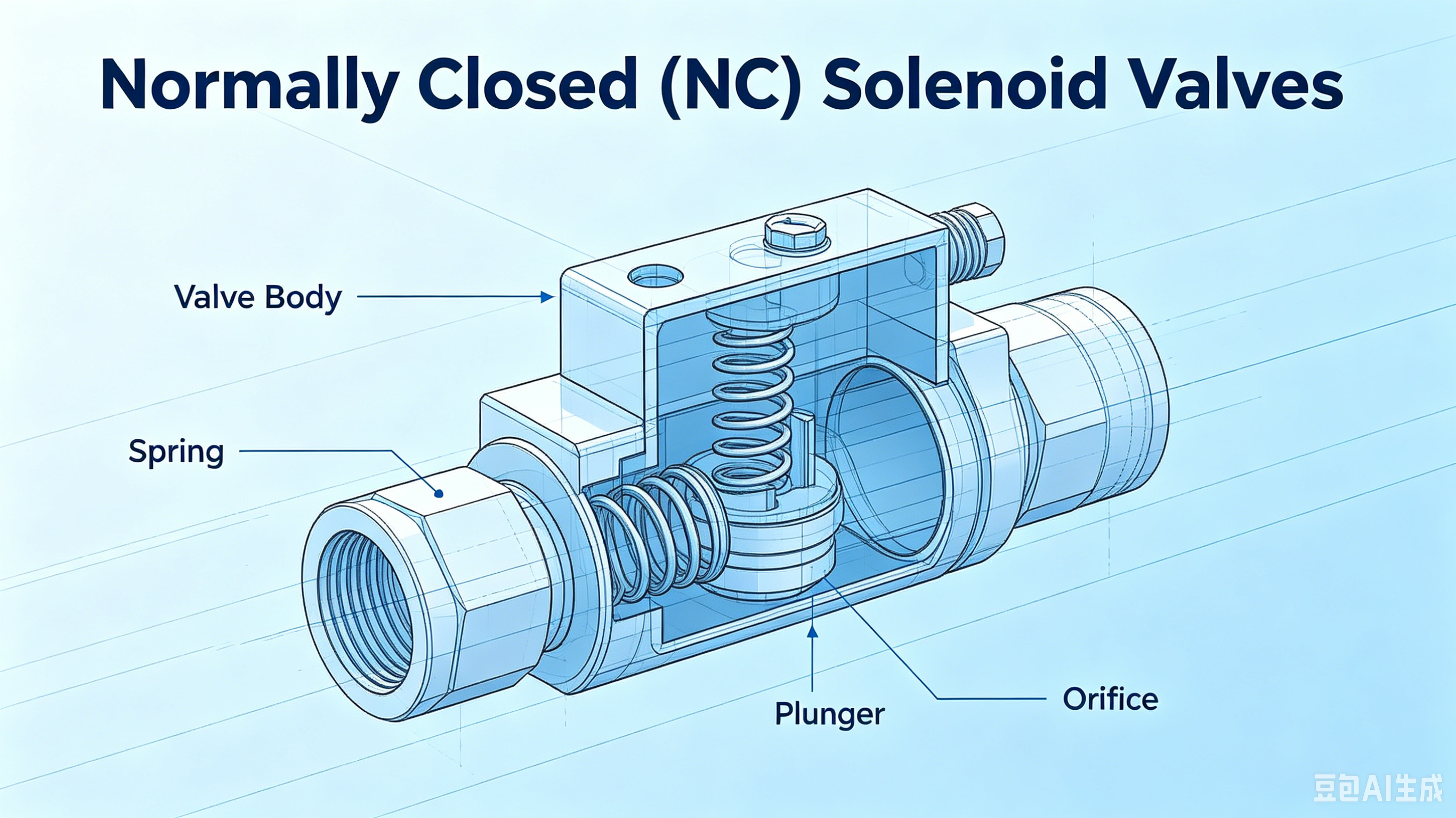
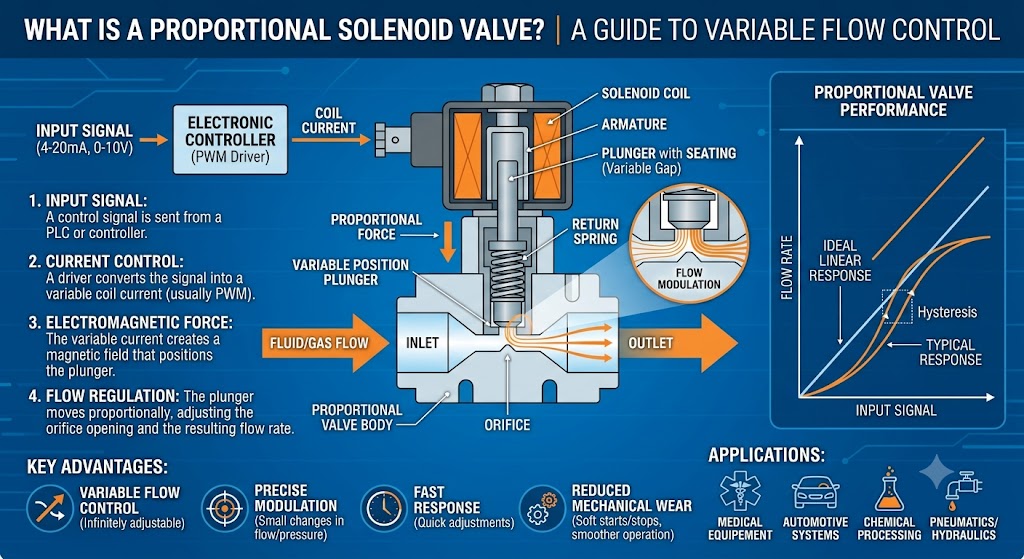
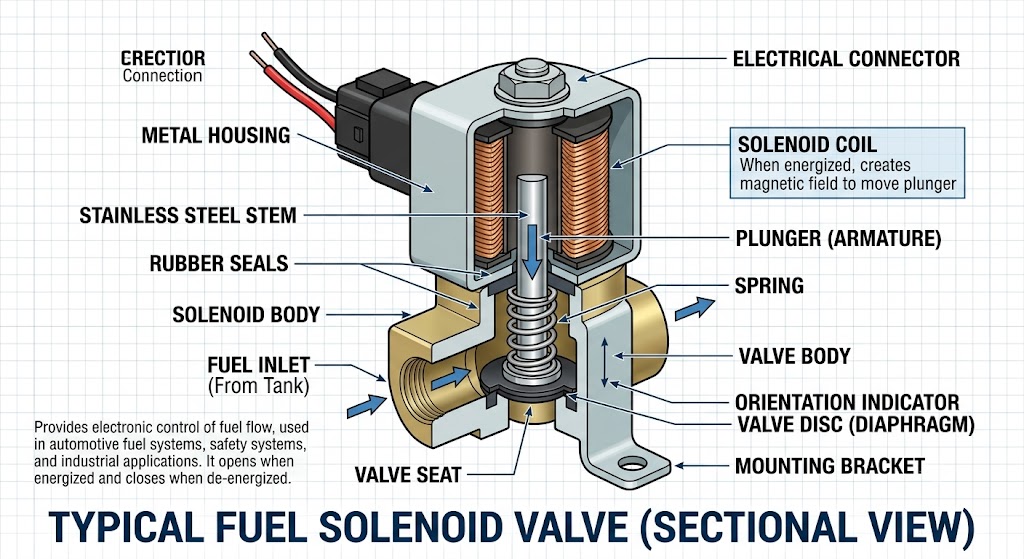
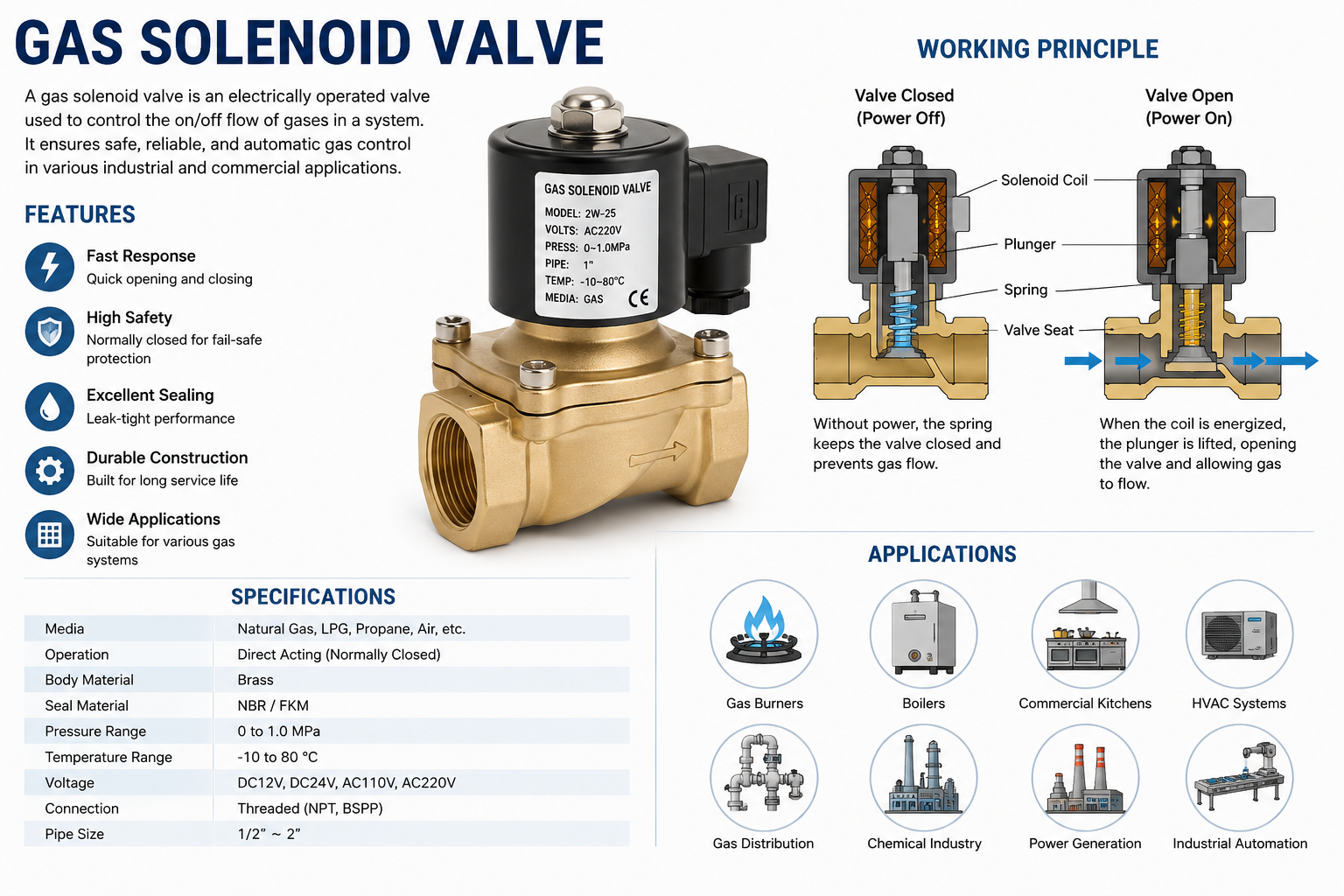
The operation relies on two main parts: the solenoid (an electric coil with a movable ferromagnetic plunger) and the valve body.
-
The Signal: The irrigation controller sends a 24V AC (or 9V/12V DC) current to the solenoid coil.
-
The Magnetic Field: This current creates a magnetic field that pulls the plunger upward.
-
Pressure Shift: Moving the plunger opens a small "pilot hole," changing the pressure balance inside the valve.
-
The Release: The pressure drop allows the internal diaphragm to lift, permitting water to flow through the main chamber into the irrigation lines.
Key Benefits of Using Solenoid Valves
Integrating high-quality solenoid valves into your irrigation system offers several professional-grade advantages:
-
Precision Zoning: Break your landscape into specific zones (e.g., turf, flower beds, drip lines) to provide the exact amount of water each area needs.
-
Water Conservation: By automating schedules—especially during nighttime or early morning—you minimize evaporation and prevent overwatering.
-
Remote Management: Modern smart controllers allow you to trigger these valves via smartphone apps from anywhere in the world.
-
Safety & Fail-safes: Most irrigation valves are "normally closed," meaning they stay shut during power outages, preventing accidental flooding.
Choosing the Right Valve: Key Specifications
Not all valves are created equal. When sourcing components for irrigation systems, consider the following factors:
| Feature | Description | Best For |
|---|---|---|
| Material | Nylon, PVC, or Brass | Brass for high pressure; Nylon for general residential use. |
| Voltage | 24V AC vs. 9V DC Latching | 24V AC is standard; 9V DC is for battery-operated controllers. |
| Flow Control | Manual adjustment knob | Large systems where pressure needs fine-tuning per zone. |
| Inlet/Outlet Size | Typically 3/4", 1", or 1.5" | Match your pipe diameter to avoid pressure loss. |
Common Troubleshooting Tips
Even the best solenoid valves can encounter issues due to debris or electrical wear. Here is how to diagnose common problems:
-
Valve Won't Open: Check the wiring for corrosion or use a multimeter to ensure the controller is sending the correct voltage.
-
Valve Won't Close: This is usually caused by grit or sand trapped under the diaphragm. You can often fix this by unscrewing the bonnet and cleaning the internal components.
-
Leaking Around the Solenoid: Ensure the solenoid is hand-tightened. If it still leaks, the O-ring may need replacement.
Pro Tip: Always install a Y-filter upstream of your solenoid valves, especially if using well water or pond water, to prevent debris from clogging the delicate internal pilot holes.
Conclusion
Solenoid valves are the backbone of smart irrigation. By selecting the right hardware and maintaining it properly, you ensure a lush landscape while significantly reducing water waste and manual labor. Whether you are managing a residential garden or a commercial golf course, understanding the relationship between solenoid valves & irrigation systems is the first step toward a sustainable future.
If you want to learn more about low-priced products, please visit the following website: www.xm-valveactuator.com