Introduction
Ball valves are widely used in industrial, commercial, and residential piping systems due to their durability, tight sealing, and ease of operation. However, improper installation or misunderstanding flow direction can lead to leakage, reduced performance, or even system failure.
In this guide, we'll explain ball valve installation best practices, clarify whether ball valves have a flow direction, and provide practical tips to ensure long-term reliability.
Do Ball Valves Have a Flow Direction?
Standard Ball Valves
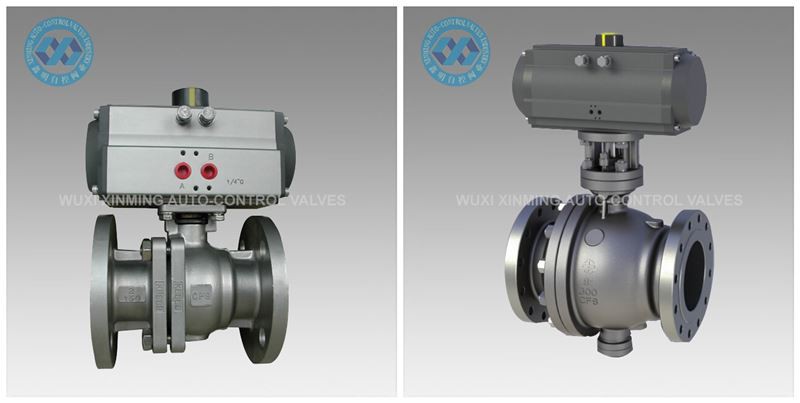
Most standard ball valves are bidirectional, meaning they can be installed in either direction without affecting performance. This is because the internal ball has a symmetrical bore, allowing fluid to pass through equally in both directions.
Key takeaway:
For most applications, flow direction does not matter when installing a standard ball valve.
Exceptions: When Direction Matters
Although many ball valves are bidirectional, certain designs require correct orientation:
1. Trunnion Ball Valves
- Often used in high-pressure systems
- May have a preferred flow direction for optimal sealing and pressure handling
2. V-Port Ball Valves
- Designed for flow control rather than simple on/off
- Flow direction ensures accurate throttling performance
3. Metal-Seated Ball Valves
- Direction may be specified to protect sealing surfaces from damage
4. Ball Valves with Vent or Drain
- Must be installed according to manufacturer markings
Always check for flow arrows on the valve body or refer to the technical datasheet.
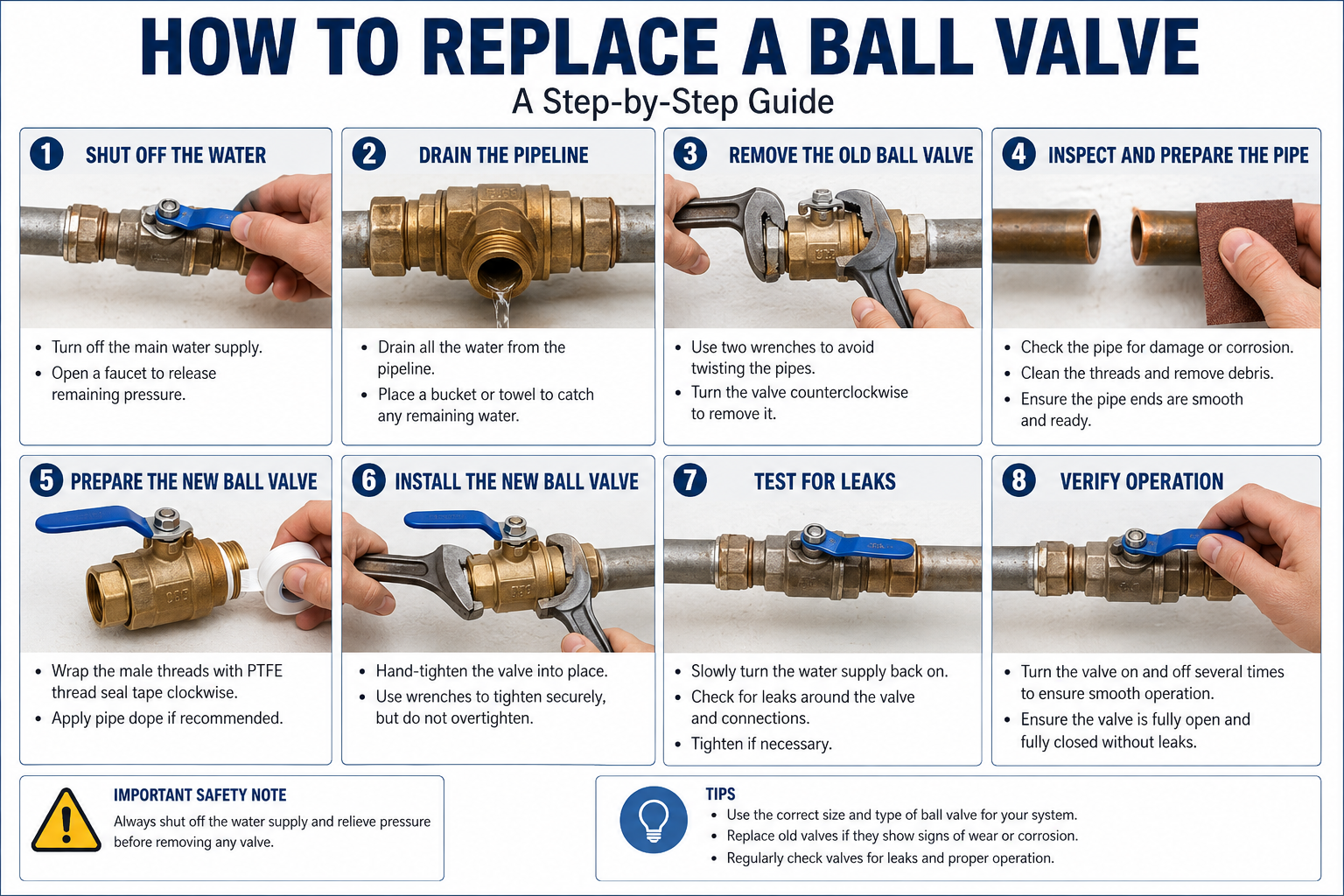
Step-by-Step Ball Valve Installation Guide
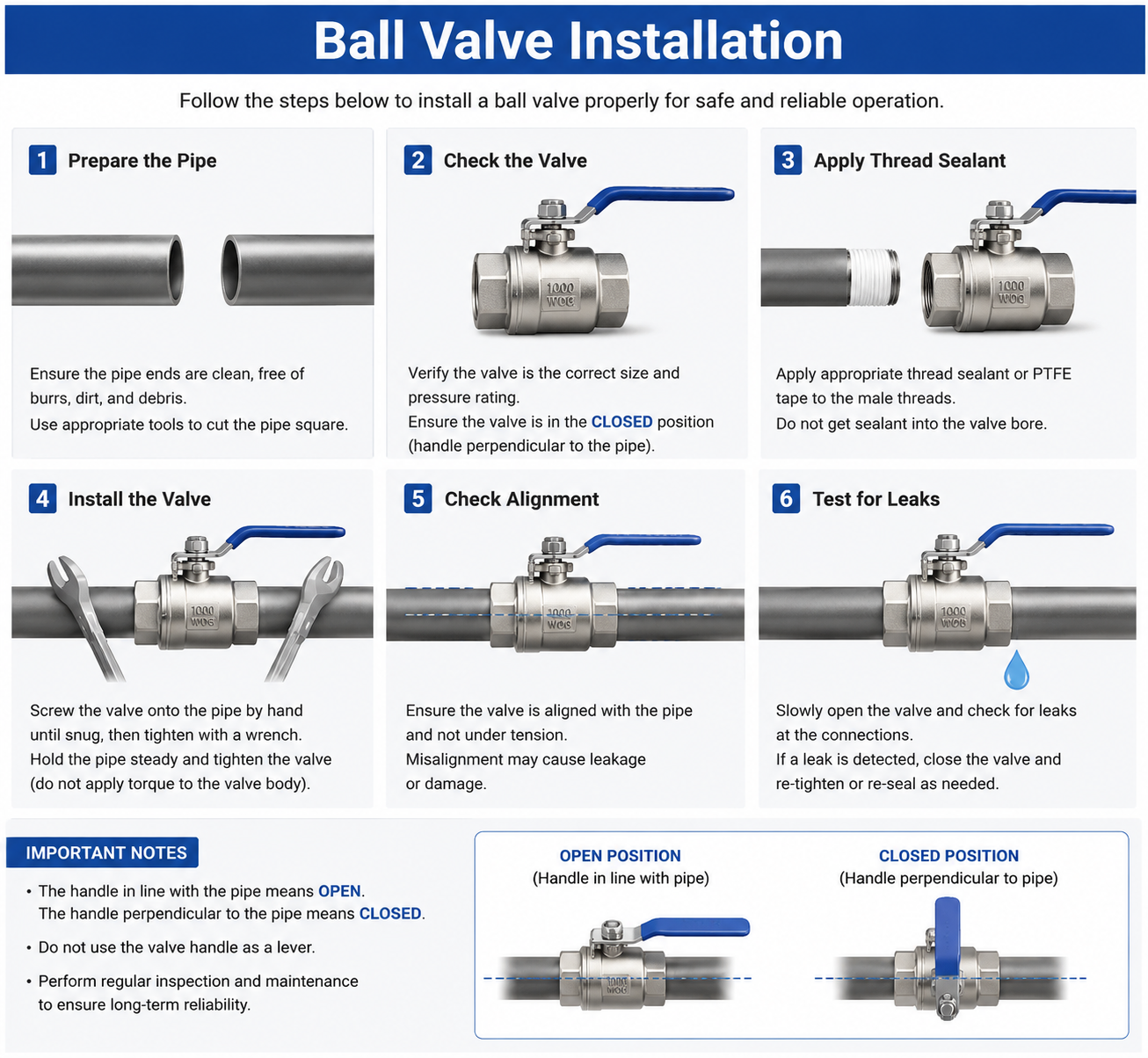
1. Inspect the Valve
Before installation:
- Check for visible damage
- Ensure the valve is clean inside
- Verify pressure and temperature ratings
2. Confirm Valve Position
- Keep the valve in a partially open position during installation
- This prevents seat damage and reduces stress on sealing surfaces
3. Check Flow Direction (If Applicable)
- Look for arrow markings on the valve body
- Match the arrow with the pipeline flow direction
4. Prepare the Pipeline
- Clean the pipe to remove debris, rust, or welding slag
- Ensure proper alignment to avoid stress on the valve body
5. Install the Valve
Threaded Ball Valve:
- Apply appropriate thread sealant (PTFE tape or pipe dope)
- Avoid over-tightening
Flanged Ball Valve:
- Use proper gaskets
- Tighten bolts in a cross pattern to ensure even pressure
Welded Ball Valve:
- Remove or protect seats before welding
- Allow valve to cool before operation
6. Tighten and Secure
- Ensure all connections are tight but not overstressed
- Avoid excessive force that may deform the valve
7. Test the System
After installation:
- Perform a pressure test
- Check for leaks
- Operate the valve to ensure smooth opening and closing
Common Installation Mistakes to Avoid
Installing in the Wrong Direction (for directional valves)
Ignoring flow arrows can damage seals and reduce lifespan.
Over-Tightening Connections
This can cause:
- Thread damage
- Valve body cracking
Misaligned Piping
Leads to:
- Stress on valve
- Premature failure
Installing with Debris Inside
Foreign particles can:
- Scratch the ball surface
- Cause leakage
Best Practices for Long-Term Performance
- Install valves in accessible locations for maintenance
- Operate the valve periodically to prevent sticking
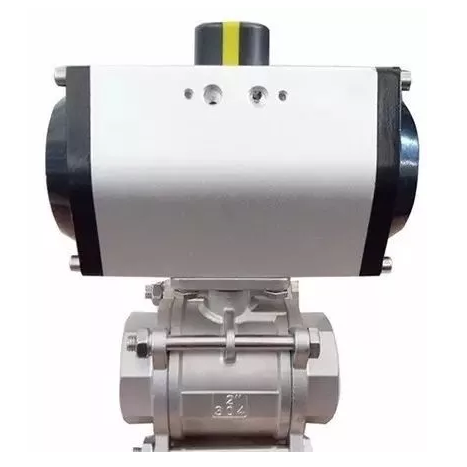
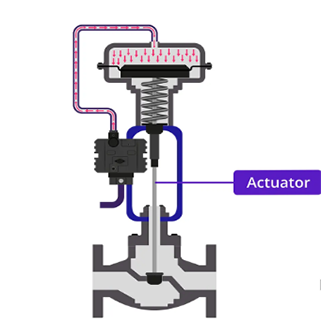
- Use actuators properly aligned with the valve stem
- Follow manufacturer guidelines for torque and pressure
Frequently Asked Questions (FAQ)
1. Can a ball valve be installed backward?
Yes, most ball valves can be installed in either direction, unless they are specifically designed as directional.
2. How do I know the correct flow direction?
Check for:
- Arrow markings on the valve body
- Manufacturer documentation
3. Should a ball valve be open or closed during installation?
It is recommended to keep the valve partially open to protect the seats.
4. What happens if a directional ball valve is installed incorrectly?
It may lead to:
- Seal damage
- Leakage
- Reduced performance
Conclusion
Understanding ball valve installation and direction is essential for ensuring system efficiency and longevity. While most ball valves are bidirectional, certain types require careful attention to flow direction.
By following proper installation procedures and avoiding common mistakes, you can maximize the performance, safety, and lifespan of your valve system.
If you want to learn more about low-priced products, please visit the following website: www.xm-valveactuator.com