In the world of industrial fluid dynamics, choosing between a standard shut-off valve and a control valve can determine the efficiency of an entire processing line. While a standard ball valve is excellent for on/off service, the V Ball Valve (widely known as the V Port Ball Valve) is the undisputed champion of flow modulation and throttling.
If your application requires precise flow rates, understanding the nuances of V-port geometry is essential. This guide breaks down the design, benefits, and technical applications of these high-performance valves.
What is a V Port Ball Valve?
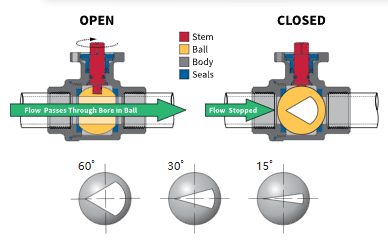
A V Port Ball Valve features a ball with a "V" shaped notch integrated into the flow path. Unlike a standard ball valve, which has a circular hole (bore) that opens and closes abruptly, the V-shaped opening allows for a more gradual and linear increase in flow as the ball rotates.
Key Design Varieties
The "V" angle typically comes in three standard configurations to suit different flow requirements:
-
30° V-Port: Offers the finest control and lowest flow capacity (Cv). Ideal for low-flow, high-precision needs.
-
60° V-Port: The most versatile option, balancing precise control with moderate flow capacity.
-
90° V-Port: Provides the highest flow capacity while still maintaining better throttling capabilities than a standard round-hole ball.
V Ball Valve vs. Standard Ball Valve: Key Differences
While they may look similar from the outside, their internal mechanics serve entirely different purposes.
| Feature | Standard Ball Valve | V Port Ball Valve |
|---|---|---|
| Primary Function | On/Off (Shut-off) | Throttling & Modulation (Control) |
| Flow Characteristic | Quick-opening | Equal Percentage / Linear |
| Pressure Drop | Minimal when fully open | Higher (intended for control) |
| Common Seating | Soft seats (Teflon/PTFE) | Often Metal-seated for durability |
| Bore Shape | Round | V-Notch (30°, 60°, 90°) |
Technical Advantages of V-Port Technology
1. Equal Percentage Flow Characteristics
The V-notch ensures that equal increments of valve rotation produce equal percentage changes in the flow rate. This "equal percentage" characteristic is vital for automated control loops, allowing for stable regulation even under fluctuating pressure conditions.
2. High Rangeability
V-port valves offer a much wider control range (often 300:1 or higher) compared to traditional globe valves. This allows a single valve to handle both very low and very high flow rates without losing accuracy.
3. Ability to Handle "Dirty" Fluids
The V-notch creates a shearing effect. As the valve closes, the edge of the V-port shears through fibers or solids in the media. This makes the V Ball Valve the preferred choice for the pulp and paper industry, wastewater treatment, and chemical processing involving slurries.
4. Reduced Cavitation and Noise
Because the flow is directed through the center of the V-notch, the turbulence is more controlled. This reduces the risk of cavitation—the formation of vapor bubbles that can erode valve internals—and significantly lowers decibel levels in high-pressure drop applications.
Common Industrial Applications
The unique "shearing" and "modulating" capabilities of the V Port Ball Valve make it indispensable in several sectors:
-
Pulp and Paper: Handling thick paper stock and fibrous slurries.
-
Chemical Processing: Precise dosing of corrosive or abrasive chemicals.
-
Power Plants: Controlling steam and feed-water flow.
-
Oil & Gas: Managing flow in separators and refining processes where precision is paramount.
Selecting the Right V-Port Angle
When specifying a V Ball Valve for your project, the angle of the "V" is your most critical decision:
-
Select a 30° or 60° angle if your process requires very tight control at the beginning of the opening stroke.
-
Select a 90° angle if you need to move large volumes of fluid but still require the ability to throttle back when necessary.
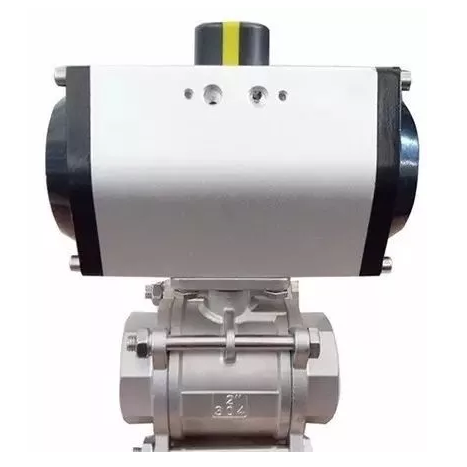
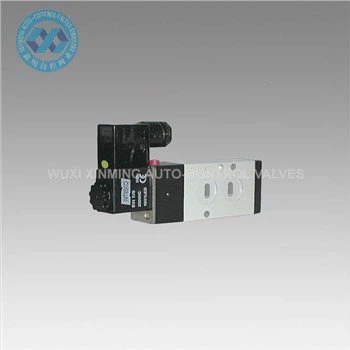
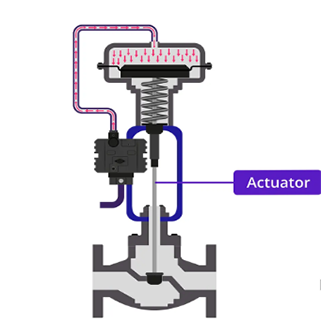
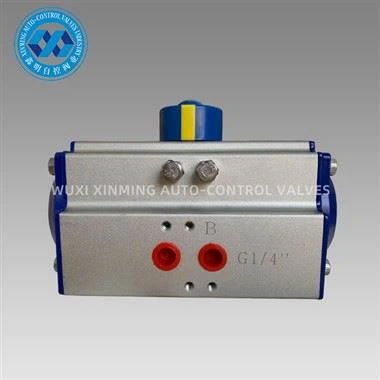
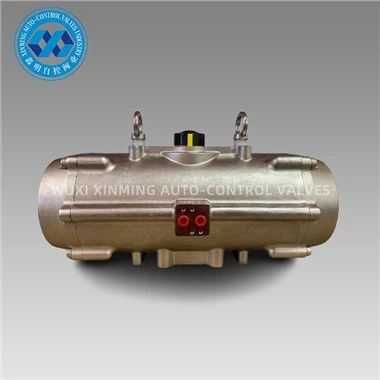
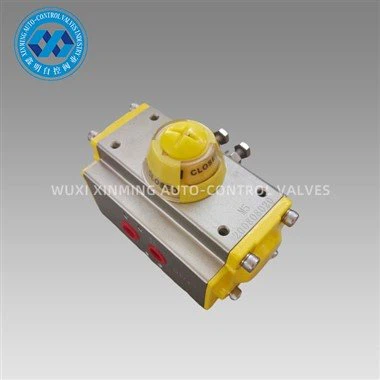
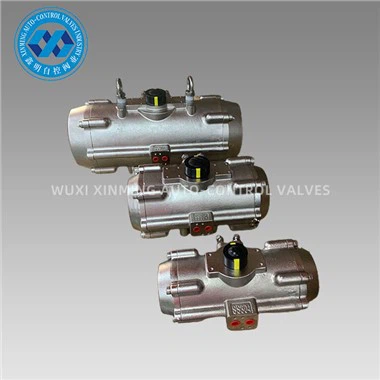
Pro Tip: Always pair a V-port valve with a high-quality pneumatic or electric actuator. Precision control is only as good as the actuator's ability to move the ball in small, consistent increments.
Conclusion
The V Port Ball Valve bridges the gap between a simple shut-off valve and a complex control valve. By combining the durability and high-pressure ratings of a ball valve with the precision of a globe valve, it offers a robust, cost-effective solution for modern industrial automation.
If you want to learn more about low-priced products, please visit the following website: www.xm-valveactuator.com