A leaking ball valve can range from a minor nuisance in a residential setting to a costly safety hazard in an industrial facility. While ball valves are renowned for their durability and tight shut-off capabilities, wear and tear over time is inevitable. Knowing the fundamentals of ball valve leak repair can save thousands in downtime and water damage.
This guide provides a technical walkthrough of how to identify, troubleshoot, and fix the most common types of ball valve leaks.
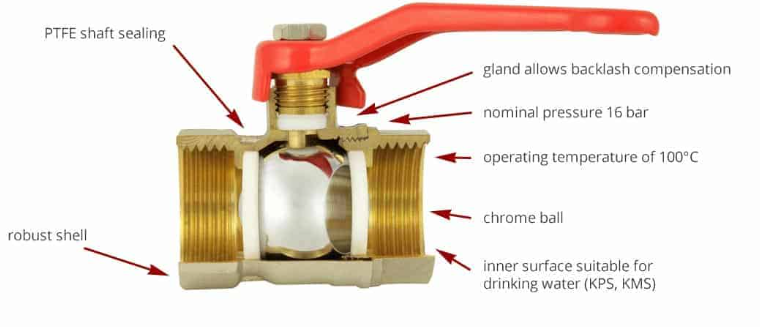
Identifying the Source of the Leak
Before attempting a repair, you must determine exactly where the fluid is escaping. Most ball valve leaks fall into one of two categories:
1. The Stem Leak (External)
If you see moisture or a steady drip coming from directly beneath the handle, you have a stem leak. This occurs when the packing material around the valve stem has worn down or become loose.
2. The Seat Leak (Internal)
If the valve is fully closed but fluid continues to flow through the downstream pipe, you have an internal leak. This usually indicates that the internal "seats" (the seals the ball rests against) are damaged or that debris is preventing a tight seal.
Step-by-Step: Ball Valve Stem Leak Repair
Stem leaks are the most common and, fortunately, the easiest to fix without removing the valve from the piping system.
Step 1: Tighten the Packing Nut
Often, the "repair" is simply a matter of tightening. Remove the handle and locate the packing nut (the nut directly surrounding the stem). Use a wrench to turn it clockwise by about 1/8 to 1/4 turn.
Warning: Do not overtighten, as this can make the valve difficult to turn and cause premature wear on the stem seals.
Step 2: Replace the Packing Gland
If tightening doesn't stop the drip, the packing material (usually PTFE or Graphite) needs replacement.
-
Depressurize the line (Safety First!).
-
Remove the handle and packing nut.
-
Dig out the old packing material using a small pick.
-
Wrap new packing string or insert a new packing washer around the stem.
-
Reinstall the nut and handle.
Troubleshooting Internal Leaks (Seat Repair)
Internal leaks are more complex and typically require the valve to be disassembled or replaced.
| Symptom | Probable Cause | Recommended Action |
|---|---|---|
| Trickle when closed | Debris or scale on the ball surface. | Flush the valve by opening/closing several times. |
| Consistent flow | Scratched or "scored" ball/seats. | Disassemble and replace the internal repair kit. |
| Leakage in high-heat | Thermal expansion of the seats. | Switch to metal-seated ball valves. |
The "Flush" Method
Before disassembling, try opening and closing the valve rapidly (if the process allows). In many industrial B2B applications, a small piece of scale or sediment can get lodged between the ball and the seat. Cycling the valve can often "shear" the debris and restore the seal.
When to Replace vs. Repair
While ball valve leak repair is often possible, there are times when replacement is the only safe option:
-
Body Cracks: If the metal housing of the valve shows signs of stress fractures or "weeping" through the metal itself, replace it immediately.
-
Corroded Stems: If the stem is heavily pitted or rusted, a new seal will fail almost immediately.
-
Inexpensive Small-Bore Valves: For standard brass valves under 2 inches, the labor cost of repair often exceeds the price of a brand-new unit.
Preventive Maintenance for Leak Prevention
To avoid emergency repairs, implement a simple maintenance schedule:
-
Exercise the Valve: Turn the valve at least once every six months to prevent mineral buildup.
-
Lubrication: For valves with grease fittings, ensure they are lubricated with the manufacturer-recommended sealant.
-
Pressure Checks: Regularly monitor for pressure drops that might indicate a slow internal leak.
If you want to learn more about low-priced products, please visit the following website: www.xm-valveactuator.com