Selecting the correct pneumatic valve is crucial for optimizing industrial automation system performance, ensuring operational efficiency, and minimizing maintenance costs. This comprehensive guide provides expert insights into choosing the perfect pneumatic valve tailored to your specific application requirements.
Understanding Pneumatic Valves
Pneumatic valves are essential components in compressed air systems, controlling the flow, pressure, and direction of air in industrial applications. These mechanical devices regulate air movement to power cylinders, actuators, and other pneumatic equipment. Whether you're operating in manufacturing, packaging, automotive, or food processing industries, the right pneumatic valve can significantly impact your system's productivity and reliability.
Modern pneumatic systems rely on precise valve selection to achieve optimal performance. A well-chosen valve ensures consistent operation, reduces energy consumption, and extends the lifespan of your equipment. Understanding the fundamental principles behind pneumatic valve operation will help you make informed decisions when selecting components for your system.
Key Benefits of Proper Pneumatic Valve Selection
- Enhanced system reliability and reduced downtime
- Improved energy efficiency and cost savings
- Extended equipment lifespan and reduced maintenance
- Optimal performance under varying load conditions
- Better process control and precision
Types of Pneumatic Valves
Understanding the different types of pneumatic valves available is essential for making the right selection. Each valve type serves specific functions and is designed for particular applications.
Directional Control Valves
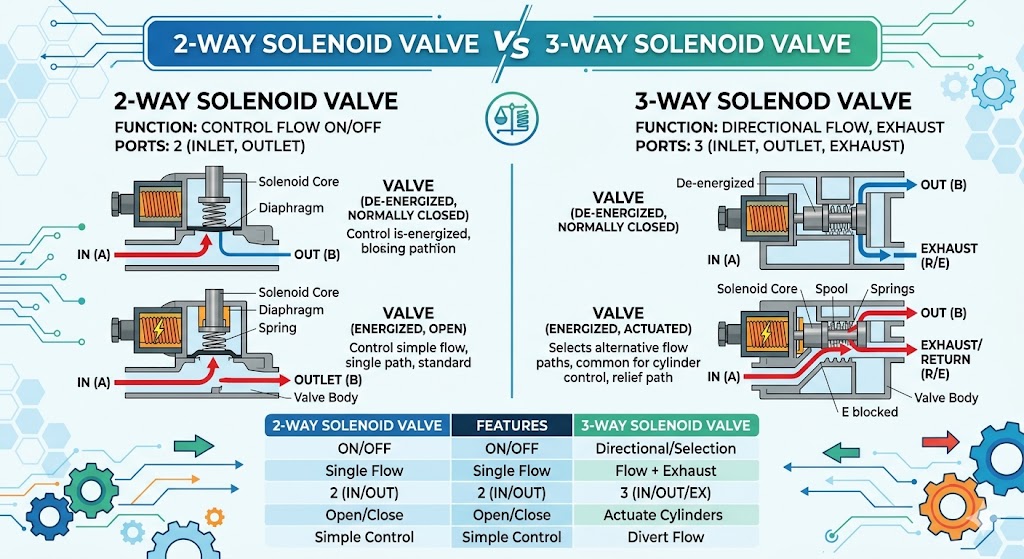
Directional control valves are the most common type in pneumatic systems. They control the path of air flow, directing compressed air to specific ports and cylinders. These valves typically have multiple ports (inlets, outlets, and exhausts) and positions that determine flow paths. Popular configurations include 2-way (on/off), 3-way, and 4-way valves, each serving different operational needs in industrial automation applications.
Solenoid Valves
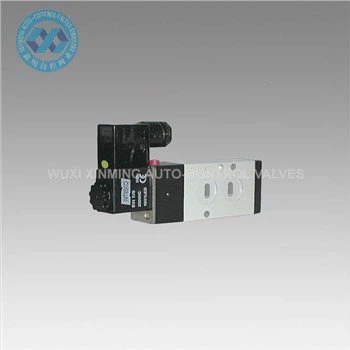
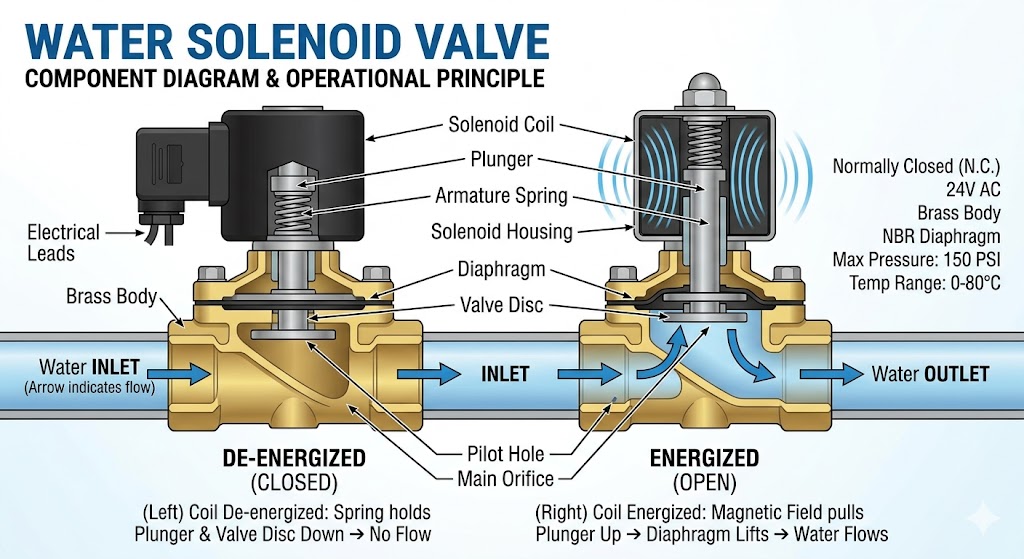
Solenoid pneumatic valves use electromagnetic coils to control valve position, offering fast and reliable operation. These electrically operated valves are ideal for automated systems requiring remote control and programmable logic controller (PLC) integration. Solenoid valves provide precise timing control and can operate at high frequencies, making them perfect for assembly lines and robotic applications.
Pressure Control Valves
Pressure control valves regulate and maintain system pressure within desired ranges. This category includes relief valves, reducing valves, and sequence valves. Relief valves prevent overpressure conditions, while reducing valves maintain consistent downstream pressure regardless of upstream variations. These valves are essential for protecting equipment and ensuring consistent process quality.
Flow Control Valves
Flow control valves manage the rate of air flow in pneumatic systems, enabling precise speed control of actuators and cylinders. These valves are crucial for applications requiring gradual movement or synchronized operations. Adjustable flow control valves allow operators to fine-tune flow rates based on specific process requirements.
Critical Factors to Consider When Selecting Pneumatic Valves
1. Operating Pressure Requirements
Understanding your system's pressure requirements is fundamental. Pneumatic systems typically operate between 80-120 PSI (5.5-8.3 bar), but some applications require higher or lower pressures. Always select valves with pressure ratings that exceed your maximum operating pressure to ensure safety and reliability. Consider pressure fluctuations and peak demands when making your selection.
2. Flow Rate and Cv Factor
The flow capacity of a valve, measured by its Cv factor, determines how much air can pass through at a given pressure drop. Calculating your system's flow requirements prevents pressure losses and ensures adequate actuator speed. Insufficient flow can lead to sluggish operation, while oversized valves waste energy and increase costs.
3. Valve Size and Port Configuration
Valve size must match your piping system and flow requirements. Common port sizes range from 1/8 inch to 1 inch for industrial applications. Consider the number of ports needed (2/2, 3/2, 4/2, 4/3 configurations) and ensure proper connection types. Port location and spacing should align with your existing system layout for easier installation.
4. Response Time and Frequency
Application requirements dictate whether you need fast-acting or standard response valves. High-cycle applications such as packaging and assembly lines require valves with quick response times and high durability. Consider the valve's cycle life rating and ensure it meets or exceeds your application's operational demands.
5. Environmental Conditions
Operating environment significantly impacts valve performance and longevity. Consider temperature extremes, humidity levels, dust, and corrosive substances when selecting valve materials. Harsh environments may require valves with special coatings, sealed housings, or corrosion-resistant construction to ensure reliable long-term operation.
Technical Specifications Reference Table
| Specification | Typical Range | Selection Consideration |
|---|---|---|
| Operating Pressure | 40-150 PSI (3-10 bar) | Match system pressure with adequate safety margin |
| Flow Rate (Cv) | 0.2 - 12.0 | Calculate based on actuator size and speed requirements |
| Response Time | 5 - 50 ms | High-speed applications require faster response |
| Port Size | 1/8" - 1" | Match to piping system and flow requirements |
| Temperature Range | -10°C to 60°C (standard) | Consider extended ranges for extreme environments |
| Cycle Life | 10 - 100 million cycles | Higher cycles for demanding applications |
| Voltage Options | 12V, 24V DC / 110V, 220V AC | Match to control system specifications |
Step-by-Step Selection Process
- Analyze Application Requirements: Begin by thoroughly understanding your application's operational needs, including required force, speed, stroke length, and duty cycle. Document all parameters and performance expectations to guide your selection process.
- Determine Valve Type: Based on your application, identify whether you need directional control, pressure regulation, flow control, or a combination. Consider future expandability and system flexibility when making this decision.
- Calculate Flow Requirements: Compute your system's air consumption and flow rate needs. Use the Cv factor formula or consult with valve manufacturers to ensure proper sizing for optimal performance.
- Evaluate Environmental Factors: Assess installation conditions including temperature extremes, moisture, dust, vibrations, and potential chemical exposure. Select valve materials and sealing options accordingly.
- Verify Electrical Compatibility: Ensure the valve's voltage and power requirements match your control system. Consider whether you need DIN connectors, flying leads, or other electrical interfaces.
- Review Mounting Options: Check available space and mounting configurations. Common options include manifold mounting, pipe mounting, and sub-base mounting. Select the configuration that best suits your installation requirements.
- Consider Total Cost of Ownership: Evaluate not just initial purchase price but also installation costs, maintenance requirements, energy consumption, and expected lifespan. Sometimes investing more upfront results in significant long-term savings.
Common Applications and Recommended Valve Types
Different industries and applications have varying requirements for pneumatic valves. Understanding typical use cases helps in making appropriate selections.
Manufacturing and Assembly Lines
High-speed automated assembly lines require reliable directional control valves with fast response times and long service life. Solenoid-operated valves with modular manifold systems are commonly used, allowing easy expansion and maintenance without system modifications.
Packaging Industry
Packaging equipment demands precise flow control and consistent performance. Flow control valves combined with directional valves enable accurate positioning and speed control for wrapping, filling, and sealing operations. Corrosion-resistant options are preferred for food and pharmaceutical packaging applications.
Automotive Manufacturing
Automotive assembly plants require heavy-duty pneumatic valves capable of operating in demanding environments. High-flow directional valves and robust pressure control valves support robotic welding, material handling, and assembly operations with minimal maintenance requirements.
Medical and Laboratory Equipment
Medical applications demand precise, contamination-free pneumatic control. Valves with clean specifications, biocompatible materials, and ultra-reliable performance are essential for ventilators, diagnostic equipment, and laboratory automation systems.
Installation and Maintenance Best Practices
Proper installation and regular maintenance significantly extend pneumatic valve service life and ensure reliable system performance.
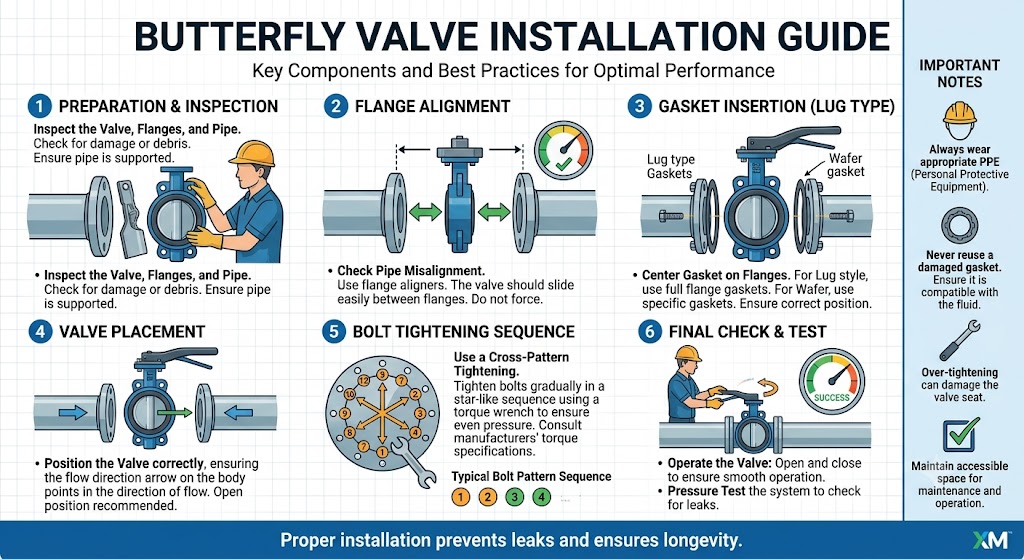
Installation Guidelines: Ensure clean air supply by installing appropriate filtration upstream of valves. Position valves in accessible locations for easy maintenance. Use proper mounting techniques and ensure adequate ventilation for solenoid valves to prevent overheating. Always follow manufacturer installation instructions and torque specifications.
Maintenance Schedule: Implement a preventive maintenance program including regular inspection of connections, verification of proper operation, and cleaning or replacement of filters. Monitor valve performance for signs of degradation such as slow response, leakage, or unusual noises. Replace worn components promptly to prevent cascade failures.
Frequently Asked Questions (FAQ)
How do I determine the correct valve size for my pneumatic system?
Valve sizing is based on flow requirements (Cv factor), operating pressure, and acceptable pressure drop. Calculate your system's air consumption at maximum demand, then select a valve with adequate flow capacity. The valve should be sized for minimal pressure loss while avoiding excessive flow that wastes energy. When in doubt, consult valve manufacturer sizing guides or technical support.
What is the difference between 2-way, 3-way, and 4-way pneumatic valves?
2-way valves control flow between two ports (inlet and outlet), suitable for simple on/off applications. 3-way valves have three ports (common, inlet, and exhaust) and are used for single-acting cylinders. 4-way valves have four or five ports controlling double-acting cylinders, allowing air to flow to both sides of the cylinder for extending and retracting movements.
How often should pneumatic valves be replaced?
Replacement frequency depends on operating conditions, duty cycle, and valve quality. High-quality valves in moderate conditions may last 5-10 years or more. High-cycle applications may require replacement every 1-3 years. Regular monitoring for performance degradation and following manufacturer maintenance schedules helps optimize replacement timing.
Can I use pneumatic valves interchangeably between manufacturers?
While many valves follow industry standard port patterns and dimensions, significant variations exist between manufacturers. Consider mounting configurations, electrical specifications, and performance characteristics when substituting valves. Whenever possible, use valves from the same manufacturer or verify cross-reference compatibility through technical documentation.
What causes pneumatic valve failure?
Common causes of pneumatic valve failure include contaminated air supply, excessive temperature, voltage fluctuations, wear from high cycling, improper installation, and chemical exposure. Implementing proper air preparation (filtration, lubrication, pressure regulation) and following installation guidelines significantly reduces failure rates.
How do I troubleshoot a malfunctioning pneumatic valve?
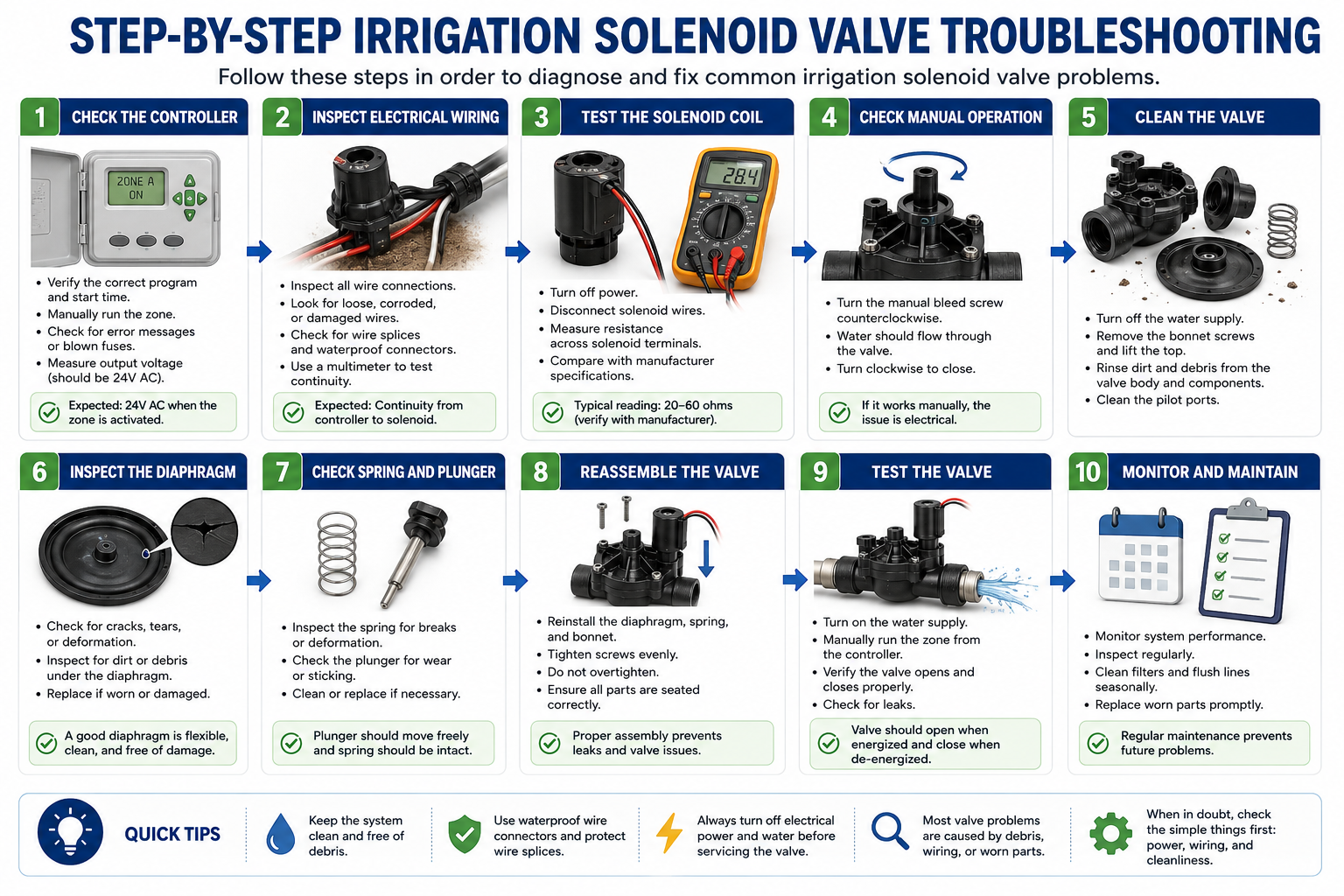
Start with visual inspection for damage, loose connections, or air leaks. Verify proper voltage and electrical connections for solenoid valves. Check air supply pressure and filter condition. Test valve operation manually if possible. Use systematic elimination by bypassing suspect valves to isolate problems. Document any unusual conditions that may indicate root cause.
What air quality is required for pneumatic valve operation?
Pneumatic valves require clean, dry air free from excessive moisture, oil, and particulates. Install filtration to remove particles larger than 5 microns. Use air dryers or drains for moisture control. Maintain oil mist lubrication at appropriate levels. Good air quality extends valve life and ensures reliable operation.
Should I choose pneumatic or hydraulic valves for my application?
Pneumatic systems use compressed air and are ideal for applications requiring quick response, high speed, and clean operation. Hydraulic systems use fluid and provide higher force capabilities and precise position control. For most automation applications with force requirements under 2 tons, pneumatic valves offer advantages in cost, simplicity, and cleanliness.
Conclusion
Choosing the right pneumatic valve requires careful consideration of application requirements, operating conditions, and performance specifications. By understanding the different valve types, evaluating key factors, and following a systematic selection process, you can optimize your pneumatic system for reliability, efficiency, and cost-effectiveness.
Remember that proper valve selection is an investment in your system's performance and longevity. Take time to analyze your requirements thoroughly, consult with experts when needed, and prioritize quality over initial cost savings. With the right pneumatic valve, your system will deliver consistent, reliable performance for years to come.
For specific recommendations tailored to your unique application, contact our technical support team or request a custom system evaluation. We're here to help you achieve optimal pneumatic system performance.
If you want to learn more about low-priced products, please visit the following website: www.xm-valveactuator.com