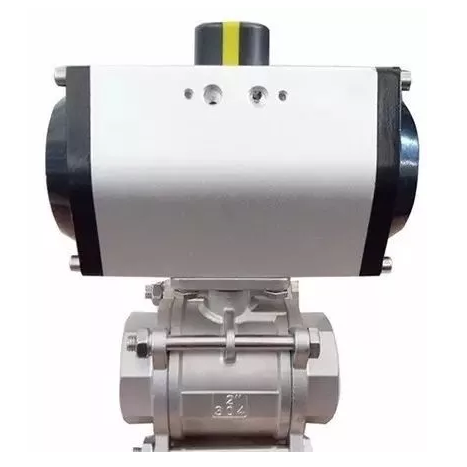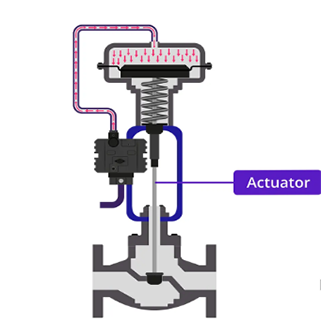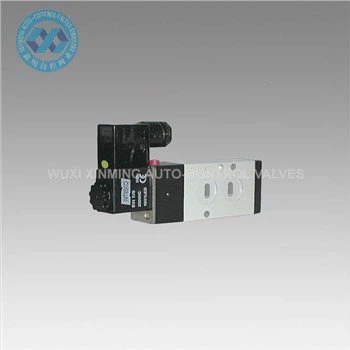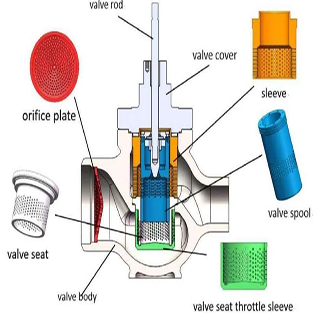
A reduced port ball valve (also called standard port ball valve) has a bore diameter smaller than the pipeline's internal diameter. This creates a slight restriction in the flow path.
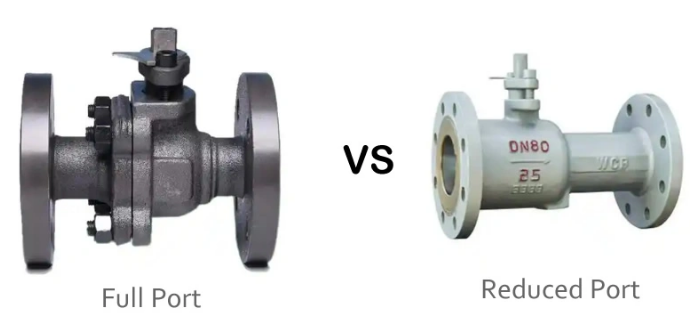
Key Characteristics:
- Smaller internal bore
- Moderate pressure drop
- More compact design
- Lower cost
- Suitable for general applications
Reduced port valves are widely used in water systems, HVAC, compressed air systems, and non-critical industrial processes.
Flow Performance Comparison
1. Flow Capacity (Cv Value)
The flow coefficient (Cv) measures how much fluid can pass through a valve.
- Full port ball valve: Higher Cv value due to unrestricted bore
- Reduced port ball valve: Lower Cv value due to smaller opening
In high-flow systems, full port valves provide better hydraulic performance.
2. Pressure Drop
Pressure drop occurs when fluid passes through a restriction.
- Full port valves create minimal pressure drop
- Reduced port valves generate higher pressure drop
In systems where energy efficiency is critical, such as long pipelines or high-volume transfer systems, minimizing pressure loss is essential.
3. Turbulence and Flow Efficiency
Full port valves:
- Straight-through flow path
- Reduced turbulence
- Improved system efficiency
Reduced port valves:
- Flow contraction at the ball opening
- Slight turbulence
- Acceptable for moderate flow requirements
For sensitive systems, such as chemical processing or high-purity lines, full port valves are often preferred.
Structural and Cost Differences
Size and Weight
Full port ball valves:
- Larger body size
- Heavier construction
- Require more installation space
Reduced port ball valves:
- More compact
- Lightweight
- Ideal for limited space environments
Cost Comparison
Full port valves:
- Higher material usage
- Higher initial cost
Reduced port valves:
- More economical
- Lower installation cost
If system performance allows moderate pressure drop, reduced port valves offer a cost-effective solution.
Application Comparison
When to Choose a Full Port Ball Valve
- Oil & gas transmission pipelines
- Pigging operations
- High-flow systems
- Applications requiring minimal pressure loss
- Slurry or viscous fluid transfer
Full port valves maintain consistent internal diameter, allowing pipeline cleaning pigs to pass through without obstruction.
When to Choose a Reduced Port Ball Valve
- General industrial service
- Water treatment systems
- HVAC applications
- Compressed air systems
- Budget-sensitive projects
Reduced port valves are suitable where slight pressure drop does not affect system performance.
Automation and Actuation Considerations
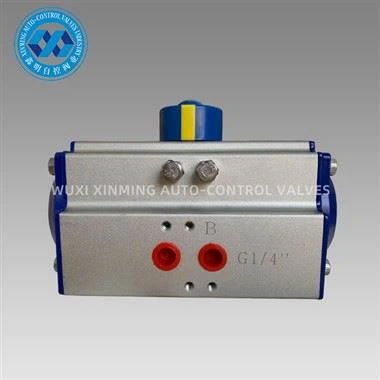
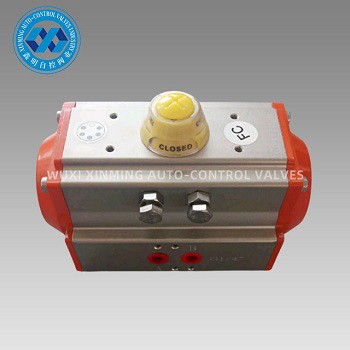
Both full port and reduced port ball valves can be automated using:
- Pneumatic actuators
- Electric actuators
- Hydraulic actuators
However, full port valves may require slightly higher torque due to larger ball size. Proper actuator sizing is essential to ensure reliable operation.
Advantages and Disadvantages
Full Port Ball Valve
Advantages:
- Maximum flow capacity
- Minimal pressure drop
- Suitable for pigging
- Reduced turbulence
Disadvantages:
- Higher cost
- Larger and heavier
- Requires more installation space
Reduced Port Ball Valve
Advantages:
- Cost-effective
- Compact design
- Lower weight
- Suitable for most general applications
Disadvantages:
- Higher pressure drop
- Not suitable for pigging
- Slightly reduced flow efficiency
Quick Comparison Table
| Feature | Full Port Ball Valve | Reduced Port Ball Valve |
|---|---|---|
| Bore Size | Matches pipe ID | Smaller than pipe ID |
| Flow Capacity | High | Moderate |
| Pressure Drop | Minimal | Moderate |
| Turbulence | Low | Slightly higher |
| Pigging Capability | Yes | No |
| Cost | Higher | Lower |
| Installation Space | Larger | Compact |
Industry Standards
Both types are available under common standards such as:
- ANSI / ASME
- API 608
- API 6D
- ISO 17292
- DIN and PN ratings
Material options include stainless steel, carbon steel, brass, and specialized alloys for corrosive or high-temperature environments.
Conclusion
Understanding the differences between full port vs reduced port ball valve is essential for optimizing flow performance and system efficiency. Full port ball valves deliver superior flow capacity and minimal pressure loss, making them ideal for high-performance and piggable systems. Reduced port ball valves offer a compact and cost-effective solution for general industrial applications.
Selecting the right valve type ensures improved operational efficiency, reduced energy loss, and long-term reliability in your pipeline system.
If you want to learn more about low-priced products, please visit the following website: www.xm-valveactuator.com