Below is a detailed comparison of their performance and characteristics.
1. Structure and Design
Ball Valve:
-
Spherical closure element
-
Typically heavier and bulkier
-
Requires more installation space
Butterfly Valve:
-
Thin disc inside pipe
-
Compact and lightweight
-
Ideal for large-diameter systems
Butterfly valves are generally preferred when space or weight is limited.
2. Sealing Performance
Ball Valve:
-
Provides bubble-tight shutoff
-
Excellent for high-pressure and high-temperature systems
-
Minimal leakage
Butterfly Valve:
-
Good sealing (especially resilient-seated types)
-
High-performance and triple-offset designs offer improved sealing
-
May not match ball valve sealing in extreme conditions
For critical shutoff applications, ball valves typically perform better.
3. Flow Characteristics
Ball Valve:
-
Full port design allows minimal pressure drop
-
Ideal for pigging systems
-
Not ideal for throttling (can damage seats)
Butterfly Valve:
-
Some obstruction due to disc
-
Higher pressure drop compared to full port ball valve
-
Suitable for throttling applications
If low pressure drop is critical, a full port ball valve is often the better choice.
4. Size Range
Ball Valve:
-
Commonly used from small sizes up to large diameters
-
Large sizes become expensive and heavy
Butterfly Valve:
-
Highly economical for large diameters (DN200 and above)
-
Lightweight even at large sizes
For large pipeline systems, butterfly valves are typically more cost-effective.
5. Pressure and Temperature Ratings
Ball Valve:
-
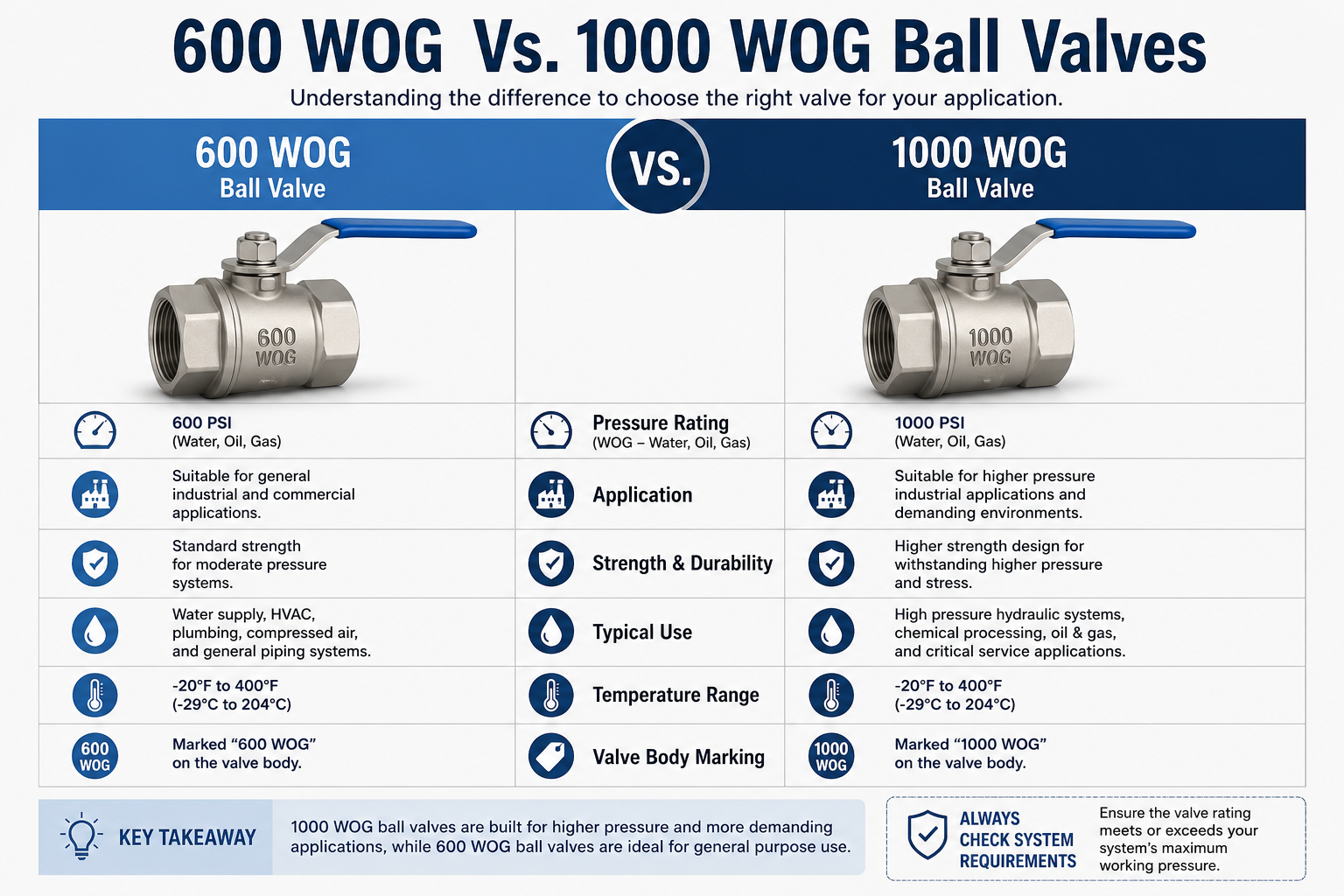
Excellent for high-pressure applications
-
Performs well in extreme temperatures
-
Common in Class 150–2500 systems
Butterfly Valve:
-
Standard types suitable for low to medium pressure
-
High-performance designs handle higher pressures
-
Temperature depends on seat material
Ball valves are generally preferred in high-pressure industrial environments.
6. Cost Comparison
Ball Valve:
-
Higher initial cost
-
More material and complex structure
Butterfly Valve:
-
Lower cost, especially in larger sizes
-
Simpler construction
When budget is a major factor, butterfly valves offer a clear advantage.
7. Maintenance and Durability
Ball Valve:
-
Durable with long service life
-
Seat wear possible under throttling conditions
-
Easy to automate
Butterfly Valve:
-
Fewer components
-
Easier maintenance in large systems
-
Disc exposed to flow, may wear over time
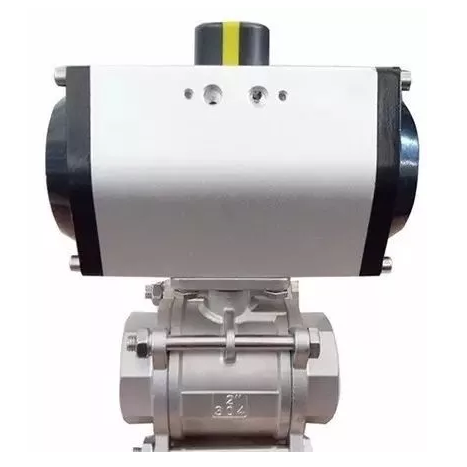
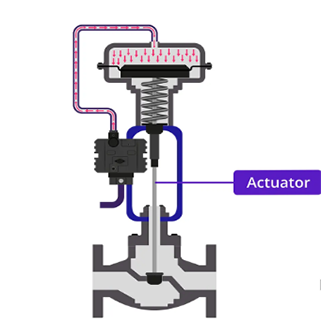
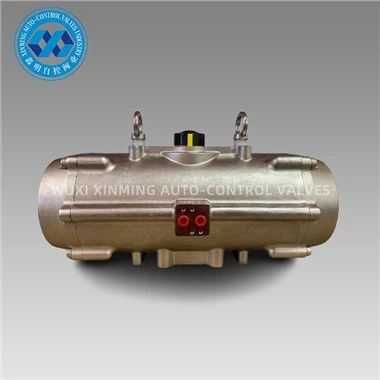
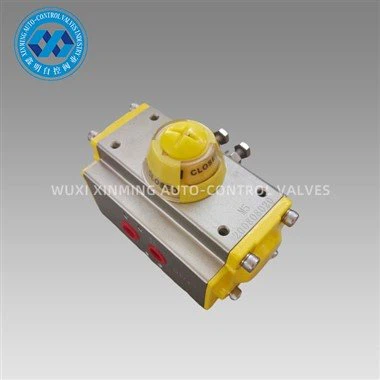
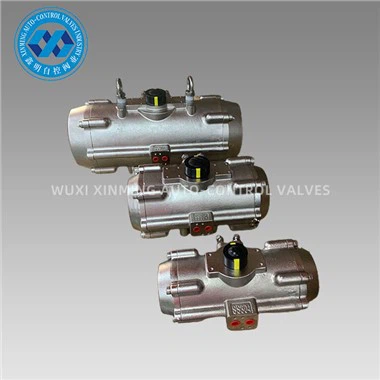
Both valves are compatible with pneumatic, electric, or hydraulic actuators for automation.
Quick Comparison Table
| Feature | Ball Valve | Butterfly Valve |
|---|---|---|
| Operation | Quarter-turn | Quarter-turn |
| Sealing | Excellent (bubble-tight) | Good to excellent |
| Pressure Drop | Very low (full port) | Moderate |
| Cost | Higher | Lower |
| Weight | Heavier | Lightweight |
| Large Size Applications | Expensive | Economical |
| High Pressure | Excellent | Moderate to high (design-dependent) |
| Throttling | Not ideal | Suitable |
Application Comparison
Choose a Ball Valve If:
-
You need tight shutoff
-
The system operates at high pressure
-
Minimal leakage is critical
-
Pressure drop must be very low
Choose a Butterfly Valve If:
-
The pipeline diameter is large
-
Budget is limited
-
Space and weight are concerns
-
Throttling control is required
Automation Considerations
Both valve types can be paired with:
-
Pneumatic actuators
-
Electric actuators
-
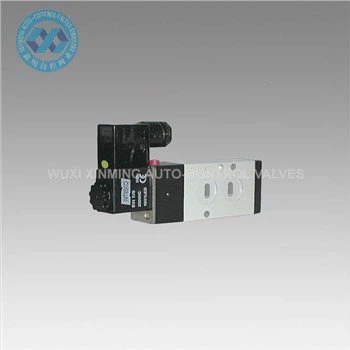
Positioners and control systems
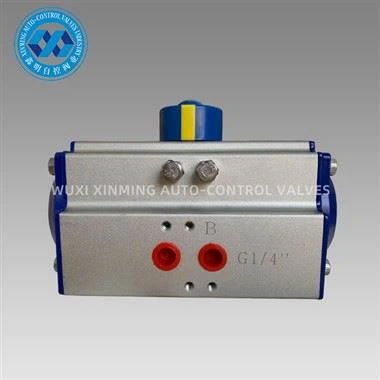
Butterfly valves often require lower torque than large ball valves, making actuator selection more economical.
Conclusion
The choice between ball valve vs butterfly valve depends on application requirements, including pressure rating, sealing performance, budget, size, and flow characteristics.
-
For high-pressure systems requiring tight shutoff, ball valves are typically superior.
-
For large-diameter, cost-sensitive applications, butterfly valves provide excellent value and efficiency.
Understanding these differences ensures optimal valve selection, improved system performance, and long-term reliability.
If you want to learn more about low-priced products, please visit the following website: www.xm-valveactuator.com