Selecting the right ball valve is critical for ensuring safe operation, long service life, and optimal performance in industrial pipeline systems. With various designs, materials, pressure classes, and connection types available, choosing the correct valve requires careful evaluation of your application conditions.
This comprehensive guide explains how to choose the right ball valve for your industry, covering key selection factors, valve types, materials, and automation options.
What Is a Ball Valve?
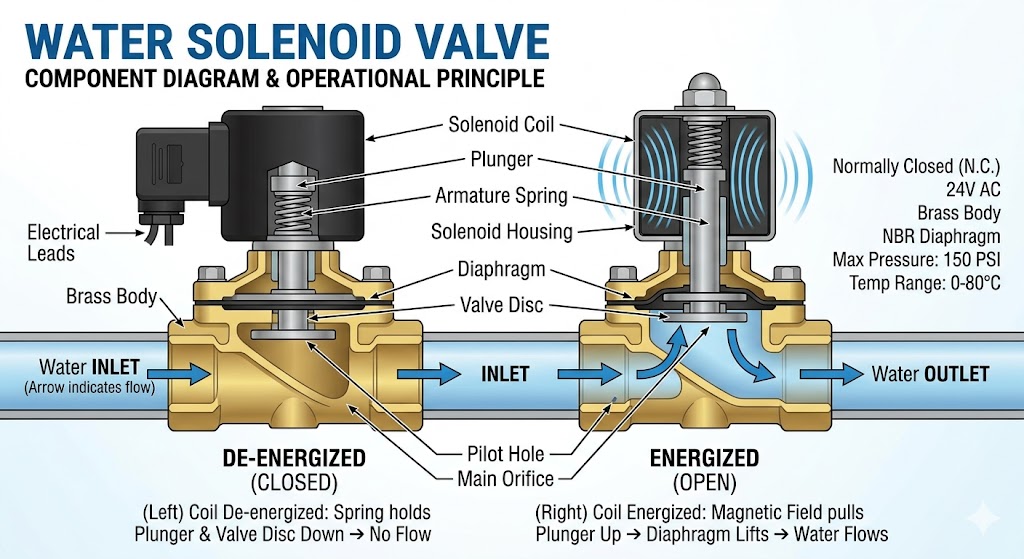
A ball valve is a quarter-turn valve that uses a hollow, perforated ball to control fluid flow. When the ball rotates 90 degrees, it either allows full flow or completely shuts off the pipeline.
Ball valves are widely used in industries such as:
-
Oil and gas
-
Chemical processing
-
Water treatment
-
HVAC systems
-
Food and beverage
-
Power generation
-
Pharmaceutical manufacturing
Their popularity comes from excellent sealing performance, low pressure drop, and reliable shutoff capability.
Key Factors to Consider When Choosing a Ball Valve
1. Type of Ball Valve
Different industries require different ball valve designs.
Floating Ball Valve
-
Ball is supported by two seats
-
Suitable for low to medium pressure
-
Cost-effective
-
Common in general industrial applications
Trunnion Ball Valve
-
Ball supported by trunnion bearings
-
Ideal for high-pressure and large-diameter pipelines
-
Reduced operating torque
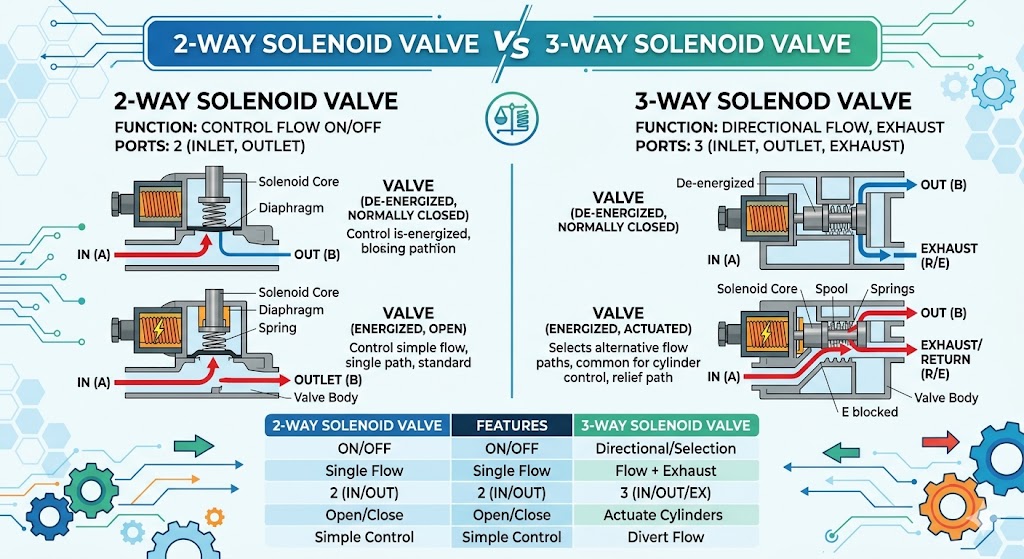
Three-Way Ball Valve
-
Used for mixing or diverting flow
-
Available in L-port and T-port configurations
Full Port vs Reduced Port
-
Full port ball valve: Minimal pressure drop, ideal for pigging systems
-
Reduced port ball valve: Smaller bore, more economical
Choose the valve type based on pressure rating, flow requirements, and system design.
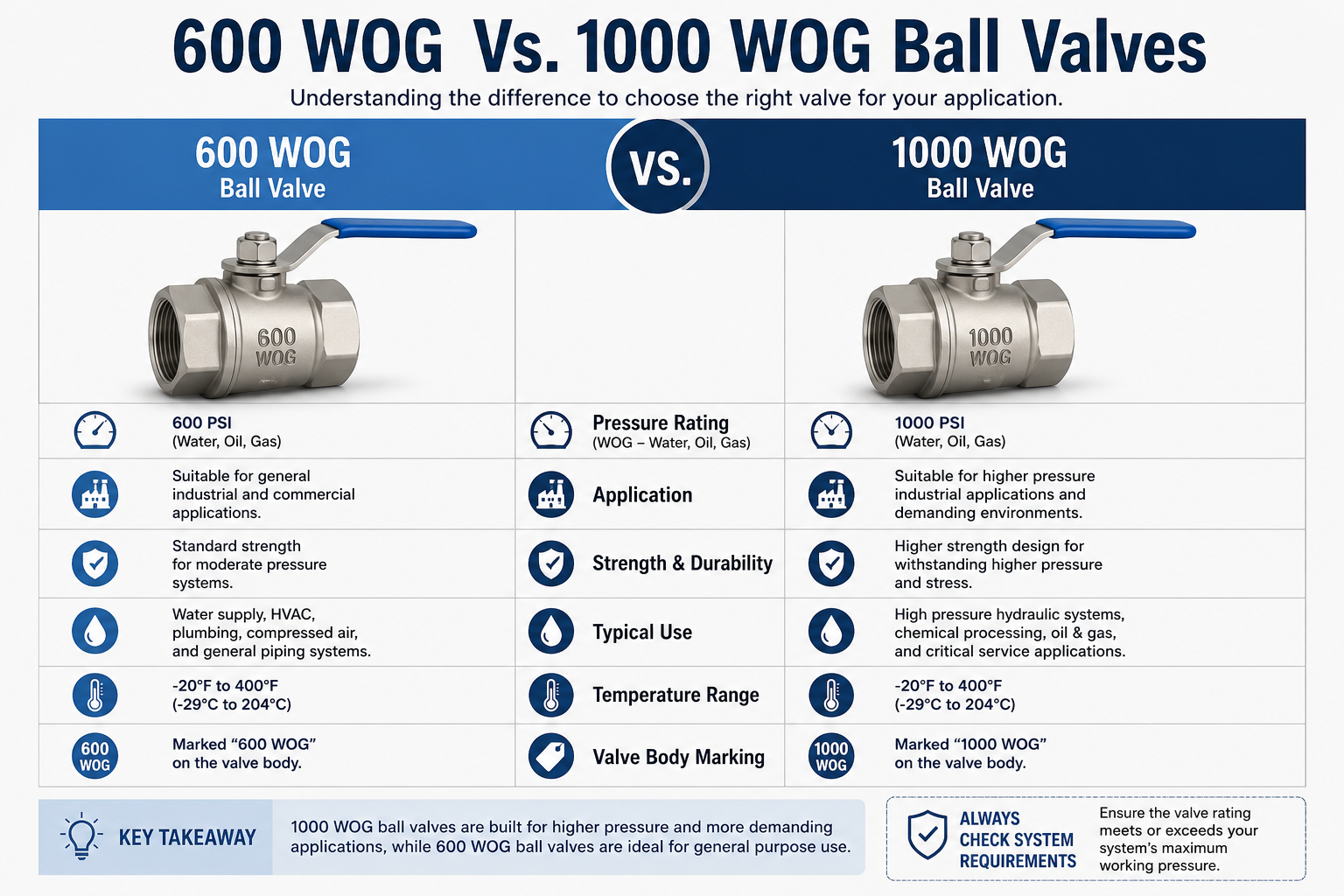
2. Pressure and Temperature Rating
Always verify the valve’s pressure class and temperature limits.
Common standards include:
-
ANSI Class 150, 300, 600, 900
-
PN10, PN16, PN25, PN40
Consider:
-
Maximum operating pressure
-
Peak pressure conditions
-
Fluid temperature range
High-temperature or high-pressure systems typically require forged steel or trunnion-mounted ball valves.
3. Valve Material Selection
Material compatibility is essential for durability and safety.
Common Body Materials:
-
Stainless steel (SS304, SS316)
-
Carbon steel
-
Brass
-
PVC or plastic
Seat Materials:
-
PTFE (Teflon) – chemical resistance
-
RPTFE – enhanced strength
-
PEEK – high temperature
-
Metal seats – extreme temperature and abrasive service
Choose materials based on:
-
Corrosion resistance
-
Chemical compatibility
-
Temperature exposure
-
Abrasive media
For corrosive environments, stainless steel ball valves are often preferred.
4. End Connection Type
Ball valves are available in different connection styles:
-
Threaded (NPT/BSP)
-
Flanged
-
Welded (butt weld or socket weld)
-
Tri-clamp (sanitary applications)
Threaded valves are common in small pipelines, while flanged valves are widely used in industrial systems.
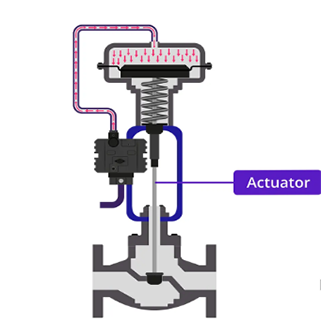
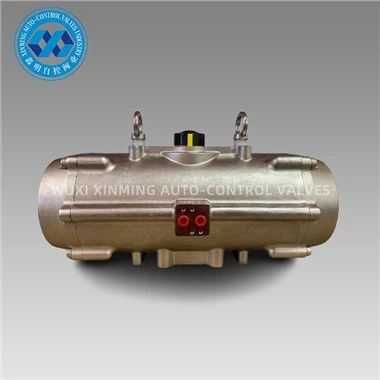
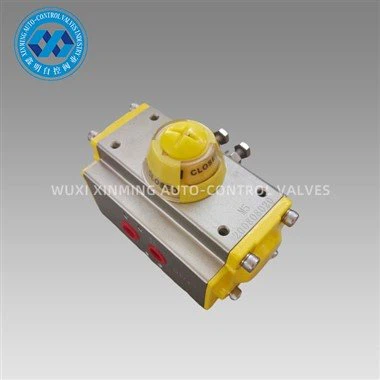
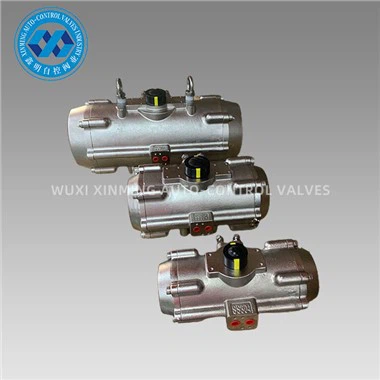
5. Actuation Method
Ball valves can be manually operated or automated.
Manual Ball Valve
-
Lever or gear-operated
-
Suitable for simple on/off control
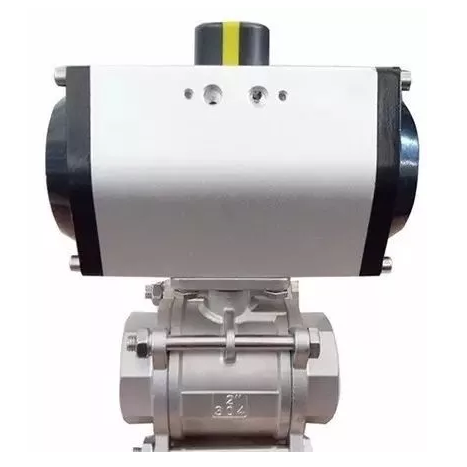
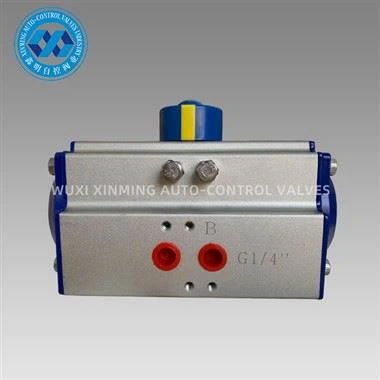
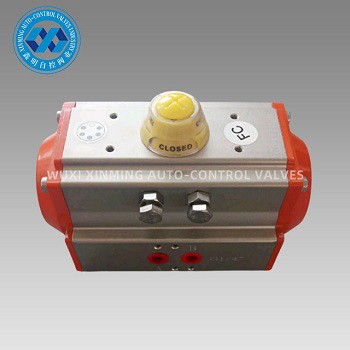
Pneumatic Ball Valve
-
Fast operation
-
Ideal for automated systems
-
Cost-effective in industrial automation
Electric Ball Valve
-
Precise control
-
Suitable where compressed air is unavailable
Choose the actuation method based on automation requirements, response time, and control system compatibility.
6. Flow Characteristics and Application Purpose
Ball valves are primarily used for on/off control rather than throttling. Continuous throttling may damage valve seats.
Ask yourself:
-
Is the valve used for isolation only?
-
Is frequent cycling required?
-
Is minimal pressure drop critical?
For throttling applications, consider alternative valve types if necessary.
7. Industry-Specific Requirements
Different industries have unique standards:
Oil & Gas
-
API 6D compliance
-
Fire-safe certification
-
Anti-static design
Food & Beverage
-
FDA-approved materials
-
Sanitary design
-
Easy cleaning
Chemical Industry
-
Corrosion-resistant materials
-
Explosion-proof automation
Water Treatment
-
Cost-effective and corrosion-resistant valves
Always confirm compliance with relevant international standards.
Common Mistakes to Avoid
-
Selecting a valve without sufficient pressure margin
-
Ignoring chemical compatibility
-
Choosing reduced port when full flow is required
-
Using soft seats in high-temperature applications
-
Oversizing or undersizing the actuator
Correct sizing and material selection significantly extend service life.
Ball Valve Selection Checklist
Before purchasing, confirm:
✔ Pressure rating
✔ Temperature range
✔ Body and seat materials
✔ End connection type
✔ Automation requirements
✔ Industry certifications
Benefits of Choosing the Right Ball Valve
-
Improved system efficiency
-
Reduced leakage risk
-
Longer operational lifespan
-
Lower maintenance costs
-
Enhanced safety performance
A properly selected ball valve can operate reliably for years with minimal maintenance.
Conclusion
Understanding how to choose the right ball valve for your industry requires evaluating operating pressure, temperature, material compatibility, valve design, and automation needs. Whether you need a floating ball valve for general service or a trunnion ball valve for high-pressure applications, careful selection ensures optimal performance and long-term reliability.
Consulting with experienced valve manufacturers or engineers can help ensure your system operates safely and efficiently.
If you want to learn more about low-priced products, please visit the following website: www.xm-valveactuator.com