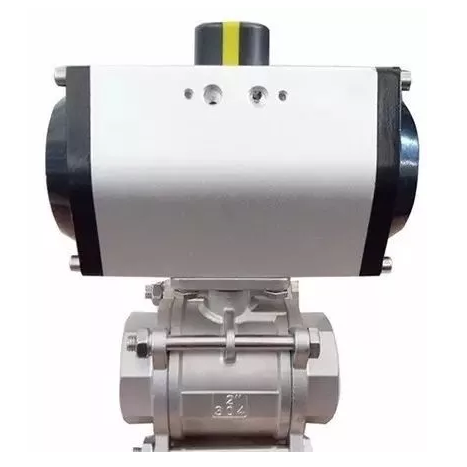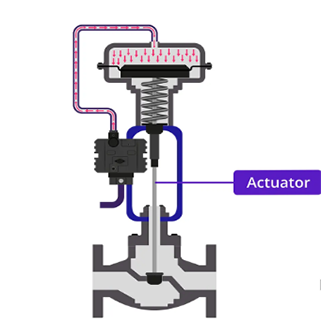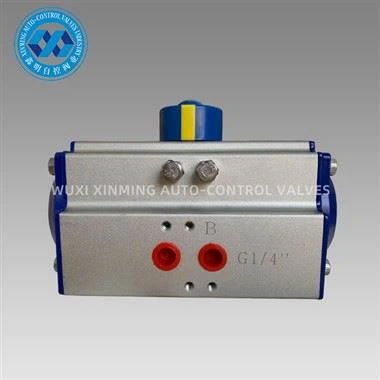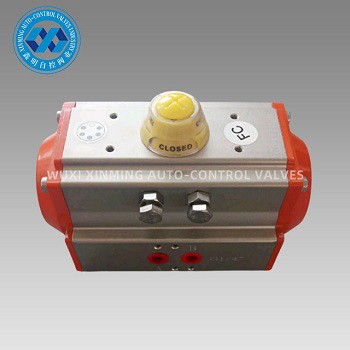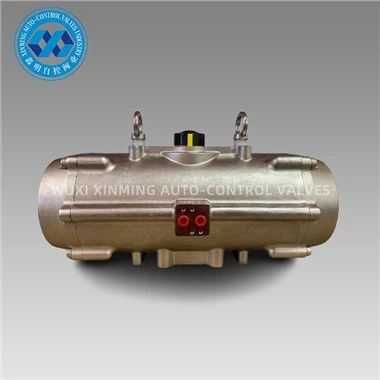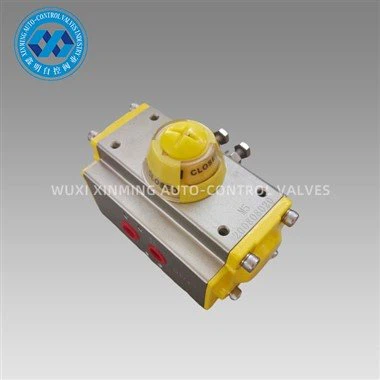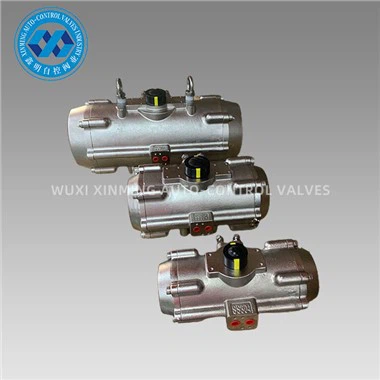
Pneumatic actuators are widely used in industrial automation systems to control valves, dampers, and other mechanical equipment. Known for their reliability, fast response time, and cost-effectiveness, pneumatic actuators are essential in industries such as oil & gas, chemical processing, water treatment, power generation, and manufacturing.
However, like all mechanical devices, pneumatic actuators can experience failures due to wear, improper installation, contaminated air supply, or inadequate maintenance. Understanding common pneumatic actuator failures and applying the correct troubleshooting methods can significantly reduce downtime and maintenance costs.
This comprehensive guide explains the most common pneumatic actuator problems, their causes, and step-by-step troubleshooting solutions.
1. Actuator Fails to Move
Symptoms
-
No movement when air supply is applied
-
Valve remains in the same position
-
No audible air flow
Possible Causes
-
No air supply or insufficient air pressure
-
Blocked or leaking air lines
-
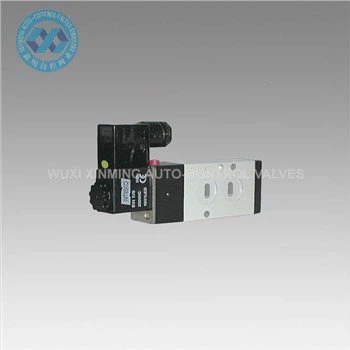
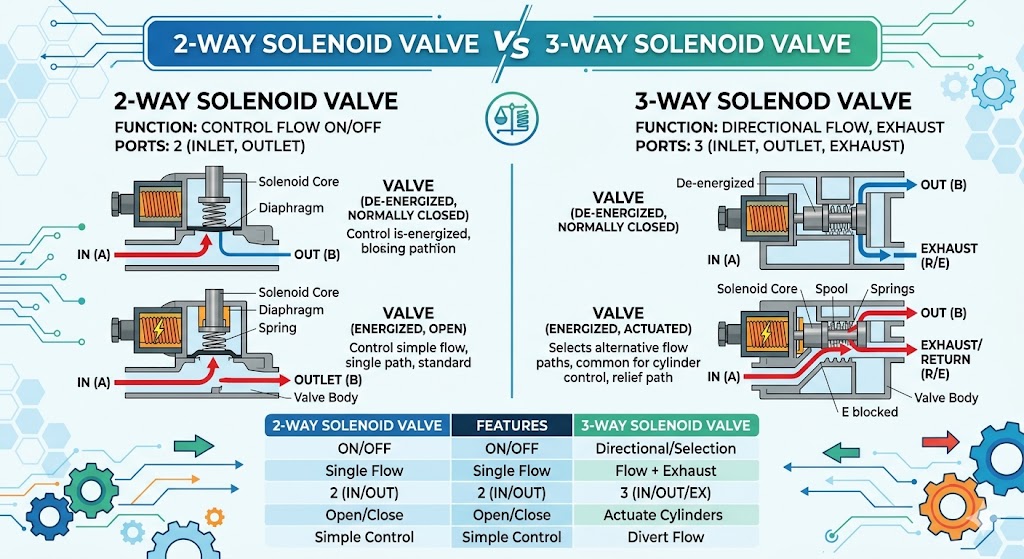
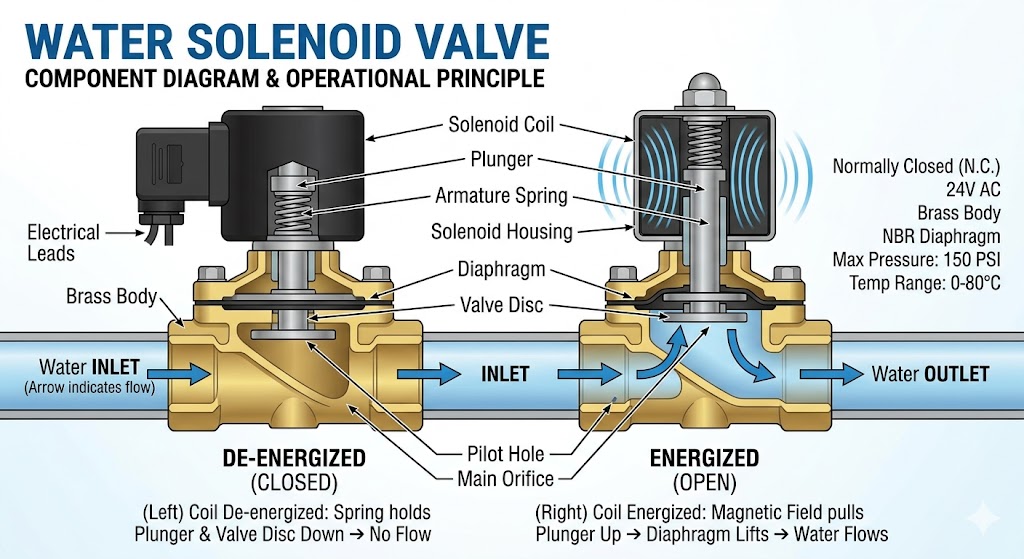
Faulty solenoid valve
-
Damaged piston seals
-
Broken spring (spring-return actuator)
Troubleshooting Steps
-
Check air supply pressure using a pressure gauge. Ensure it matches actuator specifications (typically 4–8 bar / 60–120 PSI).
-
Inspect air tubing and fittings for leaks or blockages.
-
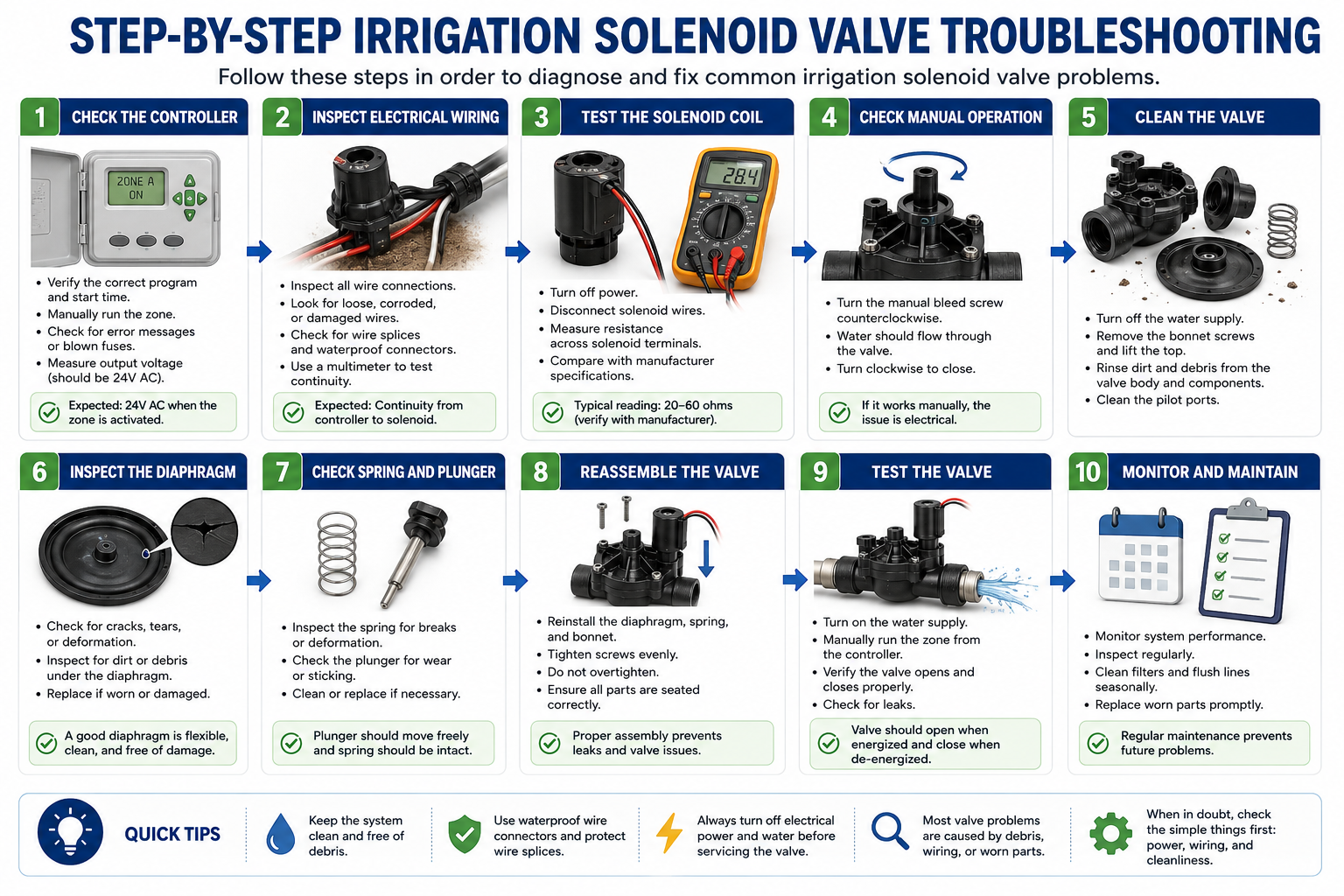
Test the solenoid valve for electrical signal and proper switching.
-
Disassemble the actuator to inspect piston seals and internal components.
-
For spring-return types, verify that the spring is intact and not fractured.
Pro Tip: Always confirm that the control signal (electrical or pneumatic) is functioning before disassembling the actuator.
2. Slow or Sluggish Operation
Symptoms
-
Delayed opening or closing
-
Reduced torque output
-
Inconsistent cycle times
Possible Causes
-
Low air pressure
-
Air supply restriction
-
Flow control valve misadjustment
-
Internal corrosion or contamination
-
Worn seals causing internal leakage
Troubleshooting Steps
-
Verify compressor output and regulator settings.
-
Check filters and air dryers for clogging.
-
Adjust flow control valves to optimize speed.
-
Inspect internal cylinder walls for rust or debris.
-
Replace worn O-rings and seals.
Regular air filtration maintenance can prevent most sluggish performance issues.
3. Air Leakage
Symptoms
-
Audible hissing sound
-
Continuous air consumption
-
Reduced actuator torque
Possible Causes
-
Loose fittings
-
Damaged O-rings or gaskets
-
Cracked actuator housing
-
Worn piston seals
Troubleshooting Steps
-
Apply a soap-water solution to fittings to detect leaks.
-
Tighten or replace faulty fittings.
-
Replace damaged seals or O-rings.
-
If the housing is cracked, replace the actuator body.
Air leakage not only reduces efficiency but also increases operating costs.
4. Insufficient Torque Output
Symptoms
-
Valve does not fully open or close
-
Actuator stalls mid-stroke
-
Frequent valve sticking
Possible Causes
-
Incorrect actuator sizing
-
Air pressure below rated value
-
Valve torque higher than actuator capacity
-
Internal wear
Troubleshooting Steps
-
Confirm actuator sizing calculations.
-
Increase supply pressure within allowable limits.
-
Check valve condition for obstruction or excessive friction.
-
Upgrade to a higher torque pneumatic actuator if required.
Proper actuator sizing during system design is critical for long-term reliability.
5. Excessive Vibration or Noise
Symptoms
-
Unusual mechanical noise
-
Vibration during operation
-
Shaking air lines
Possible Causes
-
Loose mounting bolts
-
Worn bearings
-
Misalignment between valve and actuator
-
Air pressure fluctuations
Troubleshooting Steps
-
Tighten mounting hardware.
-
Inspect actuator-to-valve alignment.
-
Replace worn mechanical components.
-
Stabilize air supply with pressure regulators.
Ignoring vibration issues can lead to premature actuator failure.
6. Spring Return Failure
Symptoms
-
Actuator does not return to fail-safe position
-
Incomplete closing during air loss
Possible Causes
-
Broken or fatigued spring
-
Corrosion due to moisture
-
Mechanical obstruction
Troubleshooting Steps
-
Disassemble and inspect the spring mechanism.
-
Replace damaged springs immediately.
-
Ensure proper air drying system to prevent corrosion.
Spring-return pneumatic actuators are critical in safety systems, so regular inspection is essential.
7. Position Feedback Malfunction
Symptoms
-
Incorrect position indication
-
Limit switch failure
-
Control system alarms
Possible Causes
-
Faulty limit switch box
-
Loose wiring
-
Sensor misalignment
-
Electrical short circuit
Troubleshooting Steps
-
Check wiring continuity.
-
Test limit switches individually.
-
Recalibrate position sensors.
-
Replace defective feedback devices.
Position monitoring ensures accurate valve control and process safety.
Preventive Maintenance Tips for Pneumatic Actuators
Preventing failures is more cost-effective than troubleshooting breakdowns. Follow these best practices:
-
Install high-quality air filters and dryers
-
Maintain proper lubrication (if required)
-
Perform periodic torque testing
-
Inspect seals and O-rings regularly
-
Verify actuator mounting alignment
-
Monitor air pressure and quality
A preventive maintenance schedule can extend actuator service life by 30–50%.
Conclusion
Understanding common pneumatic actuator failures and troubleshooting methods is essential for maintaining operational efficiency in industrial systems. Most issues—such as air leakage, slow operation, insufficient torque, or spring failure—are preventable with proper air supply management, correct actuator sizing, and regular maintenance.
By implementing systematic diagnostics and preventive strategies, operators can reduce downtime, improve system reliability, and optimize long-term performance.
If your application requires a high-quality pneumatic actuator designed for durability and consistent torque output, always consult experienced manufacturers to ensure proper selection and installation.
If you want to learn more about low-priced products, please visit the following website: www.xm-valveactuator.com