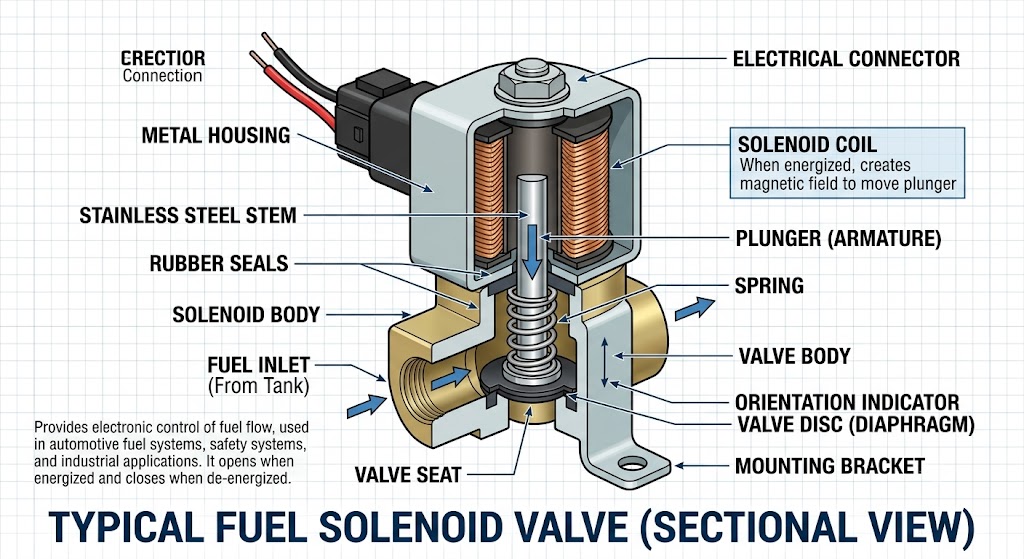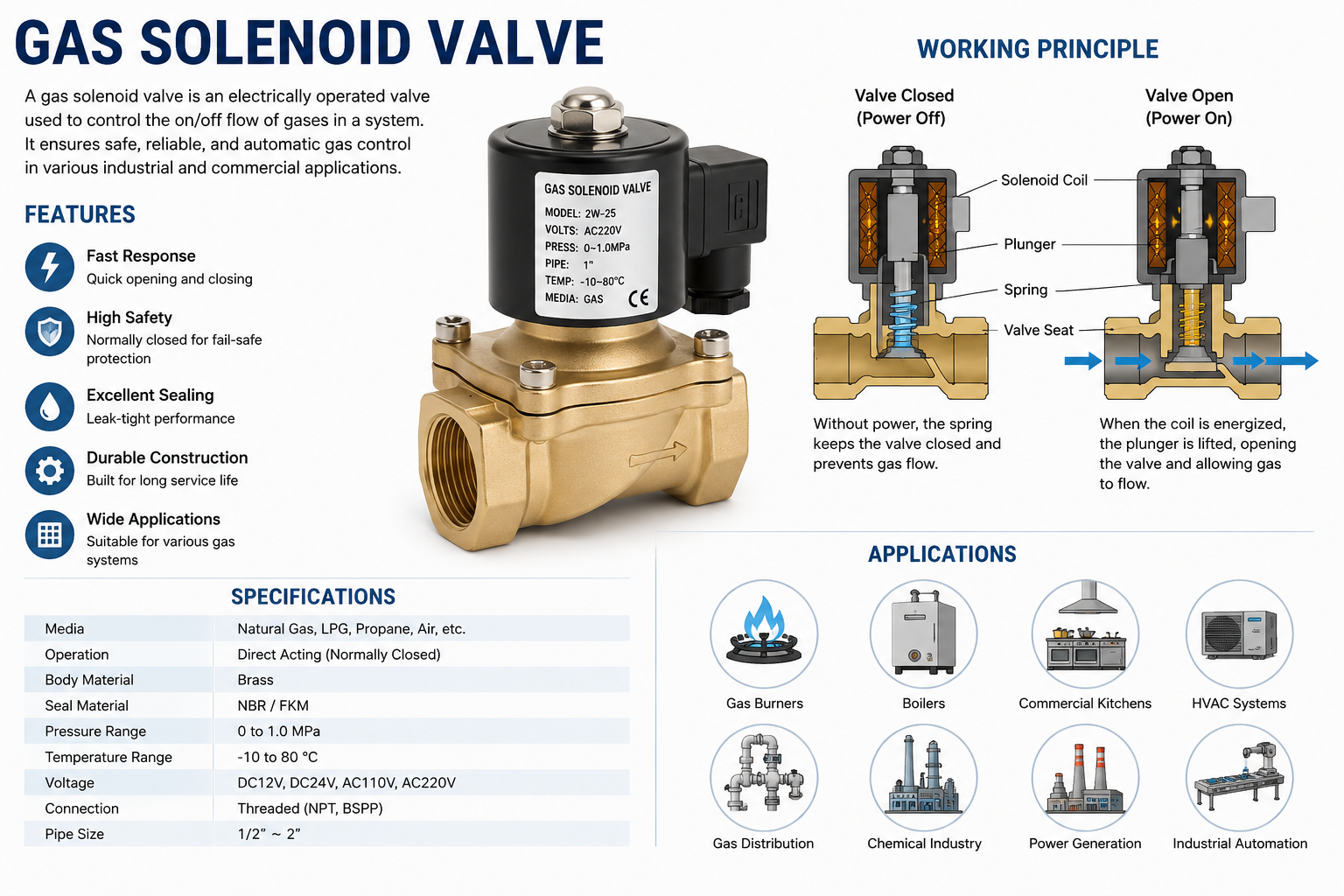
In the industrial automation landscape of 2026, the demand for precision, energy efficiency, and predictive maintenance has reached an all-time high. Pneumatic positioners—the "brains" behind control valve operation—have evolved from simple mechanical devices into sophisticated digital hubs.
For engineers and procurement professionals in the U.S. market, selecting the right manufacturer is critical for ensuring plant reliability and minimizing air consumption costs. Here is the definitive 2026 Guide to the Top Manufacturers of Pneumatic Positioners in the United States.
The 2026 Industry Landscape
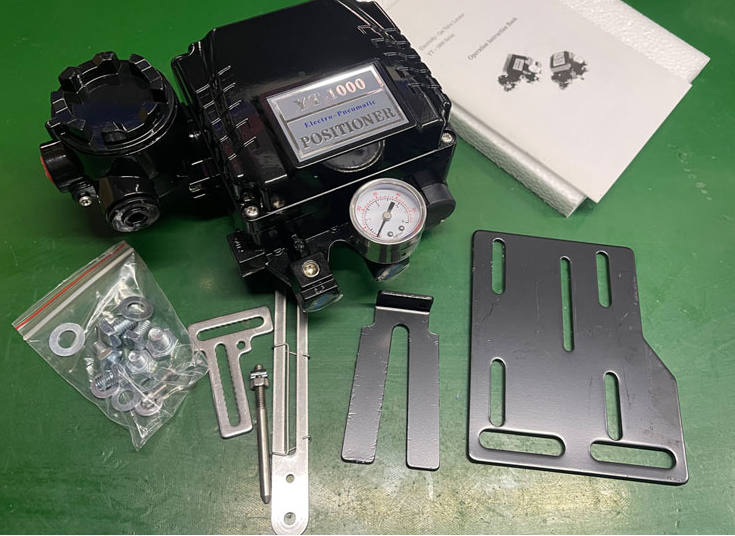
While traditional pneumatic-to-pneumatic (P/P) positioners are still valued for their simplicity in non-critical loops, the U.S. market is now dominated by Smart Digital Positioners. These devices integrate seamlessly with Distributed Control Systems (DCS) via HART, Foundation Fieldbus, and increasingly, Wireless IIoT protocols.
Top 10 Pneumatic & Smart Positioner Manufacturers in the USA
| Manufacturer | Flagship Series | Key Advantage | Target Industries |
|---|---|---|---|
| Emerson (Fisher) | FIELDVUE™ DVC7K | Market leader; AI-driven diagnostics | Oil & Gas, Power, Chemical |
| Flowserve | Logix® 3800 | High-performance severe service | Mining, Refining, Pulp & Paper |
| Baker Hughes | Masoneilan™ SVI™ 3 | Advanced control & easy calibration | Energy, Petrochemical |
| ABB | TZIDC / EDP300 | Energy efficiency & DCS integration | Water, Pharma, Utilities |
| Schneider Electric | Foxboro® EcoStruxure | Robust legacy and modern IoT | Food & Bev, General Process |
| Rotork | YT-3300 / Fairchild | Ruggedness & wide temp range | Offshore, Marine, Midstream |
| Westlock Controls | ICoT™ Series | Specialized for rotary valves | Chemical, Tank Farms |
| VRC (Valve Related Controls) | VP/VE Series | 100% American Made; Modular | Municipal, General Industrial |
| Siemens | SIPART PS100/PS2 | Ease of use; non-contact sensors | HVAC, Bio-Tech, Manufacturing |
| SMC Corporation | IP8000 / IP8100 | Compact design; versatile mounting | Packaging, Semiconductors |
1. Emerson (Fisher)
Based in St. Louis, Missouri, Emerson remains the benchmark for valve automation. Their Fisher FIELDVUE series, specifically the 2026-release DVC7K, has revolutionized the industry with "Edge Computing" capabilities.
- Key Innovation: The DVC7K uses AI-tuning to automatically compensate for stiction and friction in real-time, preventing valve "hunting" and extending the lifecycle of the actuator.
- Best For: Critical control loops where downtime costs exceed thousands of dollars per hour.
2. Flowserve Corporation
Headquartered in Irving, Texas, Flowserve is the primary choice for "Severe Service." Their Logix 3800 series is designed to withstand extreme vibrations and corrosive atmospheres typical of mining and refining.
- Key Innovation: A "One-Button" quick-start calibration that reduces setup time from hours to minutes.
- Best For: High-pressure drop applications and plants requiring fast-response actuation.
3. Baker Hughes (Masoneilan)
The Masoneilan SVI (Smart Valve Interface) line is legendary for its reliability. In 2026, they have focused on "Linkage-less" non-contact position feedback, which eliminates the mechanical wear and tear associated with traditional stem-attachment arms.
4. Valve Related Controls (VRC)
For organizations prioritizing "Made in the USA" sourcing, VRC is a standout manufacturer. Unlike global conglomerates, VRC focuses on modular pneumatic and electro-pneumatic positioners that are exceptionally easy to repair in the field.
- Key Advantage: Their environmental sealing is second to none, making their VP/VE models ideal for coastal facilities or washdown environments.
5. Westlock Controls (Crane CP&E)
Specializing in the rotary valve market, Westlock positioners (part of the Crane portfolio) are often paired with high-performance butterfly and ball valves. Their ICoT series provides advanced diagnostics specifically tailored for quarter-turn automation.
Technical Trends to Watch in 2026
1. Ultra-Low Air Consumption
With energy costs rising, manufacturers are designing positioners with near-zero "steady-state" air bleed. Some 2026 models from ABB and Siemens have reduced air consumption by up to 40% compared to 2020 standards.
2. Cybersecurity for Smart Valves
As positioners become more connected, security is paramount. Leading U.S. manufacturers are now shipping devices with ISA/IEC 62443 certification to ensure that unauthorized users cannot override valve positions via the plant network.
3. Non-Contact Feedback
The shift away from mechanical linkages to Hall Effect or Magnetoresistive sensors has significantly reduced maintenance intervals. Without physical contact, the positioner is immune to the "play" or "slop" that develops in mechanical arms over time.
Selection Checklist: Choosing a US Supplier
When evaluating these manufacturers for your 2026 projects, use the following criteria:
- Communication Protocol: Does your DCS support HART 7, Foundation Fieldbus, or Profibus?
- Hazardous Area Ratings: Ensure the positioner carries FM (Factory Mutual) or CSA certification for your specific Class/Division.
- Mounting Standard: Most US brands follow NAMUR (IEC 60534-6-1) standards for easy interchangeability.
- Diagnostics Level: Do you need basic "On/Off" feedback, or advanced predictive diagnostics for SIL 3 safety loops?
Engineering Note: For standard control valves, the steady-state air consumption Q of a positioner can be modeled by the simplified relation:
Q = Cv · P · √(1 / SG · T)Where P is supply pressure and T is temperature. Modern "Low-Bleed" positioners aim to minimize the Cv coefficient during idle periods.
If you want to learn more about low-priced products, please visit the following website: www.xm-valveactuator.com