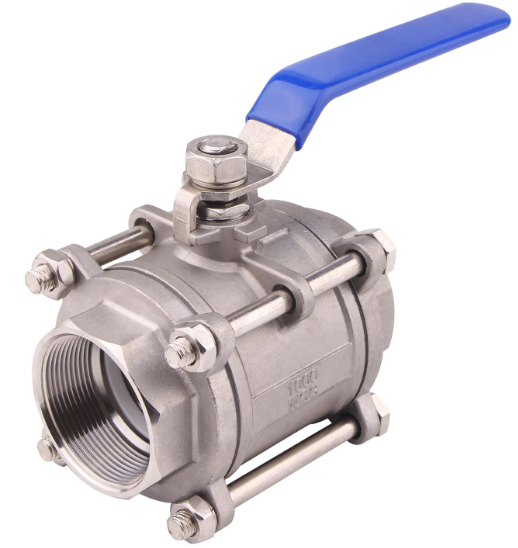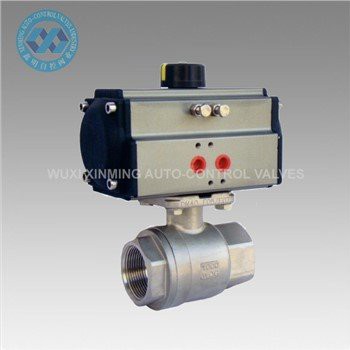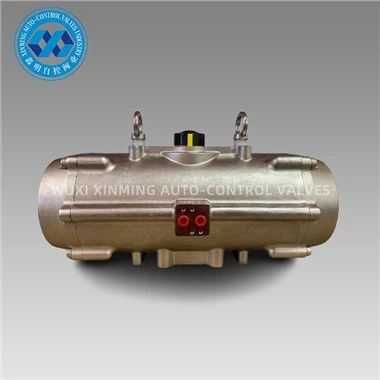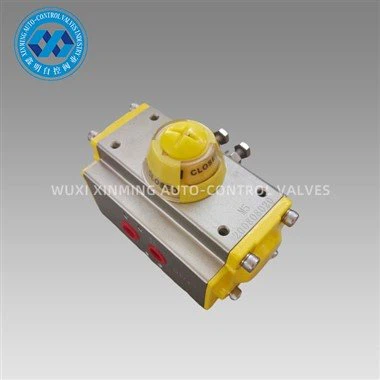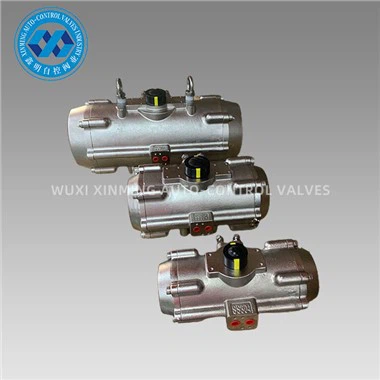
A full port ball valve—also known as a full bore ball valve—is a high-performance flow control device widely used in pipelines where maximum fluid capacity and minimal pressure loss are required. Unlike standard or reduced-port ball valves, a full port ball valve features a bore diameter equal to the pipeline size, allowing unrestricted media flow. This makes it a preferred choice across industries such as oil & gas, chemical processing, water treatment, HVAC, and industrial automation.
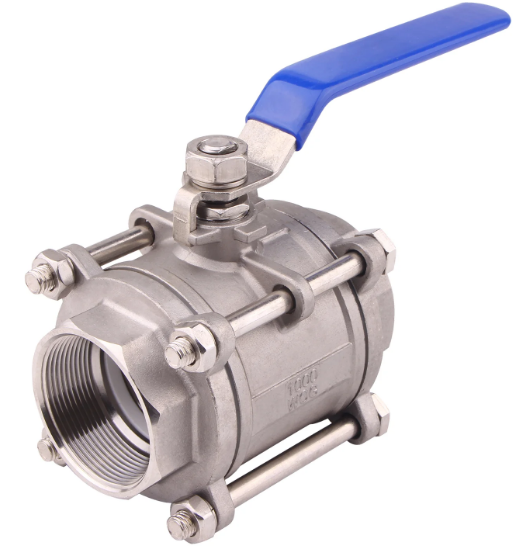
What Is a Full Port Ball Valve?
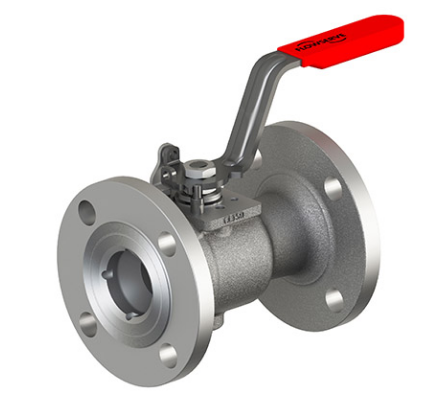
A full port ball valve is a quarter-turn shut-off valve designed with a ball opening matching the pipe’s internal diameter. When the valve is fully open, fluid can pass through without throttling or turbulence. This ensures lower friction loss, higher flow efficiency, and enhanced system performance, especially in critical applications involving viscous or high-flow media.
Key characteristics:
| Parameter | Full Port Ball Valve Specification |
|---|---|
| Port size | Same as pipeline internal diameter |
| Pressure drop | Extremely low |
| Flow passage | Unrestricted, non-turbulent |
| Operation | Quarter-turn manual or automated |
| Applications | Industrial & commercial pipelines |
How Does a Full Port Ball Valve Work?
The working principle of a full port ball valve is simple yet highly reliable:
-
A solid spherical ball with a through-hole controls the flow.
-
When rotated 90 degrees, the ball either aligns with or blocks the flow path.
-
The unobstructed bore design ensures optimal flow when fully opened.
-
Soft or metallic seats seal tightly when closed, providing zero leakage.
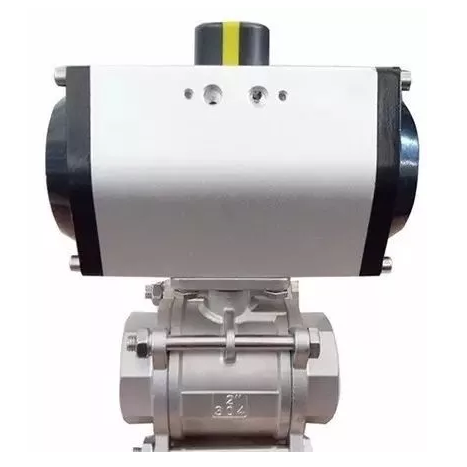
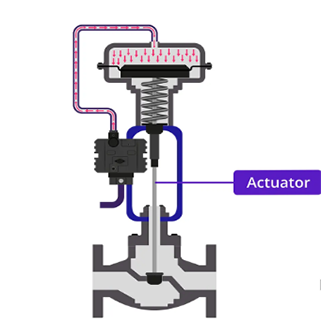
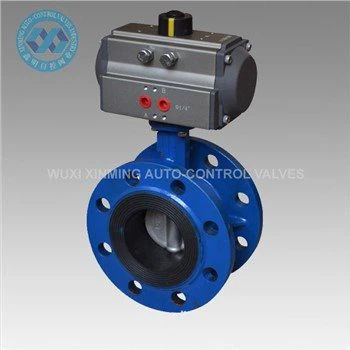
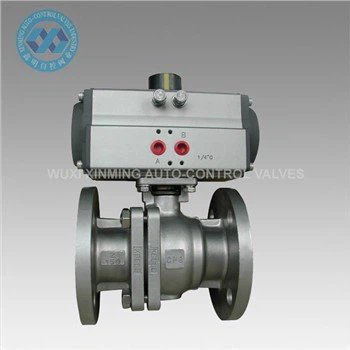
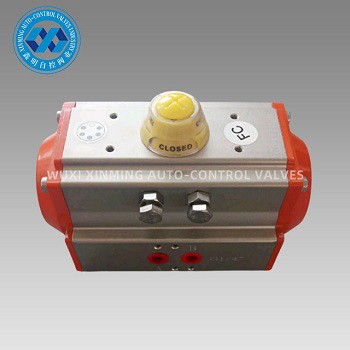
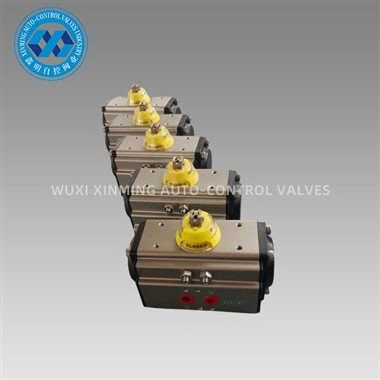
Its operation can be manual (lever-operated) or automated with electric, pneumatic, or hydraulic actuators to support remote and continuous control.
Advantages of Full Port Ball Valves
The use of a full port ball valve brings numerous performance benefits:
✔ Full Bore Flow
Allows 100% flow capacity without restricting medium passage.
✔ Minimal Pressure Drop
Ideal for long distance piping systems with high-flow requirements.
✔ Reduced Wear & Longer Service Life
Less turbulence means less erosion on valve internals.
✔ Easy Operation & Maintenance
Quarter-turn operation and simple structure reduce downtime.
✔ Suitable for Solid, Viscous & Slurry Media
Large flow channel prevents clogging and particle accumulation.
Common Materials and Design Options
Full port ball valves are available in various materials depending on operating conditions:
-
Stainless Steel (304/316): Corrosion-resistant, ideal for chemical and food industries
-
Carbon Steel: Suitable for oil, gas, and high-temperature media
-
Brass: Cost-effective for commercial water and HVAC systems
-
PVC/CPVC: Lightweight, corrosion-proof, ideal for water treatment and non-corrosive fluids
Optional features include:
-
Fire-safe design
-
Anti-blowout stem
-
Lockable handle
-
PTFE or reinforced seats
-
ISO mounting pad for actuator automation
Industrial Applications of Full Port Ball Valves
A full port ball valve is commonly used where consistent full-flow performance is critical:
-
Oil & gas transmission pipelines
-
Petrochemical & chemical processing plants
-
Industrial water treatment systems
-
Steam, gas, and compressed air lines
-
Food & beverage hygienic piping
-
Pharmaceutical fluid control
-
Slurry and abrasive fluid pipelines
Its reliability and durability make it one of the most widely applied valves in modern industries.
Selecting the Right Full Port Ball Valve
When choosing a full port ball valve, consider the following factors:
| Selection Factors | Importance |
|---|---|
| Valve size & connection type (threaded, flanged, welded) | Ensures pipeline compatibility |
| Pressure & temperature rating | Influences safety & durability |
| Body & seat materials | Must match media characteristics |
| Actuation method | Manual or automated control |
| Certification requirements | API, ISO, CE depending on application |
Proper selection guarantees optimal performance, longer lifespan, and reduced maintenance costs.
Conclusion
A full port ball valve offers high flow capacity, minimal pressure loss, and excellent sealing performance, making it essential for industrial and commercial fluid control systems. Whether you’re operating in oil & gas pipelines, chemical processing, or water systems, choosing a full port ball valve ensures efficiency, reliability, and long-term value.
If you want to learn more about low-priced products, please visit the following website: www.xm-valveactuator.com