A resilient seated butterfly valve is one of the most commonly used flow-control devices across water treatment, HVAC, chemical processing, and general industrial pipelines. Known for its flexible seat design, leak-tight sealing, and cost-effective performance, this valve type provides reliable shut-off and throttling in low to medium pressure systems. This article explains what a resilient seated butterfly valve is, its working principle, key features, advantages, material options, and essential selection guidelines.
What Is a Resilient Seated Butterfly Valve?
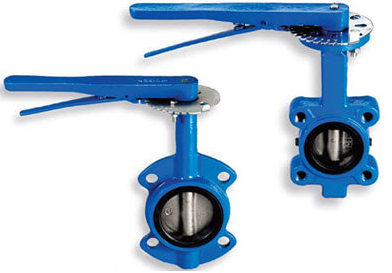
A resilient seated butterfly valve (also called an elastomer-lined butterfly valve) is a quarter-turn valve that uses a soft, flexible seat—typically made of EPDM, NBR, or other elastomers—to achieve zero leakage sealing. The valve consists of a circular disc mounted on a shaft, which rotates 90 degrees to control the fluid flow.
The resilient seat provides tight sealing even in applications with slight pipe misalignment, making it ideal for water distribution, wastewater treatment, and general-purpose industrial processes.
How Does a Resilient Seated Butterfly Valve Work?
The operation of a resilient seated butterfly valve is straightforward:
-
Open Position – The disc rotates parallel to the fluid flow, minimizing obstruction.
-
Throttling Position – Partial rotation allows precise flow regulation.
-
Closed Position – The disc compresses into the elastomer seat to form a bubble-tight seal.
Thanks to the resilient seat design, these valves deliver excellent sealing performance even in low-pressure systems.
Key Features of a Resilient Seated Butterfly Valve
Resilient seated butterfly valves offer several performance-enhancing features:
✔ Bubble-Tight Sealing
The flexible elastomer seat ensures zero leakage, meeting or exceeding industry standards.
✔ Corrosion Resistance
The seat and body lining protect the valve body from contact with corrosive media.
✔ Simplified Maintenance
The seat is often replaceable, allowing easy maintenance and long service life.
✔ Low Torque Operation
Soft sealing reduces friction between the disc and seat, lowering operational torque.
✔ Versatile Installation
Wafer and lug-style configurations allow installation between various flange types.
✔ Excellent Value
Resilient seated butterfly valves offer a lower cost compared to high-performance or metal-seated valves.
Common Materials for Resilient Seated Butterfly Valves
A key benefit of resilient seated valves is the variety of materials available:
Valve Body Materials
- Ductile iron
- Cast iron
- Stainless steel
- PVC or other thermoplastics
Disc Options
- Stainless steel
- Ductile iron with epoxy coating
- Aluminum bronze
- Nylon-coated discs
Seat Materials
- EPDM: excellent for water and wastewater
- NBR (Nitrile): suitable for oils and fuels
- Viton: resistant to chemicals and high temperatures
- Silicone: used for food and pharmaceutical applications
These material choices make the resilient seated butterfly valve suitable for a wide range of industrial media.
Types of Resilient Seated Butterfly Valves
1. Wafer Type Resilient Seated Butterfly Valve
- Fits between two flanges
- Most common configuration
- Suitable for general pipelines
2. Lug Type Resilient Seated Butterfly Valve
- Features threaded lugs for secure installation
- Can be used for dead-end service
- Ideal for maintenance-intensive systems
3. Flanged Resilient Seated Butterfly Valve
- Robust connection for larger pipe diameters
- Often used in municipal water systems
Advantages of Resilient Seated Butterfly Valves
Resilient seated butterfly valves provide many operational benefits:
- Zero leakage performance
- Low cost and lightweight design
- Fast quarter-turn operation
- Reduced installation and maintenance costs
- Suitable for large-diameter pipelines
- Effective throttling and shut-off capability
These advantages make them a preferred choice for municipal, industrial, and commercial applications.
Applications of Resilient Seated Butterfly Valves
Typical applications include:
- Drinking water and wastewater treatment
- Irrigation and agricultural systems
- HVAC and cooling tower loops
- Fire protection systems
- Chemical and petrochemical pipelines
- Food & beverage process lines
- Marine and shipboard systems
Their reliability and versatility make them an industry standard for low- to medium-pressure flow control.
How to Select the Right Resilient Seated Butterfly Valve
When selecting a resilient seated butterfly valve, consider:
1. Seat Material Compatibility
Match elastomer type with fluid characteristics (water, oil, chemicals, temperature).
2. Pressure and Temperature Range
Check the valve’s pressure rating (PN10, PN16, Class 150, etc.) and temperature limits.
3. Disc and Body Material
Ensure durability and corrosion resistance for the media and environment.
4. Connection Type
Choose wafer, lug, or flanged based on pipeline requirements.
5. Actuation Style
Options include:
- Manual (lever or handwheel)
- Electric actuators
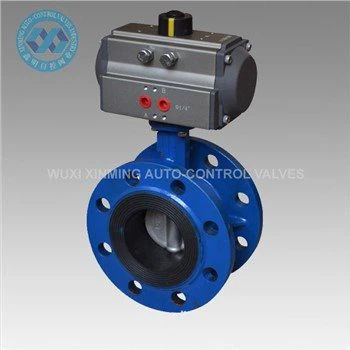
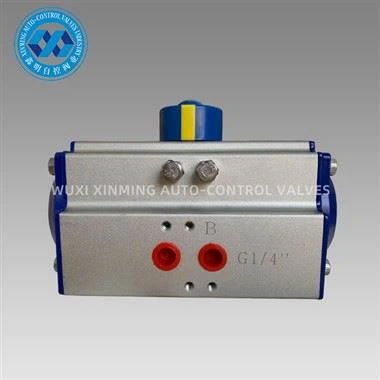
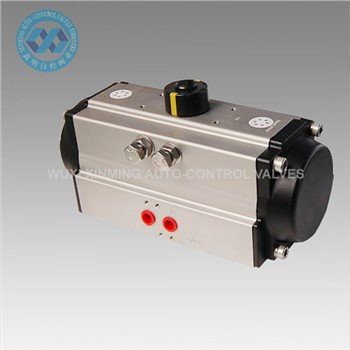
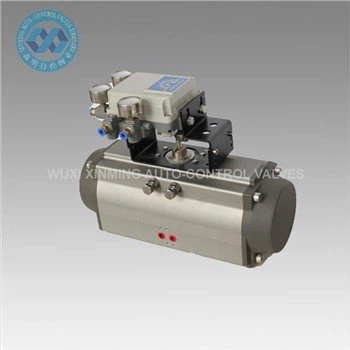
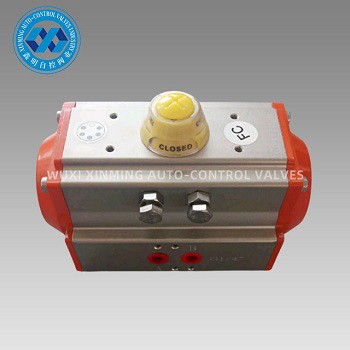
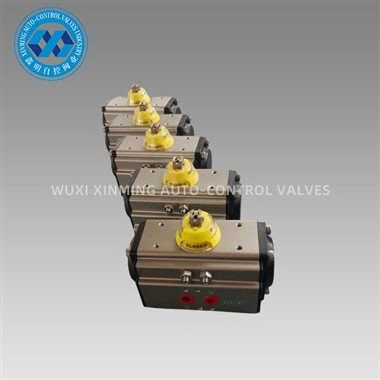
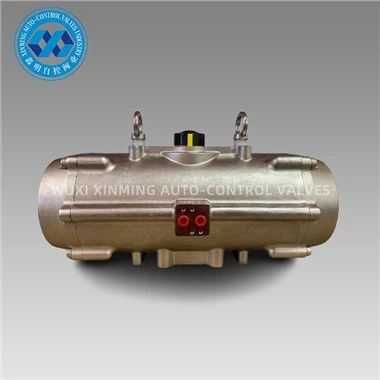
- Pneumatic actuators
6. Maintenance Requirements
Select a design with a replaceable seat for easier servicing.
Conclusion
A resilient seated butterfly valve is an essential component in modern fluid-control systems due to its zero-leakage sealing, low torque operation, and cost-effective design. Whether used in water treatment plants, HVAC systems, or process industries, these valves deliver reliable performance and long service life. By choosing the right materials, connection type, and actuation method, engineers can ensure optimal system efficiency and durability.
If you want to learn more about low-priced products, please visit the following website: www.xm-valveactuator.com