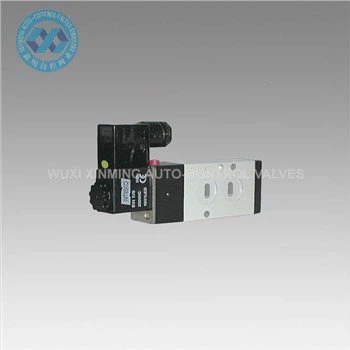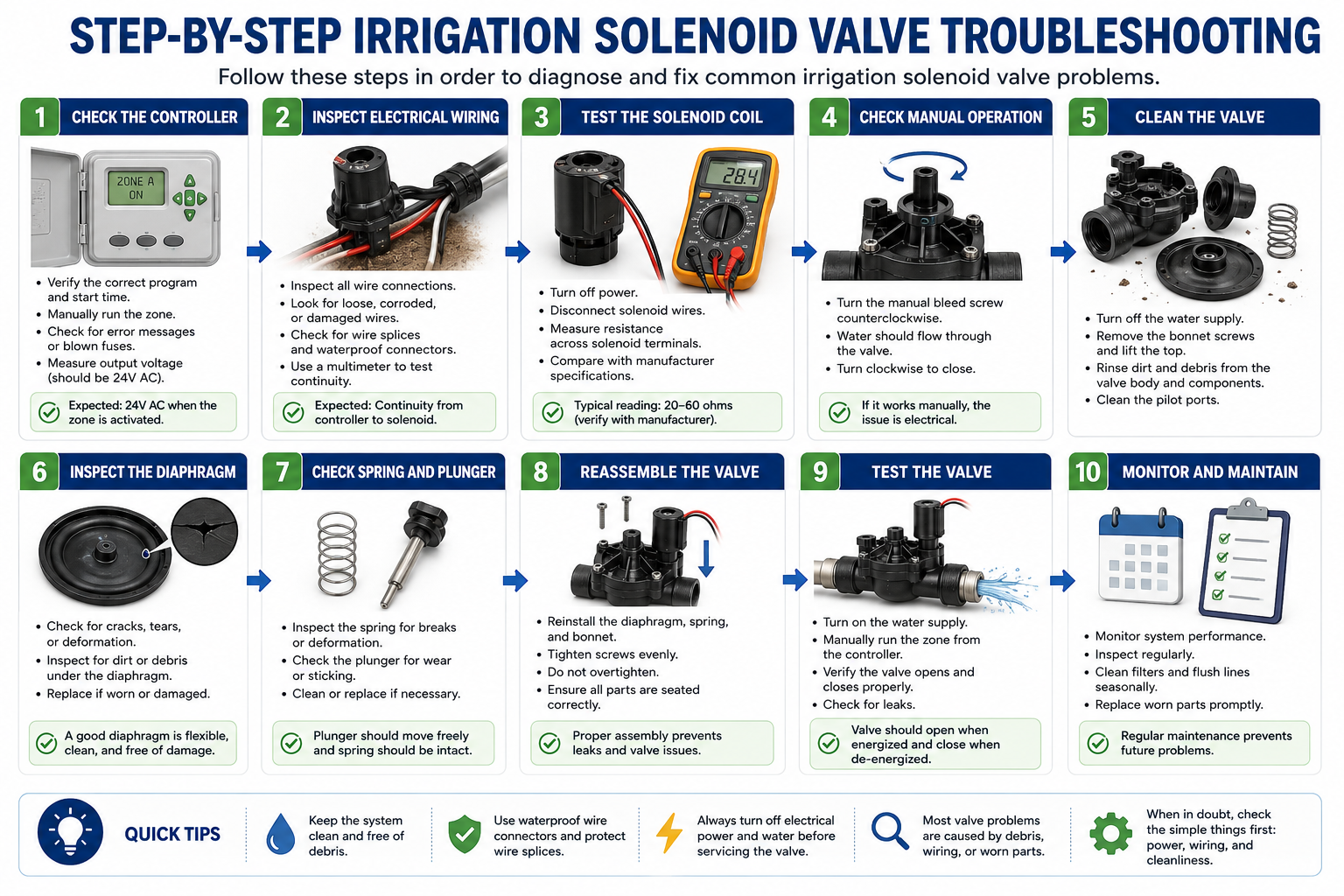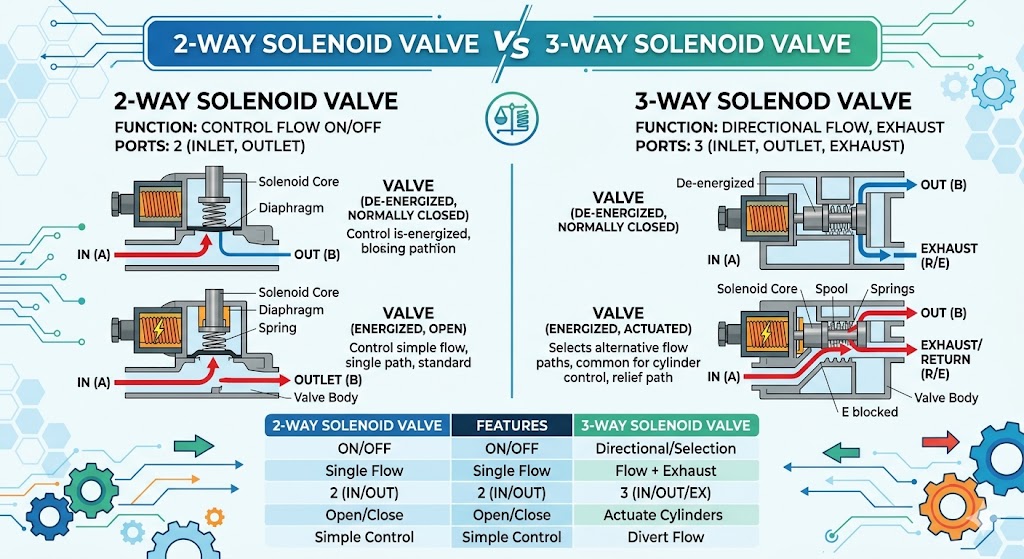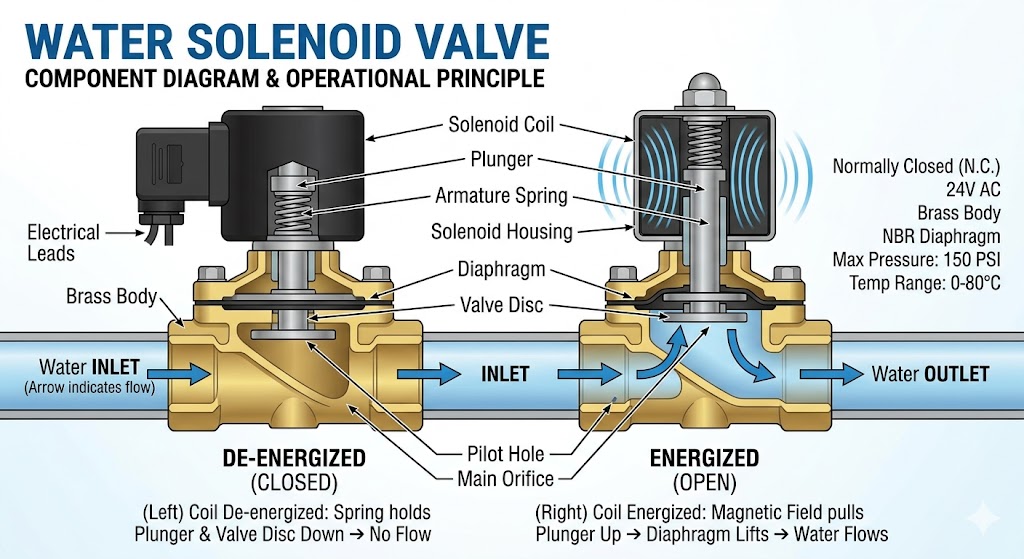
A malfunctioning solenoid valve can bring an entire production line to a halt or disrupt critical fluid control systems. Whether you are dealing with an industrial pneumatic system, an irrigation setup, or a hydraulic machine, the symptoms are often the same: the valve won't open, it won't close, or it’s making a strange buzzing noise.
The good news? Most solenoid valve issues fall into a few predictable categories. This guide covers the essential solenoid valve troubleshooting steps to help you identify the root cause—be it electrical or mechanical—and get your system running again safely.
Safety First: Before You Start
Before attempting any troubleshooting or maintenance, strictly adhere to these safety protocols:
-
Disconnect Power: Ensure the electrical supply to the valve is completely turned off to prevent shock.
-
Depressurize the System: Never open a valve that is under pressure. Bleed the line to zero pressure.
-
Cool Down: Solenoid coils can get extremely hot during operation. Allow the unit to cool before touching.
1. The Valve Will Not Open
This is the most common issue. When you energize the system, nothing happens. This can be caused by either an electrical failure (the coil) or a mechanical jam.
Check the Power Supply and Coil
-
Voltage Check: Use a multimeter to ensure the correct voltage (and frequency) is reaching the coil. A 24V DC coil will not operate on a 12V supply.
-
Coil Continuity: If voltage is present but the valve doesn't click, the coil may be burnt out. Disconnect the coil and measure its resistance (Ohms). An infinite reading (∞) indicates an open circuit (burnt coil) that needs replacement.
Check for Mechanical Issues
-
Pressure Differential: Pilot-operated valves require a minimum pressure differential (e.g., 0.5 bar) to open. If your system pressure is too low, the pilot port cannot lift the diaphragm.
-
Debris and Dirt: Sediment or rust can jam the armature (plunger). Disassemble the valve and clean the core tube.
2. The Valve Will Not Close
A valve that is stuck open is dangerous and wasteful. This is almost exclusively a mechanical issue.
-
Debris in the Orifice: This is the #1 cause. A small piece of Teflon tape, rust, or dirt can get trapped between the diaphragm/seal and the orifice seat, preventing a tight seal. Solution: Disassemble, clean carefully, and flush the lines.
-
Damaged Diaphragm or Spring: Inspect the diaphragm for tears. Also, check the return spring; if it is broken or fatigued, it cannot push the armature back to the closed position.
-
Residual Magnetism: Rarely, the armature may stay magnetized even after power is cut. Lift the coil slightly; if the valve snaps shut, the issue might be magnetic stickiness or the armature tube needs replacement.
3. The Valve makes a Buzzing or Humming Noise
While a soft "click" is normal upon activation, a loud humming (AC hum) or chattering noise indicates a problem.
-
AC Voltage Issues: This is common in Alternating Current (AC) coils. It often means the voltage is slightly too low, or the frequency is incorrect.
-
Dirty Pole Face: In AC valves, the shading ring and the pole face must be clean. Even a layer of dust can prevent the armature from seating flat against the fixed core, causing vibration (humming).
-
Loose Components: Ensure the nut holding the coil on top of the stem is tight. A loose coil will vibrate against the casing.
4. External Leakage
Leaking fluid around the valve body (not through the pipe) is usually a seal failure.
-
O-Ring Failure: Check the O-rings between the valve body and the bonnet/tube. They may be dried out, cracked, or chemically attacked by the fluid.
-
Thread Leaks: If the leak is at the port connections, ensure you are using the correct thread sealant (like PTFE tape) and that the threads are not cross-threaded.
Quick Reference Troubleshooting Matrix
| Symptom | Potential Cause | Recommended Action |
| Valve won't open | Burnt Coil / No Power | Check voltage & resistance with multimeter. |
| High Differential Pressure | Check system specs; replace with Direct Acting valve if pressure is near 0. | |
| Valve won't close | Dirt in Orifice | Disassemble and clean internal parts. |
| Broken Spring | Replace the spring or the armature assembly. | |
| Buzzing Noise | Low Voltage | Check power supply stability. |
| Broken Shading Ring | Replace the coil or armature assembly. |
Preventative Maintenance Tips
To avoid future "solenoid valve troubleshooting" sessions, follow these best practices:
-
Install a Strainer: Always place a Y-strainer or filter upstream of the solenoid valve to catch debris.
-
Mount Upright: While many valves can work in any orientation, mounting the coil vertically (upright) reduces the risk of sediment settling in the armature tube.
-
Match the Media: Ensure your seal materials (NBR, EPDM, Viton) are compatible with the fluid to prevent swelling or corrosion.
Conclusion
Troubleshooting a solenoid valve doesn't have to be a guessing game. By systematically checking the electrical input (coil) and the mechanical integrity (diaphragm and orifice), you can solve 90% of failures on-site.
If you want to learn more about low-priced products, please visit the following website: www.xm-valveactuator.com