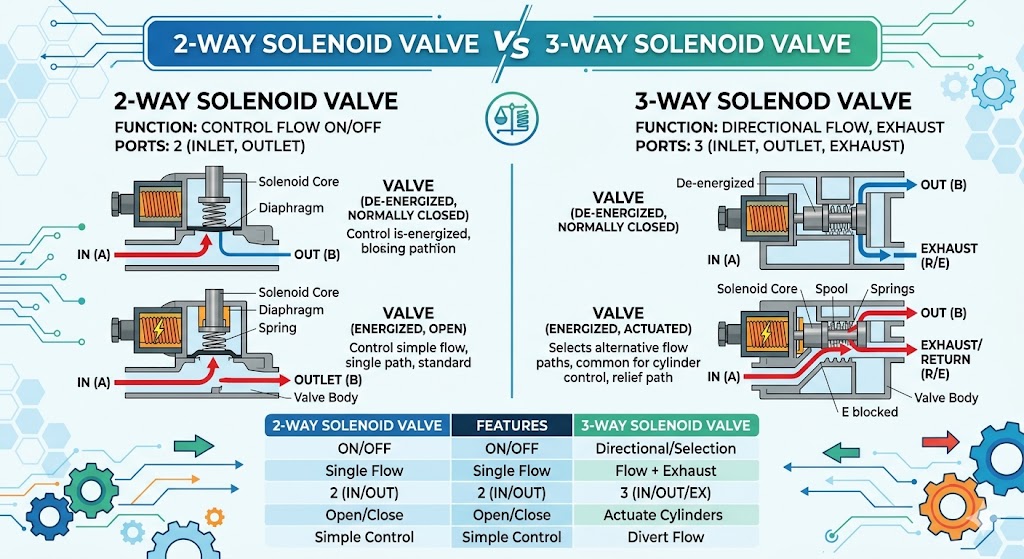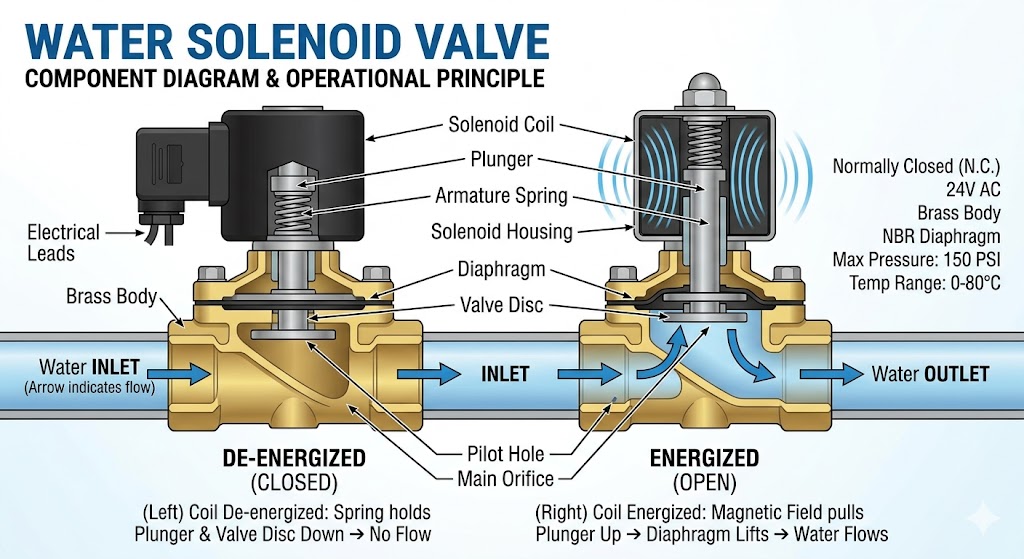
In industrial fluid control systems, selecting the right valve actuator directly impacts operational efficiency, lifecycle cost, and system reliability. Two of the most widely used automated solutions are the motorized ball valve (electric ball valve) and the pneumatic ball valve.
This article provides a comprehensive cost and performance analysis of motorized ball valves vs pneumatic ball valves, helping engineers, procurement managers, and plant operators make informed decisions.
1. What Is a Motorized Ball Valve?
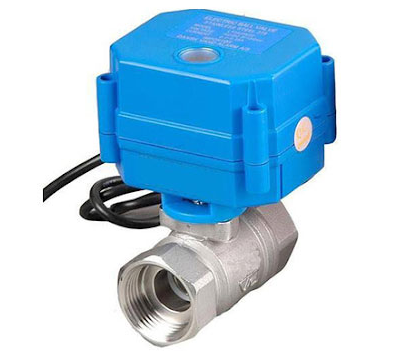
A motorized ball valve, also known as an electric ball valve, uses an electric actuator to rotate the ball 90° to open or close the valve. The actuator converts electrical energy into mechanical torque.
Key Features:
- Powered by AC or DC electricity
- Available in on/off and modulating control
- High positioning accuracy
- Compact design
- Suitable for remote and automated systems
Motorized ball valves are widely used in HVAC systems, water treatment plants, power stations, and industrial automation applications.
2. What Is a Pneumatic Ball Valve?
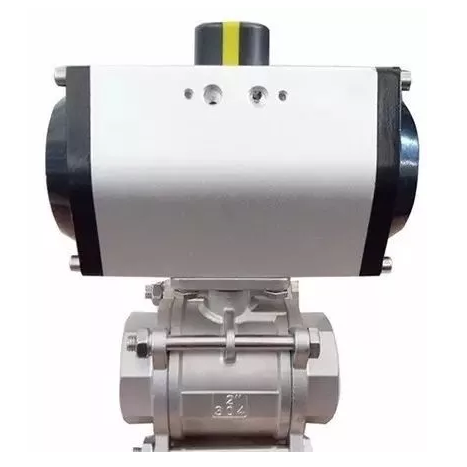
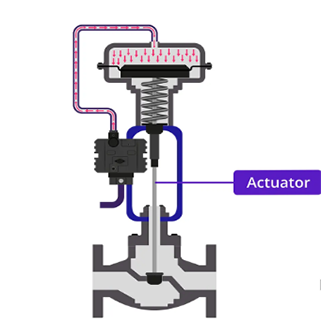
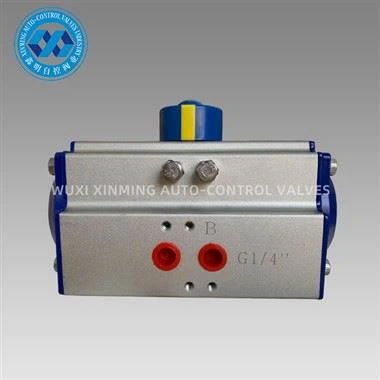
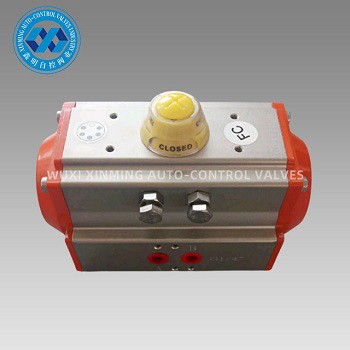
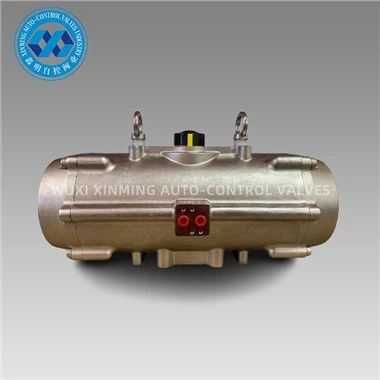
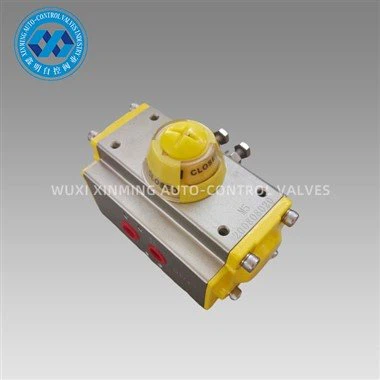
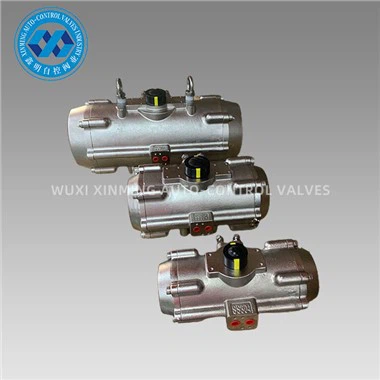
A pneumatic ball valve uses compressed air to drive a pneumatic actuator (rack and pinion or scotch yoke type), rotating the ball for flow control.
Key Features:
- Air-powered operation
- Fast response time
- High torque output
- Suitable for hazardous environments
- Explosion-proof capability
Pneumatic ball valves are commonly used in oil & gas, chemical processing, petrochemical plants, and high-cycle industrial applications.
3. Initial Cost Comparison
3.1 Equipment Cost
| Component | Motorized Ball Valve | Pneumatic Ball Valve |
|---|---|---|
| Valve Body | Similar cost | Similar cost |
| Actuator | Higher cost | Lower cost |
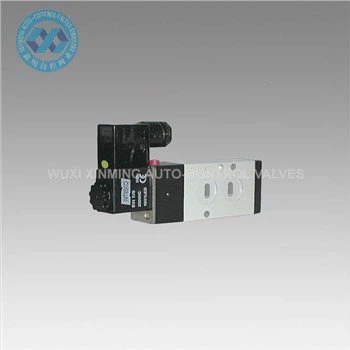
| Accessories | Minimal | Requires solenoid valve, air filter regulator, tubing |
| Air Compressor | Not required | Required (if not already installed) |
Conclusion (Initial Investment):
- If a plant already has a compressed air system → Pneumatic valves are generally more cost-effective.
- If no air supply is available → Motorized valves may have a lower total installation cost.
4. Operating Cost Analysis
4.1 Energy Consumption
- Motorized Ball Valve: Consumes electricity only during operation (most models draw power only while opening/closing).
- Pneumatic Ball Valve: Requires continuous compressed air system operation, which increases plant energy consumption.
Compressed air systems are often less energy-efficient due to:
- Air leakage
- Compressor heat loss
- Maintenance requirements
Winner (Energy Efficiency): Motorized Ball Valve
4.2 Maintenance Cost
| Factor | Motorized Valve | Pneumatic Valve |
|---|---|---|
| Moving Parts | Moderate | Simple |
| Air System Maintenance | Not applicable | Required |
| Electrical Components | Sensitive to moisture | Minimal |
| Lifecycle | Long (proper environment) | Very long in harsh conditions |
Pneumatic systems require:
- Regular filter replacement
- Air dryer maintenance
- Leak inspection
Electric actuators may require:
- Motor or PCB replacement after long-term use
In harsh industrial environments, pneumatic valves often show lower failure rates.
5. Performance Comparison
5.1 Speed of Operation
- Pneumatic ball valve: Extremely fast (milliseconds to seconds)
- Motorized ball valve: Slower (typically 5–30 seconds)
Winner (Speed): Pneumatic Ball Valve
5.2 Torque Output
Pneumatic actuators typically provide:
- Higher torque-to-size ratio
- Better performance for large-diameter valves
Electric actuators:
- May require larger motor size for high torque
- Torque limited by motor capacity
Winner (High Torque Applications): Pneumatic Ball Valve
5.3 Control Accuracy
Motorized valves offer:
- Precise positioning control
- Better modulation capability
- Integrated feedback systems (4–20mA, 0–10V)
Pneumatic valves:
- Require positioners for precise modulation
- Slightly less precise without advanced accessories
Winner (Precision Control): Motorized Ball Valve
5.4 Safety and Hazardous Areas
Pneumatic valves:
- Naturally explosion-proof
- No spark risk
- Ideal for ATEX environments
Motorized valves:
- Require explosion-proof housing
- Higher certification cost
Winner (Hazardous Areas): Pneumatic Ball Valve
6. Reliability in Different Environments
| Environment | Recommended Type |
|---|---|
| Indoor / Controlled | Motorized Ball Valve |
| Outdoor / High Humidity | Pneumatic Ball Valve |
| High Temperature | Pneumatic |
| Dusty / Explosive | Pneumatic |
| Smart Automation Systems | Motorized |
7. Total Cost of Ownership (TCO)
When evaluating motorized vs pneumatic ball valves, consider:
Motorized Ball Valve TCO Factors:
- Higher actuator purchase price
- Lower energy cost
- Minimal auxiliary equipment
- Simple wiring installation
Pneumatic Ball Valve TCO Factors:
- Lower actuator price
- Higher compressed air energy cost
- Additional maintenance
- Superior durability in harsh conditions
General TCO Conclusion:
- For small systems without compressed air → Motorized ball valves are more economical.
- For large industrial plants with central air systems → Pneumatic ball valves are typically more cost-effective long-term.
8. Application-Based Recommendation
Choose a Motorized Ball Valve If:
- No compressed air system is available
- Precise flow modulation is required
- Energy efficiency is a priority
- Installation space is limited
- Smart control integration is needed
Choose a Pneumatic Ball Valve If:
- Fast cycling is required
- High torque output is necessary
- Operating in explosive or hazardous environments
- Plant already has compressed air infrastructure
- Long-term heavy-duty industrial operation
9. Industry Examples
- HVAC Systems → Motorized Ball Valves
- Water Treatment Plants → Motorized or Pneumatic (depending on scale)
- Oil & Gas Pipelines → Pneumatic Ball Valves
- Chemical Processing Plants → Pneumatic Ball Valves
- Industrial Automation Lines → Motorized Ball Valves
10. Final Comparison Summary
| Criteria | Motorized Ball Valve | Pneumatic Ball Valve |
|---|---|---|
| Initial Cost | Higher | Lower |
| Operating Cost | Lower | Higher |
| Speed | Moderate | Fast |
| Torque | Moderate | High |
| Precision | Excellent | Good (with positioner) |
| Explosion-Proof | Requires certification | Naturally safe |
| Maintenance | Low | Moderate |
Final Verdict
There is no universal winner in the motorized ball valve vs pneumatic ball valve debate. The optimal choice depends on:
- Plant infrastructure
- Control requirements
- Safety standards
- Budget constraints
- Environmental conditions
For smart, energy-efficient systems with precise control requirements, motorized ball valves are often the better choice.