Introduction
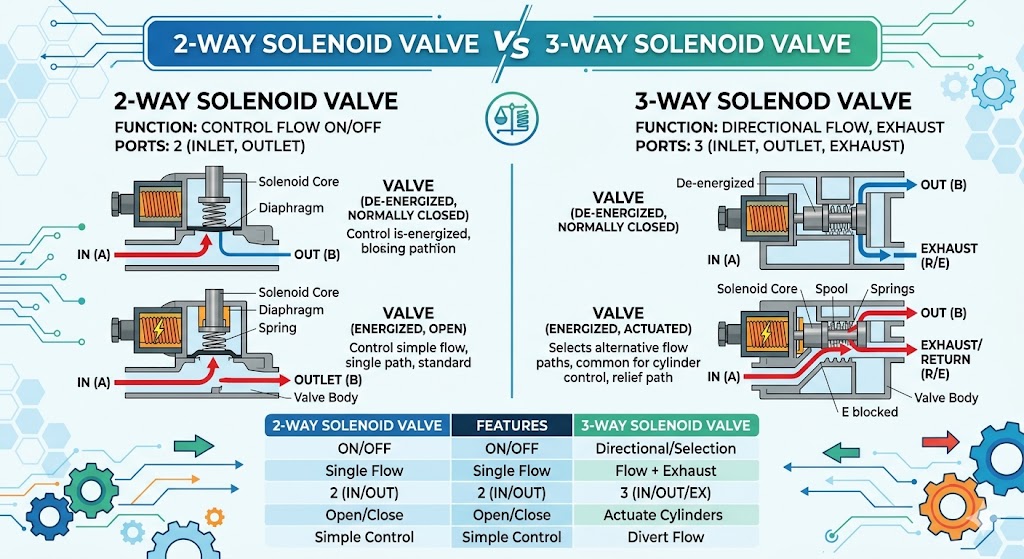
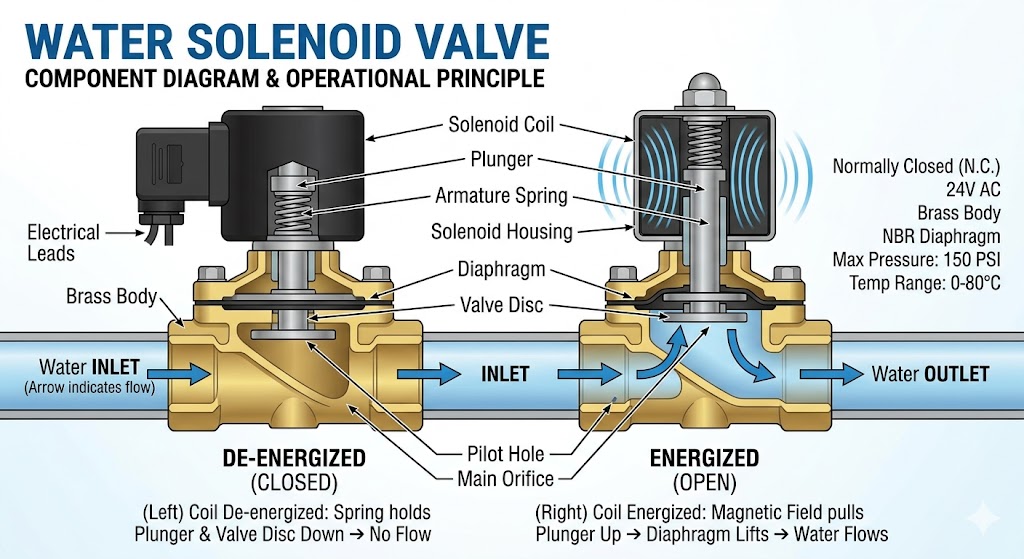
Selecting the right pneumatic actuator materials is essential for ensuring long-term durability, safety, and performance in industrial automation systems. Among the most widely used materials for actuator housings are aluminum and stainless steel. Each material offers distinct advantages depending on environmental conditions, industry requirements, and budget considerations.
This comprehensive guide compares aluminum pneumatic actuators vs. stainless steel pneumatic actuators to help engineers, procurement specialists, and plant managers make informed decisions.
Why Material Selection Matters in Pneumatic Actuators
The housing material of a pneumatic actuator directly impacts:
- Corrosion resistance
- Structural strength
- Weight and installation flexibility
- Temperature tolerance
- Maintenance frequency
- Overall service life
Choosing the wrong industrial pneumatic actuator housing can lead to premature wear, leakage, and costly downtime—especially in demanding environments.
Aluminum Pneumatic Actuators
Overview
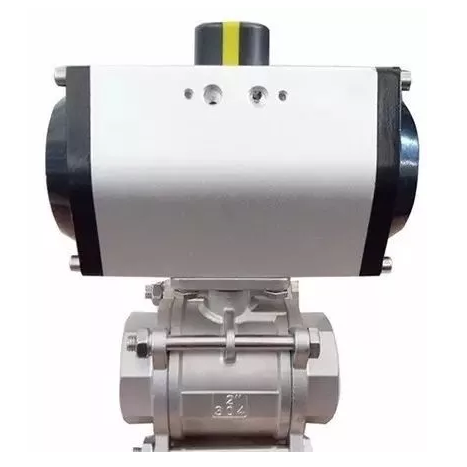
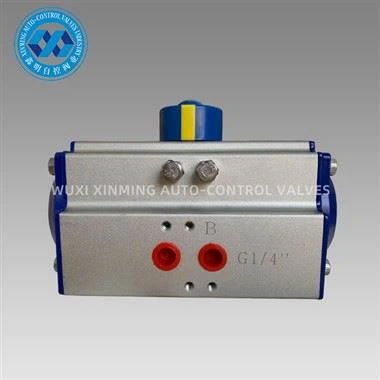
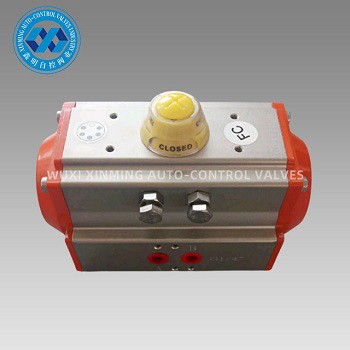
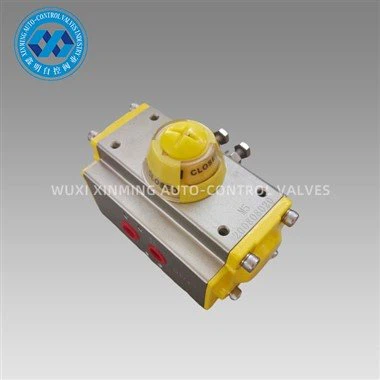
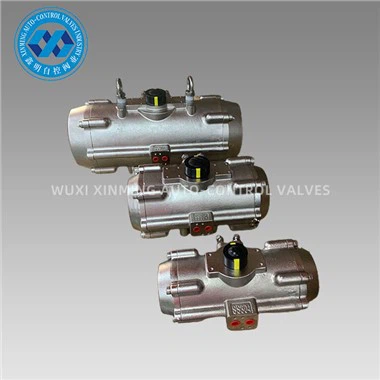
An aluminum pneumatic actuator typically features an extruded aluminum body with hard anodized surface treatment. This design provides a strong yet lightweight solution for general industrial use.
Key Advantages
1. Lightweight Construction
Aluminum offers an excellent strength-to-weight ratio. This makes aluminum actuators ideal for skid-mounted systems, automated production lines, and compact valve assemblies.
2. Cost-Effective Solution
Compared to stainless steel, aluminum actuators are generally more affordable, making them suitable for large-scale automation projects.
3. Good Corrosion Resistance
Hard anodizing improves resistance to moisture and mild chemicals, making aluminum suitable for indoor and moderately corrosive environments.
4. Heat Dissipation
Aluminum has high thermal conductivity, which helps stabilize internal components during operation.
Typical Applications
- Water treatment systems
- HVAC automation
- General manufacturing
- Packaging machinery
- Standard industrial valve automation
For most indoor and controlled environments, aluminum remains the preferred material.
Stainless Steel Pneumatic Actuators
Overview
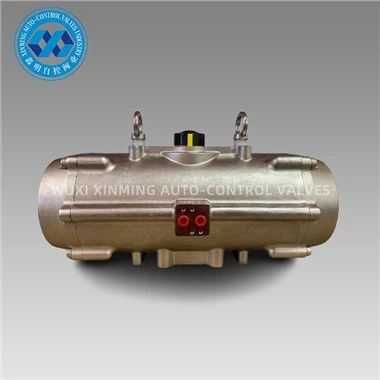
A stainless steel pneumatic actuator is designed for aggressive, corrosive, or hygienic environments where durability and resistance are critical.
Common grades include:
- SS304
- SS316
- SS316L
Key Advantages
1. Superior Corrosion Resistance
Stainless steel provides outstanding protection against saltwater, chemicals, acids, and harsh cleaning agents. It is the preferred material for a corrosion resistant pneumatic actuator.
2. Hygienic and Sanitary Performance
Food, beverage, and pharmaceutical industries often require stainless steel due to strict sanitation standards.
3. High Mechanical Strength
Stainless steel actuators perform well under high pressure and extreme operating conditions.
4. Long Service Life in Harsh Environments
A pneumatic actuator for harsh environments made from stainless steel significantly reduces maintenance and replacement costs.
Typical Applications
- Offshore oil and gas platforms
- Marine environments
- Chemical processing plants
- Pharmaceutical manufacturing
- Food and beverage washdown areas
- Outdoor installations in coastal regions
Aluminum vs. Stainless Steel Pneumatic Actuators
| Feature | Aluminum Pneumatic Actuator | Stainless Steel Pneumatic Actuator |
|---|---|---|
| Weight | Lightweight | Heavier |
| Initial Cost | Lower | Higher |
| Corrosion Resistance | Moderate (anodized) | Excellent |
| Mechanical Strength | Good | Very High |
| Best Environment | Indoor / Mild | Harsh / Corrosive |
| Maintenance | Low | Very Low in aggressive conditions |
How to Choose the Right Pneumatic Actuator Material
1. Evaluate Environmental Exposure
- High humidity, chemicals, or saltwater → Stainless steel
- Controlled indoor environment → Aluminum
2. Consider Industry Regulations
Food, pharmaceutical, and marine industries often require stainless steel for compliance and safety.
3. Analyze Total Cost of Ownership
Although stainless steel has a higher upfront cost, it may offer lower lifecycle expenses in corrosive conditions.
4. Check Weight Limitations
For mobile systems or lightweight equipment, aluminum is often preferred.
5. Match With Valve Body Material
To avoid galvanic corrosion, ensure compatibility between the actuator and valve materials.
Surface Treatments and Coatings
Modern manufacturers enhance actuator durability through:
- Hard anodizing (aluminum)
- Electropolishing (stainless steel)
- Epoxy coatings
- Nickel plating
These treatments improve resistance to wear, corrosion, and chemical exposure.
Industry Trends in Pneumatic Actuator Materials
With growing automation in oil & gas, water treatment, and hygienic industries, demand for corrosion resistant pneumatic actuators continues to increase. Manufacturers are now offering:
- Hybrid designs with coated aluminum
- Fully stainless steel actuator assemblies
- Explosion-proof configurations
- IP67 and IP68-rated actuator housings
Material innovation is playing a key role in improving reliability and reducing downtime.
Conclusion
When comparing aluminum vs. stainless steel pneumatic actuators, there is no one-size-fits-all solution. The best choice depends on environmental conditions, industry requirements, and long-term cost considerations.
- Choose aluminum pneumatic actuators for lightweight, cost-effective solutions in controlled environments.
- Choose stainless steel pneumatic actuators for maximum corrosion resistance, durability, and hygiene in harsh or regulated industries.
By carefully evaluating your application requirements, you can select the optimal pneumatic actuator material to ensure safe, efficient, and long-lasting performance.
If you want to learn more about low-priced products, please visit the following website: www.xm-valveactuator.com