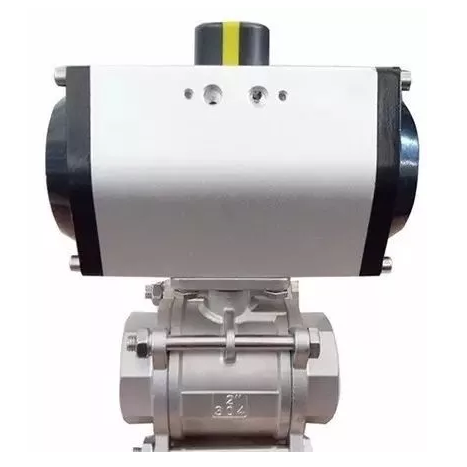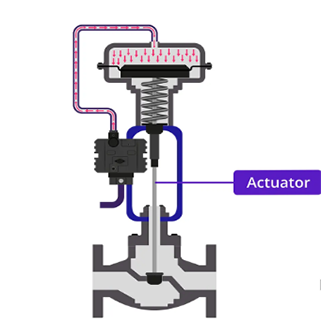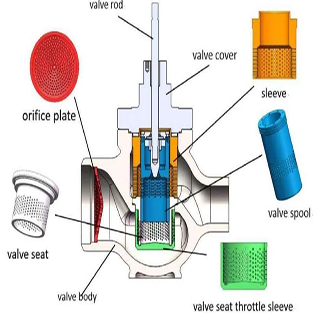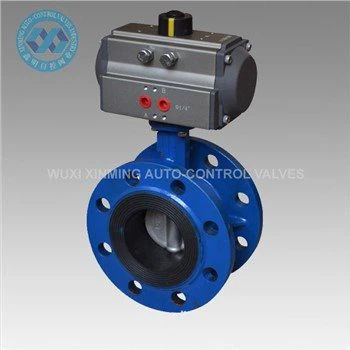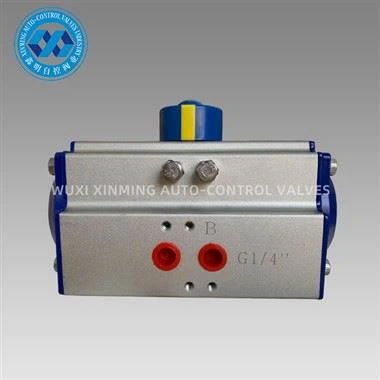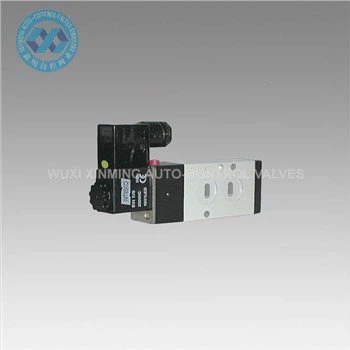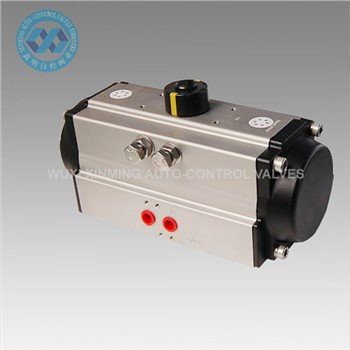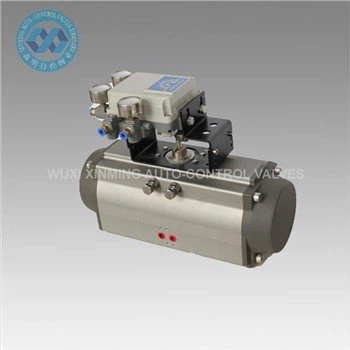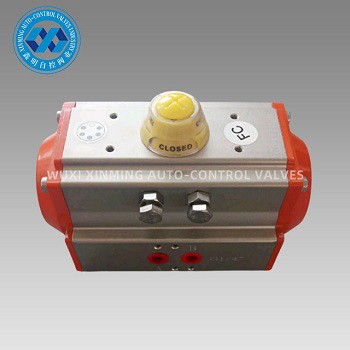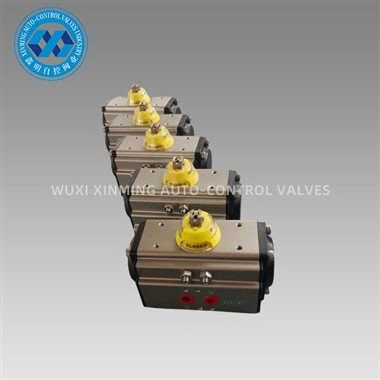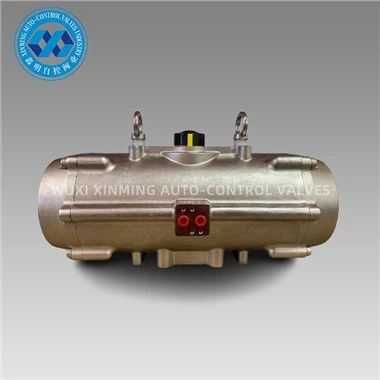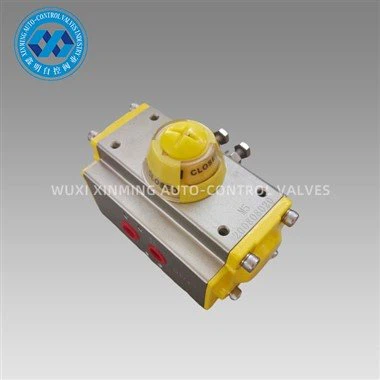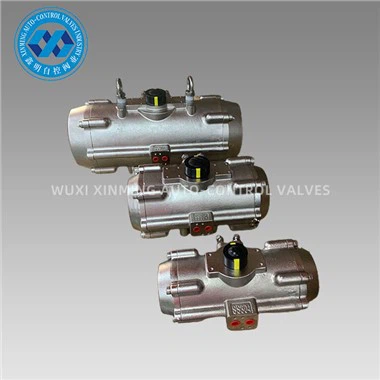
Selecting the correct pneumatic actuator size is critical for reliable valve operation, system efficiency, and long-term performance. An undersized actuator may fail to operate the valve properly, while an oversized actuator can increase costs, air consumption, and mechanical wear. This pneumatic actuator selection guide explains how to choose the right actuator size for your valve based on torque, thrust, pressure, and application requirements.
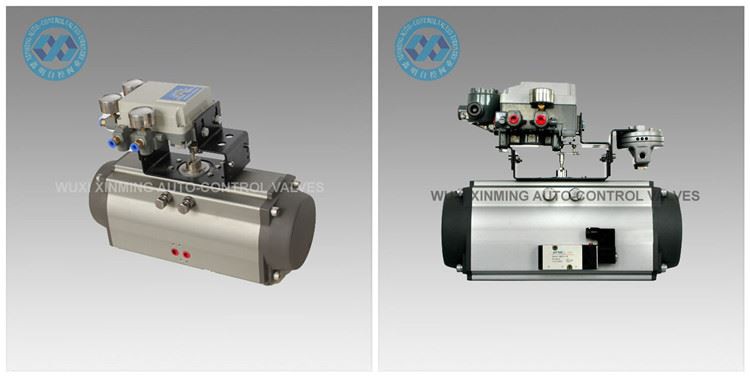
What Is a Pneumatic Actuator?
A pneumatic actuator is a mechanical device that converts compressed air energy into linear or rotary motion to operate a valve. Pneumatic actuators are widely used in industrial automation due to their fast response, simple structure, explosion-proof characteristics, and cost-effectiveness.
Common applications include:
-
Plug valves
-
Control and on-off valve systems
Why Proper Pneumatic Actuator Sizing Matters
Correct actuator sizing ensures:
-
Complete valve opening and closing
-
Stable operation under varying pressure conditions
-
Longer valve and actuator service life
-
Reduced maintenance and energy consumption
Improper sizing can lead to valve stalling, air leakage, seal damage, or unsafe operation.
Step 1: Identify the Valve Type and Size
The first step in pneumatic actuator selection is determining the valve type and nominal size. Different valves require different operating torques or thrust forces.
Typical torque demand by valve type:
-
Ball valve: High breakaway torque
-
Butterfly valve: Torque varies with seat type and pressure
-
Plug valve: Very high initial torque
-
Globe valve: Linear thrust requirement
Larger valve sizes generally require higher actuator output.
Step 2: Determine Required Valve Torque or Thrust
Breakaway Torque vs. Running Torque
When selecting a pneumatic actuator, always consider:
-
Breakaway (seating) torque – maximum torque required to open or close the valve
-
Running torque – torque required during normal operation
The actuator must be sized based on the maximum required torque, not the average value.
Safety Factor
A safety factor is essential to compensate for wear, pressure fluctuations, and environmental conditions.
Recommended safety margins:
-
On-off valves: 25–30%
-
Control valves: 30–50%
-
Severe service or high-cycle applications: 50% or more
Step 3: Check Available Air Supply Pressure
Pneumatic actuators rely on compressed air pressure to generate output force or torque. Common operating pressures include:
-
4 bar (58 psi)
-
5.5 bar (80 psi)
-
6 bar (87 psi)
-
8 bar (116 psi)
Lower air pressure requires a larger actuator to achieve the same output torque. Always size the actuator based on the minimum available air pressure, not the nominal value.
Step 4: Choose the Correct Actuator Type
Double-Acting Pneumatic Actuators
-
Air pressure for both opening and closing
-
Higher output torque
-
Suitable for frequent operation
-
No spring force limitation
Spring Return Pneumatic Actuators
-
Air pressure for one direction, spring for the other
-
Provides fail-safe function (fail-open or fail-close)
-
Lower output torque compared to double-acting types
-
Requires careful spring torque calculation
Spring return actuators must be sized based on the spring end torque, which is usually lower than air-driven torque.
Step 5: Match Actuator Torque Curve with Valve Torque Curve
Valve torque is not constant throughout the stroke. Similarly, actuator output torque varies depending on piston position.
Key consideration:
-
Ensure actuator torque exceeds valve torque at every point of the stroke, especially at:
-
Valve breakaway position
-
Valve seating position
-
For high-performance butterfly valves or high-pressure ball valves, torque curve matching is especially important.
Step 6: Consider Environmental and Application Conditions
External factors can significantly affect actuator sizing:
-
Ambient temperature (affects seals and lubrication)
-
Corrosive or hazardous environments
-
Outdoor installation
-
High cycle frequency
-
Emergency shut-down requirements
In harsh conditions, a larger actuator or higher safety factor is recommended.
Common Pneumatic Actuator Sizing Mistakes
Avoid these frequent errors:
-
Ignoring breakaway torque
-
Using nominal air pressure instead of minimum pressure
-
Neglecting safety margins
-
Oversizing without considering air consumption
-
Not accounting for spring torque in fail-safe actuators
Pneumatic Actuator Selection Example
For a DN100 ball valve:
-
Required breakaway torque: 120 Nm
-
Safety factor: 30%
-
Minimum air pressure: 5 bar
Adjusted torque requirement:
120 Nm × 1.3 = 156 Nm
Select a pneumatic actuator capable of delivering at least 156 Nm at 5 bar.
Final Checklist for Pneumatic Actuator Selection
Before finalizing your actuator size, confirm:
-
Valve type, size, and torque data
-
Breakaway and seating torque values
-
Minimum air supply pressure
-
Actuator type (double-acting or spring return)
-
Required safety factor
-
Environmental conditions
Conclusion
Choosing the right pneumatic actuator size for your valve is a critical step in ensuring safe, efficient, and reliable system operation. By understanding valve torque requirements, air pressure limitations, and actuator performance characteristics, you can confidently select an actuator that meets your application needs while optimizing cost and durability.
If you want to learn more about low-priced products, please visit the following website: www.xm-valveactuator.com