Industrial butterfly valves are essential flow-control components used across a wide range of industries, including water treatment, chemical processing, HVAC, oil & gas, and food & beverage. Known for their compact design, quick operation, and cost-effectiveness, these valves provide reliable shut-off and throttling performance in demanding environments. This article explores what an industrial butterfly valve is, how it works, its main types, key advantages, and important selection factors for engineering applications.
What Is an Industrial Butterfly Valve?
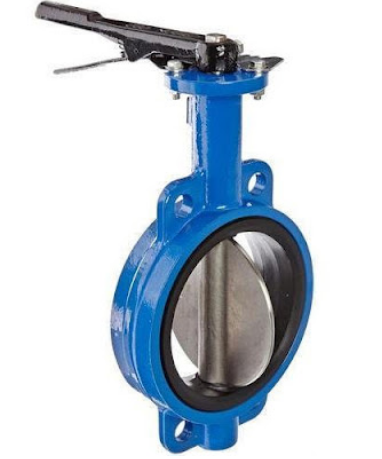
An industrial butterfly valve is a quarter-turn valve designed to regulate or isolate fluid flow within piping systems. It features a circular disc mounted on a rotating shaft. When the disc rotates 90 degrees, it either allows fluid to pass through or blocks the pipeline.
These valves are widely used in medium to large-diameter applications due to their lightweight construction and excellent flow characteristics. Industrial butterfly valves are suitable for handling liquids, gases, slurries, corrosive chemicals, and even high-temperature steam depending on material configuration.
How Does an Industrial Butterfly Valve Work?
The operation of an industrial butterfly valve is simple yet efficient:
-
Open Position – The disc aligns parallel to fluid flow, creating minimal resistance and allowing high flow capacity.
-
Throttling Position – The disc rotates partially to regulate flow rate.
-
Closed Position – The disc turns perpendicular to the flow, sealing against the valve seat to prevent leakage.
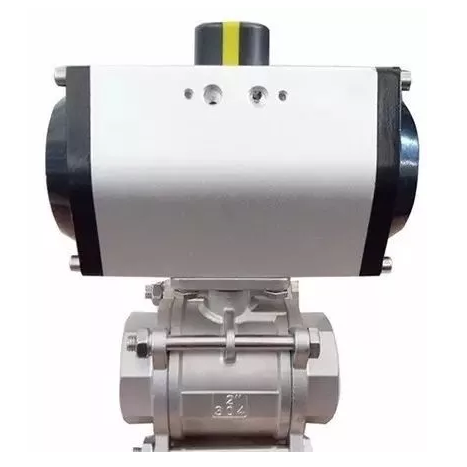
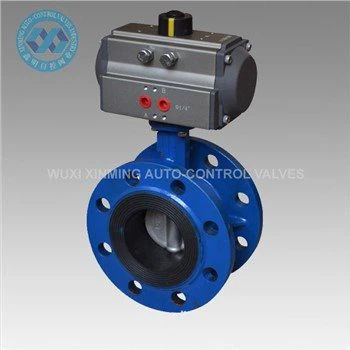
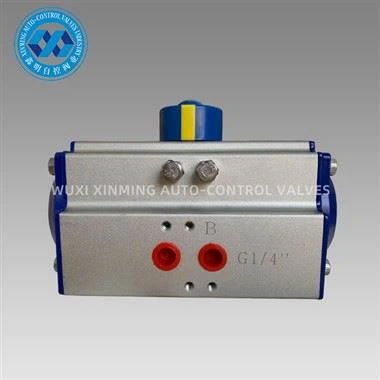
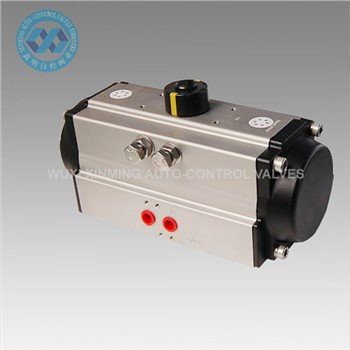
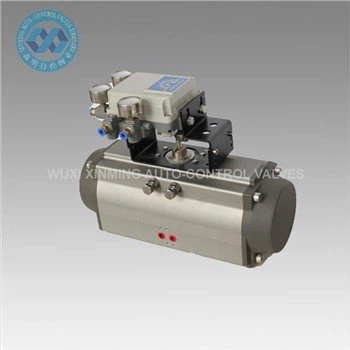
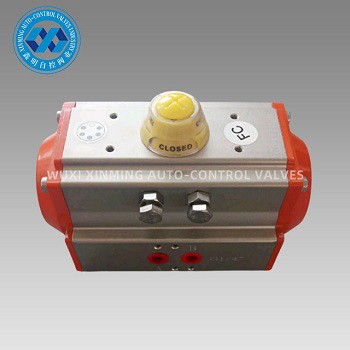
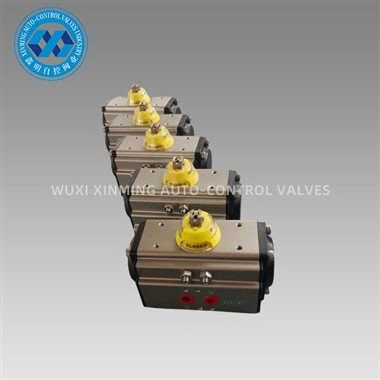
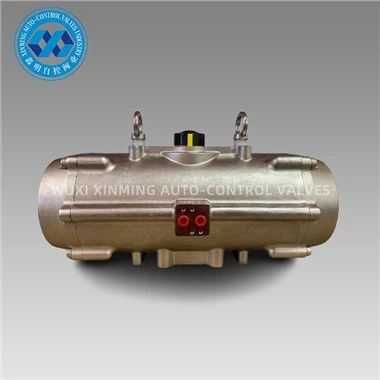
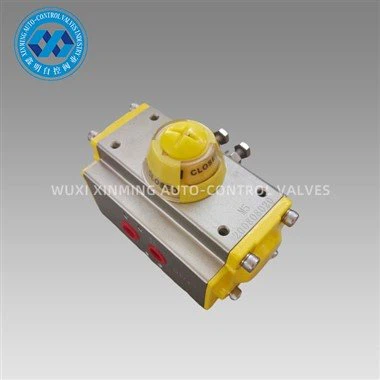
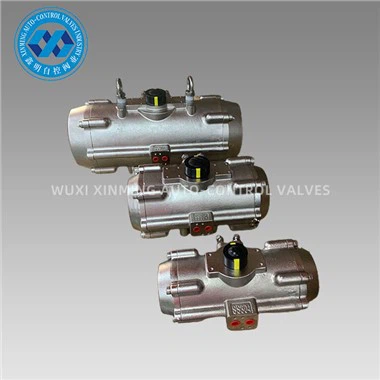
Industrial butterfly valves can be manual, electric actuated, or pneumatically actuated, depending on speed, automation needs, and installation environment.
Types of Industrial Butterfly Valves
Choosing the right valve type is critical for ensuring long-term performance and safety. The most common industrial butterfly valve types include:
1. Wafer Butterfly Valve
-
Lightweight and compact
-
Installed between two flanges using through-bolts
-
Ideal for low-pressure industrial systems
2. Lug Butterfly Valve
-
Features threaded lugs for easy installation and removal
-
Suitable for dead-end service
-
Common in water distribution systems
3. Double Offset (High-Performance) Butterfly Valve
-
Offset shaft design reduces seat friction
-
Handles higher pressure and temperature
-
Used in oil & gas, chemical, and HVAC systems
4. Triple Offset Butterfly Valve (TOV)
-
Metal-to-metal sealing for critical industrial applications
-
Zero leakage and high durability
-
Suitable for high-pressure, high-temperature, and corrosive media
5. Plastic Industrial Butterfly Valve
-
Made of PVC, CPVC, or PVDF
-
Excellent corrosion resistance
-
Common in water treatment and chemical processing
Key Features and Benefits of Industrial Butterfly Valves
Industrial butterfly valves offer several performance benefits:
✔ Compact and Lightweight
These valves require less space and support structure compared to gate or ball valves.
✔ Fast Quarter-Turn Operation
Allows rapid opening and closing—important for emergency shut-off.
✔ Excellent Flow Control
Provides good throttling capabilities with low pressure drop.
✔ Wide Range of Materials
Available in carbon steel, stainless steel, ductile iron, PVC, PTFE, and high-temperature alloys.
✔ Cost-Effective Solution
Lower purchase cost, installation cost, and maintenance cost.
✔ Suitable for Large Diameter Applications
Industrial pipelines up to 120 inches commonly use butterfly valves.
Applications of Industrial Butterfly Valves
Industrial butterfly valves are widely used in:
-
Water & wastewater treatment
-
Petrochemical and chemical plants
-
Oil & gas pipelines
-
HVAC and cooling systems
-
Power generation
-
Food & beverage processing
-
Marine and shipbuilding
-
Pharmaceutical manufacturing
-
Mining and slurry systems
Their versatility makes them one of the most commonly used valve types in industrial fluid control.
How to Select the Right Industrial Butterfly Valve
When choosing an industrial butterfly valve, consider the following factors:
1. Valve Body and Disc Material
Select materials that match fluid characteristics:
-
Stainless steel for corrosive media
-
Ductile iron for water systems
-
PVC/PVDF for chemical resistance
-
Alloys for high-temperature or high-pressure conditions
2. Seat Material
Common seat options include EPDM, NBR, PTFE, and metal seats.
3. Pressure and Temperature Rating
Match valve class rating with system operating conditions.
4. Connection Type
Choose between wafer, lug, flanged, or grooved ends depending on pipeline design.
5. Actuation Type
-
Manual: handwheel or lever
-
Electric actuators: for automated control
-
Pneumatic actuators: for fast response
6. Flow Control Requirements
Consider whether you need full shut-off, throttling, or modulation.
Conclusion
Industrial butterfly valves are highly efficient and reliable solutions for controlling fluid flow in modern industrial systems. Their robust design, wide material options, and excellent performance make them ideal for diverse applications—from water management to high-temperature chemical processing. Understanding the types, advantages, and key selection factors ensures optimal valve performance and long-term system reliability.
If you want to learn more about low-priced products, please visit the following website: www.xm-valveactuator.com