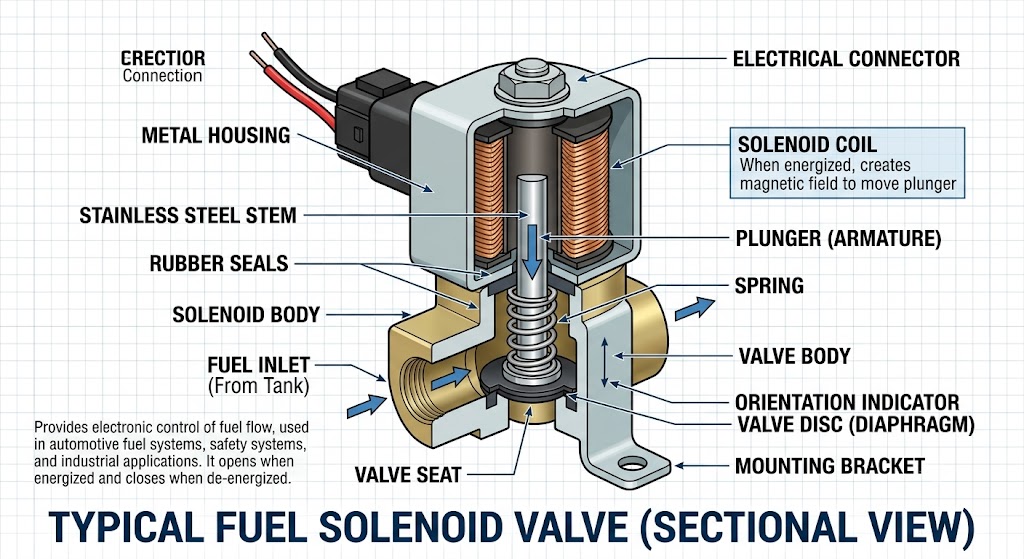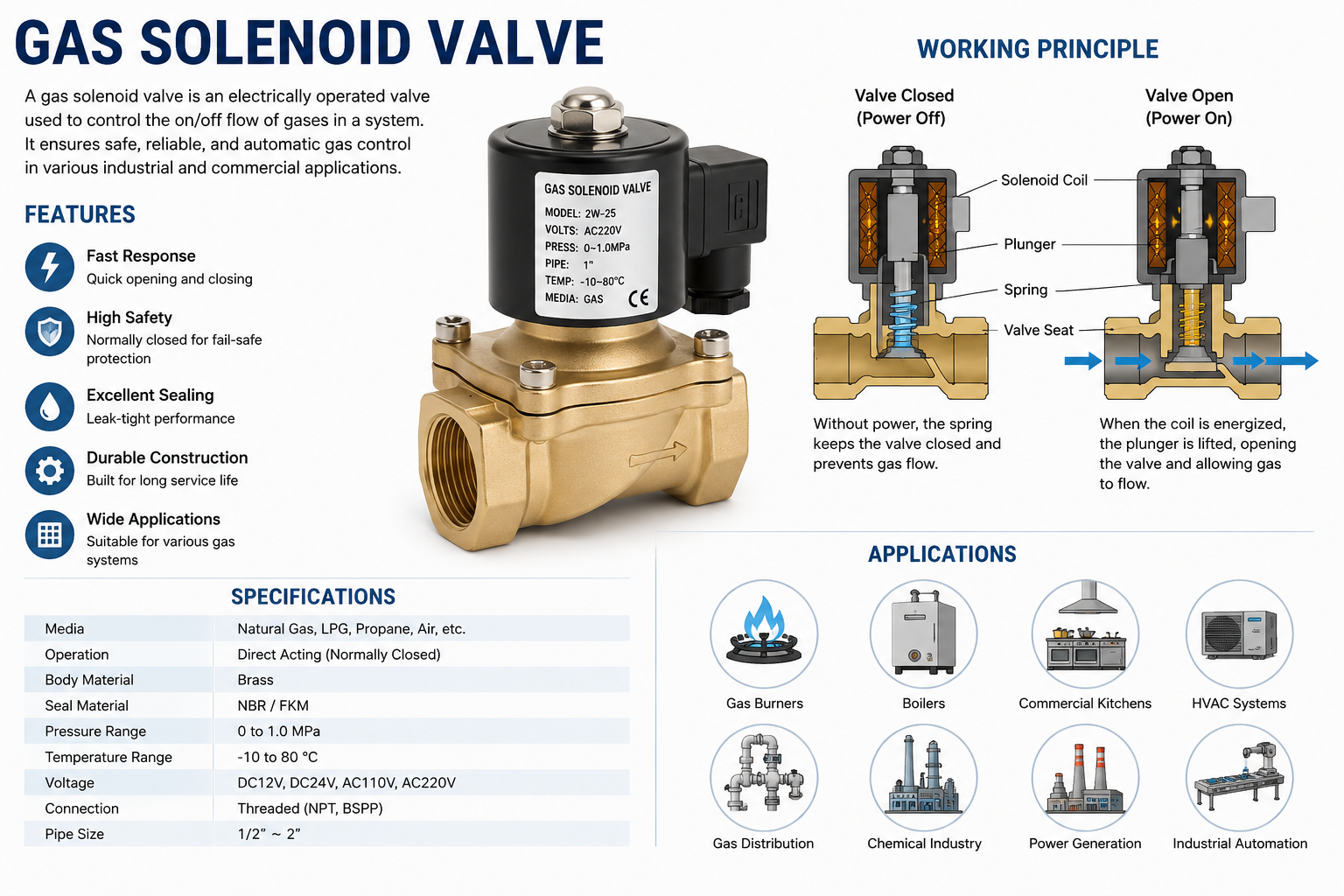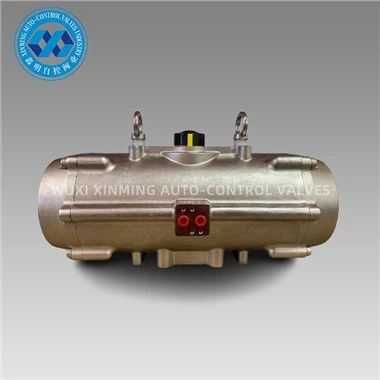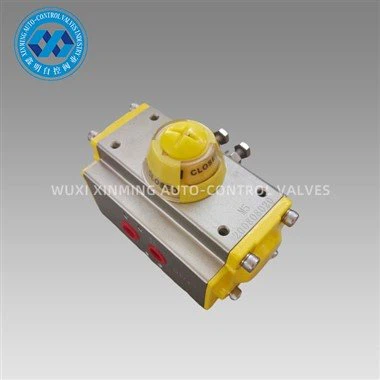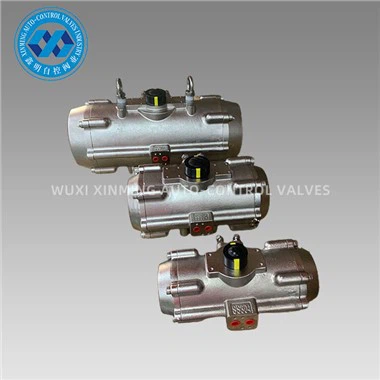
A threaded ball valve is a widely used flow-control device designed for reliable shut-off and regulation in piping systems. Featuring threaded end connections—either NPT, BSP, or metric—the threaded ball valve is easy to install, service, and replace, making it a preferred choice for plumbing, industrial automation, water treatment, and general fluid handling applications. With its simple structure, tight sealing, and high durability, the threaded ball valve is one of the most versatile valve types in modern engineering.
What Is a Threaded Ball Valve?
A threaded ball valve is a ball valve with threaded ends that allow it to be connected directly to pipelines without welding or flanging. The core component is a rotating ball with a precision-drilled port. By turning the valve handle—or using an actuator—the ball rotates 90 degrees to open or close the flow path.
Common Thread Standards
- NPT (National Pipe Thread) – Widely used in the U.S. and North America
- BSP (British Standard Pipe) – BSPP (parallel) and BSPT (tapered), common in Europe and Asia
- Metric Threads – Used in specialized or OEM equipment
Thread compatibility is essential to ensure leak-free performance and system safety.
Key Features of Threaded Ball Valves
1. Easy Installation and Maintenance
The threaded connection allows quick assembly without welding, reducing installation time and cost.
2. Tight Shut-Off
The ball-and-seat design ensures zero leakage when fully closed, making the threaded ball valve ideal for critical isolation tasks.
3. Compact and Lightweight
Its compact body allows installation even in tight spaces, especially within residential and commercial piping systems.
4. Wide Material Options
Threaded ball valves come in various materials depending on the application:
- Stainless steel (SS304/316) — chemical resistance, high pressure
- Brass — cost-effective, durable, suitable for water and air
- PVC/CPVC — corrosion-resistant, lightweight, suitable for low-pressure environments
5. Versatile Flow Control
Available in 1-piece, 2-piece, and 3-piece designs, each offering different levels of serviceability and strength.
Types of Threaded Ball Valves
1-Piece Threaded Ball Valve
Compact, economical, and commonly used in low- to medium-pressure systems. Suitable for general water service and simple shut-off applications.
2-Piece Threaded Ball Valve
Allows easier maintenance and provides higher pressure ratings. Frequently used in industrial and commercial installations.
3-Piece Threaded Ball Valve
Designed for systems requiring regular cleaning or servicing. The center body can be removed without disconnecting the pipeline.
Full-Port vs. Standard-Port
- Full-port threaded ball valve provides maximum flow capacity
- Standard-port threaded ball valve offers lower cost and smaller body size
How Threaded Ball Valves Work
The valve operates through a quarter-turn mechanism. When the handle is rotated, the internal ball aligns its port with the pipeline, allowing fluid to pass. When turned 90 degrees, the port is perpendicular, blocking the flow completely.
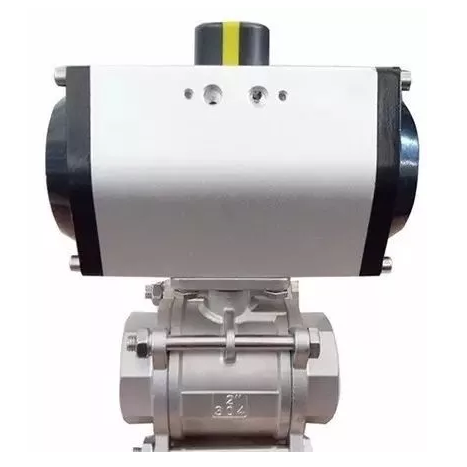
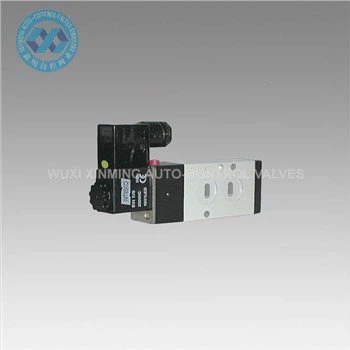
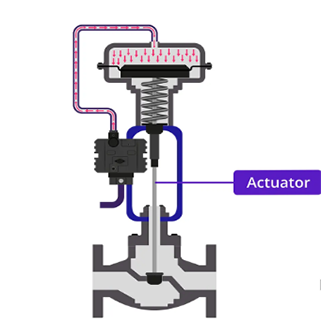
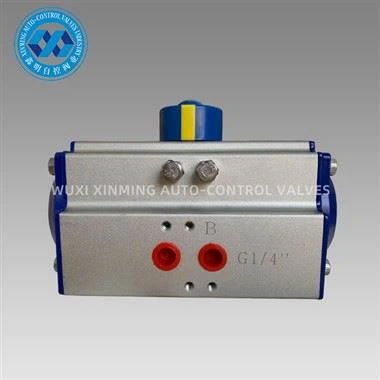
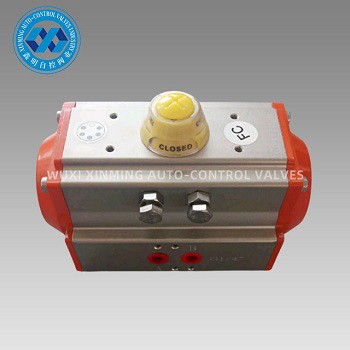
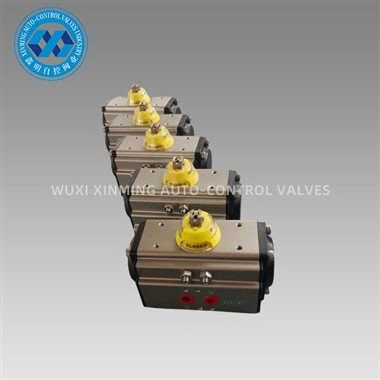
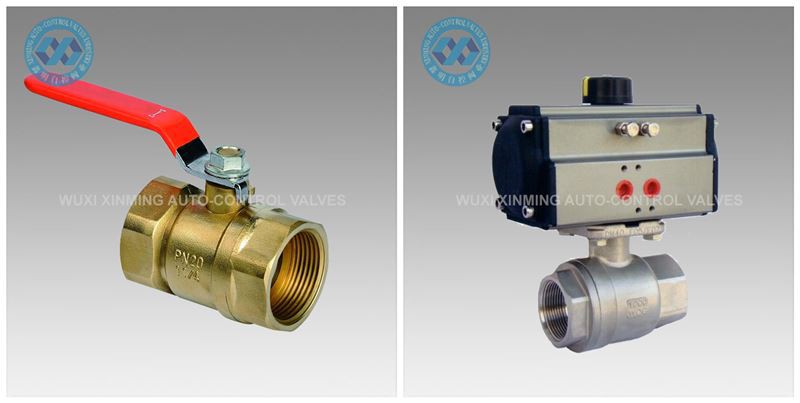
Actuators such as electric, pneumatic, or hydraulic units can be mounted for automated control, turning a simple threaded ball valve into a smart, remotely operated valve.
Applications of Threaded Ball Valves
Industrial Applications
- Petrochemical systems
- Oil and gas pipelines
- Compressed air systems
- Manufacturing and process automation
Water Supply & Plumbing
Threaded ball valves are widely used in residential and commercial plumbing for isolation, shut-off, and water distribution applications.
HVAC & Building Systems
Ensures accurate flow control in heating, cooling, and ventilation systems.
Agriculture & Irrigation
Provides reliable fluid control for pumps, drip systems, and agricultural pipelines.
Chemical & Food Processing
Stainless steel threaded ball valves are preferred in environments requiring hygiene and corrosion resistance.
How to Choose the Right Threaded Ball Valve
When selecting a threaded ball valve, consider the following factors:
1. Thread Type and Compatibility
Ensure proper matching with the pipeline standard (NPT, BSP, or metric).
2. Pressure and Temperature Rating
Choose a valve that can withstand system operating conditions, especially in high-pressure or high-temperature environments.
3. Valve Material
- Brass — water, gas, general industrial use
- Stainless steel — chemicals, high pressure, corrosive media
- PVC/CPVC — lightweight, corrosion-resistant
4. Port Type
Full-port for maximum flow, standard-port for compact size and lower cost.
5. Operation Method
Manual handle, electric actuator, pneumatic actuator, or automated control system.
Advantages of Threaded Ball Valves
- Fast quarter-turn operation
- Easy installation with no welding required
- Excellent sealing performance
- Suitable for a wide range of fluids (water, gas, oil, chemicals)
- Low maintenance and long service life
- Cost-effective and versatile across industries
Conclusion
A threaded ball valve is a reliable, efficient, and easy-to-install solution for fluid control across multiple applications. With different material options, thread standards, and design choices, threaded ball valves provide the flexibility required for residential plumbing, industrial systems, chemical processing, and agricultural operations. Their durability, tight shut-off, and simple operation make them one of the most commonly used valves in modern piping systems.
If you want to learn more about low-priced products, please visit the following website: www.xm-valveactuator.com