A manual butterfly valve is one of the most widely used flow control devices in industrial pipelines. Known for its simple structure, cost-effectiveness, and fast operation, this type of butterfly valve is manually operated using a gear operator, hand lever, or handwheel. It is ideal for applications requiring reliable shut-off and throttling without depending on external power sources.
This article provides a comprehensive overview of manual butterfly valves, covering their working principle, key components, advantages, selection guidelines, and major industrial applications.
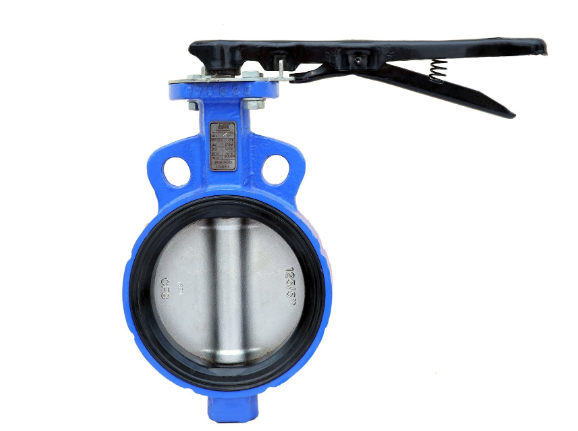
What Is a Manual Butterfly Valve?
A manual butterfly valve is a quarter-turn valve that uses a disc to regulate fluid flow within a pipeline. Unlike electric or pneumatic butterfly valves, a manual butterfly valve is operated entirely by human force. The disc rotates 90 degrees to fully open or fully close the flow path.
Manual butterfly valves are commonly used in water supply systems, HVAC, wastewater treatment, chemical pipelines, and general industrial applications.
How Does a Manual Butterfly Valve Work?
The working principle is simple:
-
Manual Operation – The operator turns a lever, gearbox, or handwheel.
-
Stem Rotation – The manual force rotates the valve stem.
-
Disc Movement – The valve disc moves from open to close (or vice versa).
-
Flow Control – At 0° the valve is fully closed; at 90° it is fully open. The disc angle determines the flow rate.
Because of the quarter-turn design, a manual butterfly valve offers rapid operation and extremely low torque requirements.
Key Components of a Manual Butterfly Valve
A typical manual butterfly valve consists of:
-
Valve Body (wafer, lug, or flanged type)
-
Disc (stainless steel, ductile iron, or coated alloy)
-
Seat/Liner (EPDM, NBR, PTFE)
-
Stem/Shaft
-
Manual Operator
-
Lever Operator (for small diameters)
-
Gear Operator / Gearbox (for medium-large diameters)
-
Each component influences the valve’s performance, sealing reliability, and durability.
Types of Manual Butterfly Valves
1. Wafer Manual Butterfly Valve
-
Most common and economical.
-
Suitable for general industrial pipelines.
-
Easy installation between flanges.
2. Lug Manual Butterfly Valve
-
Features threaded lug inserts.
-
Allows removal of downstream piping without affecting the valve.
-
Suitable for dead-end service.
3. Flanged Manual Butterfly Valve
-
Provides strong body support.
-
Ideal for high-pressure applications and heavy-duty pipelines.
4. Manual Gear-Operated Butterfly Valve
-
Includes a gearbox to reduce torque.
-
Recommended for larger valve sizes (DN200 and above).
5. Stainless Steel Manual Butterfly Valve
-
Excellent corrosion resistance.
-
Used in food, beverage, pharmaceutical, and chemical industries.
Advantages of Manual Butterfly Valves
A manual butterfly valve offers many operational benefits:
✔ Cost-Effective
Lower cost compared to ball valves or electrically actuated valves.
✔ Fast and Easy Operation
Quarter-turn design enables quick opening and closing.
✔ Compact and Lightweight
Minimal installation space required.
✔ Low Maintenance
Simple internal structure with fewer wear components.
✔ No Need for External Power
Perfect for remote areas or emergency shutdown where electricity or air supply is unavailable.
Common Applications of Manual Butterfly Valves
Manual butterfly valves are widely used in:
-
Water treatment plants
-
Irrigation systems
-
HVAC and chillers
-
Marine pipelines
-
Chemical and petrochemical plants
-
Food and beverage processing
-
Pharmaceutical production
-
Fire protection systems
-
Municipal water distribution
Their versatility, durability, and economical design make them suitable for both low-pressure and medium-pressure systems.
How to Choose the Right Manual Butterfly Valve
When selecting a manual butterfly valve, consider:
1. Valve Type
-
Wafer for general usage
-
Lug for dead-end service
-
Flanged for high-pressure systems
2. Material Compatibility
-
Stainless steel for corrosive fluids
-
Cast iron for water systems
-
PTFE linings for chemicals
3. Pressure and Temperature Rating
Ensure the valve’s material and seat can handle the system's conditions.
4. Operation Method
-
Lever for small sizes
-
Gear operator for large diameters or high torque requirements
5. Sealing Requirements
Choose the appropriate seat (EPDM, NBR, PTFE) based on media and temperature.
Conclusion
A manual butterfly valve is a reliable, economical, and highly efficient solution for controlling fluid in a wide range of industrial applications. Its simple structure, manual operation, and fast response make it ideal for systems where external power is unavailable or unnecessary. Whether used in water treatment, chemical processing, HVAC, or food production, manual butterfly valves offer long service life and excellent flow control.
If you want to learn more about low-priced products, please visit the following website: www.xm-valveactuator.com