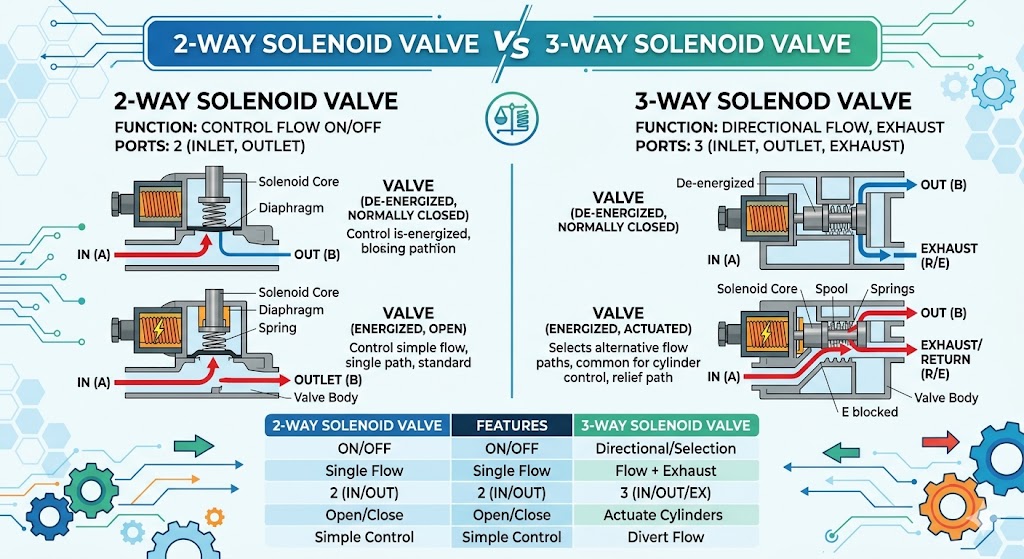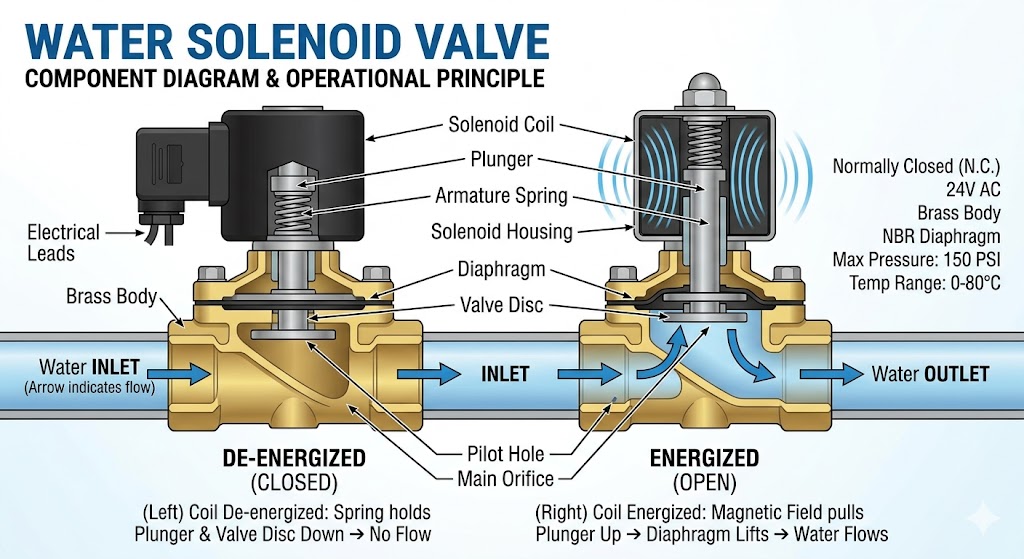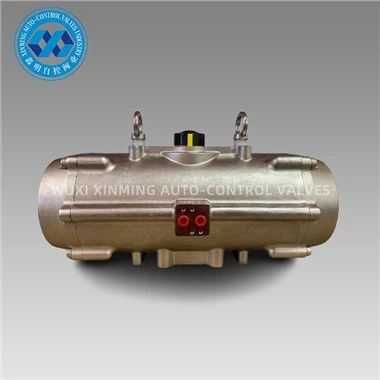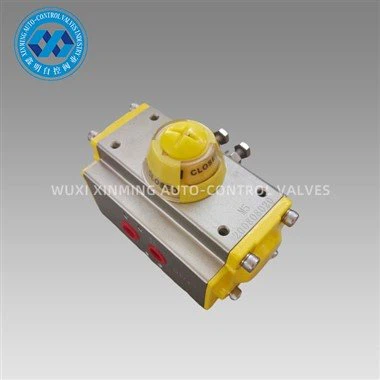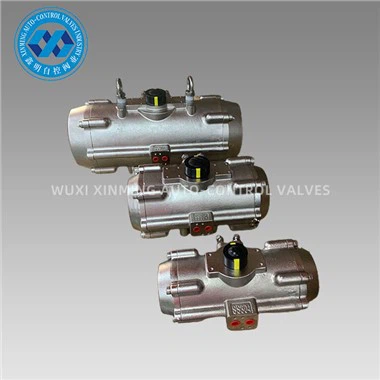
A high performance butterfly valve is an advanced type of butterfly valve designed to handle higher pressures, wider temperature ranges, and more demanding industrial environments compared to standard concentric butterfly valves. Known for their superior sealing capability, robust construction, and excellent flow control, high performance butterfly valves are widely used in industries such as oil & gas, chemical processing, power generation, HVAC, marine, and industrial water systems.
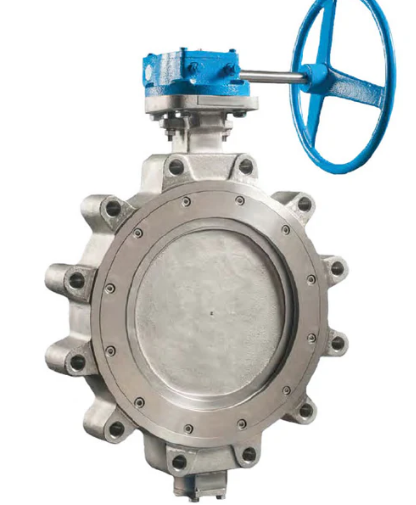
What Is a High Performance Butterfly Valve?
A high performance butterfly valve—often referred to as a double-offset (double-eccentric) or triple-offset (TOV) butterfly valve—is engineered to provide better sealing, less friction, and longer service life. Unlike traditional concentric butterfly valves, high performance versions use an offset disc and shaft design that reduces wear and enables tight, bubble-proof shutoff even under high pressure or high temperature conditions.
These valves can be configured with soft seats (e.g., PTFE) or metal seats, depending on the application and temperature requirements.
How Does a High Performance Butterfly Valve Work?
High performance butterfly valves operate using an eccentric disc movement:
1. Double-Offset Design (High Performance Type)
-
The stem is offset from the disc center.
-
The disc itself is offset from the valve seat.
-
This reduces friction during opening/closing and increases sealing durability.
2. Triple-Offset Design (Severe Service Type)
-
Adds a third geometric offset to create a conical sealing surface, ensuring zero leakage.
-
Suitable for extreme temperatures and high-pressure industrial systems.
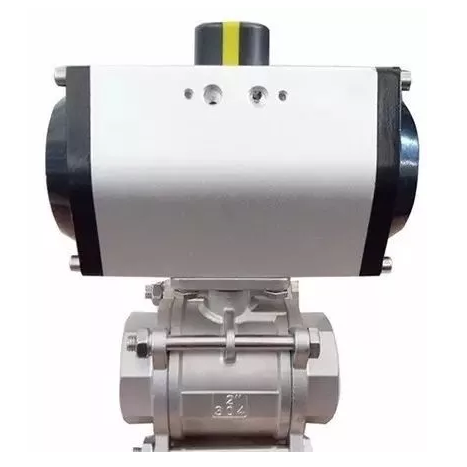
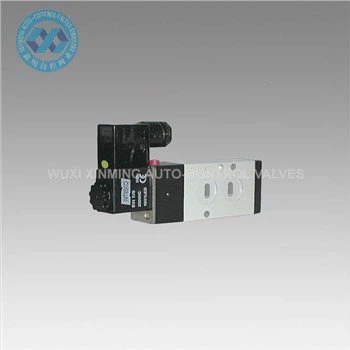
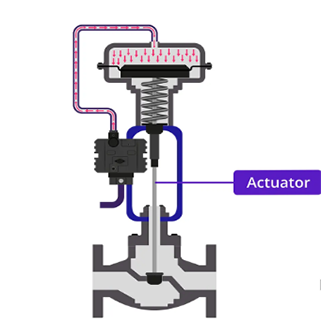
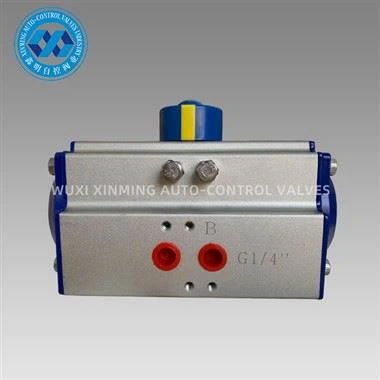
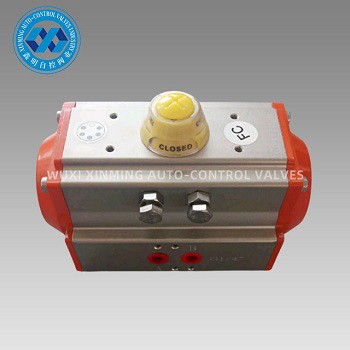
The valve can be operated manually or automated using electric, pneumatic, or hydraulic actuators.
Key Features of High Performance Butterfly Valves
1. High Pressure and Temperature Resistance
These valves can typically operate up to Class 300 or even Class 600, far exceeding standard butterfly valve capabilities.
2. Superior Sealing Performance
The offset design minimizes seat contact, reducing wear and ensuring long-term tight shutoff.
3. Versatile Seat Options
-
Soft seat (PTFE, EPDM, NBR): Bubble-tight performance for low-to-medium temperatures.
-
Metal seat (Stainless steel, Inconel, etc.): Designed for high-temperature and severe service conditions.
4. Low Torque Operation
Reduced friction results in lower operating torque, making them ideal for actuator automation.
5. High Reliability and Long Lifespan
The advanced design allows the valve to withstand continuous operation in harsh environments.
Advantages of Using a High Performance Butterfly Valve
-
Excellent shutoff capability, even under high pressure.
-
Reduced operational wear, extending valve life.
-
Wide temperature range (from cryogenic to +500°C depending on materials).
-
Suitable for throttling and on/off applications.
-
Compact and lightweight compared to gate or globe valves.
-
Lower cost than ball valves with similar performance levels.
-
Ideal for full automation with electric or pneumatic actuators.
Common Applications of High Performance Butterfly Valves
Due to their durability and sealing performance, high performance butterfly valves are widely used in:
Oil & Gas Industry
For pipeline isolation, fuel handling, and refinery process systems.
Chemical & Petrochemical Plants
Handles corrosive chemicals, solvents, and high-temperature fluids.
Power Generation
Used in steam systems, cooling water, and turbine auxiliary lines.
Marine & Offshore
Corrosion-resistant designs suitable for seawater and harsh offshore environments.
HVAC and Building Systems
Provides reliable flow control for chilled water, hot water, and steam.
Industrial Water Treatment
Suitable for clean water, wastewater, and desalination systems.
Selecting the Right High Performance Butterfly Valve
When choosing a high performance butterfly valve, consider the following factors:
1. Valve Type (Double or Triple Offset)
-
Double offset: General industrial use with soft-seat sealing.
-
Triple offset: High temperature, high pressure, or severe service.
2. Seat Material
-
PTFE or reinforced PTFE for chemical compatibility
-
Metal seat for high temperature
-
Fire-safe designs for oil & gas applications
3. Body and Disc Material
Common materials include:
-
Stainless steel (304/316)
-
Carbon steel
-
Duplex or super duplex stainless steel
-
Nickel alloys
4. Pressure Class
Class 150, Class 300, and Class 600 are the most common ratings.
5. Operation Method
Choose from:
-
Lever handle
-
Gear operator
-
Pneumatic actuator
-
Electric actuator
-
Hydraulic actuator
6. Standards and Certifications
Look for compliance with:
-
API 609
-
ISO 5752
-
ASME Class ratings
-
Fire-safe standards (API 607)
Installation and Maintenance Tips
-
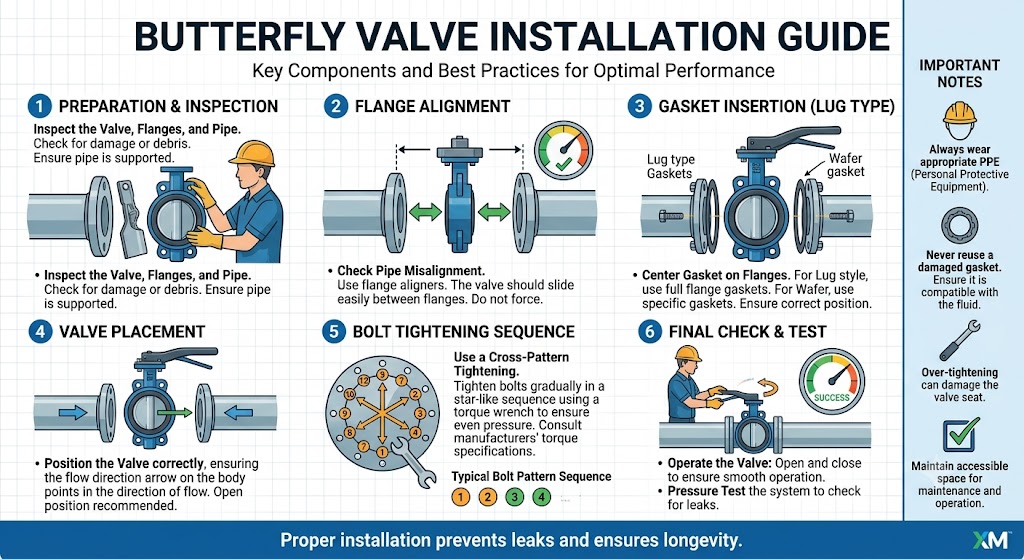
Ensure correct alignment during installation to prevent disc-seat damage.
-
Avoid overtightening flanges, especially when using soft seats.
-
Test valve operation before installing actuators.
-
Perform periodic inspections of seat wear and sealing surfaces.
-
Follow manufacturer torque recommendations for optimal performance.
Conclusion
A high performance butterfly valve is an essential component in industries requiring reliable, high-pressure, and high-temperature flow control. Its advanced double or triple offset design provides superior sealing, reduced friction, and long service life. Whether used in oil & gas, chemical processing, power generation, or building systems, these valves deliver efficient and dependable performance.
If you want to learn more about low-priced products, please visit the following website: www.xm-valveactuator.com