A PVC butterfly valve is one of the most widely used flow-control devices in low-pressure and corrosion-resistant piping systems. Thanks to its lightweight structure, chemical-resistant material, and cost-effective performance, the PVC butterfly valve has become a preferred choice in water treatment, irrigation, aquaculture, chemical processing, and HVAC systems. This guide explains what PVC butterfly valves are, how they work, their main features, advantages, applications, installation guidelines, and key factors to consider when selecting the right valve.
What Is a PVC Butterfly Valve?
A PVC butterfly valve is a quarter-turn valve made from polyvinyl chloride (PVC) with a rotating disc that controls fluid flow. When the handle or actuator rotates the disc by 90 degrees, the valve opens or closes. PVC material offers excellent resistance to corrosion, acids, alkalis, and many industrial chemicals, making it ideal for non-metallic piping systems.
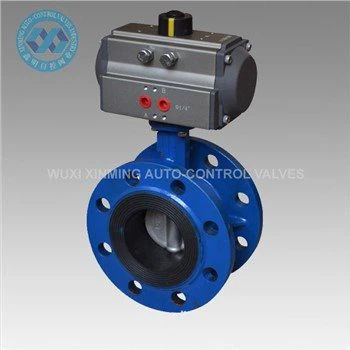
PVC butterfly valves are available in different configurations, including wafer type, lug type, and flanged type, ensuring compatibility with various pipeline standards.
How a PVC Butterfly Valve Works
The operation is simple and efficient:
-
Open Position: The disc is parallel to the flow, allowing maximum fluid passage.
-
Closed Position: The disc rotates perpendicular to the flow, creating a tight seal.
-
Throttling: The valve can also be partially opened to regulate flow rate in low-pressure systems.
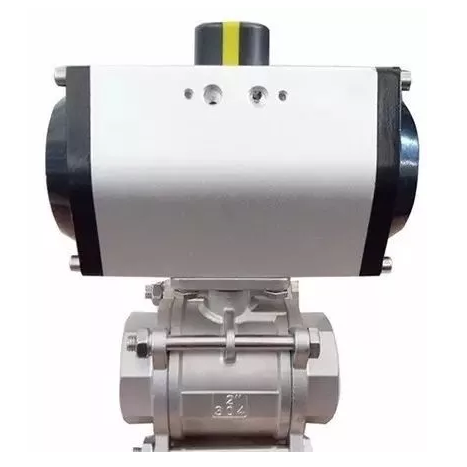
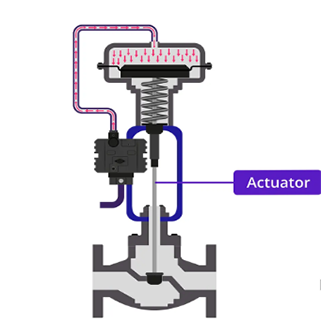
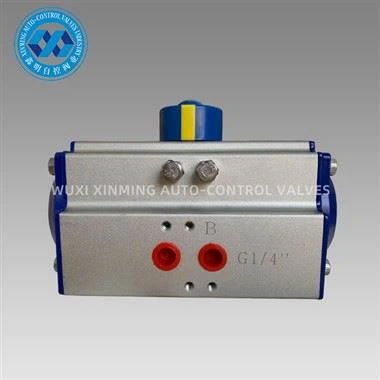
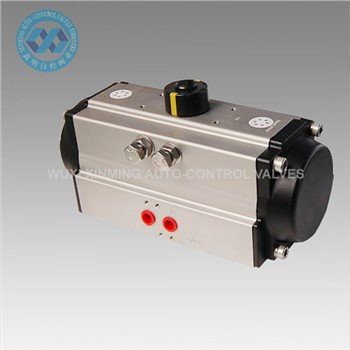
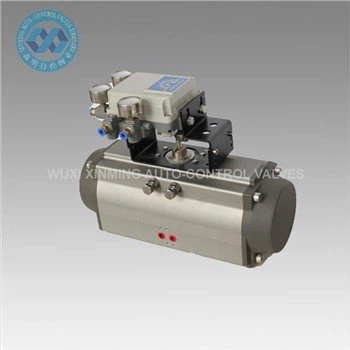
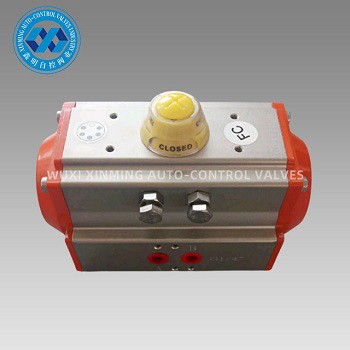
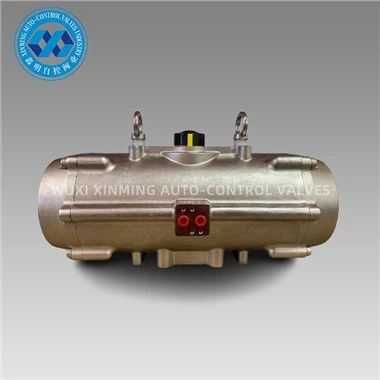
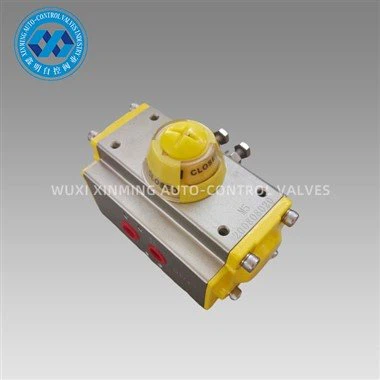
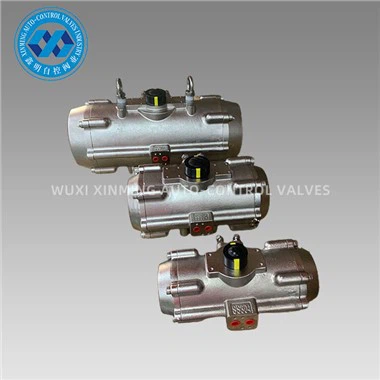
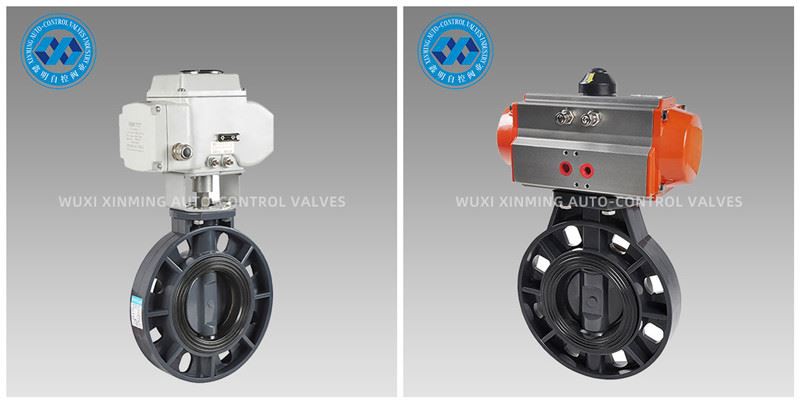
Depending on the system requirements, PVC butterfly valves can be operated manually (lever or gear) or automatically (electric or pneumatic actuators).
Key Features of PVC Butterfly Valves
1. Lightweight Design
PVC is significantly lighter than metal, allowing easy handling, transportation, and installation.
2. Excellent Corrosion Resistance
PVC resists corrosive chemicals, making the valve suitable for acidic or alkaline environments.
3. Tight Sealing Performance
EPDM, FPM, or NBR seats provide reliable sealing and long service life.
4. UV-Resistant Construction
Suitable for outdoor applications such as irrigation and water distribution.
5. Multiple Connection Types
-
Wafer type for compact installations
-
Lug type for dead-end service
-
Flanged type for stronger support
Advantages of Using a PVC Butterfly Valve
-
Cost-effective: More affordable than stainless steel or metal valves.
-
Easy to operate: Simple quarter-turn mechanism.
-
Low maintenance: No rust, scaling, or electrochemical corrosion.
-
High chemical compatibility: Suitable for a wide range of fluids.
-
Smooth flow performance: Minimal pressure drop due to streamlined disc design.
Applications of PVC Butterfly Valves
Because of their chemical resistance and durability, PVC butterfly valves are widely used in:
Water Treatment Plants
For controlling the flow of clean water, wastewater, and process liquids.
Irrigation and Agriculture Systems
Lightweight valves are ideal for agricultural pipelines and greenhouse water networks.
Aquaculture and Fish Farming
PVC valves maintain water quality and prevent contamination.
Chemical Processing
Suitable for handling corrosive fluids and chemical dosing systems.
Swimming Pools and SPA Water Systems
Resists chlorine and saltwater corrosion.
HVAC and Ventilation
Used in low-pressure air and water distribution networks.
How to Install a PVC Butterfly Valve
To ensure optimal performance, follow these installation guidelines:
-
Choose the correct valve size matching the pipeline diameter.
-
Ensure proper alignment between the valve, gaskets, and flanges.
-
Do not overtighten bolts, which may deform the PVC body.
-
Fully open the valve during installation to protect the disc from damage.
-
Test for leaks after installation by slowly applying pressure.
How to Choose the Right PVC Butterfly Valve
When selecting a PVC butterfly valve, consider the following factors:
1. Flow Media
Check the chemical compatibility of PVC and seat materials with the fluid.
2. Pressure Rating (PN10 / PN16)
Choose a rating that matches system requirements.
3. Operating Method
-
Lever handle for small valves
-
Gear operator for large diameters
-
Electric or pneumatic actuators for automated systems
4. Connection Style
Select wafer, lug, or flanged based on pipeline design.
5. Temperature Range
PVC valves are typically suitable for 0°C–60°C (32°F–140°F). Ensure the operating temperature does not exceed the material limits.
Conclusion
A PVC butterfly valve is an essential flow-control component in many industrial and commercial piping systems. Its lightweight, corrosion-resistant, and cost-effective characteristics make it an excellent alternative to metal valves, especially for low-pressure and chemically corrosive applications. By understanding its features, advantages, applications, and selection criteria, users can choose the most suitable PVC butterfly valve to improve system efficiency and reliability.
If you want to learn more about low-priced products, please visit the following website: www.xm-valveactuator.com