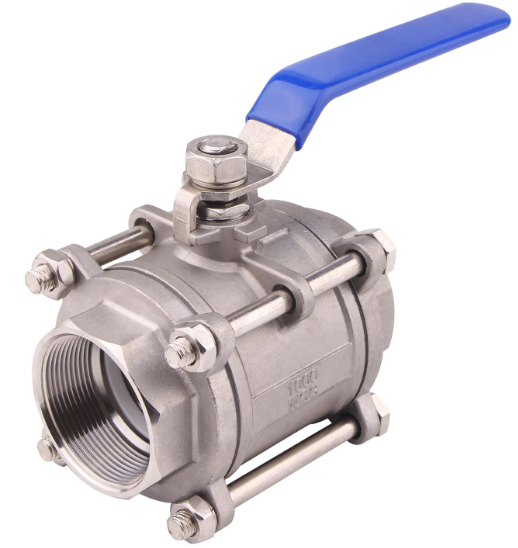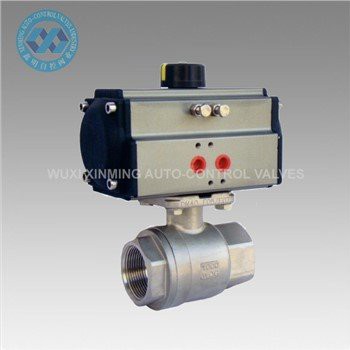
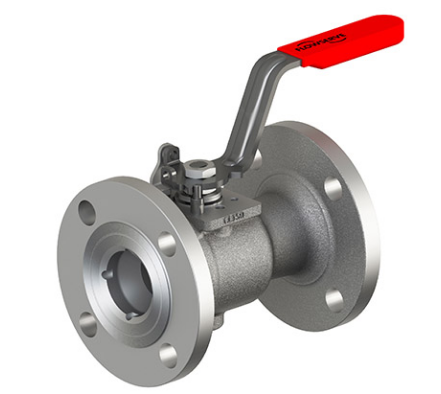
A reduced port ball valve, also known as a standard port ball valve, is a widely used flow control device designed with a smaller internal bore than the pipeline diameter. Unlike full port ball valves, which allow unrestricted fluid flow, a reduced port ball valve features a narrower flow passage—providing cost efficiency while still delivering reliable shut-off and control performance. This type of valve is widely used in applications where full flow capacity is not required, making it a popular choice in industries such as HVAC, chemical processing, water distribution, oil and gas, and general industrial piping.
What Is a Reduced Port Ball Valve?
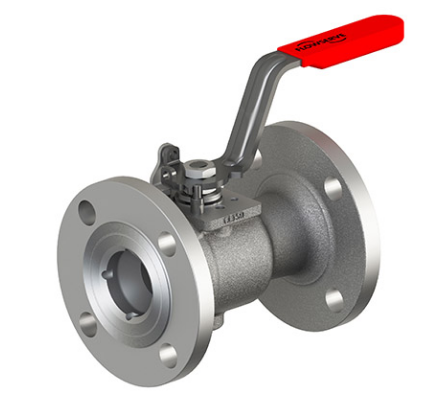
A reduced port ball valve is a quarter-turn valve with a ball opening that is smaller than the connected pipeline size. The internal diameter typically corresponds to the next pipe size down. For example, a 2-inch reduced port ball valve may have a flow opening similar to a 1-1/2-inch bore.
Key characteristics of reduced port ball valves:
| Feature | Specification |
|---|---|
| Bore size | Smaller than pipe ID |
| Flow capacity | Moderately restricted |
| Pressure drop | Higher compared to full port |
| Operation | 90-degree quarter-turn |
| Suitable for | Standard flow control pipelines |
Despite a reduced opening, this valve type still ensures reliable flow isolation and is widely chosen where pressure drop is acceptable.
How Does a Reduced Port Ball Valve Work?
A reduced port ball valve operates by rotating a drilled ball 90 degrees to control the flow. When open, fluid passes through the smaller internal port. When closed, soft or metal seats compress tightly against the ball surface, ensuring leak-proof shutoff.
Working highlights:
-
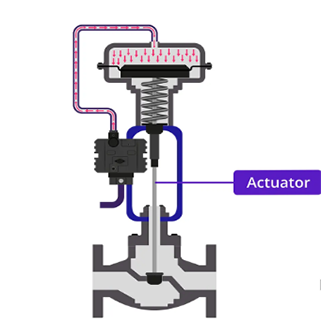
Handle or actuator turns the ball a quarter-turn.
-
Ball opening aligns with the pipeline for fluid passage.
-
Reduced bore restricts flow, increasing velocity through the valve.
-
Seats provide bubble-tight sealing at full closure.
This structure makes the valve efficient, compact, and suitable for applications not requiring maximum flow.
Advantages of a Reduced Port Ball Valve
Though it has a smaller internal diameter than full port designs, a reduced port ball valve offers several unique benefits:
✔ Cost-effective
Uses smaller internal components, reducing material cost.
✔ Compact & Lightweight
Ideal for installations with space constraints.
✔ Suitable for Throttling Functions
Flow restriction enables moderate regulation, unlike full port types.
✔ Lower Operating Torque
Smaller bore reduces required actuation effort.
✔ Available in Wide Material Options
Can be constructed in stainless steel, carbon steel, brass, PVC, and more.
Materials & Design Options
Reduced port ball valves are manufactured in multiple configurations to meet diverse industrial needs:
| Material | Application Advantage |
|---|---|
| Stainless Steel (304/316) | Corrosion-resistant, ideal for food & chemicals |
| Carbon Steel | Handles high pressure & temperature fluids |
| Brass | Suitable for residential water & gas lines |
| PVC/CPVC | Lightweight, chemical-resistant for non-metal systems |
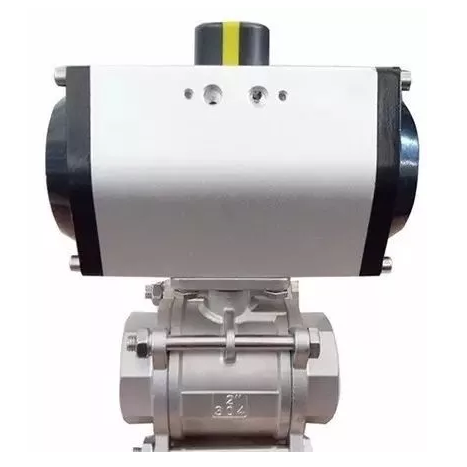
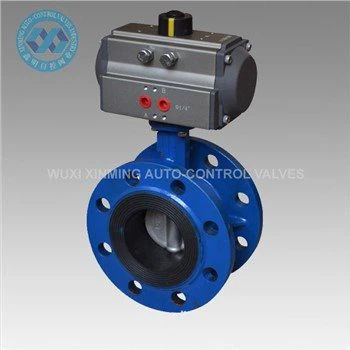
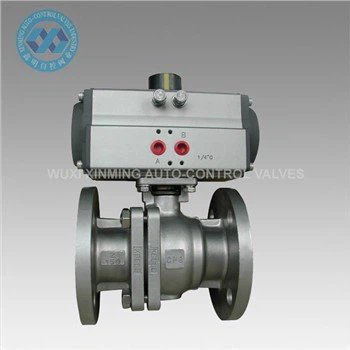
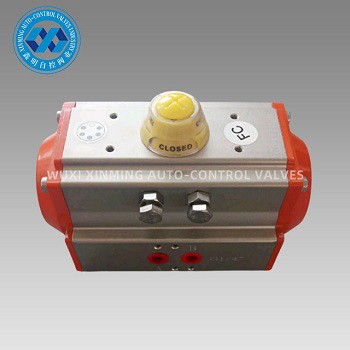
Common connection types include NPT threaded ends, flanged ends, welded ends, and tri-clamp sanitary connections. Actuation options include manual lever operation or automation via pneumatic, electric, or hydraulic actuators.
Reduced Port vs Full Port Ball Valve
| Feature Comparison | Reduced Port Ball Valve | Full Port Ball Valve |
|---|---|---|
| Internal Bore Size | Smaller than pipe ID | Equal to pipe ID |
| Flow Rate | Moderate restriction | Maximum flow |
| Pressure Drop | Higher | Extremely low |
| Cost | More economical | Higher investment |
| Best Use Case | Standard flow applications | High-capacity pipelines |
Choosing between these two depends on flow requirements, space limitations, and system design priorities.
Industrial Applications of Reduced Port Ball Valves
A reduced port ball valve is ideal for systems where full flow capacity is unnecessary or where cost efficiency is a priority. Typical application areas include:
-
Water supply and wastewater treatment systems
-
HVAC heating and cooling loops
-
Compressed air and gas pipelines
-
Chemical dosing and processing lines
-
Oil and fuel transfer systems
-
General industrial fluid handling
-
Fire protection and utility piping
Its combination of economy, durability, and flow control makes it one of the most frequently used valves globally.
Conclusion
A reduced port ball valve provides dependable shut-off performance with a more compact design and lower cost than full port alternatives. While it introduces a moderate flow reduction, it remains an excellent option for general pipeline systems, industrial utilities, and commercial processes where unrestricted flow is not essential. By understanding its design, advantages, and application scenarios, engineers and buyers can make informed valve selection decisions that improve operational efficiency and reduce system cost.
If you want to learn more about low-priced products, please visit the following website: www.xm-valveactuator.com