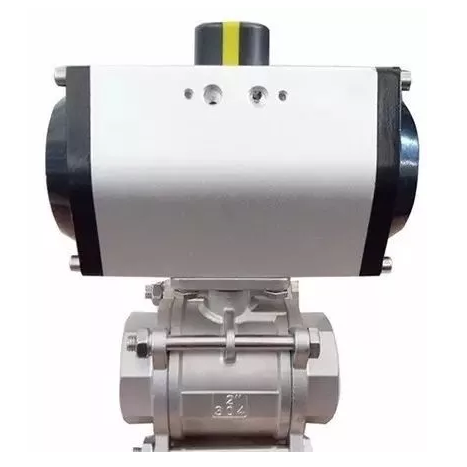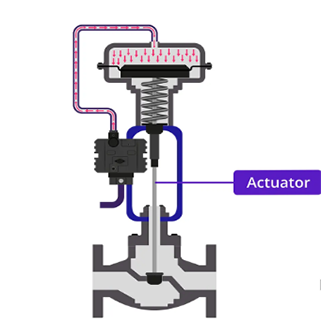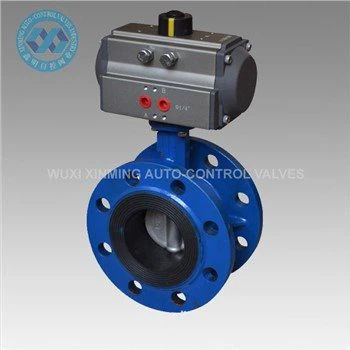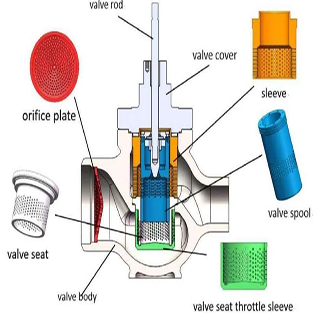
A lined butterfly valve is a quarter-turn flow control device that incorporates an internal corrosion-resistant lining to isolate the valve body and disc from aggressive media. By combining a compact structure with enhanced chemical durability, lined butterfly valves have become widely used in chemical processing, wastewater treatment, mining, pharmaceuticals, and other fluid control applications where standard metallic valves may fail.
This article explains how lined butterfly valves work, what materials are commonly used, their advantages, and how to choose the right valve for your system.

How a Lined Butterfly Valve Works
A lined butterfly valve operates using a rotating disc positioned in the center of the pipeline. When the handle, gearbox, or actuator turns the disc 90 degrees, the valve shifts between fully open and fully closed positions.
What makes this valve different is the internal lining—usually PTFE, PFA, FEP, EPDM, NBR, or rubber—that covers the inner valve body. This lining prevents metal contact with corrosive fluids, extending valve lifespan and ensuring reliable sealing in harsh environments.
Common Lining Materials for Butterfly Valves
Choosing the right lining material is essential for performance:
| Lining Material | Key Properties | Suitable Media |
|---|---|---|
| PTFE | High chemical resistance, non-reactive, wide temperature range | Strong acids, solvents, corrosive gases |
| PFA / FEP | Excellent corrosion resistance, flexible and anti-adhesive | Highly aggressive chemicals, ultrapure media |
| EPDM | Good elasticity, abrasion-resistant | Water, wastewater, mild chemicals |
| NBR (Buna-N) | Oil and fuel resistant | Petroleum-based liquids and gases |
| Natural Rubber | High resilience and shock absorption | Slurries, abrasive fluids |
When handling corrosive or high-purity fluids, PTFE or PFA lined butterfly valves are among the most popular choices.
Key Features and Benefits of Lined Butterfly Valves
✔ Superior Corrosion Resistance
The lining protects the valve from chemical degradation, ensuring long-term service even in acidic, alkaline, and solvent-rich environments.
✔ Reliable Tight Shutoff
Elastomer or fluoropolymer linings provide low operating torque and excellent sealing performance.
✔ Cost-Effective & Lightweight
Compared with stainless steel or exotic alloy valves, lined butterfly valves offer a more economical solution without sacrificing durability.
✔ Wide Operating Range
Suitable for liquid, gas, and slurry media across multiple temperature and pressure conditions.
✔ Easy Operation and Maintenance
Simple quarter-turn design reduces maintenance time and delivers fast response for flow control.
Applications of Lined Butterfly Valves
Lined butterfly valves are widely installed in industries requiring corrosion resistance and sanitary operation:
- Chemical and petrochemical processing
- Chlor-alkali plants and acid handling lines
- Pharmaceuticals and food production
- Water treatment and desalination systems
- Pulp and paper manufacturing
- Mining, slurry, and abrasive media transport
Whether handling sulfuric acid, sodium hydroxide, brine, or slurry, a lined butterfly valve ensures safe and stable operation.
How to Select the Right Lined Butterfly Valve
When purchasing a lined butterfly valve, consider:
- Type and concentration of media
- Operating temperature and pressure
- Lining material compatibility
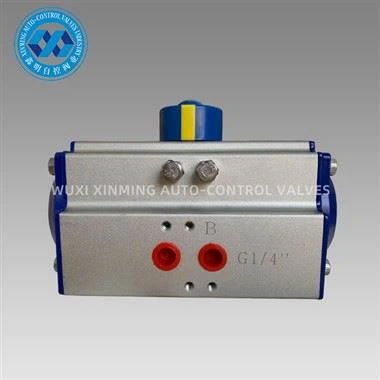
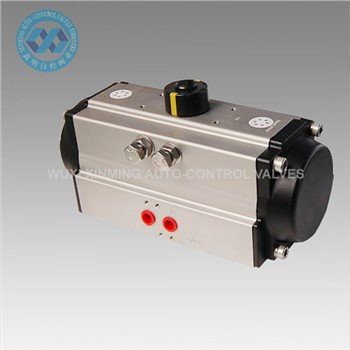
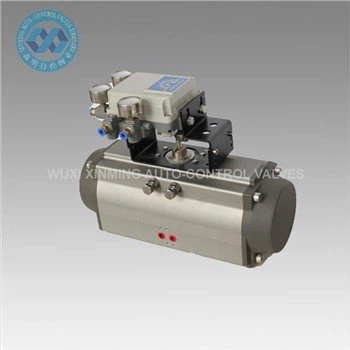
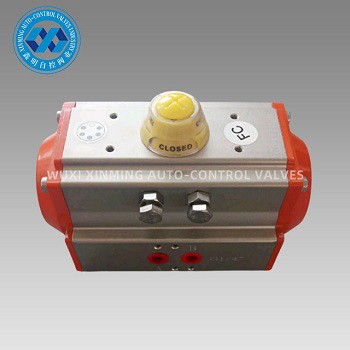
- Actuation method (manual, pneumatic, electric)
- Connection type (wafer, lug, flanged)
- Required flow control or shutoff level
A proper selection guarantees longer lifespan and reduces maintenance cost over time.
Conclusion
A lined butterfly valve is an ideal solution for corrosive and high-purity fluid applications. With excellent chemical resistance, reliable sealing, and cost-efficient performance, it plays a crucial role in industrial process control systems. For industries seeking durability and safety, the lined butterfly valve remains one of the most practical valve options available today.
If you want to learn more about low-priced products, please visit the following website: www.xm-valveactuator.com